 English
 Polski
 Deutsch
 Nederlands
 Svenska
 Norsk
 Dansk
 Français
 Italiano
 Español
 Português
 Slovenčina
 Suomi
 Gaeilge
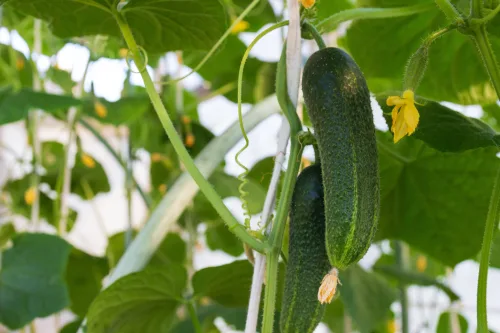
How to Fertilise Cucumbers for a Steady Summer Crop
Cucumbers are heavy feeders and won’t keep cropping on a single post-plant feed. Match nutrients to each growth stage, keep the soil evenly moist, and you’ll harvest reliably all summer.
5 min read

Cucumbers are heavy feeders and won’t keep cropping on a single post-plant feed. Match nutrients to each growth stage, keep the soil evenly moist, and you’ll harvest reliably all summer.
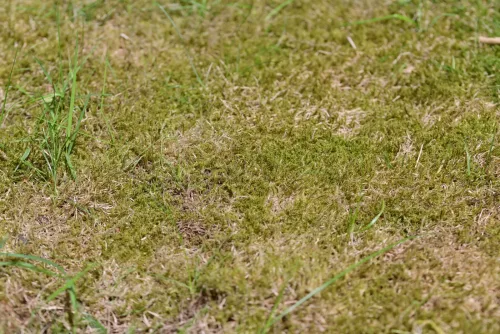
Moss in the lawn is usually a symptom of shade, compaction, dampness or weak nutrition, not just acidic soil. Liming without a soil test can be ineffective and, in excess, may reduce fruit quality by upsetting nutrient uptake.
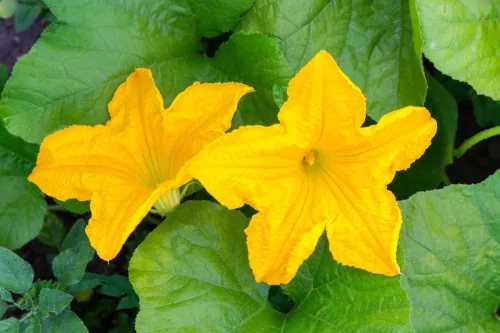
Zucchini often produces plenty of leaves and flowers, yet the fruits fail to develop. Learn the most common causes and four practical steps to improve pollination and boost your harvest.
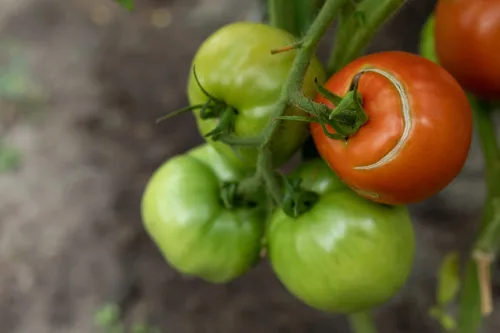
In hot weather, tomatoes often split not from disease but from uneven watering and heat stress. With deep, consistent watering, light shading and a good mulch layer, you can keep fruit firm and intact.
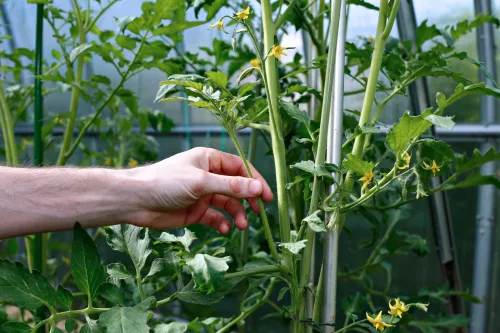
For tall, indeterminate tomatoes, removing suckers is key to bigger, sweeter fruit and healthier plants. But timing matters—doing it in the evening can leave larger, wetter wounds that invite disease.
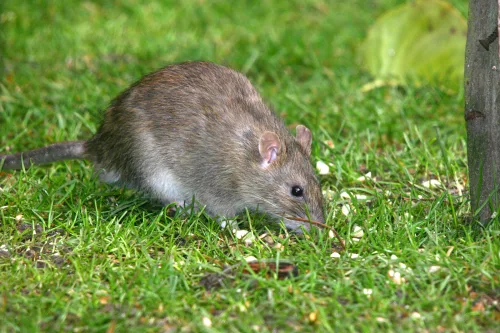
As warm weather arrives, rats spread quickly and young animals start searching for new shelter. A simple daily routine of brief, regular noise plus smarter bin placement can make your garden far less appealing—without poison.
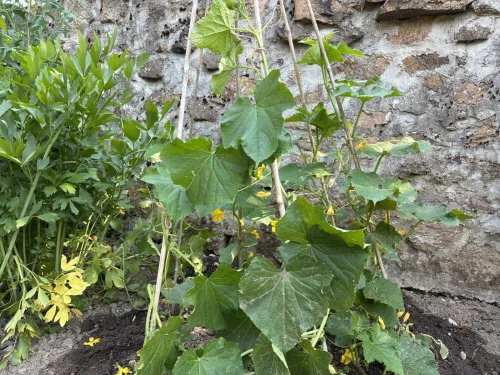
Cucumbers respond quickly to care errors, and inconsistent watering is one of the fastest ways to reduce yield and fruit quality. Get the basics right: a warm, sunny site, steady moisture, balanced feeding and gentle, frequent harvesting.
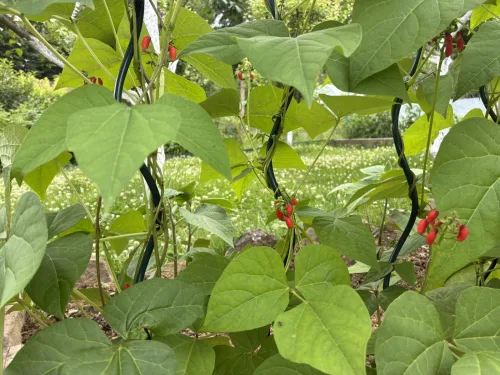
Runner beans are easy to grow and highly productive, but a few common missteps can cut your harvest short. Get the basics right—warm soil, sturdy supports, steady moisture and frequent picking—for weeks of tender pods.
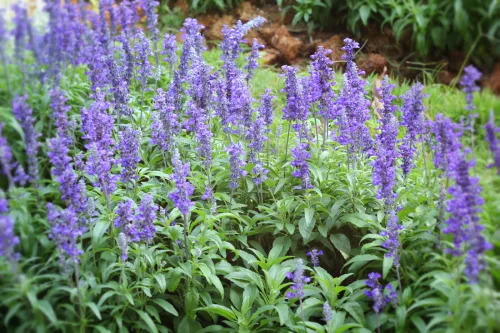
Even if your garden is hot and dry, windy, or persistently damp, you can still grow great herbs. The key is choosing species that naturally suit your site rather than fighting the conditions.
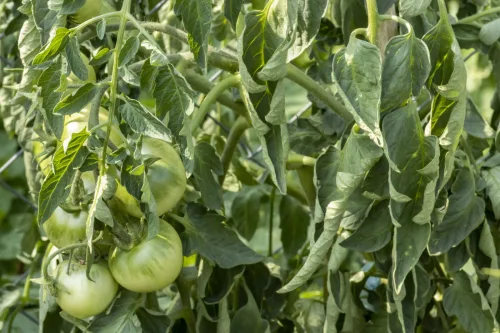
Leaf curl on tomatoes often looks dramatic, but it’s frequently a simple stress response to heat, watering swings, or heavy-handed pruning. Still, in some cases it can signal herbicide drift, pests, or serious disease.
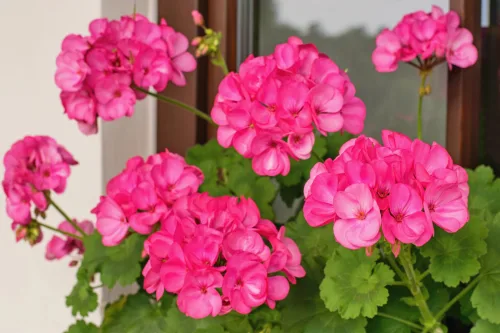
If your geraniums start to pale and slow down in midsummer, it’s usually heat stress plus depleted nutrients. A gentle July tidy-up and a switch to bloom-focused feeding can quickly bring them back into flower.
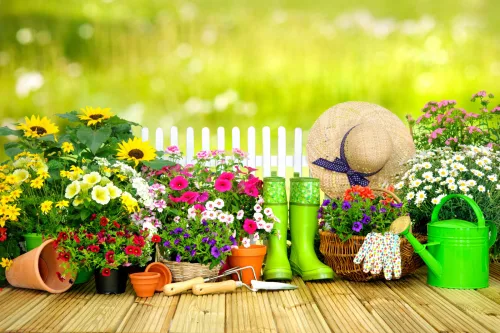
Gardening in extreme heat can catch you out surprisingly fast. Learn when to work, how to hydrate and cool down, and the warning signs that mean it’s time to stop.
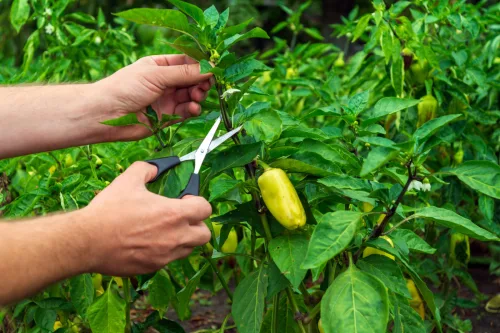
Pepper plants produce side shoots that drain energy and reduce fruit size. With simple, regular pruning and an easy homemade feed, you can boost set, improve quality, and keep plants productive all season.
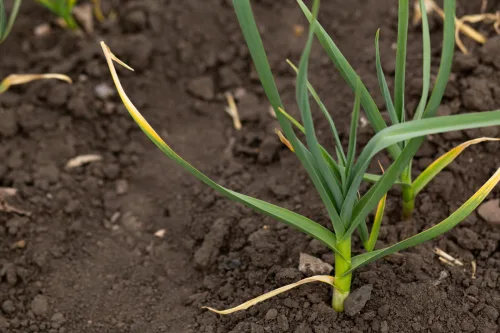
Yellowing garlic leaves aren’t always a problem. Learn when it’s a normal sign of ripening, how to judge harvest timing by variety, and how to lift and cure bulbs for the longest storage.

Got a spot that bakes in sun from morning to night? These tough, sun-loving plants cope well with heat and dry soil, and many will reward you with long flowering and reliable ground cover.
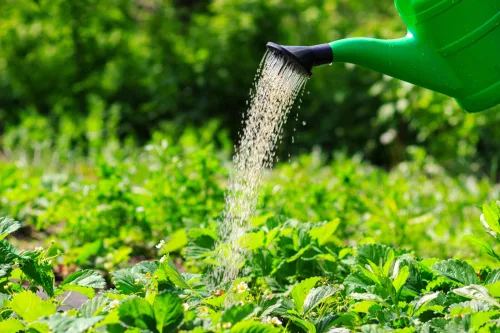
In scorching heat, timing your watering is about getting moisture down to the roots before it evaporates. Early morning is best, but if plants are wilting, watering immediately matters more than the perfect hour.
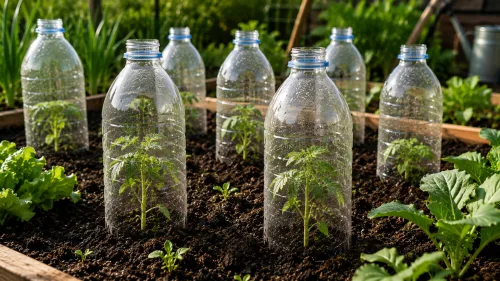
Spring planting can swing from sunshine to cold winds and overnight frosts in a matter of days. A simple clear plastic bottle can act as a mini greenhouse, giving young seedlings a steadier microclimate and extra protection right where they need it most.
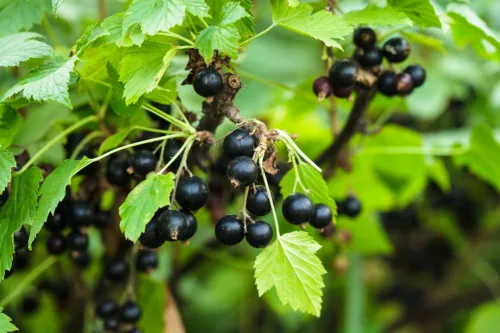
Juicy, pleasantly tart currants are versatile in the kitchen and easy to grow. With sensible pruning and feeding, they’ll reward you with heavy crops for many years.
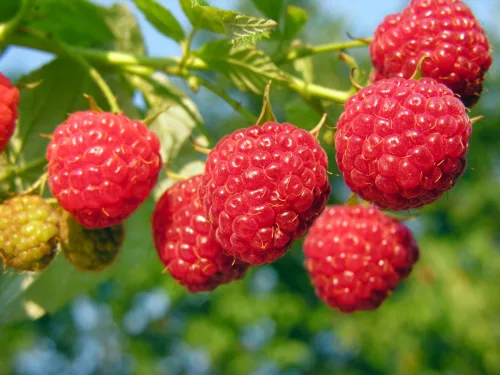
It’s surprisingly easy to lose part of your raspberry and soft-fruit crop through avoidable mistakes. Correct pruning, cane management, soil care and regular in-season checks can dramatically improve vigour and yields within a few years.
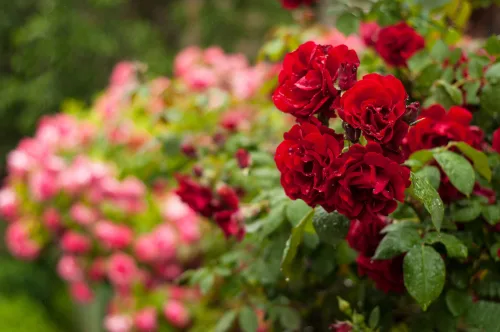
When the first flush fades, roses aren’t finished—they’re regrouping. With timely deadheading, a proper summer prune, and the right watering and feeding, you can trigger a strong second wave of flowers and keep bushes healthier.
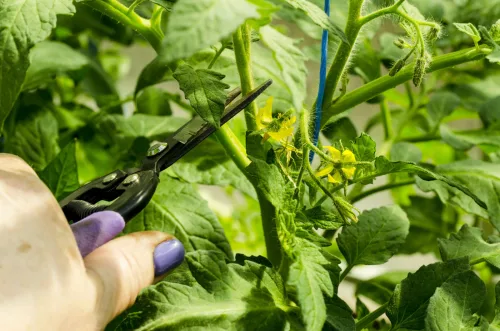
Watering and feeding aren’t enough for a heavy tomato crop in midsummer. July pruning helps channel energy into fruit, improves airflow, and reduces disease pressure.
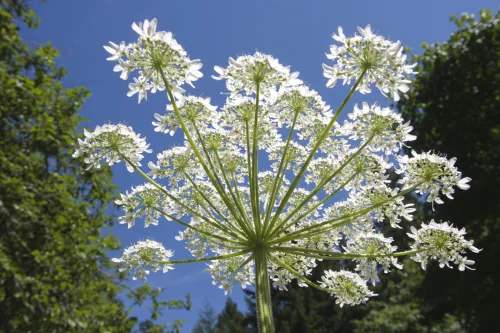
Giant hogweed is one of the most dangerous invasive plants, spreading fast and suppressing everything around it. In June the risk rises, and if it turns up on your land, reporting and prompt control can help you avoid penalties.
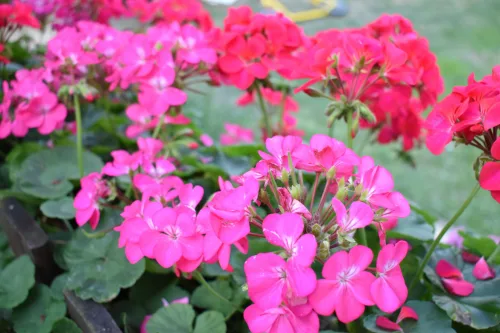
Geraniums bloom their best when a few simple care steps work together. Give them plenty of light, sensible watering, a quality potting mix, and occasional feeding for weeks of colour.
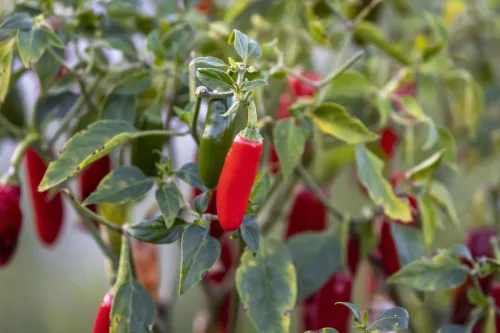
Peppers can be heavy feeders, especially when growth stalls and flowering is slow. These easy organic feeds help strengthen roots, improve fruit set, and support healthier plants without synthetic fertilisers.
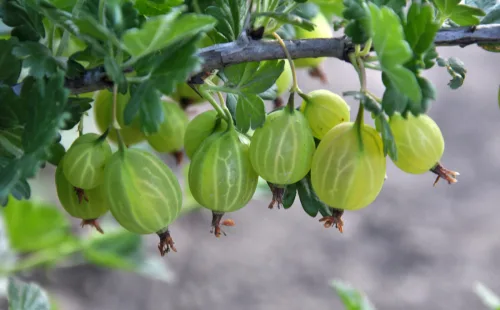
During heatwaves, gooseberries often soften, shrink and drop before they’re fully ripe. Deep watering, temporary shading and keeping the root zone cool help the berries stay firm.
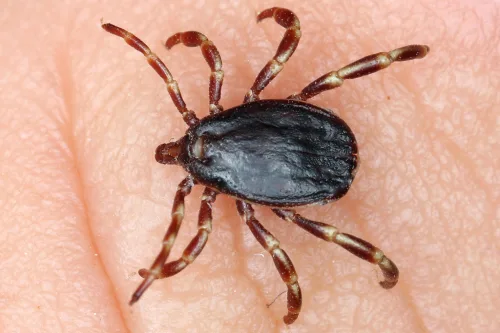
The giant Hyalomma tick has been recorded in the Czech countryside, most often arriving via migratory birds and benefiting from warmer, longer seasons. It’s not a widespread invasion, but it’s worth knowing how to recognise it and how to protect yourself.
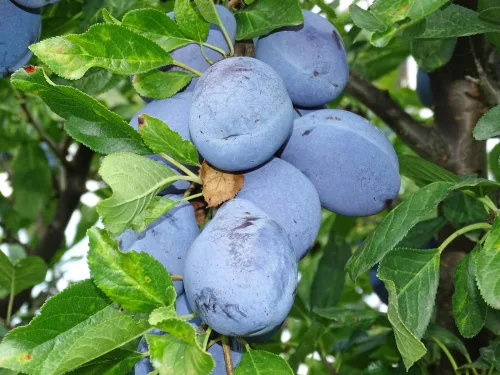
A heavy plum set can quickly be spoiled by plum moth larvae and the brown rot that follows. The key is spotting the right moment to act and keeping strict orchard hygiene.
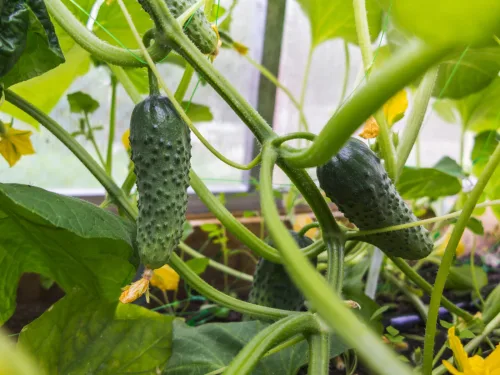
Cucumbers reward steady warmth, moisture and feeding with long, heavy picking. The biggest gains often come from one key moment after planting, when you guide early growth instead of letting the plant fruit too soon.
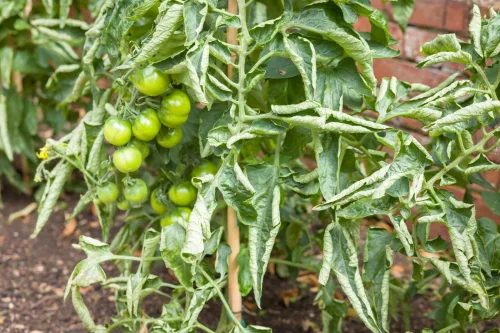
Leaf curl is one of the most common issues when growing tomatoes, and it can have several causes—from heat stress and uneven watering to excess nitrogen, nutrient deficiencies, pests, or disease. The key is to read the pattern of curling and respond quickly with the right fix.
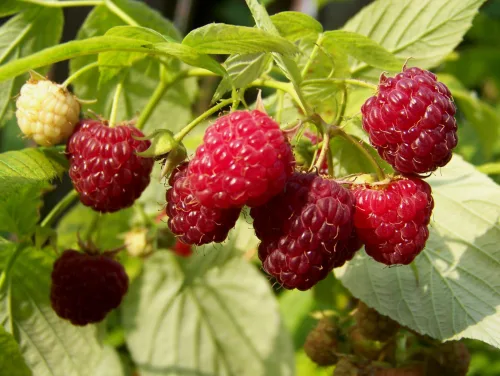
Raspberries are easy to grow at home and can crop for years from a single plant. Follow these six practical tips to boost yield, improve flavour and make harvesting easier.
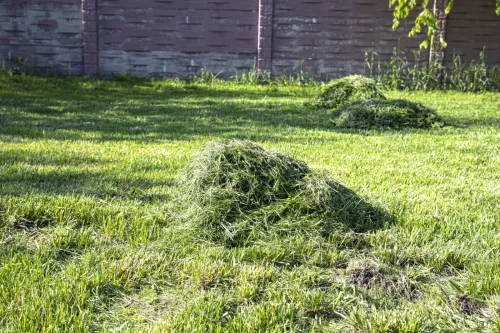
Grass clippings are packed with nutrients and can be reused as lawn feed, compost material, or a quick liquid fertiliser. The key is avoiding thick mats that smother the turf and create bare, brown patches.
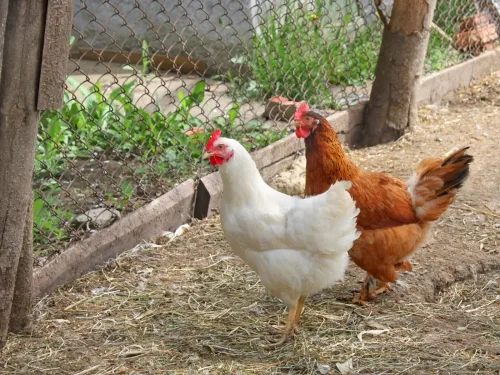
As spring turns to summer, heat and parasites can quickly undermine laying performance and flock health. A few timely coop and run upgrades will keep hens cooler, cleaner, and less stressed through the hottest weeks.
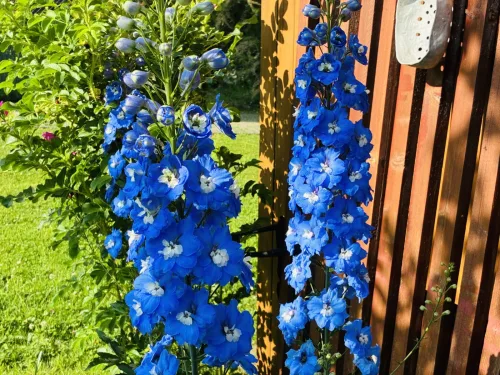
Larkspur brings tall, elegant flower spikes and airy foliage to beds and cottage gardens. Learn the best light, soil, watering and aftercare to keep it flowering strongly and healthy.
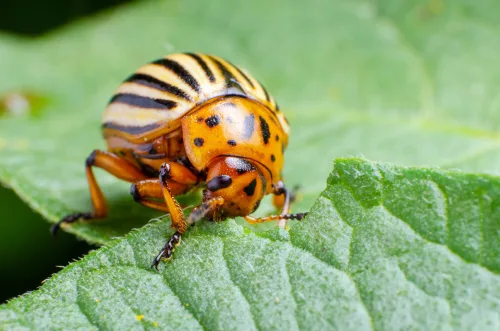
Trap plants lure aphids, bugs and slugs away from your vegetables so you can keep pests contained and often avoid spraying. With good timing and the right choices, they also support beneficial insects and a healthier garden balance.
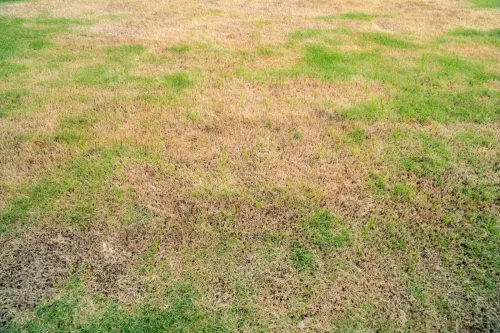
Long dry spells and high temperatures can leave even well-maintained lawns stressed, yellow, and thinning. Microclover is a simple way to thicken turf and improve drought tolerance with less feeding.
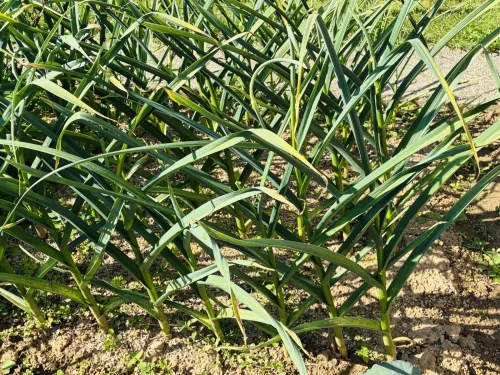
Learn the key signs that garlic is ready to lift, how to cure it for long storage, and why removing scapes on hardneck varieties can help you grow bigger bulbs.
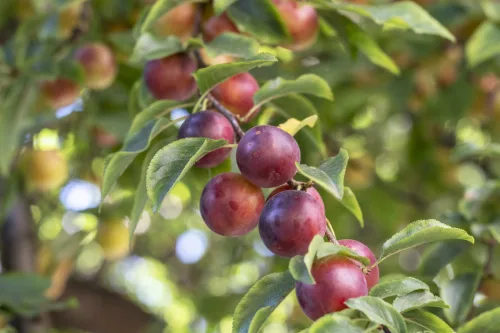
Myrobalan plum, often dismissed as a wilder cousin of the true plum, is making a comeback thanks to its toughness, adaptability and useful fruit. It shines both as a reliable rootstock and as an attractive garden tree with plenty of culinary potential.
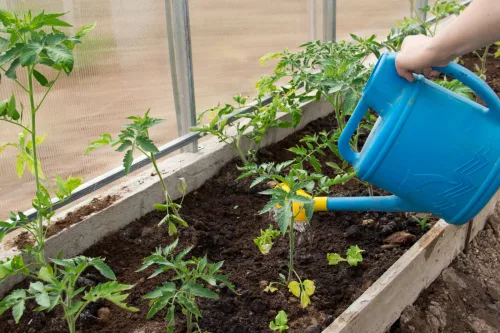
Tomatoes reward steady care with fuller trusses and better flavour. These simple, home-based feeds and practices can support growth, flowering and ripening without relying on shop-bought mixes.
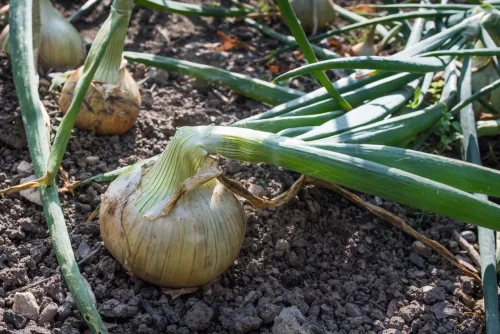
Growing truly large, healthy onions takes more than luck. With the right variety, full sun, balanced feeding, and careful watering, you can harvest impressively big bulbs even in a home bed.
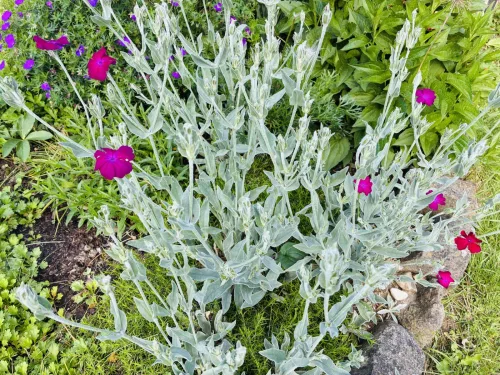
Rose campion is a striking, silver-leaved perennial that brings vivid pink colour in mid to late summer and often returns reliably through self-seeding. Learn how to choose the right site, avoid waterlogged soil, and manage self-sown seedlings to keep it under control.
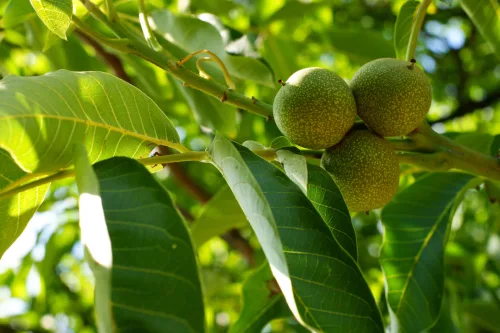
Timing is everything when pruning a mature walnut tree. Learn when to cut, how to protect larger wounds, and when copper or sulfur sprays make the most sense for prevention.
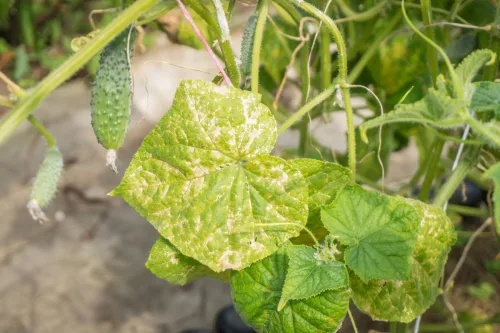
Powdery mildew is one of the most common cucumber diseases and it can quickly cut your harvest back in late summer. With good spacing, smart watering, and timely treatments, you can slow it down and keep plants cropping for longer.
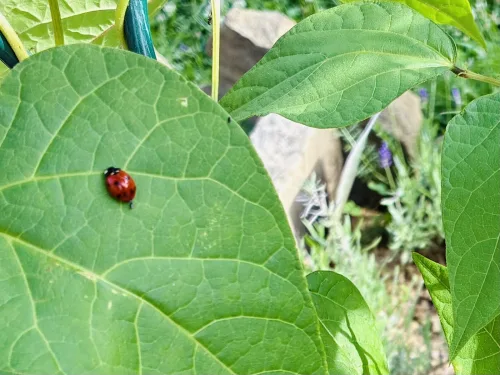
Ladybirds go through complete metamorphosis, and their larvae are often even more effective aphid hunters than the adults. Learn how to recognise eggs, larvae, pupae and beetles so you protect allies rather than mistake them for pests.
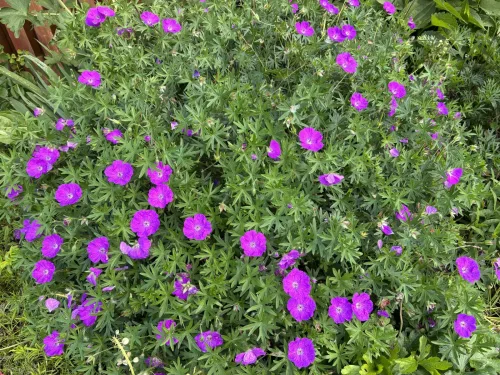
Hardy geraniums are dependable perennials that fit almost any garden style and site. With the right species, they’ll cover bare ground, suppress weeds, and flower generously from sun to shade.
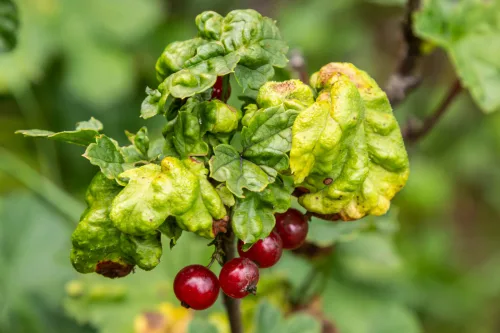
Many growers swear by a simple B-complex tablet solution as a quick, low-cost first aid for aphids on roses, currants, and balcony plants. Used early and repeated, it can help knock back infestations without reaching for stronger products right away.
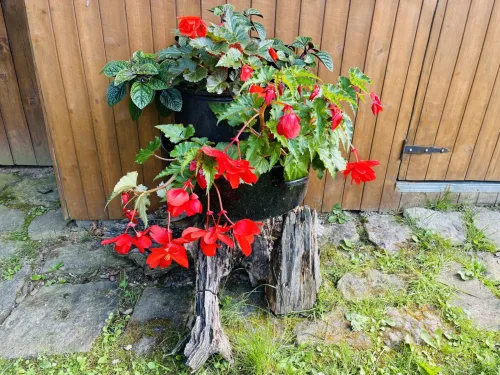
Begonias can flower continuously from early summer until the first frosts, but they only perform at their best with the right light, watering routine and feeding. Learn how to grow tuberous and semperflorens begonias in pots, baskets and beds, and how to overwinter and propagate them successfully.
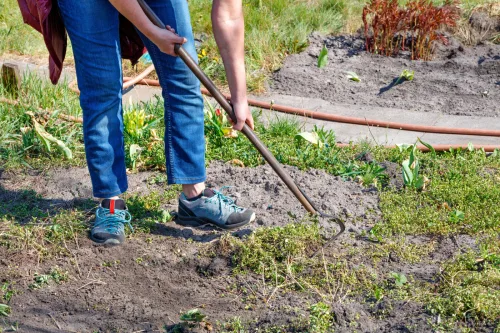
Weeds show up in almost every garden sooner or later, but not all of them are purely a nuisance. Learn when a few wild plants can actually be useful—and when removing them promptly is the smarter choice.
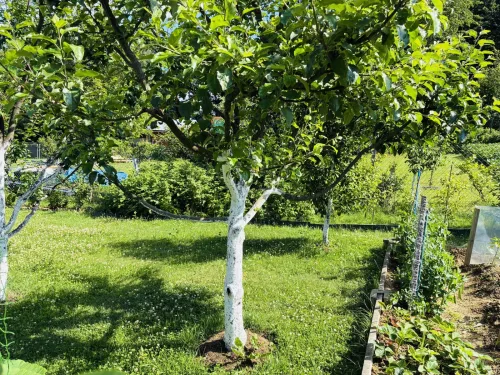
A well-chosen mulch keeps moisture in the root zone, suppresses weeds, and gradually improves soil health. Learn which materials to use, when to apply them, and how to avoid the most common mistakes.
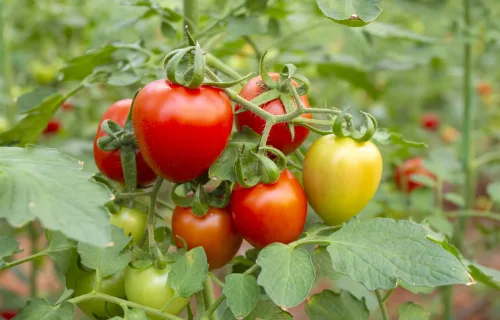
A simple yeast-based feed can strengthen cucumbers and tomatoes, helping plants stay vigorous, crop more reliably, and cope better with disease pressure. Here is how to mix it, dilute it, and use it as both a soil drench and a gentle foliar spray.
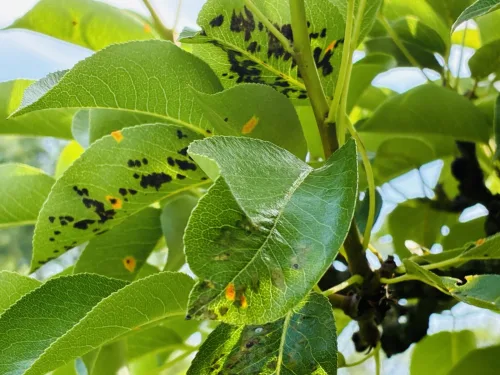
Pear rust is a fungal disease that needs both pear and juniper to complete its life cycle. Learn how to recognise the tell-tale orange leaf spots and what practical, non-chemical steps help reduce reinfection.