
 English
  Polski
  Deutsch
  Nederlands
  Svenska
  Norsk
Norsk  Dansk
Dansk  Français
  Italiano
  Español
  Português
  Slovenčina
  Suomi
Suomi  Gaeilge
 Plastic Bottles as Mini Greenhouses for Any Weather and Strong Seedlings
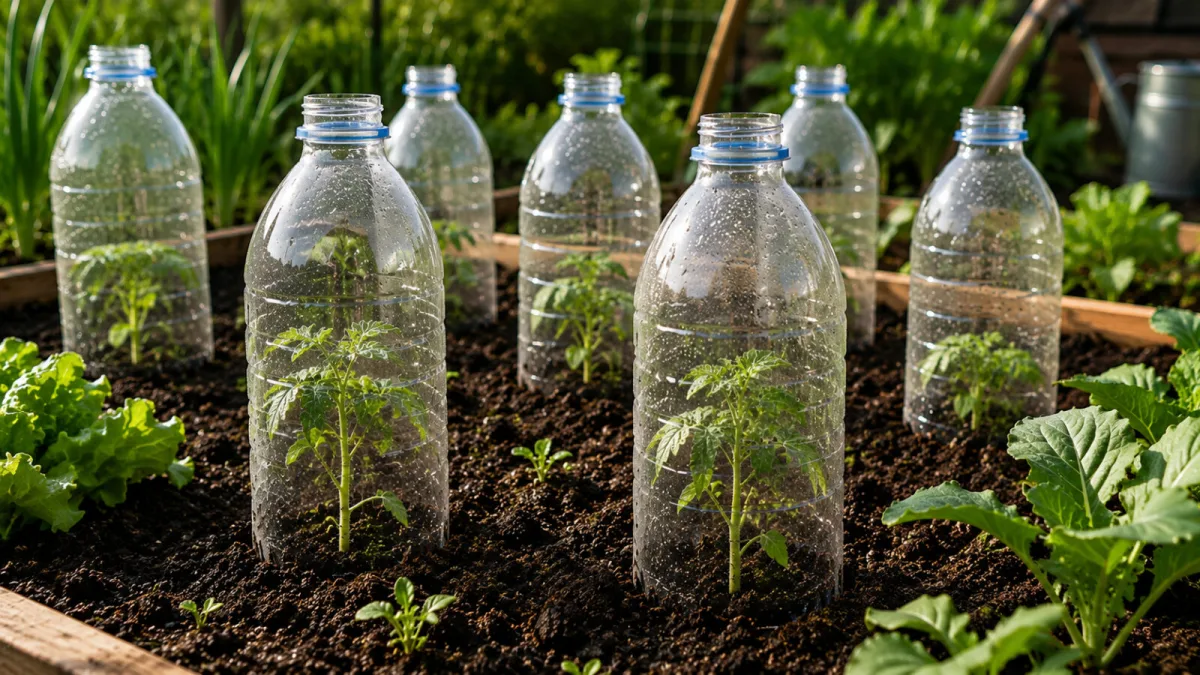
Spring planting can feel like a gamble. One day it’s sunny, the next there’s a cold wind, ground frosts, or relentless rain. Young seedlings are at their most vulnerable at this stage: they have delicate leaves, a weaker root system, and any stress can easily slow their growth. Yet there’s a surprisingly effective trick that costs next to nothing and you probably already have at home. Plastic bottles can be turned into mini greenhouses that give seedlings a more stable microclimate and protection exactly where it matters most.
Why a plastic bottle works as a mini greenhouse
The principle is simple: clear plastic lets light through, and the air and soil inside warm up faster. This creates a little “room” with a higher temperature and smaller swings between day and night. The bottle also buffers wind, which would otherwise dry out and chill seedlings. And last but not least, it forms a physical barrier against pests that love to snack on young plants.
A bottle mini greenhouse isn’t just about warmth, but above all about stability. Seedlings suffer less shock and get into active growth faster.
How to prepare a bottle mini greenhouse step by step
Choose a clean, clear bottle, ideally 1.5 to 2 litres. For very small seedlings, a smaller one can be enough. With a sharp knife or scissors, cut the bottle roughly in half to create a “cap.” You can use the bottom section as a simple watering tray, but most often it’s the top part that’s used, placed over the plant.
It’s important that the bottle’s edge can be pushed slightly into the soil. This stabilises the cover so wind won’t knock it over, and it also reduces the flow of cold air inside. If the bottle has a cap, leave it loosened at first or remove it completely so excess humidity and heat can escape. Ventilation is crucial on warm days, otherwise the bottle can become too hot.
When this trick is most valuable
Bottle mini greenhouses are most useful early in the season, when nights are still cold but days are already sunny. They’re ideal after planting out, when seedlings are only just adapting to new conditions. They’re also excellent for growing leafy greens such as pak choi, lettuces, or young cabbage, which appreciate protection from wind and sharp temperature swings. You can also use them for more heat-loving plants if you’re planting earlier and need to help them through a risky spell.
Pest protection without chemicals
A big advantage is mechanical protection. A bottle can limit access for slugs, small beetles, and some caterpillars, which often start on the very youngest leaves. It’s not a 100% solution, because some pests can get in via the soil or through gaps, but in practice it significantly reduces damage in the first few weeks. At the same time, you’re not disturbing the garden’s balance with chemical sprays.
What to watch out for so the mini greenhouse doesn’t work against you
The most common mistake is overheating. If the bottle sits in full sun without ventilation, the temperature inside can rise quickly and seedlings can literally cook or start to wilt. That’s why it’s best to vent via the cap, or lift the bottle during the hottest part of the day. The second risk is excessive moisture and condensation, which can encourage fungal problems. Ventilation helps, as does watering directly at the roots rather than over the leaves.
Also think about space. As soon as the seedling grows and the leaves start touching the sides of the bottle, it’s time to use a larger cover or remove it. Compressed leaves are more easily damaged, can rot, and the plant may become misshapen.
Tips for smarter use in practice
If windy weather is expected, you can weigh down the bottle’s edge with soil or a small stone from the outside. On cold nights, it’s worth placing the bottle on in the evening and, in the morning as soon as it warms up, letting in fresh air. During prolonged rain, the bottle partly helps prevent soil splashing onto the leaves, but also check that it isn’t staying too damp inside. Think of the mini greenhouse as temporary support, not a permanent “wrapping” for the plant.
Recycling that makes sense, even in a small garden
Using plastic bottles as mini greenhouses is a practical blend of sustainability and gardening know-how. What would be waste becomes a tool that improves seedling establishment, reduces weather and pest damage, and often speeds up growth. It only takes a few minutes of work and a feel for ventilation. If you’re looking for a simple way to give young plants a head start, a plastic bottle is a small trick with a surprisingly big effect.
Source: Home Decor Ideas, Dream’s time, Pestrazahrada.cz

A lover of nature, gardens, and everything that moves, blooms, or grows. He literally grows everything, from herbs to rare species, and he enjoys caring for animals just as much. In his work, he connects modern technology with tried-and-tested grandmotherly methods and is happy when both paths lead to the same goal.
Related articles
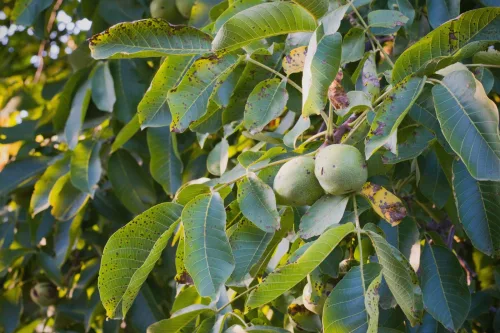
Why the Tree That Feeds a Family for Generations Is Disappearing from Czech Gardens
The English walnut used to be a staple of larger gardens and farmyards, valued for its nutritious nuts and many practical uses. With the right site and variety, it remains one of the most rewarding long-lived trees you can plant.
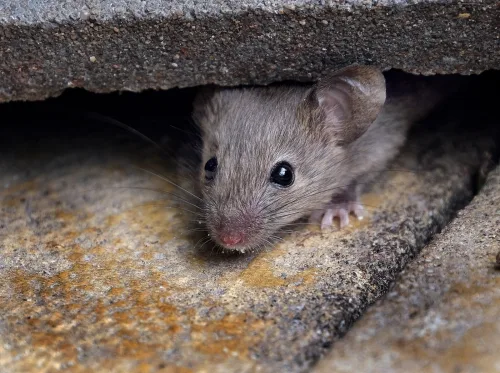
How to Get Rid of Mice and Rats in the House, Loft and Garden Effectively
Mice and rats don’t leave quietly—scratching sounds, droppings and gnaw marks are clear warnings. A lasting solution comes down to three steps: block entry points, remove food sources, then use traps or professional control.
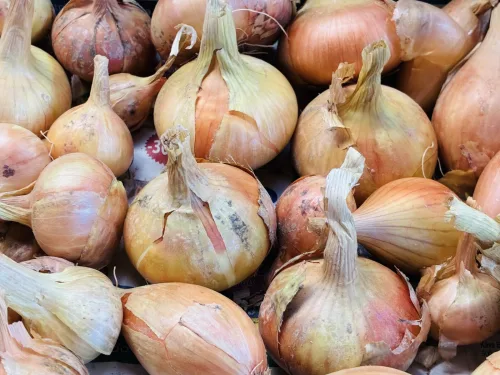
Two Mistakes When Harvesting Onions Can Cut Your Supply by Months
With good growing and the right handling, onions can turn into a near year-round pantry staple. These simple harvest and curing steps determine whether they keep for weeks or for months.
Comments (0)
Be the first to comment.