
 English
  Polski
  Deutsch
  Nederlands
  Svenska
  Norsk
Norsk  Dansk
Dansk  Français
  Italiano
  Español
  Português
  Slovenčina
  Suomi
Suomi  Gaeilge
 When to Water the Garden in a Heatwave So Plants Can Cope with Extreme Temperatures
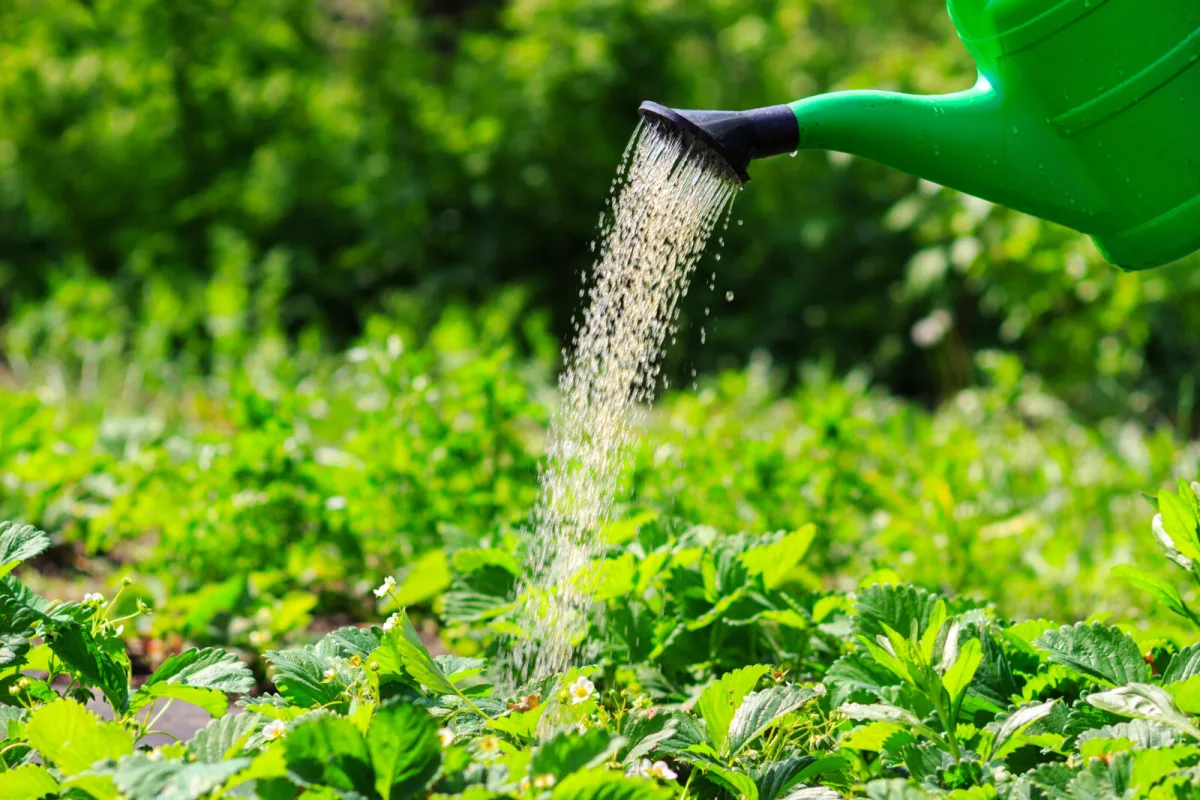
When weather maps darken into deep reds, it’s not only people who suffer, but beds, lawns, shrubs and container plants too. During oppressive heat, the practical question comes up more and more often: when is the best time to water so the moisture doesn’t vanish before it reaches the roots? While common advice often mentions morning or evening, in extreme temperatures it pays to look at the issue mainly through the lens of efficiency and water availability for the plant.
Early morning, before the soil heats up, is the most suitable time
Gardening expert Ishmael Kamran points out that during heatwaves it’s crucial to supply moisture when the soil is only just beginning to warm. In his view, the most sensible approach is to water very early in the morning and not skimp on the amount. A light sprinkle in hot weather isn’t enough, because water from the top layer evaporates very quickly and only a small amount makes it down to the roots.
The point of morning watering is to get moisture deeper into the soil, where it will last longer and the plant can draw on it during the hottest part of the day. Respected horticultural institutions see it similarly, stressing that an early soak helps plants prepare for the day’s temperature peak while also reducing losses to evaporation.
In practice, the ideal window is usually between five and nine
A reasonable compromise is often considered to be watering in the early morning hours, roughly between five and nine. Plants get moisture before the heat sets in, and the foliage has time to dry during the day. This is especially important in denser plantings, where persistently wet leaves make fungal diseases more likely.
The myth about midday watering and what to do when plants are wilting
Kamran also reminds us that in extreme heat it’s not wise to stick to rules at all costs. You often hear that watering during the day harms plants, but in practice, waiting can be the bigger problem. When you can see wilting, loss of turgor or drooping tips, the plant is already signalling an acute lack of water.
If a plant is clearly suffering, it’s better to water right away than to wait for the perfect hour. In heat, the biggest enemy is lack of water.
In that situation, it makes sense to top up moisture even in the middle of the day, but it’s best to water directly to the roots and try to prevent the water from running off across the surface. For sensitive plants, shading or temporary protection from sun can help too, but the key is making sure the water actually reaches the root zone.
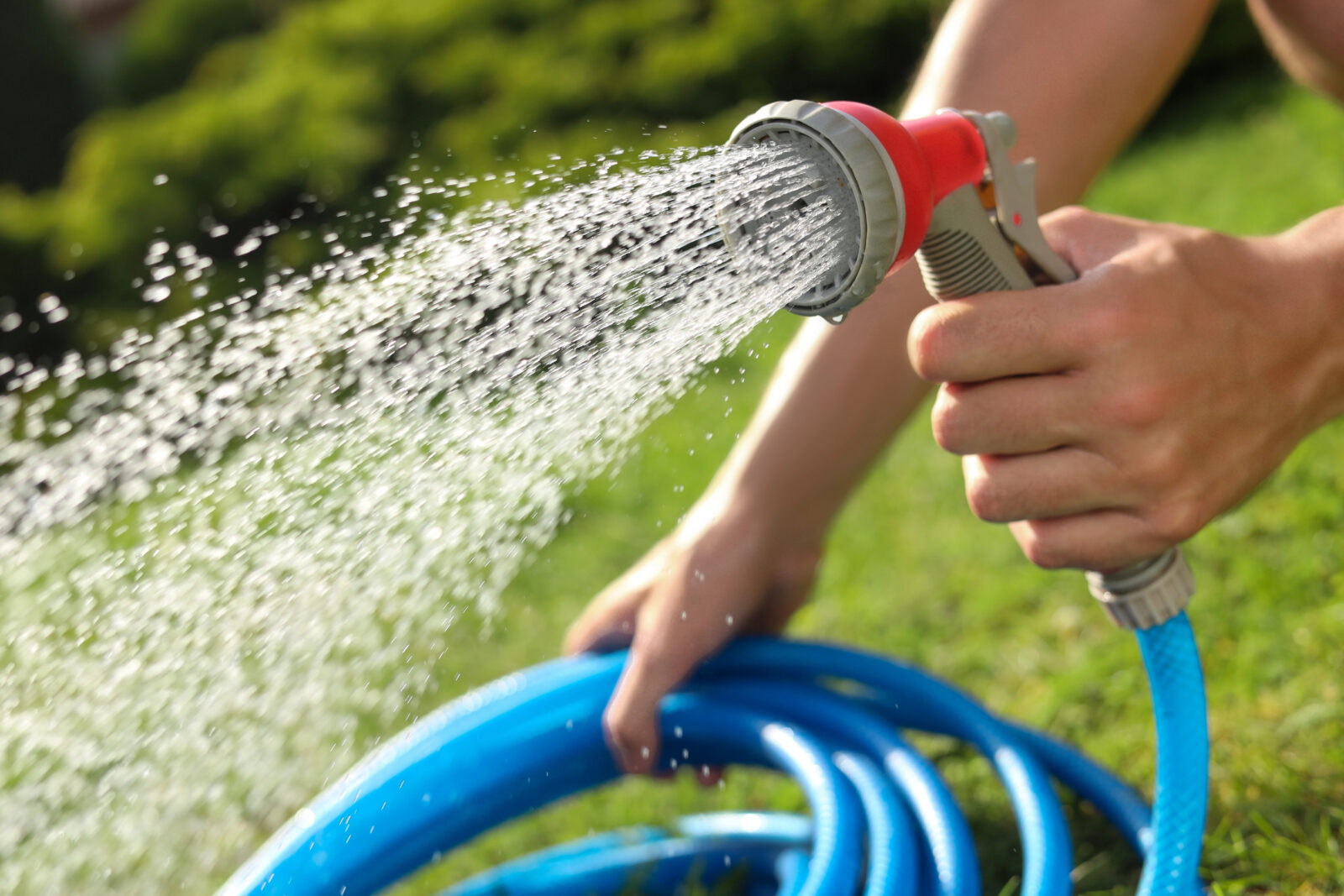
How to reduce evaporation and keep the soil cooler
Alongside the timing of watering itself, protecting the soil also plays a major role. One of the simplest steps is to use mulch, such as wood chips or well-rotted compost. A layer on the surface acts as insulation, slows evaporation and helps keep the temperature in the root area more stable. As a result, plants cope better with swings, and water stays available in the soil for longer.
Mulch is especially useful in beds exposed to full sun all day, and around new plantings that don’t yet have a deep root system. Used correctly, it also improves soil structure and, over time, supports the soil’s ability to hold onto moisture.
In extreme temperatures, it’s better not to prune or remove spent flowers
On hot days, it’s recommended to limit interventions that unnecessarily burden the plant. Kamran warns against pruning, shaping and even deadheading at a time when temperatures are consistently climbing into extremes. Every such intervention is a stress, and the plant then needs ideal conditions to recover, above all plenty of water.
If temperatures stay above roughly 35 °C for an extended period, it’s sensible to focus more on a steady supply of moisture and protecting the soil than on cosmetic maintenance. In practice, experts agree that on days like these the biggest risk isn’t choosing the “wrong” hour to water, but simply that plants don’t get water in time. When wilting appears, delaying can mean permanent damage, so it’s better to act immediately and water in a way that gets moisture as deep as possible down to the roots.
Source: Gardening Know How, To je nápad, Pestrazahrada.cz

A lover of nature, gardens, and everything that moves, blooms, or grows. He literally grows everything, from herbs to rare species, and he enjoys caring for animals just as much. In his work, he connects modern technology with tried-and-tested grandmotherly methods and is happy when both paths lead to the same goal.
Related articles
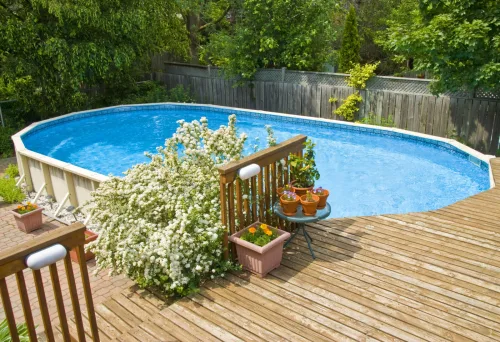
How to Keep Your Pool Sparkling Clean Without Unnecessary Effort or Stress
Keeping pool water crystal clear doesn’t have to be hard work. With a simple daily-and-weekly routine, you’ll prevent cloudiness, algae and breakdowns before they start.
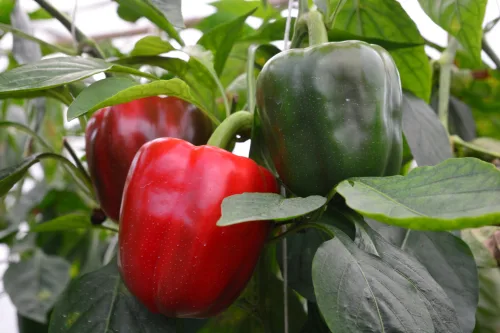
A Simple Trick for a Bigger Pepper Harvest and Faster Ripening
Regular watering and feeding aren’t always enough for a heavy pepper crop. Pinching out the growing tips redirects the plant’s energy into branching, flowering, and ripening fruit faster.
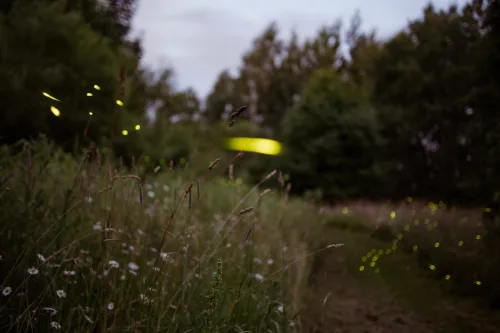
Fireflies are disappearing from the landscape, learn how to create a safe garden home
Warm summer nights are even more magical when fireflies start flashing at dusk—but their numbers are falling. With a few simple changes to mowing, planting, lighting and chemical use, your garden can become a safe refuge again.
Comments (0)
Be the first to comment.