How to Keep Your Pool Sparkling Clean Without Unnecessary Effort or Stress
Keeping pool water crystal clear doesn’t have to be hard work. With a simple daily-and-weekly routine, you’ll prevent cloudiness, algae and breakdowns before they start.
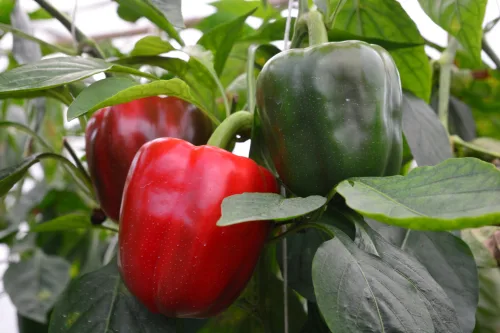
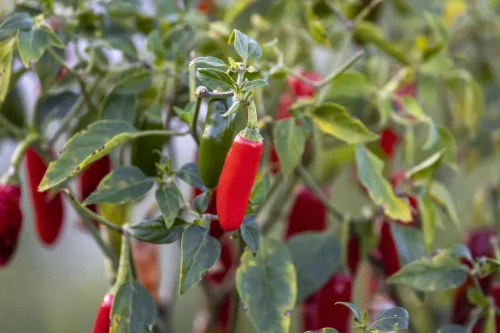
Regular watering and feeding aren’t always enough for a heavy pepper crop. Pinching out the growing tips redirects the plant’s energy into branching, flowering, and ripening fruit faster.
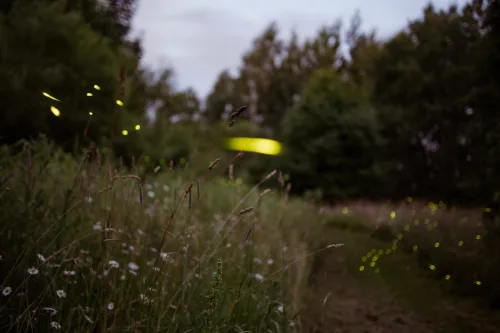
Warm summer nights are even more magical when fireflies start flashing at dusk—but their numbers are falling. With a few simple changes to mowing, planting, lighting and chemical use, your garden can become a safe refuge again.
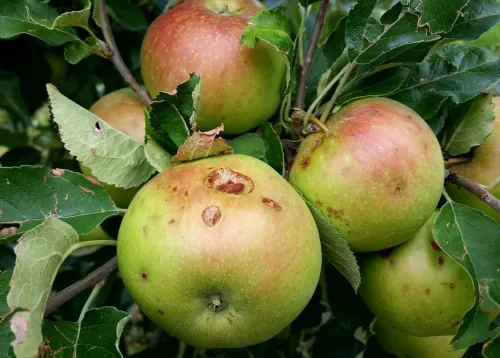
Wormy apples in summer don’t have to be a given. As the second generation of codling moth takes flight, timely monitoring and well-timed treatment can protect a large share of the crop without spraying unnecessarily.
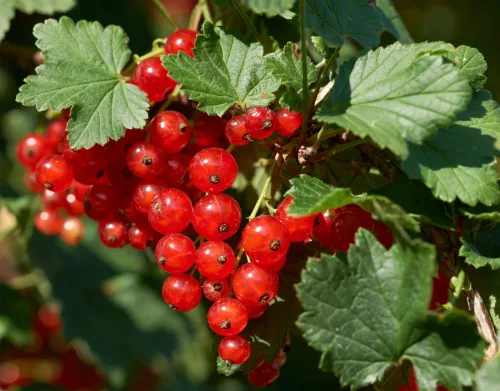
Once you’ve found a currant variety that crops reliably and tastes great, it’s worth multiplying it. Early summer is ideal for taking softwood cuttings and raising a few new plants for your garden or family.
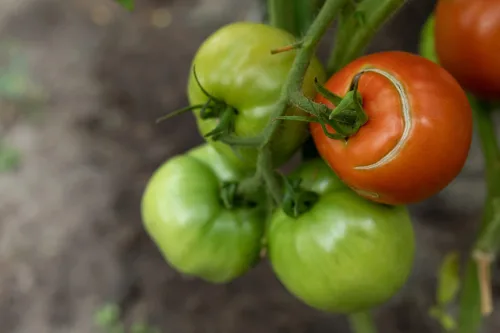
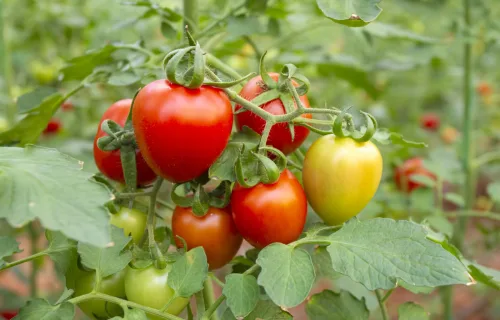
In hot weather, tomatoes often split not from disease but from uneven watering and heat stress. With deep, consistent watering, light shading and a good mulch layer, you can keep fruit firm and intact.
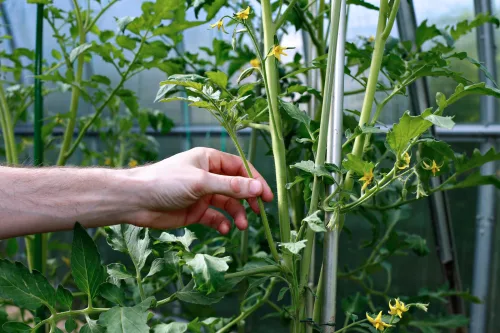
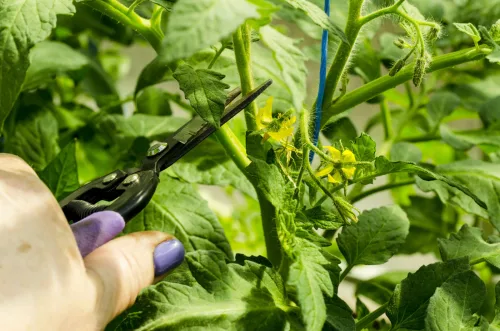
For tall, indeterminate tomatoes, removing suckers is key to bigger, sweeter fruit and healthier plants. But timing matters—doing it in the evening can leave larger, wetter wounds that invite disease.
Gardening in extreme heat can catch you out surprisingly fast. Learn when to work, how to hydrate and cool down, and the warning signs that mean it’s time to stop.
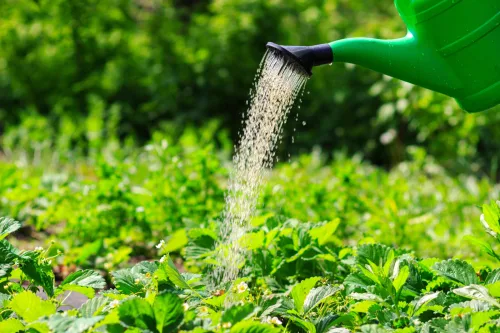
In scorching heat, timing your watering is about getting moisture down to the roots before it evaporates. Early morning is best, but if plants are wilting, watering immediately matters more than the perfect hour.
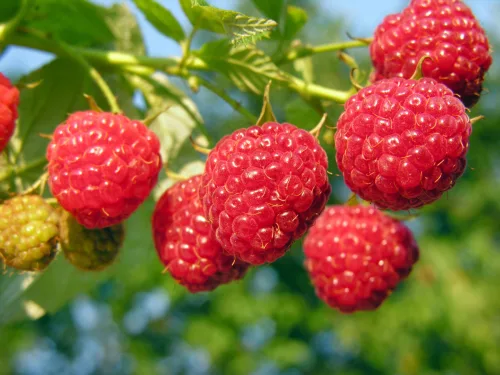
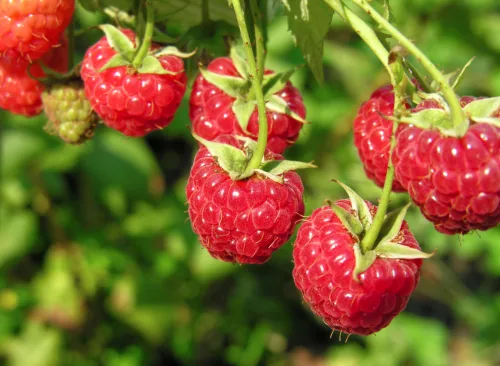
It’s surprisingly easy to lose part of your raspberry and soft-fruit crop through avoidable mistakes. Correct pruning, cane management, soil care and regular in-season checks can dramatically improve vigour and yields within a few years.
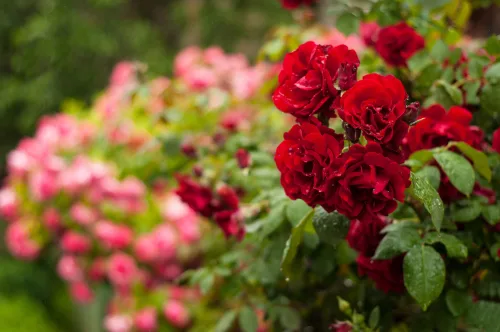
When the first flush fades, roses aren’t finished—they’re regrouping. With timely deadheading, a proper summer prune, and the right watering and feeding, you can trigger a strong second wave of flowers and keep bushes healthier.
Watering and feeding aren’t enough for a heavy tomato crop in midsummer. July pruning helps channel energy into fruit, improves airflow, and reduces disease pressure.
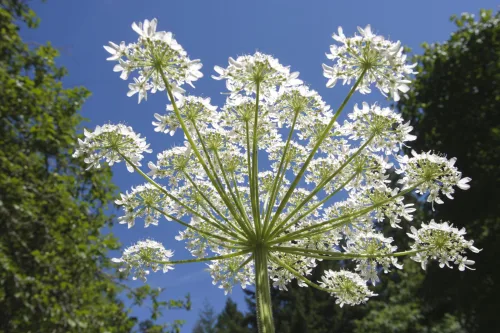
Giant hogweed is one of the most dangerous invasive plants, spreading fast and suppressing everything around it. In June the risk rises, and if it turns up on your land, reporting and prompt control can help you avoid penalties.
Peppers can be heavy feeders, especially when growth stalls and flowering is slow. These easy organic feeds help strengthen roots, improve fruit set, and support healthier plants without synthetic fertilisers.
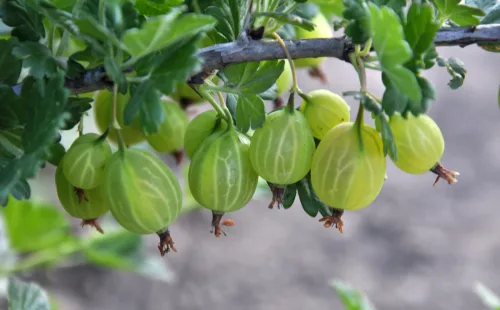
During heatwaves, gooseberries often soften, shrink and drop before they’re fully ripe. Deep watering, temporary shading and keeping the root zone cool help the berries stay firm.
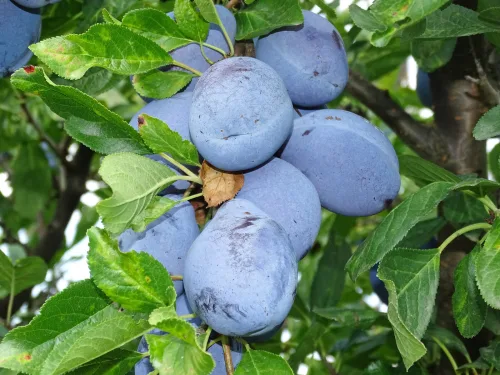
A heavy plum set can quickly be spoiled by plum moth larvae and the brown rot that follows. The key is spotting the right moment to act and keeping strict orchard hygiene.
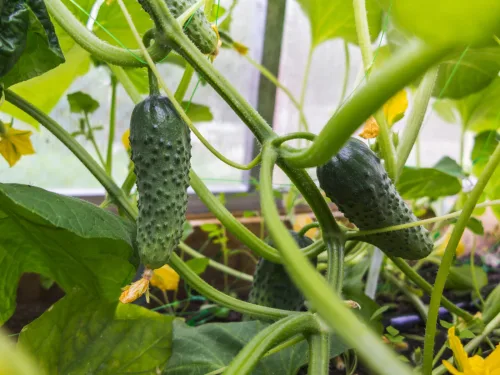
Cucumbers reward steady warmth, moisture and feeding with long, heavy picking. The biggest gains often come from one key moment after planting, when you guide early growth instead of letting the plant fruit too soon.
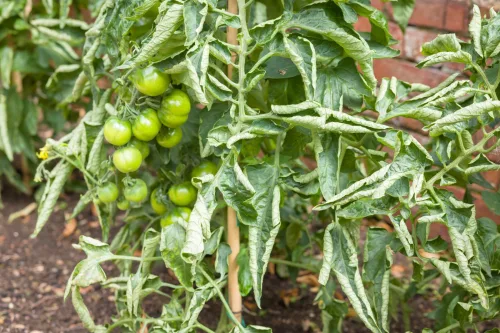
Leaf curl is one of the most common issues when growing tomatoes, and it can have several causes—from heat stress and uneven watering to excess nitrogen, nutrient deficiencies, pests, or disease. The key is to read the pattern of curling and respond quickly with the right fix.
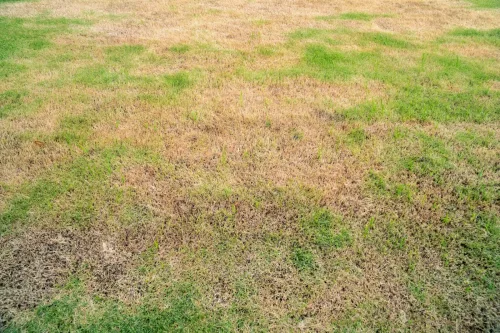
Long dry spells and high temperatures can leave even well-maintained lawns stressed, yellow, and thinning. Microclover is a simple way to thicken turf and improve drought tolerance with less feeding.
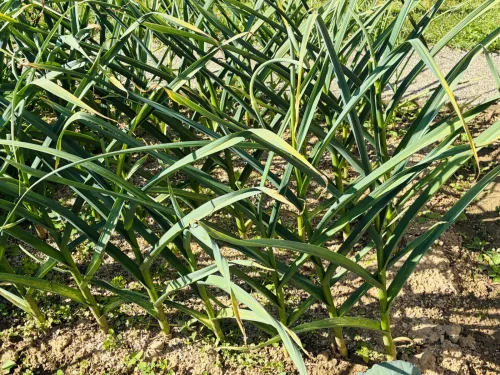
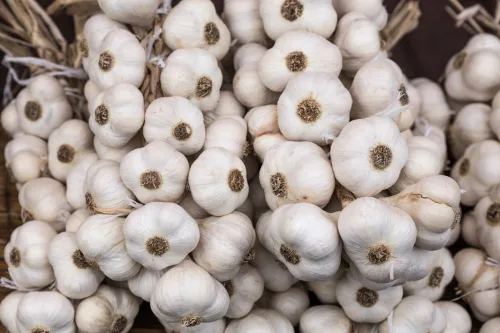
Learn the key signs that garlic is ready to lift, how to cure it for long storage, and why removing scapes on hardneck varieties can help you grow bigger bulbs.
Tomatoes reward steady care with fuller trusses and better flavour. These simple, home-based feeds and practices can support growth, flowering and ripening without relying on shop-bought mixes.
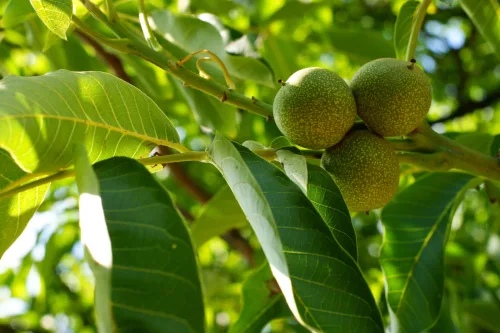
Timing is everything when pruning a mature walnut tree. Learn when to cut, how to protect larger wounds, and when copper or sulfur sprays make the most sense for prevention.
A simple yeast-based feed can strengthen cucumbers and tomatoes, helping plants stay vigorous, crop more reliably, and cope better with disease pressure. Here is how to mix it, dilute it, and use it as both a soil drench and a gentle foliar spray.
The weeks before summer largely decide how many raspberries you’ll pick. Focus on a slightly acidic soil, steady moisture and gentle feeding, and your canes will repay you with stronger growth and heavier crops.
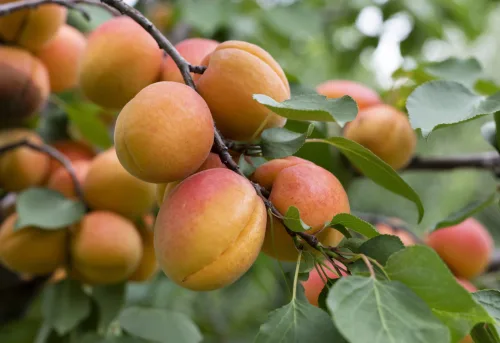
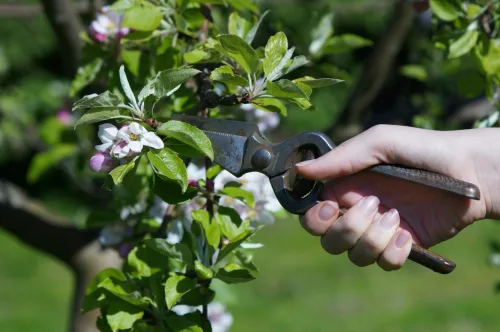
Apricots bloom early and are easily damaged by late spring frosts. A targeted summer cut known as Šitt’s pruning can slightly delay part of the bloom while improving fruiting wood.
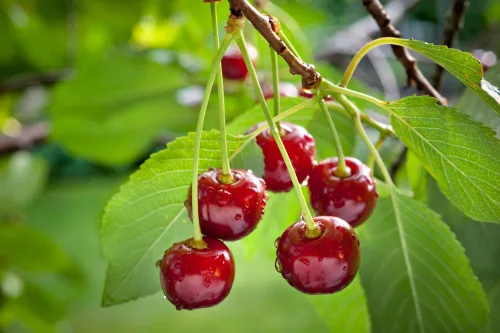
With the right siting, summer pruning after harvest, balanced feeding and smart prevention, cherries can crop reliably year after year. Here’s how to keep the tree healthy, well-lit and properly pollinated for better yields.
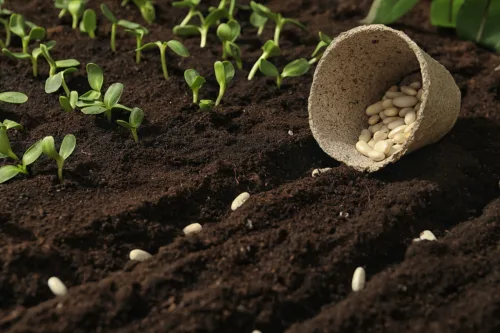
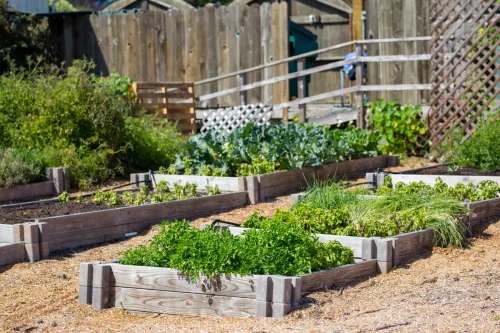
June is far from too late to sow and plant. With warm soil and long days, you can still raise fast vegetables, useful herbs and flowers that will bloom right into autumn.
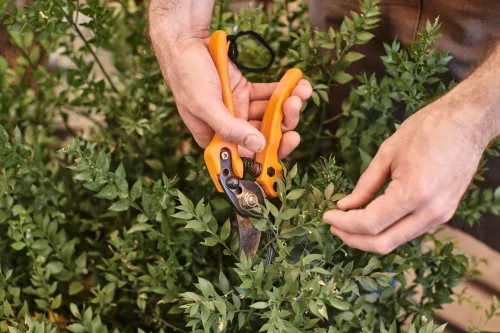
Early summer is a key moment for pruning, but timing matters. Learn what to cut back in June for healthier growth and better flowering, and what to leave alone to avoid losing blooms or disturbing nesting birds.
If you missed early-spring pruning, summer pruning can still help you shape the canopy, keep trees a sensible size, and support reliable cropping. The rules differ between stone fruits and pome fruits, so timing and the amount you remove matter.
Early June is the make-or-break moment for hardneck winter garlic. Removing the flower scapes at the right time helps the plant put its energy into bigger, better bulbs—and the scapes are delicious, too.
June is the month when garden growth accelerates and small mistakes quickly turn into lasting problems. Focus on the few high-impact jobs that protect plants, conserve moisture and keep crops productive.
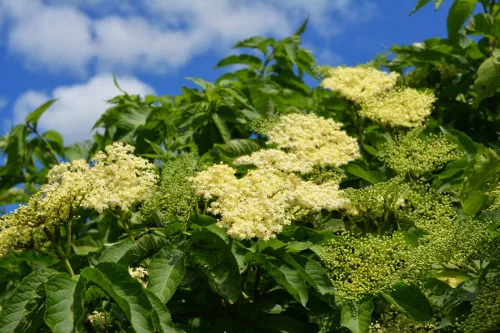
Black elder is a hardy, fast-growing shrub that rewards you with fragrant spring flowers and richly coloured berries later in the season. With the right siting and a simple pruning routine, it’s an easy garden staple for syrups, cordials and preserves.
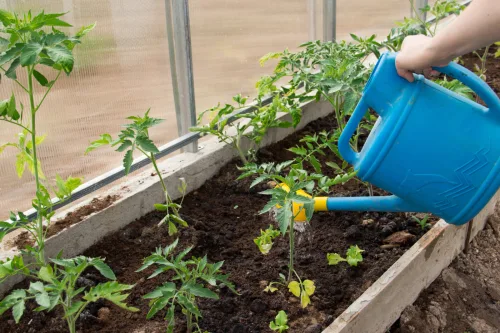
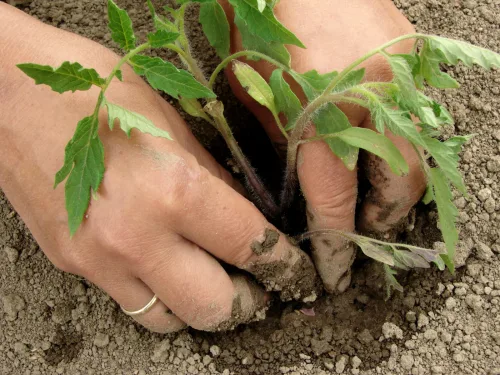
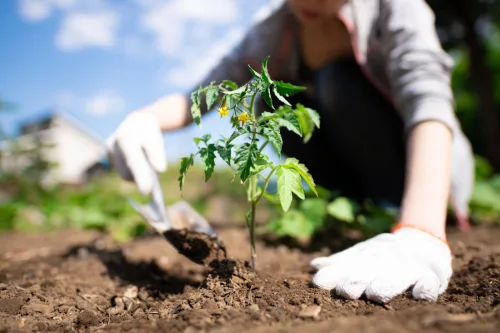
Transplanting tomatoes is all about warmth and timing. Wait until the soil has properly warmed and protect plants from cold, rain, and fungal disease for a strong start.
June is the garden’s busiest month, when rapid growth, flowering and early crops all depend on steady watering, timely pruning and quick pest checks. A few small, regular jobs now will save hours later and boost both blooms and harvests.
One small habit started right after planting can make tomatoes sturdier, healthier, and far more productive. Timely pinching and a bit of leaf cleanup help plants focus energy on flowers and fruit instead of excess growth.