
 English
  Polski
  Deutsch
  Nederlands
  Svenska
  Norsk
Norsk  Dansk
Dansk  Français
  Italiano
  Español
  Português
  Slovenčina
  Suomi
Suomi  Gaeilge
 Larkspur Like a Catalogue Star A Practical Growing Guide for Every Garden
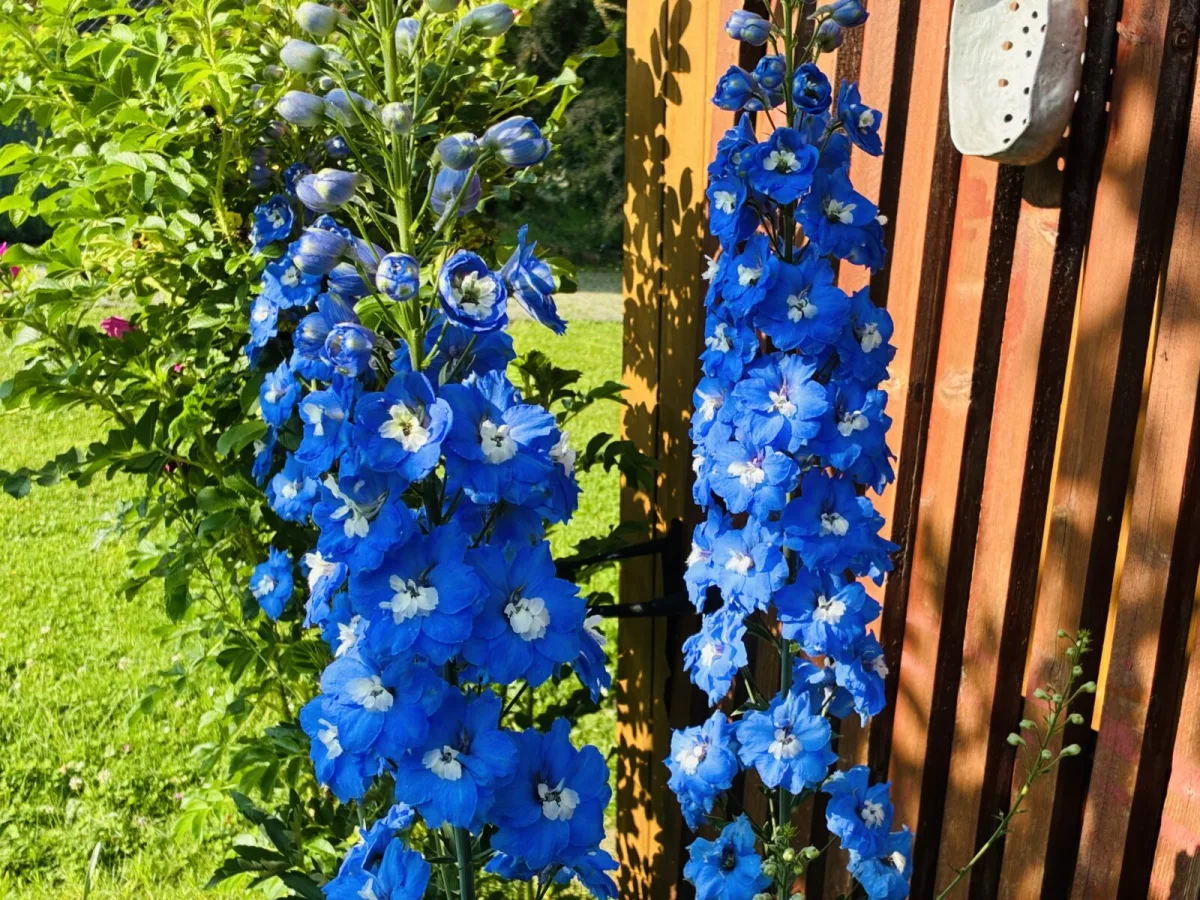
Larkspur is a popular ornamental name used for two closely related plants in the buttercup family. Most often you’ll come across larkspur in the genus Delphinium, and annual larkspur known as Consolida ajacis. At first glance they look very similar: they produce delicate flowers arranged in striking, upright spikes and have decorative, finely cut, lace-like leaves.
Depending on the type, it can be either a perennial or an annual. It most commonly flowers in shades of blue and purple, often white as well, and occasionally you’ll see pink or lavender forms. Larkspur is a traditional plant of cottage and country gardens and is valued for helping attract butterflies and hummingbirds. At the same time, it’s important to know that larkspur is poisonous to people and pets, so choose a safe location.
Basic growing conditions
Position and light
Larkspur does best in full sun. Ideally, choose a spot with roughly six to eight hours of direct light a day. In shade it typically weakens, sets fewer flowers, and can suffer more from disease.
Soil and mulch
It prefers soil that is moist but well-drained. Cooler soil is also beneficial, and a mulch helps by conserving moisture and preventing the roots from overheating. A slightly alkaline soil reaction is often ideal, but the key point is to avoid water sitting around the roots for long periods.
Watering
Water once or twice a week depending on the weather and your soil. For each watering, it’s practical to aim for about 2.5 cm of water—enough for the moisture to reach the roots. Always factor in rainfall and don’t water if the soil is already wet enough. Constantly waterlogged conditions increase the risk of rots and other issues.
Temperature and humidity
Larkspur prefers cooler conditions, and lower temperatures often encourage flowering. It likes mild summers without high humidity, although young seedlings can tolerate—and sometimes appreciate—slightly more humid conditions. Many perennial types are very hardy and cope well with very cold winters.
Feeding
In spring it’s usually enough to add compost, which releases nutrients slowly and gently. Overfeeding can lead to lush growth at the expense of flowers and can also increase susceptibility to flopping and disease.
Planting through the year
In areas with colder winters, larkspur is planted in autumn or spring. Choose a fully sunny spot and prepare the soil in advance so it drains excess water well. You can sow directly where it’s to grow, or plant out pre-grown plants. When planting seedlings, give them a thorough soak after planting so the roots settle quickly into the soil.
Popular types and colour variations
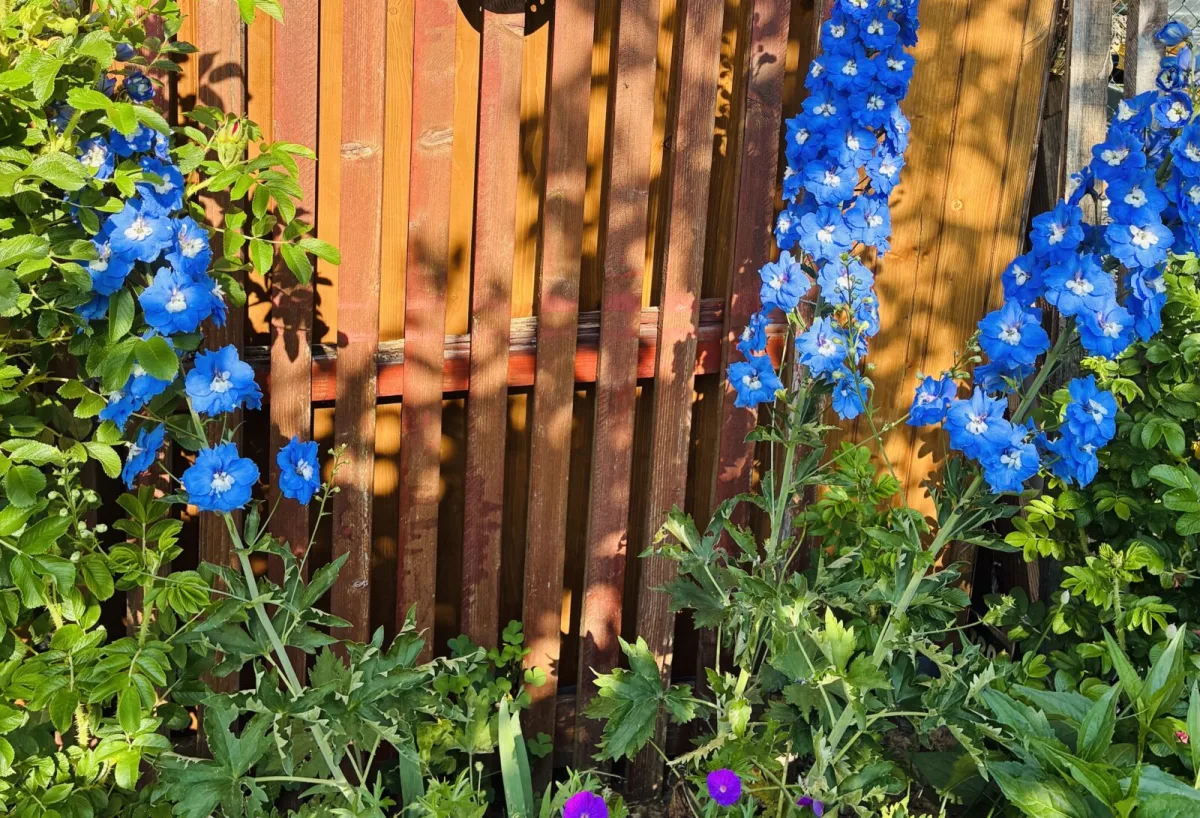
Blue shades are most commonly grown in gardens, but the range is much wider. There are tall cultivars suited to the back of borders as well as more compact forms ideal for smaller gardens. You’ll find varieties with deep purple flowers, pure white blooms, pink to lavender tones, dwarf types for the front, and truly tall larkspurs that can reach several metres. There are also rare colour deviations, such as yellow or red cultivars, which appear only occasionally.
Cutting back and tidying after flowering
Once larkspur finishes flowering, it’s worth removing the spent flower stems, usually in late summer or early autumn. After the first harder frosts arrive, cut the plants back to ground level and remove the debris from the growing area.
Bed hygiene is important with larkspur because it’s prone to disease. Don’t leave old plant material lying on the bed over winter, and it’s safer not to add suspicious material to the compost.
Propagating perennial larkspurs from cuttings
If you want to preserve the characteristics of a particular plant, vegetative propagation is the practical choice. With perennials, spring cuttings from young shoots are commonly used. The process involves finding fresh shoots, gently pulling back the soil at the base, and using a sterile, sharp knife to separate the shoot as low as possible from the parent plant. The cutting is then dipped in rooting hormone and planted into a small pot filled with a mix of compost and perlite.
Keep the pots somewhere cool and slightly humid, for example under shelter, but not in a hot greenhouse. The compost should stay evenly moist, not soggy. Roots usually form in about a month; then you can pot the plants on individually or plant them out in the border, provided outdoor conditions are still on the cooler side.
Growing larkspur from seed
Sowing is an easy way to raise a larger number of plants. In autumn you can allow some spent flowers to ripen into seed pods, then open them and collect the seed. Before sowing, cold stratification is often recommended—a short period of cold that mimics winter and improves germination. For example, you can place the seeds in damp perlite in a sealed container and keep it in the fridge for about a week.
Then sow the seeds into pots, cover them only lightly, and water very carefully so the compost doesn’t become waterlogged. Germination typically happens within a few weeks. Move seedlings outdoors to a sunny spot only once the risk of frost has passed.
Larkspur in a pot and care for container plants
The tall flower spikes look dramatic in containers, which is why larkspur is often used as a bold focal point on a patio or in container displays. Because of its height and the weight of the top growth, it’s best to choose stable pots with a wider base.
Practical pots are at least about 30 cm in diameter and have multiple drainage holes, so the compost doesn’t turn into a waterlogged mess. A standard all-purpose compost is usually sufficient and doesn’t need heavy enrichment with organic matter; more important are good drainage and regular but moderate watering.
Pests and diseases to watch for
Common pests include aphids, caterpillars that damage stems or leaves, mealybugs, leaf-mining larvae, and other species that can weaken growth. Diseases include fungal problems such as botrytis (grey mould), crown rot, and powdery mildew.
You can reduce the risk of trouble by giving plants enough space for good airflow, mulching the soil surface, and keeping the bed free of dead plant debris where pathogens easily persist.
How to encourage flowering
Larkspur isn’t usually strongly scented, but it excels in abundant spikes of delicate flowers. If you regularly remove spent flower heads, the plant is more likely to continue flowering instead of putting energy into seed production. During the flowering period, make sure the soil doesn’t dry out, while also avoiding constant waterlogging. Drought often causes the plant to stop forming buds properly and flowering becomes weaker.
Most common growing problems
Leaves turning black and flowering stops
One cause can be an infestation by a microscopic mite that’s difficult to control and can result in the plant stopping flowering. If you also notice a split stem with black streaks inside, it’s safer to lift and dispose of the plant so the problem doesn’t spread.
Yellowing leaves
Yellowing can point to crown rot, sometimes accompanied by a white, web-like coating at the base of the plant. The same symptom can also be linked to a viral infection, which spreads easily between plants.
Distortion and mosaic spotting
If growth is twisted, leaves are distorted, or typical mosaic patterns appear, a virus is often to blame. In that case treatment usually isn’t worthwhile, and it’s best to remove the infected plant so it doesn’t threaten the rest of the planting.
Source: The Spruce, Rhs , Pestrazahrada.cz
Related articles
Next year you can harvest better if you don’t sow carrots where they won’t thrive
Carrot root fly can ruin carrots, parsley and celery from the inside out, often without obvious warning until harvest. Better site choice, rotation, later sowing and simple physical barriers can dramatically cut damage next season.
How to Propagate Roses from Cuttings at Home and Fill Your Garden with Blooms Almost for Free
Want more roses without paying for new plants? With a few healthy cuttings and a simple plastic-bottle mini greenhouse, you can root new bushes at home in just a few weeks.
Heathers can cope where other plants won’t, but one soil detail decides everything
Heathers and heaths are tough evergreen shrubs that can flower across the seasons when you choose the right types. Success hinges on matching the plant to your soil pH and ensuring free drainage.
Comments (0)
Be the first to comment.