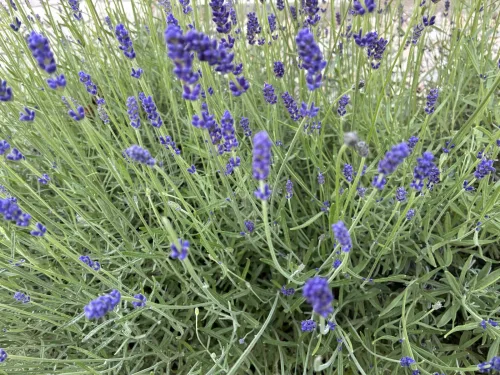
Soap Has Surprisingly Many Uses in the Garden
That old bar of soap in the drawer doesn’t have to go in the bin. In the garden, it can help deter pests, tackle outdoor cleaning, and even make stubborn zips glide again.
Cool nights slow tomato ripening just when late-season blight risk rises. A controlled root cut, paired with a few smart pruning steps, can push mature green fruit to colour up faster.
September is ideal for tackling weeds, repairing lawns, dividing perennials and planning bulb planting while the soil is still warm and workable. A few timely jobs now will make next spring easier and your garden more resilient year-round.
With fruiting vegetables, frequent picking keeps plants flowering and producing for longer. A few crops, such as aubergines, are tastiest when harvested slightly earlier rather than fully mature.
Most people use lovage only for broth, but it’s a powerful, aromatic herb with far wider kitchen potential. Try it in herb butter, pesto, potatoes, marinades, or as the backbone of a homemade seasoning mix.
Black elder (Sambucus nigra) is a favourite for cordials and home processing, but it has a toxic lookalike: dwarf elder (Sambucus ebulus). Learn the key differences—especially the stem type and the way the fruit clusters hang—so you don’t pick the wrong plant.
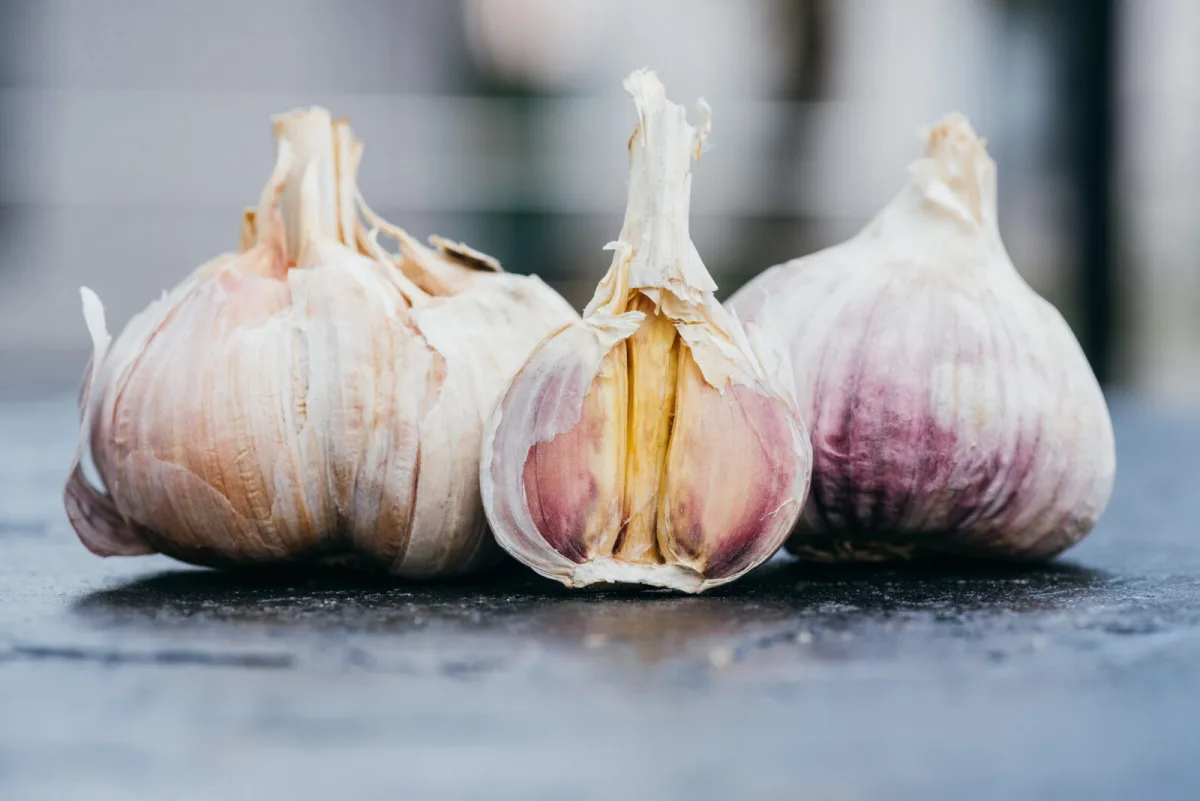
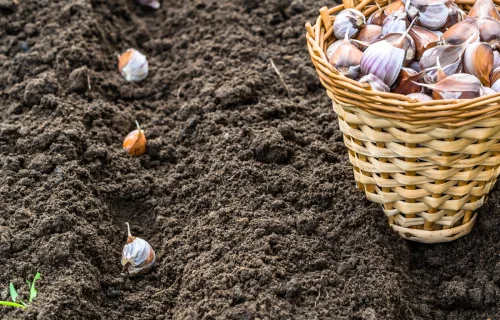
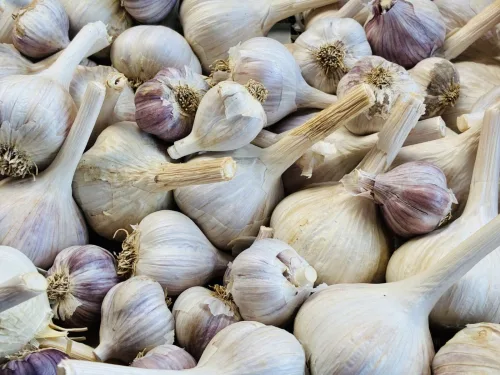
Growing your own garlic is more work than buying it, but a few smart pre-planting steps can significantly boost yields and improve resilience. Learn how to prep cloves, deter onion fly, and plant correctly for a stronger crop.
Ground cinnamon isn’t just for baking—it can help protect houseplants and garden plants from mould and fungal issues, support cuttings, and even act as quick first aid for minor wounds. Used lightly, it’s an affordable, gentle, natural add-on to good growing practice.
Freshly harvested peppercorns at home aren’t a fantasy—pepper vine can be grown in a pot as an attractive climber. With warmth, light and steady care, it may eventually reward you with your own pepper berries.
Leave sedum flowerheads standing through winter for structure, wildlife value and frost-kissed beauty. Cut back in late winter as new shoots appear, and keep plants compact with good sun and drainage.
Apple harvest timing depends on the variety and whether you want fruit for immediate eating or long storage. Learn how to pick at the right stage and store apples so they stay firm and fresh for weeks or even months.
Late blight can wipe out tomatoes and potatoes in days when conditions are right. Learn how to recognise the first symptoms and reduce the risk in your garden.
The biggest mistake when planting winter garlic in autumn often comes after planting: mulching the bed too soon. Learn when to cover the bed, what mulch to use, and how a thin, dry layer helps garlic overwinter without triggering premature growth.
September doesn’t have to mean the end of tomato season. A few targeted tasks can help more fruit ripen and keep plants productive well into late autumn.
African violets can flower for months on end if you get the light, watering and pot size right. Add a light homemade feed and a couple of proven tricks, and they’ll reward you with healthy leaves and plenty of blooms year-round.
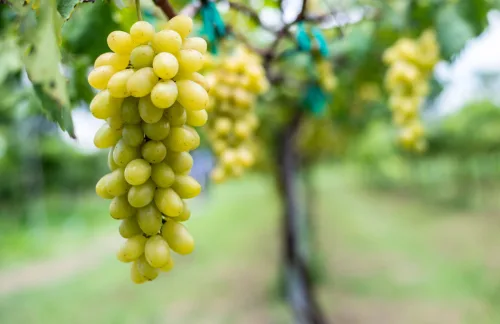
Grapes won’t sweeten or ripen once they’ve been cut, so choosing the right harvest moment makes all the difference. Learn how to grow, train, prune and pick vines for flavourful, properly ripe bunches.
Home and garden owners often worry whether removing a hornet nest could put them on the wrong side of the law. In the Czech Republic, the European hornet is generally protected, but it is not a specially protected species, so removal is usually possible when there is a genuine safety risk.
Freezing grapes overnight transforms their texture into a sorbet-like bite and naturally boosts their sweetness. It’s an easy way to swap sweets for fruit and use grapes more creatively in the kitchen.
Powdery mildew is a common fungal problem on both ornamentals and crops, showing up as a white-grey dusty coating and weakening plants over time. With good hygiene, better airflow, sensible watering and feeding, and more resistant varieties, you can keep it under control without reaching for chemicals.
Hardy hibiscus brings huge, dinner-plate blooms and a bold splash of colour to summer borders. With the right light, moisture and feeding, you can coax it into flowering heavily for weeks.
Saving your own tomato seed is simple, cost-effective, and lets you keep growing the varieties that perform best in your garden. Follow the right steps—brief fermentation, thorough rinsing, careful drying, and proper storage—to maintain strong germination.
Watering at the right time helps moisture reach the roots, reduces disease pressure, and builds a tougher, denser lawn. Learn when to water, how long to run each zone, and how to adjust by season and soil type.
Coneflowers (Echinacea) are tough, pollinator-friendly perennials that cope well with drought and lean soil, but they need one non-negotiable: excellent drainage. Learn when to plant, how to care for them, and whether to deadhead or leave seedheads for birds.
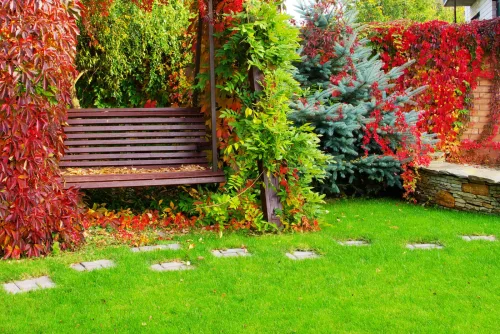
Not every fast-growing tree needs all-day sun. These reliable choices cope well with partial shade and quickly add structure, seasonal colour and privacy to your garden.
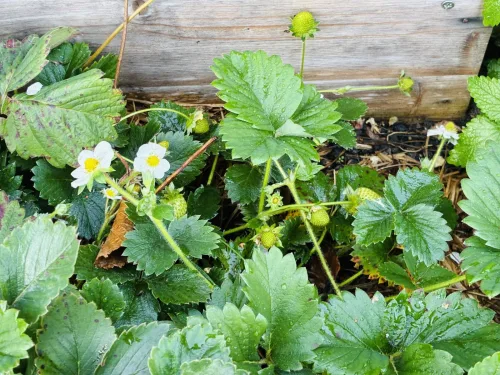
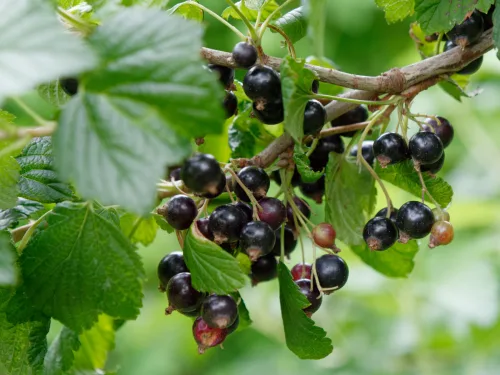
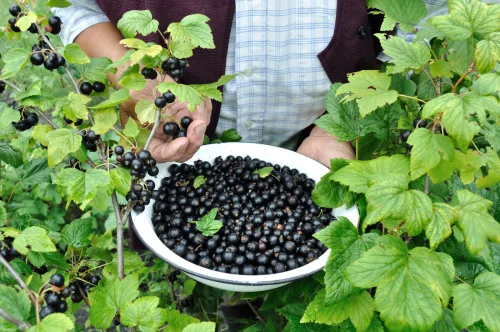
Currants need attention after harvest, not just in spring. Smart pruning, steady watering, balanced feeding and simple prevention now set up stronger bushes and a heavier crop next season.
Bay leaves aren’t just for soups and sauces. Used the right way, they can help curb fungus gnats breeding in potting mix and noticeably reduce the annoying flies around houseplants.
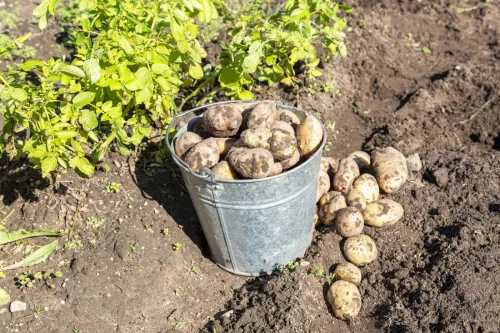
Potatoes often spoil over winter not because the crop was poor, but because of small storage mistakes. Keep them dry, cured, cool, dark, and well ventilated to prevent sprouting and rot until spring.
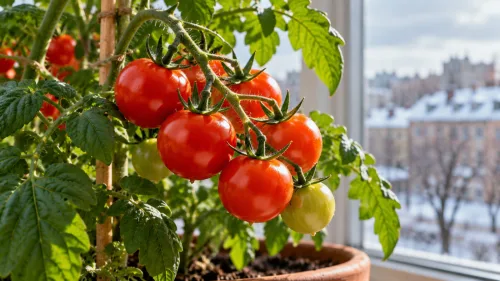
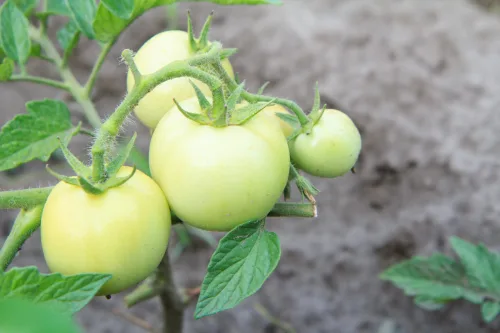
Tomatoes don’t have to stay green until late summer. With a few simple, chemical-free tweaks, you can push plants to ripen sooner and protect your crop from cool nights, wet weather and blight.
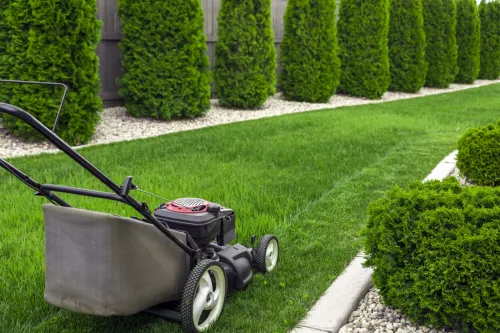
A thick, deep-green lawn doesn’t happen by accident—it comes from consistent, season-long care. Combine cleanup, feeding, mowing, and soil work to build a denser turf that stands up better to drought, weeds, and wear.
Late summer warmth in the soil makes autumn sowings surprisingly fast to germinate, and many crops actually taste better after a light frost. With smart timing and a few reliable choices, you can keep harvesting right up to the first hard freezes.
Pepper plants can look lush and healthy yet refuse to flower or set fruit. Check temperature, sunlight, feeding, watering stability and pollination to get them back on track.
Weathering isn’t always the main culprit behind damaged outdoor timber. Wasps can scrape fibres from boards and beams surprisingly fast, leaving grooves that soak up water and accelerate decay.
Sumac is a tough, drought-tolerant ornamental that delivers dramatic autumn colour with minimal fuss. Success depends mainly on a sunny, open position, free-draining soil, and planting at the correct depth.
Cucumbers grow fast and generously, but only when they have the right site. Avoid these eight problem spots to prevent weak growth, disease, and bitter or misshapen fruit.
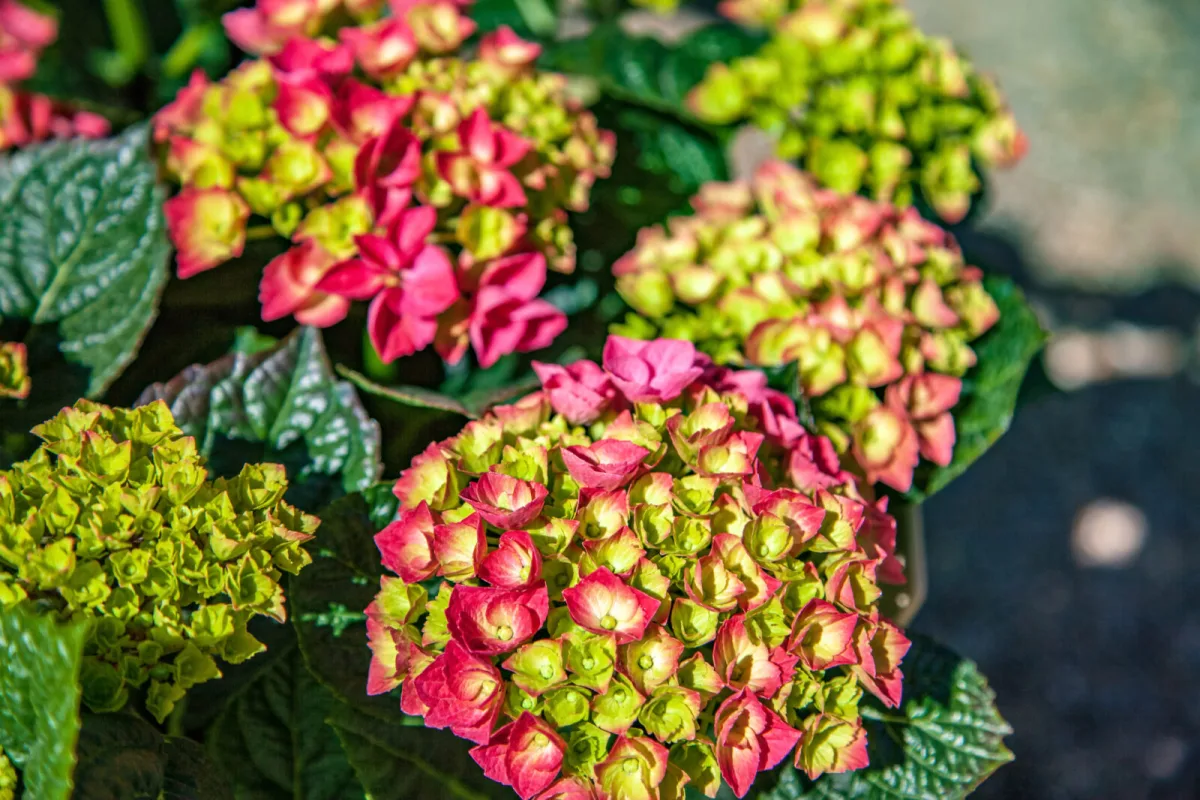
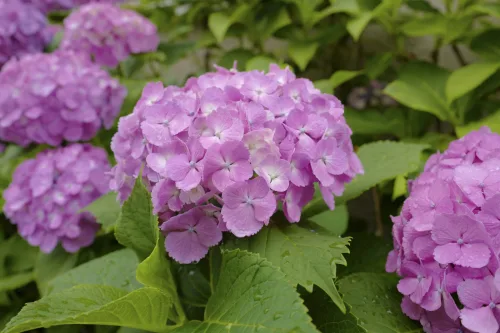
Hydrangeas don’t all set flower buds the same way, so autumn tidy-up can either protect next year’s blooms or remove them. Learn when to deadhead, how hard to prune by type, and how to winter-protect plants in the ground and in pots.
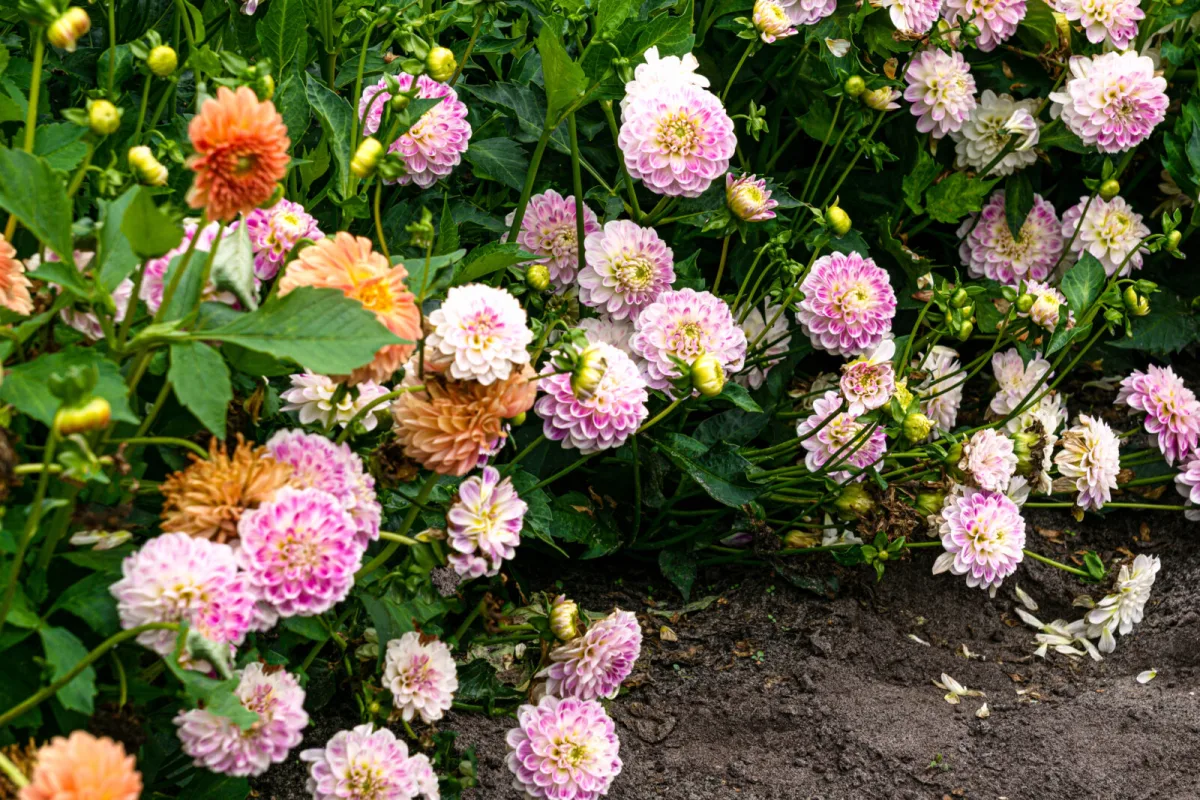
Self-seeding flowers keep coming back by dropping seed after flowering, filling gaps and creating a natural, meadow-like look with very little effort. Choose reliable species and tweak your tidy-up routine to encourage seedlings without letting the bed look messy.
September is often underestimated, yet it can save you a lot of work in spring. With warm soil and cooler air, it’s an ideal time for sowing hardy crops, planting bulbs, and getting ornamentals well rooted for an earlier start next year.
Peppers don’t necessarily have to end up on the compost heap after the final harvest. With the right autumn care, a healthy plant can overwinter and crop again next season without resowing.
A single Asian hornet has been seen repeatedly in Liběchov in July and early August, raising concerns it may have arrived with transported goods. Authorities are urging the public to report sightings so any nest can be found and removed quickly.
In hot, muggy weather, tomatoes are far more prone to fungal disease when leaves stay wet and air can’t move through the plant. A few targeted cuts and a simple mulch “skirt” at soil level can dramatically reduce disease pressure.
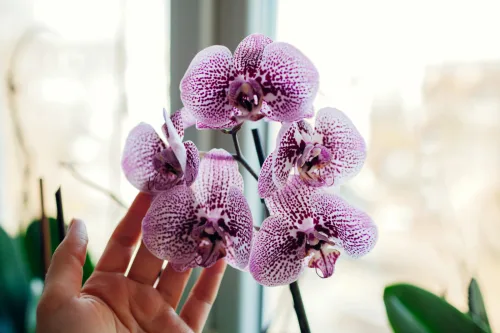
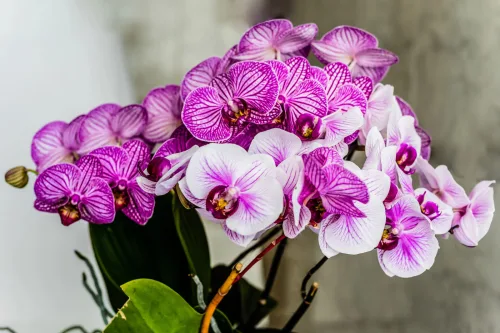
Store-bought orchid fertilisers don’t always deliver more flowers. A gentle garlic infusion, used correctly and paired with the right conditions, can help encourage stronger blooming.
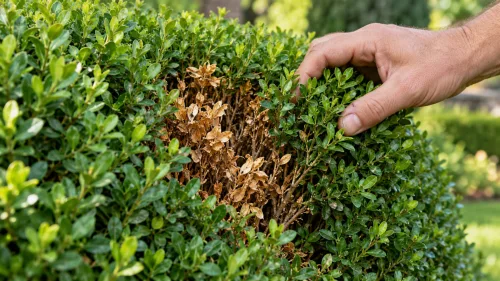
When a yew starts browning and shedding needles, the cause is often a mix of growing-condition stress and fungal disease. Learn how to tell them apart and what to do first to help the plant recover.
Strawberry plants typically lose vigour after about five years in the same bed. Set up a new, sunny strawberry patch in late summer or early autumn for stronger rooting and a heavier crop next season.
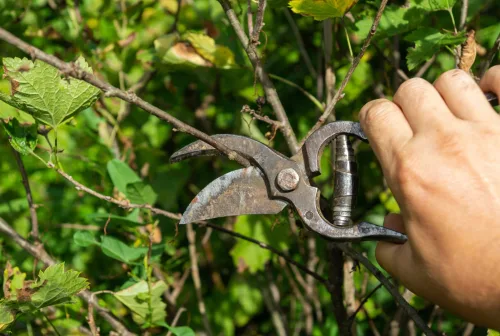
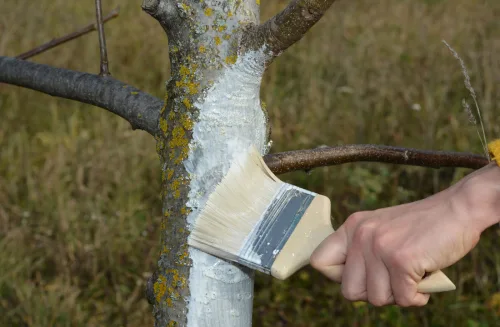
Correct pruning shapes a fruit tree’s crown, supports reliable cropping, and prevents long-term stress or decline. Learn how timing, technique, and the tree’s age determine what to cut and when.
September is one of the busiest months in the garden, when harvesting overlaps with sowing and planting for next year. A little planning now brings earlier flowers, healthier beds, and less work in spring.
Pumpkins grow fast and need plenty of nutrients to size up properly. Homemade nettle tea is an effective, chemical-free feed when diluted correctly and applied regularly at the roots.
A hot, dry summer often brings a bumper tomato crop. Here are practical ways to preserve tomatoes so you can enjoy that summer flavour all winter long.