
 English
  Polski
  Deutsch
  Nederlands
  Svenska
  Norsk
Norsk  Dansk
Dansk  Français
  Italiano
  Español
  Português
  Slovenčina
  Suomi
Suomi  Gaeilge
 Growing herbs in challenging temperatures with minimal effort
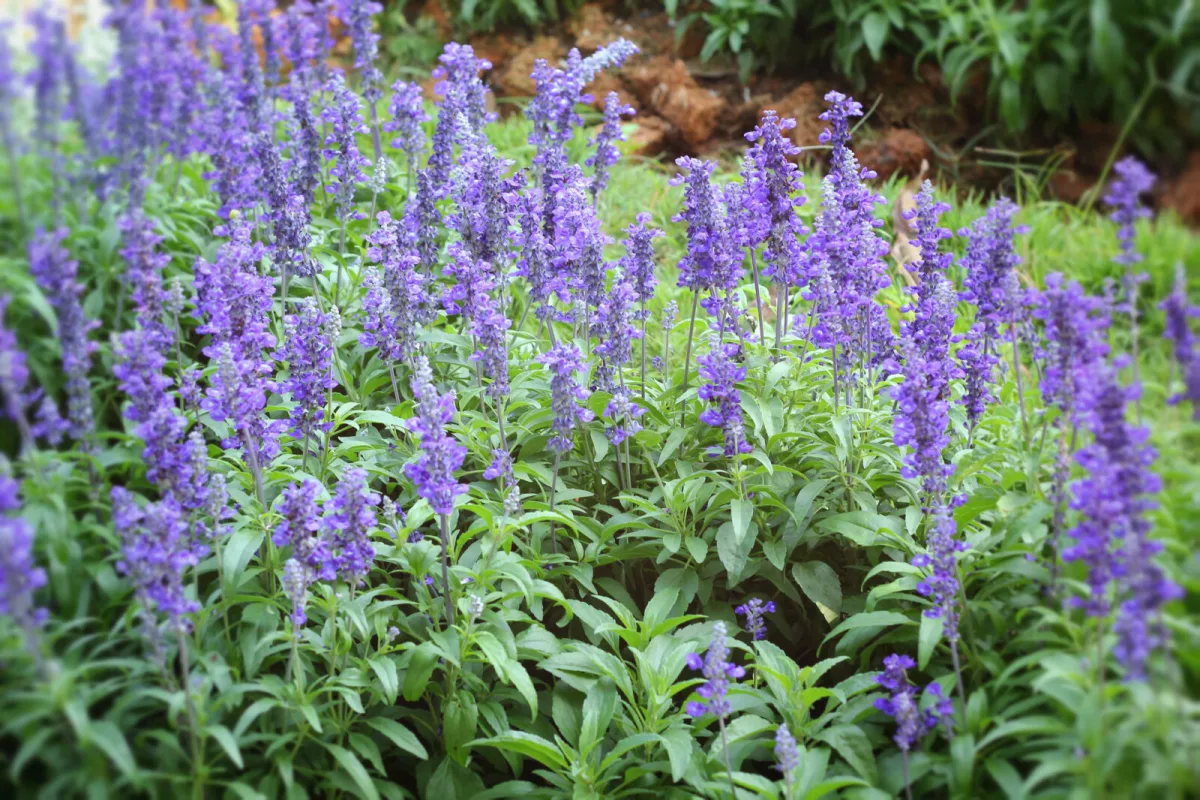
Not every garden offers ideal conditions for fragrant, useful herbs. In some places the soil bakes and dries out in full sun; elsewhere the plot is battered by persistent wind. Other gardeners deal with long spells of rain and high humidity. The good news is that for almost any setting there are herbs that will thrive there. Instead of giving up on herbs, simply choose ones that are naturally built for your conditions.
When choosing herbs, it pays to watch how your garden behaves through the season. Where water lingers, which spot dries out fastest, where the wind most often comes from, and when the beds get the most sun. These details often decide whether you’ll be harvesting beautiful, aromatic leaves or struggling with plants that limp along.
Sunny, drier spots inspired by the Mediterranean
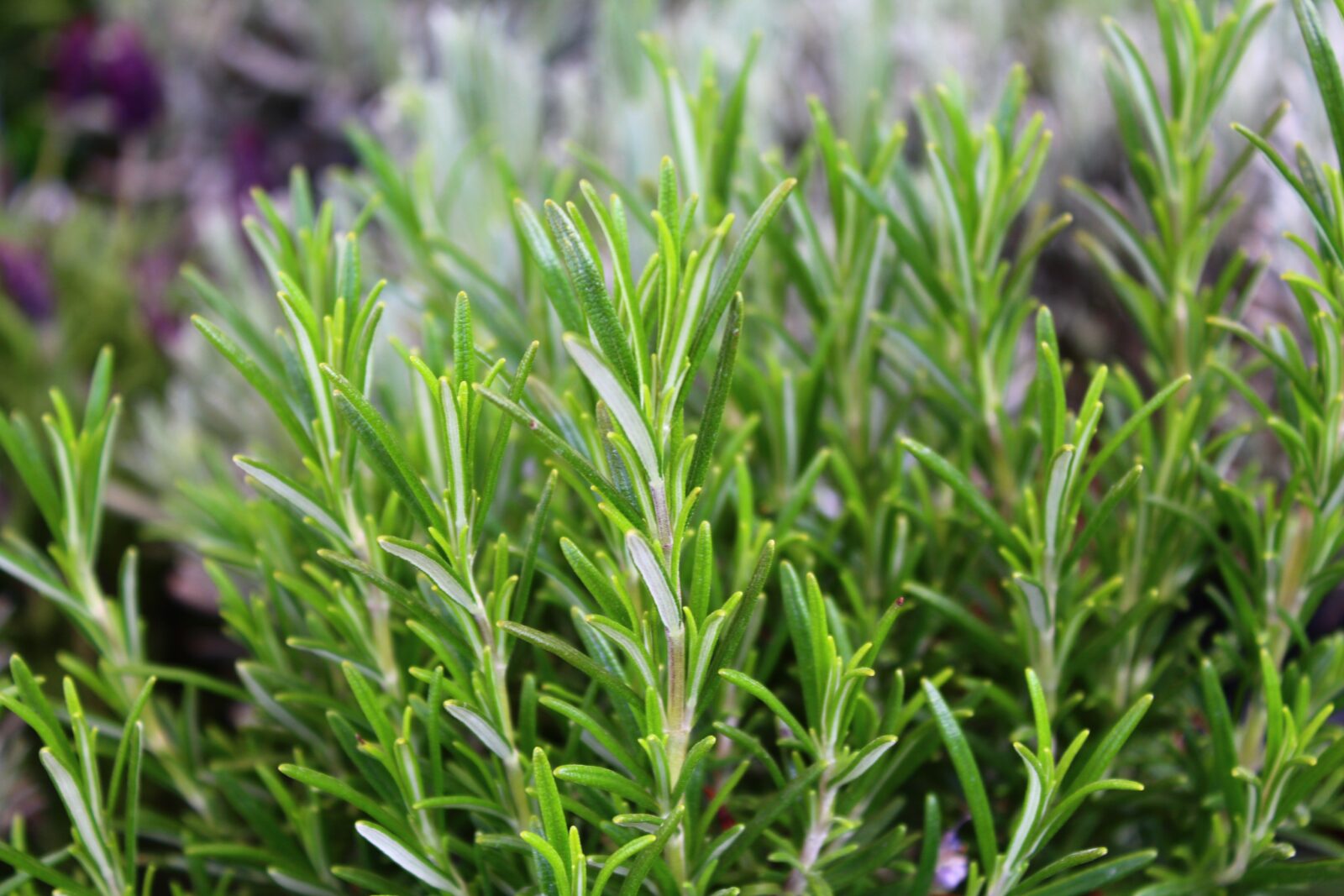
If you have a warm, full-sun position where the soil tends to dry quickly and wind is not uncommon, take a cue from Mediterranean-style growing. These conditions suit herbs that can handle heat and the occasional lack of moisture. Classic choices are rosemary, thyme and lavender. They love light for most of the day and need soil that drains freely.
If you also place them where they won’t suffer from winter wet and harsh draughts, they’ll reward you with intense fragrance and vigorous, bushy growth. They fit well in a traditional herb bed, a rock garden, or larger pots where you can easily control drainage. In similar conditions, elder can also do surprisingly well. It isn’t usually grouped with Mediterranean plants, but it can cope with tougher sites and offers valuable flowers and fruit.
When drought is the rule and rain is rare
In areas with long, dry summers, it’s practical to reach for herbs that are directly adapted to drought. You can often spot them by their narrower, tougher or silvery leaves, which reduce water loss. Alongside lavender and rosemary, this group includes bay laurel, oregano and some types of sage.
Once well established, these plants can manage with far less watering than typical garden herbs. But one thing is crucial: they cannot tolerate waterlogging. That’s why it matters more to think about good drainage than frequent watering. Short dry spells are usually survivable, but standing water around the roots can damage them quickly.
Rainy, humid areas need different favourites
If you get more rain than you’d like, or your garden is consistently on the damp side, choose herbs that cope better with higher humidity and repeated rainfall. Mint, lemon balm, valerian and comfrey tend to do well. These plants usually don’t mind slightly moist soil, as long as water doesn’t sit right at the roots for too long.
That’s exactly why it still makes sense to deal with excess water run-off even in rainy regions. When soil becomes airless and roots sit in water, rots set in and plants weaken. Raising the planting area slightly or using soil that isn’t heavy and compacted can help.
Wind as both a problem and a useful feature in the garden
Strong wind can snap more delicate herbs, dry out the soil and foliage, and generally slow growth. In exposed gardens it’s worth creating natural protection, for example with a hedge or another barrier that softens gusts. At the same time, some species are resilient and wind is less of an issue for them.
Rosemary, lavender and thyme usually cope well with air movement, especially when they have freely draining soil. Basil and mint, by contrast, tend to prefer a sheltered spot where they aren’t exposed to sharp gusts and rapid drying.
Matching herbs to your garden is the simplest route
It’s often easier to choose herbs to suit the conditions you already have than to try to force the garden to change.
Many growers try to adjust the environment to suit their dream plants. In practice, the reverse approach is usually more effective: accept the reality of your site and choose species that naturally fit. When you give herbs what they need, they’ll be tougher, less prone to disease and grow more steadily. The result is a bigger harvest, less work, and a more careful use of water and soil.
Source: Garener’s World, GrowVeg, Zahrádkár, Pestrazahrada.cz

A lover of nature, gardens, and everything that moves, blooms, or grows. He literally grows everything, from herbs to rare species, and he enjoys caring for animals just as much. In his work, he connects modern technology with tried-and-tested grandmotherly methods and is happy when both paths lead to the same goal.
Related articles
The Christmas Amaryllis That Can Bloom for Years but Most People Throw It Away After Flowering
Hippeastrum is a spectacular winter-blooming bulb that, with the right care, will flower again year after year. Learn how to plant it correctly, look after it after flowering, and bring it into dormancy so it reliably reblooms.
How to Grow Winter Garlic for a Much Bigger Harvest
Autumn planting is the key to strong, healthy winter garlic, but the details make all the difference. With the right timing, bed choice, seed-clove treatment and a simple bicarbonate trick, you can noticeably boost yield.
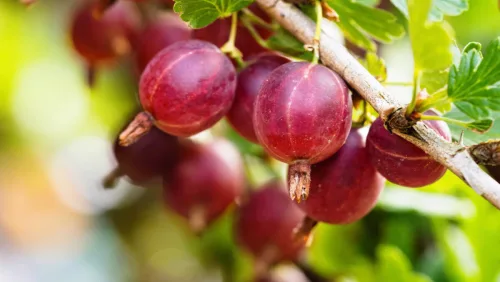
A tree or shrub planted properly in autumn can outpace spring stock and improve fruiting
Many fruit trees and soft-fruit shrubs establish better when planted in autumn, because roots keep growing while the top is dormant. Done well, this head start means stronger spring growth, less watering, and a healthier first year.
Comments (0)
Be the first to comment.