
 English
  Polski
  Deutsch
  Nederlands
  Svenska
  Norsk
Norsk  Dansk
Dansk  Français
  Italiano
  Español
  Português
  Slovenčina
  Suomi
Suomi  Gaeilge
 How to Drive Rats Out of Your Garden Without Poison Using Just a Few Seconds of Noise a Day
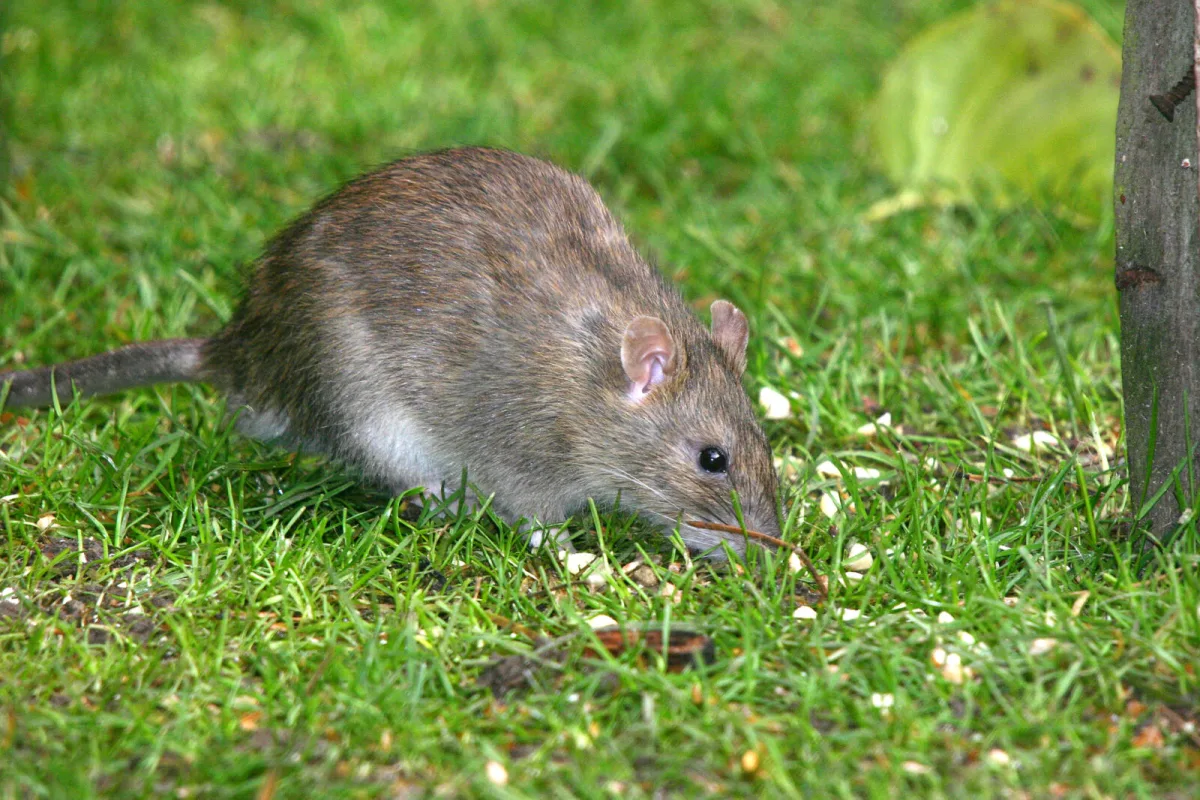
As warm days arrive, people spend more time outdoors—but the same season suits rats too. In warmth they breed fast, and around late June into early July the youngsters leave the nest and start looking for a new refuge. If they find a quiet corner in a shed, under a patio, or in a dense hedge, they can settle in surprisingly quickly. Gardeners then often notice fresh holes in the soil and well-worn runs that can spoil the whole season.
Many people try different scents and homemade repellents, such as peppermint oil or hot spices. But these methods need constant topping up and regular maintenance, so they can be tiring—and results vary with weather and where they’re used.
Poison and expensive products aren’t necessary
Some people reach for toxic baits, but that can create another problem. Poison can end up harming birds or other wildlife that regularly visit gardens, such as squirrels. A safer approach is to change conditions so rats decide the garden isn’t suitable. The key principle, described by GrowVeg expert Helen Gazeley, is that rats hate being disturbed—and what puts them off most is the feeling that a place is busy and unsafe.
The most effective trick is regular noise
Rats avoid people and prefer to nest where they have peace and cover. That’s why a surprisingly simple solution can work—and it takes only a few seconds a day. The idea is to create small, regular noise and vibration in the spots that might tempt them. When you walk past, it’s enough to lightly tap the outdoor bin or the area around it with a handle, a rod, or a sturdy stick. This isn’t about a one-off scare; it’s a repeated signal that someone is still moving around here.
Rats don’t like being disturbed, and they’re less likely to choose a place for nesting if there’s regular noise.
The logic is simple: young rats are looking for a new home and weighing up risk. Where there’s quiet, cover, and the smell of food, they’ll stick around. Where there’s noise and frequent human activity, it isn’t worth it.
Where to place the bin and why it matters
In summer, bins and compost heaps smell much stronger in the heat—and that can draw rats in as an easy food source. So placement is crucial. Rats love sheltered, protected spots along walls, fences, hedges, and in corners where they can disappear quickly. If you want to reduce their interest, put the outdoor bin in a more open area, away from dense planting, fences, or building walls.
The best spot is near a door or alongside a path you use every day. Regular movement close by is a clear sign to rats that they’re not welcome. And if you add a quick tap each time you pass, you increase the chance your garden will attract other visitors instead of rodents.
Cut down on the smells rats find most tempting
Noise alone is a strong help, but you’ll get the best results by combining it with fewer food temptations. What attracts rats most is decomposing food, which carries a long distance. So it’s sensible not to put leftovers of meat, fish, cheese, or eggshells into outdoor bins. These types of waste are often the source of intense odours that spread quickly in warm weather.
Timing matters too. If you can, take kitchen waste out to the main wheelie bin as late as possible—ideally right before collection day. That shortens the time the smell drifts through the garden, and reduces the chance young rats will stop by to investigate and decide to stay.
A simple routine that keeps your garden peaceful
In practice, all you need is a short routine: place the bin in a high-traffic spot, don’t leave it in sheltered nooks, cut back on strongly scented scraps, and make a few seconds of noise each time you pass. It’s easy, low-cost, and kinder to other animals. Rats most often stick to places where they have peace, shelter, and food. Take away those three advantages, and they’ll usually move on quickly.
Source: GrowVeg, Pestrazahrada.cz

A lover of nature, gardens, and everything that moves, blooms, or grows. He literally grows everything, from herbs to rare species, and he enjoys caring for animals just as much. In his work, he connects modern technology with tried-and-tested grandmotherly methods and is happy when both paths lead to the same goal.
Related articles
Why the Tree That Feeds a Family for Generations Is Disappearing from Czech Gardens
The English walnut used to be a staple of larger gardens and farmyards, valued for its nutritious nuts and many practical uses. With the right site and variety, it remains one of the most rewarding long-lived trees you can plant.
How to Get Rid of Mice and Rats in the House, Loft and Garden Effectively
Mice and rats don’t leave quietly—scratching sounds, droppings and gnaw marks are clear warnings. A lasting solution comes down to three steps: block entry points, remove food sources, then use traps or professional control.
Two Mistakes When Harvesting Onions Can Cut Your Supply by Months
With good growing and the right handling, onions can turn into a near year-round pantry staple. These simple harvest and curing steps determine whether they keep for weeks or for months.
Comments (0)
Be the first to comment.