
 English
  Polski
  Deutsch
  Nederlands
  Svenska
  Norsk
Norsk  Dansk
Dansk  Français
  Italiano
  Español
  Português
  Slovenčina
  Suomi
Suomi  Gaeilge
 How to Care for Roses After the First Flush for Another Heavy Bloom
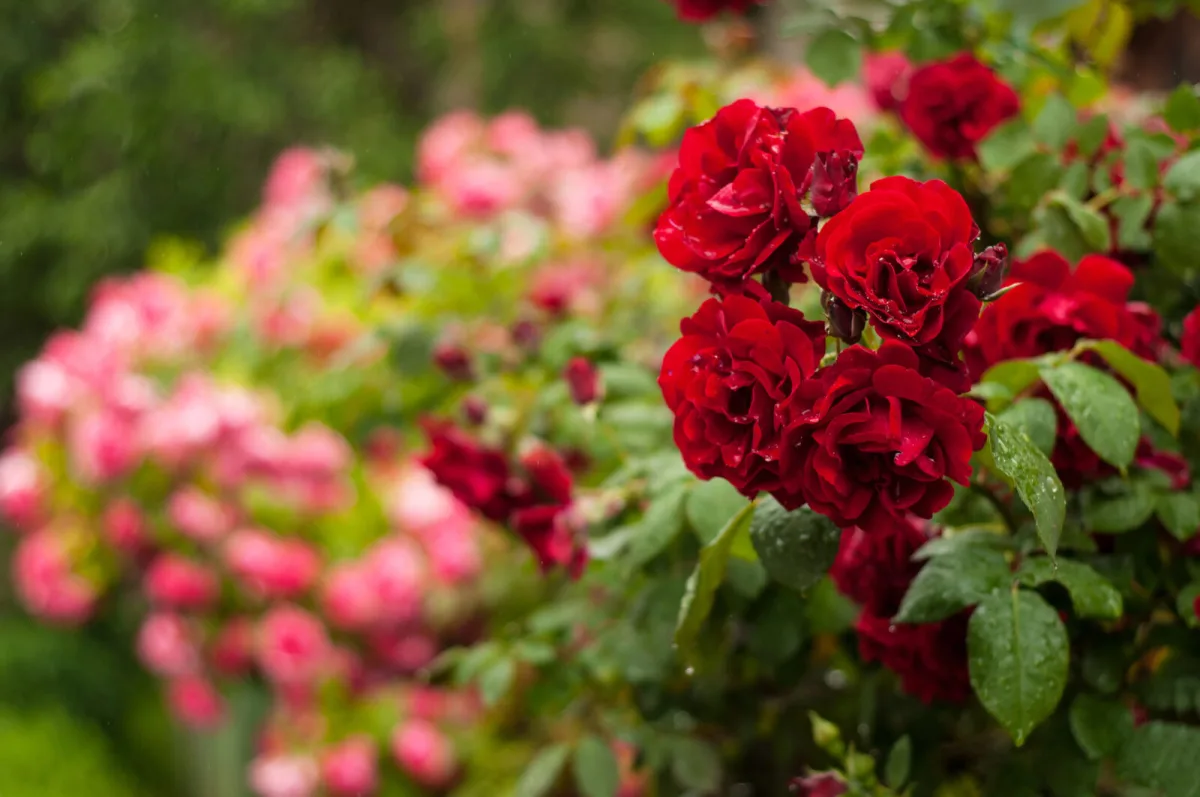
The end of June and the start of July often mean rose petals begin to drop and the border looks tired. In reality, it’s usually just a short pause while the plant restores its strength. If you help at this stage with the right care and a summer prune, you’ll steer energy into forming new buds instead of wasting it on ripening seed. The reward is a second flush of bloom and healthier, more vigorous bushes.
Don’t wait until the flowers are completely dry
As soon as you notice spent or wilting blooms, it’s best to remove them little by little. It’s not just about looks. Leftover flower parts can rot and quickly become a source of mould and fungal disease, which then spreads through the whole plant. They can also provide shelter for pests. By removing faded blooms in time, you also give space to flowers that are still opening, and the bush won’t waste energy on forming hips.
Sharp, clean secateurs are the foundation of success
For pruning roses, use secateurs that make a clean cut. A blunt blade tends to crush the shoot, leaving a ragged wound that takes longer to heal. That kind of damage can weaken the whole stem and increases the risk of infection. Clean tools are just as important. Tiny traces of dirt, fungal spores and bacteria cling easily to blades, and with each cut you can transfer trouble from bush to bush. It’s practical to wipe and disinfect your secateurs as you go—especially if you see signs of disease or pest damage on any plant.
The right summer-pruning technique encourages repeat flowering
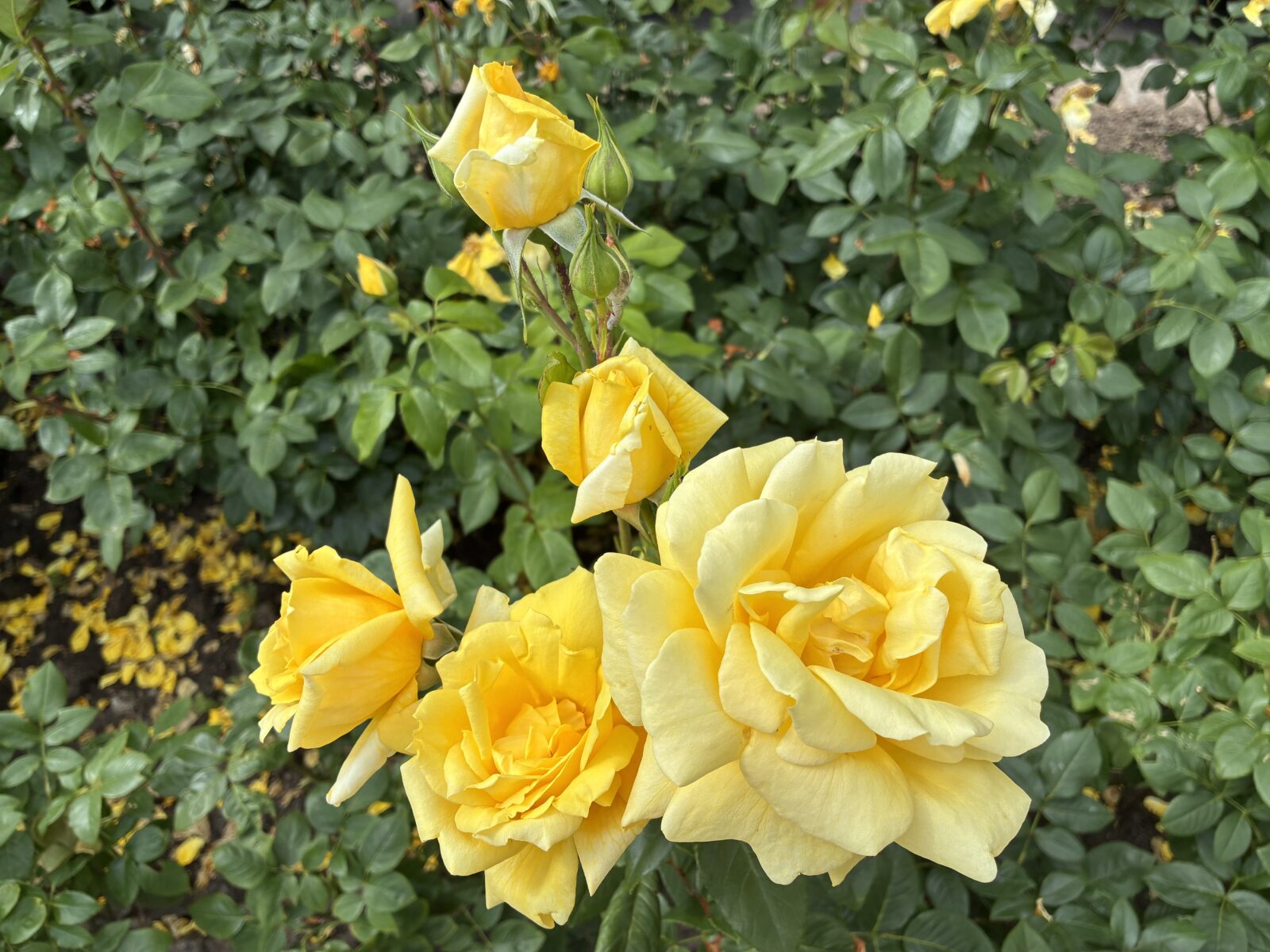
Once most of the flowers have finished, it’s usually not enough to snip off only the head at the end of the stem. To promote repeat flowering, it’s better to cut a little lower so the rose produces a strong new shoot. Moving down the stem you’ll first come to leaves with three leaflets, which are commonly skipped for this purpose. Look for leaves with five leaflets—or even seven, depending on the variety.
Make the cut above the first or second five-leaflet leaf you find below the spent flower. Leave roughly 2 cm above the cut and angle the cut at about 45 degrees so water runs off the wound easily instead of sitting against the tissues. If you also need to shape the bush, you can go lower, for example to the third or fourth five-leaflet leaf. The key is to choose one where the bud eye points outwards from the centre, so the plant stays open, well lit and less prone to disease.
While you’re cutting, do a quick health check too
After the first flush, roses are often weakened because they’ve poured a lot of energy into flowering. That’s exactly when issues can show up more easily—problems that might otherwise stay hidden. Watch for leaves with spots, coatings or distortion, and remove affected parts without hesitation. Also cut out any dry, cracked or otherwise damaged branches, as they heal poorly and needlessly drain the plant.
Also check for so-called suckers. They’re usually light green, with finer, smaller leaves, often emerging from low down below the graft union, and they may have fewer thorns. These shoots weaken the plant and could gradually take over, so it’s best to remove them as early as possible and as close as you can to the point they originate from.
After pruning, watch for pests on young shoots
In the weeks after a summer prune, roses push out new, juicy growth that is often reddish at first. These tender parts are exactly what pests go for—especially aphids and other sap-sucking insects. It pays to stop by the bushes a few times a week and check shoot tips and the undersides of leaves. Catching a problem early is usually the easiest way to prevent a major setback before the next flush of flowers.
Watering and the right feed speed up recovery and bud formation
After pruning, roses need enough moisture to kick-start new growth quickly. Always water at the base and avoid wetting the leaves, because damp foliage encourages fungal disease. In hot weather, a layer of mulch—such as bark—also helps keep the soil moist for longer while protecting it from overheating.
Summer is also the time for the last feed. To support flowering, a fertiliser higher in phosphorus and potassium works well. But don’t drag feeding on too late into the season. It’s best to stop by mid-August at the latest, so new shoots have time to mature and harden before winter. That way the bush goes into the cold season stronger and gets off to a better start next year.
Source: Gardener’s World, RHS, The Spruce, Pestrazahrada.cz

A lover of nature, gardens, and everything that moves, blooms, or grows. He literally grows everything, from herbs to rare species, and he enjoys caring for animals just as much. In his work, he connects modern technology with tried-and-tested grandmotherly methods and is happy when both paths lead to the same goal.
Related articles

How to Keep Your Pool Sparkling Clean Without Unnecessary Effort or Stress
Keeping pool water crystal clear doesn’t have to be hard work. With a simple daily-and-weekly routine, you’ll prevent cloudiness, algae and breakdowns before they start.
A Simple Trick for a Bigger Pepper Harvest and Faster Ripening
Regular watering and feeding aren’t always enough for a heavy pepper crop. Pinching out the growing tips redirects the plant’s energy into branching, flowering, and ripening fruit faster.

Fireflies are disappearing from the landscape, learn how to create a safe garden home
Warm summer nights are even more magical when fireflies start flashing at dusk—but their numbers are falling. With a few simple changes to mowing, planting, lighting and chemical use, your garden can become a safe refuge again.
Comments (0)
Be the first to comment.