
 English
  Polski
  Deutsch
  Nederlands
  Svenska
  Norsk
Norsk  Dansk
Dansk  Français
  Italiano
  Español
  Português
  Slovenčina
  Suomi
Suomi  Gaeilge
 Yellowing Geraniums on the Window in July Can Be Revived Fast with a Simple Restart
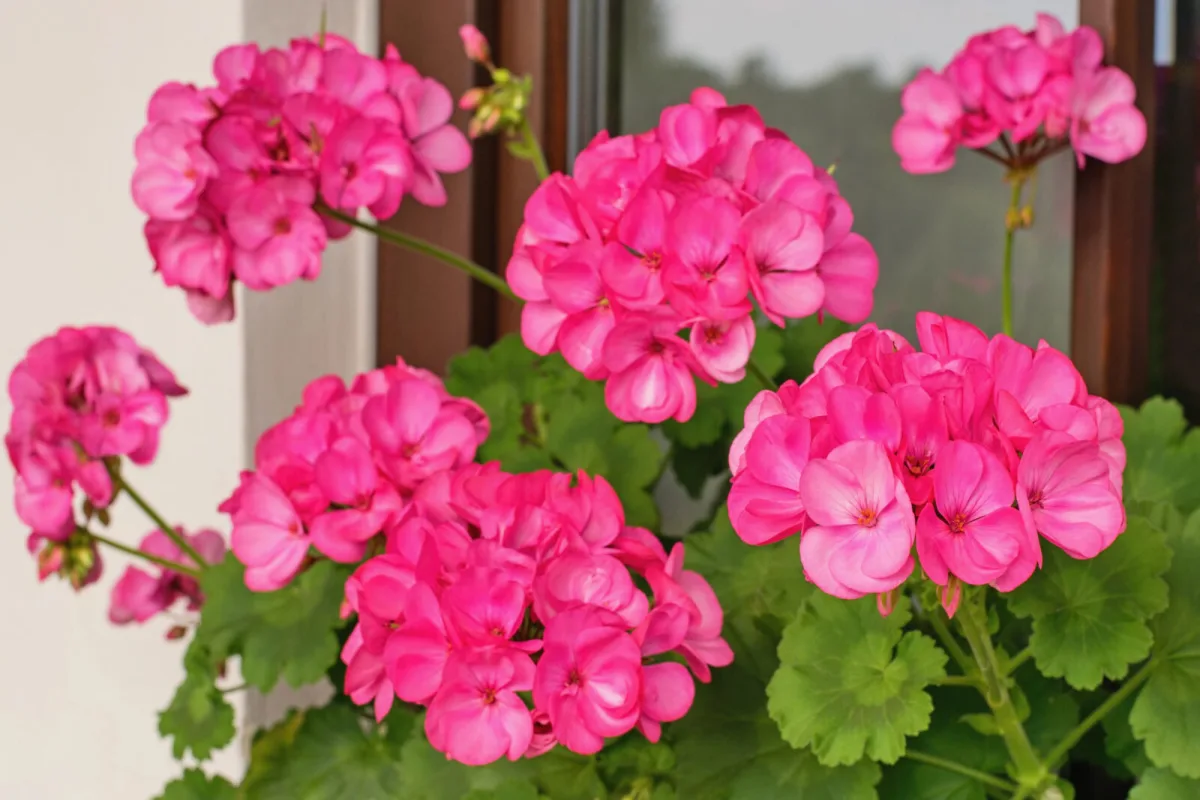
Geraniums (pelargoniums) are among the most rewarding plants for balconies and window boxes, yet they often show classic signs of fatigue as summer goes on. Leaves start to fade and turn yellow, the plant looks limp, and flowering slows down; sometimes the blooms get smaller or new stems form only reluctantly. Most often, the cause isn’t any mysterious disease, but a combination of heat and exhausted nutrients in the potting mix.
Once periods of very high temperatures drag on, a geranium has to maintain its water balance, keep producing new growth, and still flower. That’s a big energy demand, and in containers the nutrient reserves thin out quickly. Lower leaves may yellow simply because the plant is redirecting strength to younger parts, or due to natural ageing. The situation is made worse by spent flower heads and old leaves that burden the plant unnecessarily.
A July restart should be gentle, not drastic
Early July is a good moment to give geraniums a light boost. This isn’t a harsh cut-back, but practical maintenance that frees the plant to get on with its job. The key is to remove anything that no longer brings benefit, stopping needless energy waste.
Remove spent blooms and stalks right back to the base
It’s best to pinch off faded flower heads regularly, but if you haven’t kept up, now is the perfect time to catch up. Snap or snip the flower stalks so you don’t leave pointless stubs behind. The plant won’t waste energy on seed formation and will switch more quickly to setting new buds.
Clear away yellow leaves and weak shoots
Remove yellowing or dried leaves because they no longer help through photosynthesis and can also trap moisture that attracts moulds. Likewise, it’s worth getting rid of weak, damaged, or unattractively leggy shoots. The aim is to keep the plant airy and well lit, directing energy into healthy green growth and flowers.
A light summer trim works like a reset: the plant stops feeding unnecessary parts and focuses on new flowers and strong leaves.
Adjust feeding to the season as summer is all about flowers
Changing your fertiliser strategy also makes a big difference. In spring, geraniums usually appreciate a higher share of nitrogen because they need to bulk up quickly, make leaves, and build the basic framework of shoots. In summer, priorities shift. If you keep pushing mainly leafy growth, flowering can take a back seat and the plant will also run down other essential nutrients more easily.
Focus on potassium and phosphorus
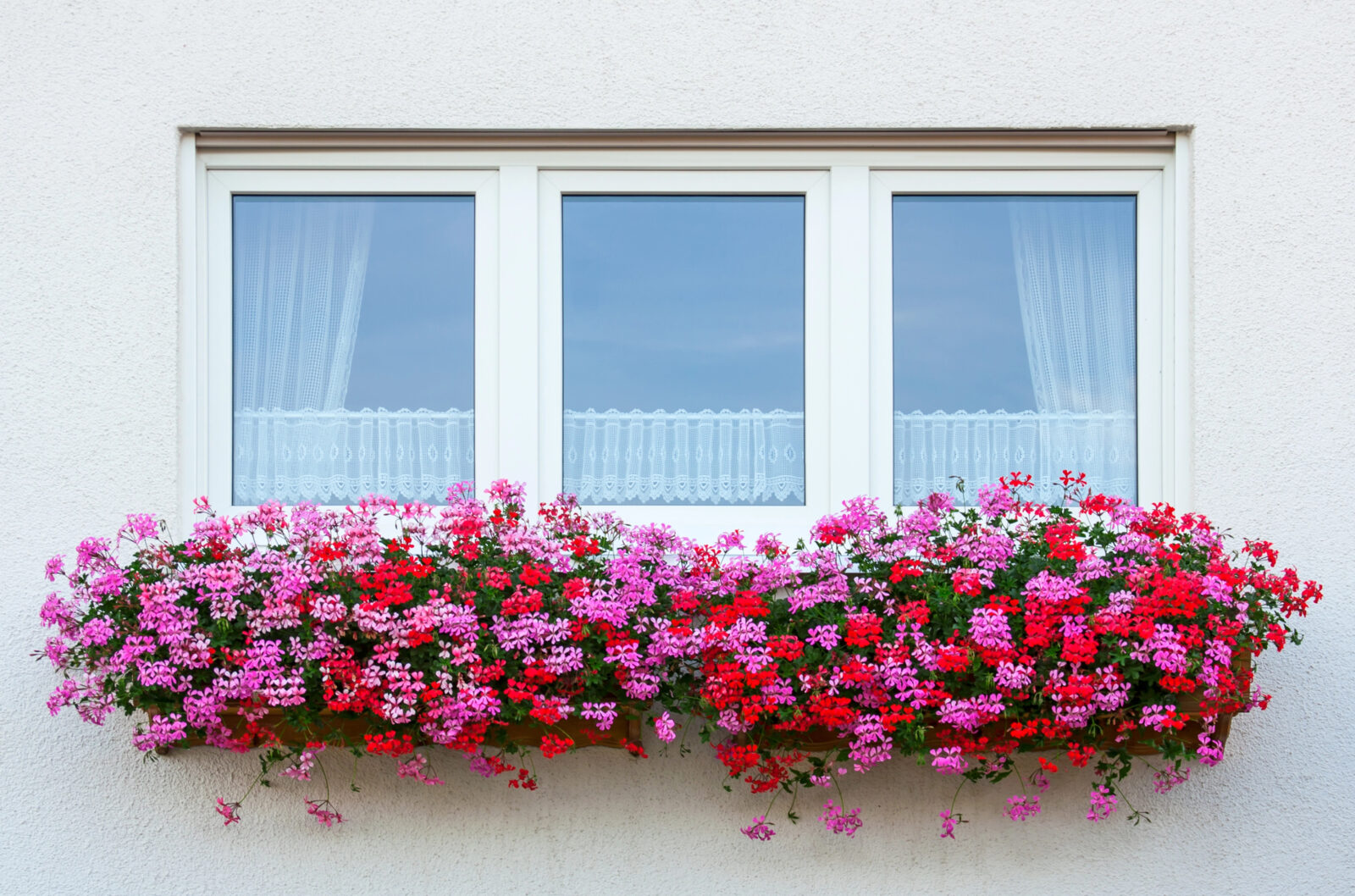
For the summer period, it pays to switch to fertilisers formulated for flowering balcony plants. These blends tend to contain more potassium and phosphorus, nutrients that support flower production, tissue strength, and overall vitality. Potassium helps the plant cope better with stress and water management, while phosphorus supports bud set and flower development. The result is often a noticeably richer second flush of bloom.
After moving to a more suitable feed, geraniums often perk up in a short time. If they’ve been pale and lacklustre, they start producing deep green leaves again and flowers appear in greater numbers and in fuller clusters.
A small intervention that keeps the display going into autumn
A July restart is really a simple combination of two steps: cleaning up the plant and shifting nutrition towards flowering. Even though it’s minor maintenance, the impact is often striking. Geraniums lose the burden of old blooms and leaves, improve airflow, and get a clear signal to set flowers again.
If you pair this with regular watering and ongoing deadheading, geraniums will usually keep flowering from spring right up to the first autumn frosts. Very often, the second summer wave of bloom can be even more generous than the first.
Source: Blooming Backyard, Pestrazahrada.cz

A lover of nature, gardens, and everything that moves, blooms, or grows. He literally grows everything, from herbs to rare species, and he enjoys caring for animals just as much. In his work, he connects modern technology with tried-and-tested grandmotherly methods and is happy when both paths lead to the same goal.
Related articles
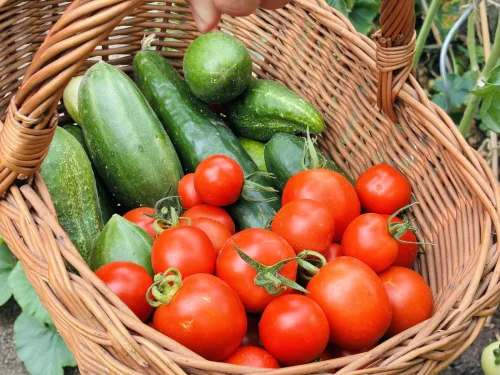
The More Often You Harvest, the Longer Plants Keep Cropping
With fruiting vegetables, frequent picking keeps plants flowering and producing for longer. A few crops, such as aubergines, are tastiest when harvested slightly earlier rather than fully mature.
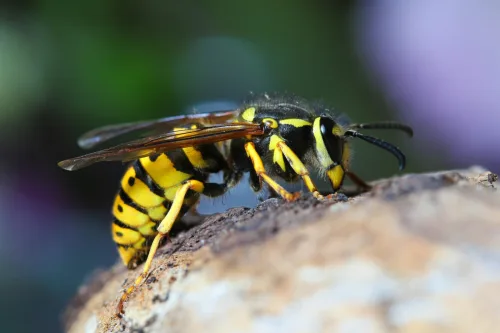
Wasps Aren’t Just a Barbecue Menace They Can Ruin Your Garden Woodwork Too
Weathering isn’t always the main culprit behind damaged outdoor timber. Wasps can scrape fibres from boards and beams surprisingly fast, leaving grooves that soak up water and accelerate decay.
Why hydrangeas wilt in summer even when watered and how to save them fast
Hydrangeas can look limp in hot weather even if you’ve been watering faithfully. The key is to check what’s happening in the root zone, then adjust watering, shade and mulching so the plant can actually use the moisture available.
Comments (0)
Be the first to comment.