
 English
  Polski
  Deutsch
  Nederlands
  Svenska
  Norsk
Norsk  Dansk
Dansk  Français
  Italiano
  Español
  Português
  Slovenčina
  Suomi
Suomi  Gaeilge
 How to Grow Giant Onions That Will Be the Pride of Your Garden
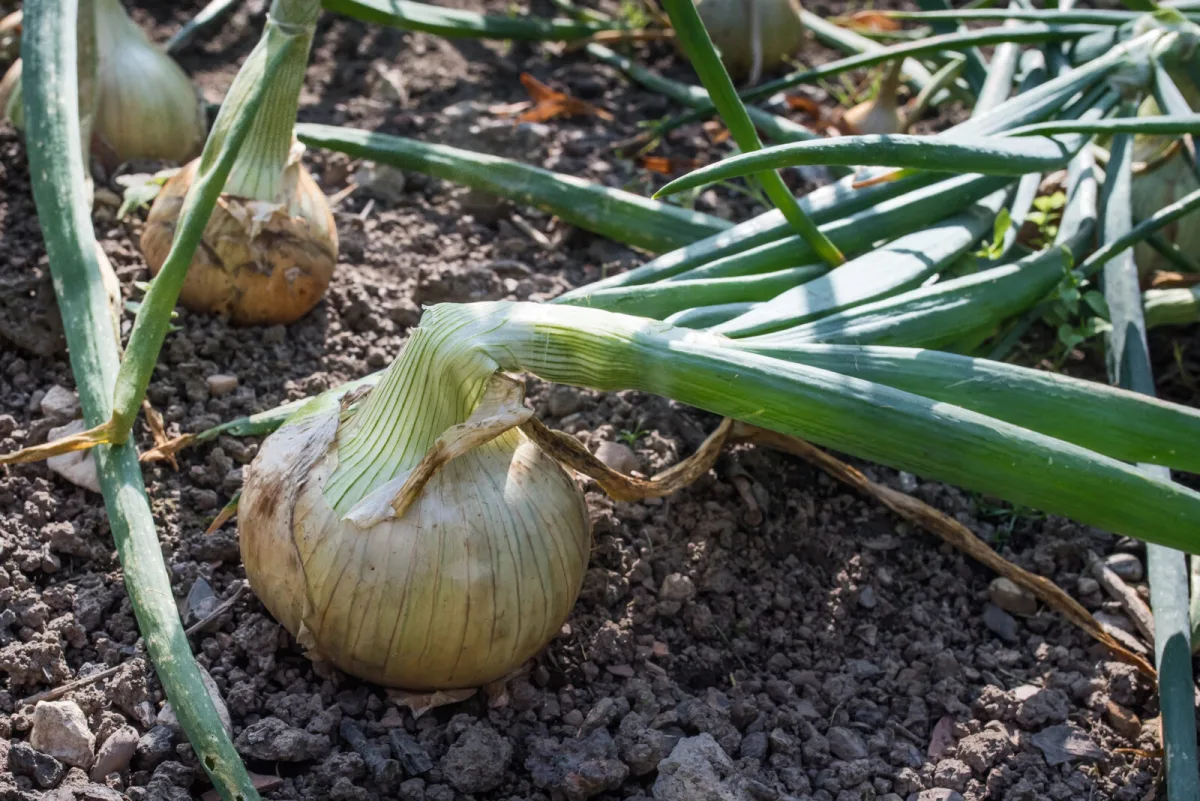
Onions are among the most-used ingredients in the kitchen, which is why it pays to have the most reliable crop possible in your vegetable bed. But growing healthy, large onions isn’t a given—especially if you’re aiming for genuinely hefty specimens. Some growers focus specifically on size and then show off onions at gardening competitions with dimensions that look more like a small grocery haul than everyday veg. While a home plot usually won’t produce such extremes, with the right approach you can still achieve nicely large, well-developed bulbs.
Onion size isn’t an accident—it’s the combined effect of the variety, the site, moisture, nutrition, and a weed-free bed.
Start by choosing the right variety
The fastest route to a bigger onion starts with selecting the right variety. Some types are bred mainly for storage, others for earliness, and others for size. If your goal is to grow truly large bulbs, it’s worth choosing a variety with the genetic potential to reach “maxi” proportions. One often mentioned is Kalsea, which with good care can produce exceptionally large onions.
Sun and soil matter more than you think
Onions like warmth and plenty of light, so the ideal spot is full sun without prolonged shading. The soil matters just as much: it should be free-draining, on the lighter side yet fertile—typically a sandy loam. In heavy, waterlogged ground, onions struggle, root less effectively, and bulbs develop more slowly.
A good planting time is when the soil has warmed at least a little—April is often recommended. It also pays to watch your spacing, because without room the bulbs “push” against each other and won’t bulk up properly. A practical guide is about 25 x 10 cm, so each plant has enough space for roots and future size.
Water in moderation, at the right time
Onions need consistent moisture but hate being waterlogged. They appreciate water most right after planting and then during the period when the bulb starts to swell in earnest. If you let them sit dry for too long during these phases, growth slows and the final size can be noticeably smaller. On the other hand, constant overwatering increases the risk of rots and weaker rooting.
Feeding is the boost behind truly big bulbs
Fertilising is also key if you want a substantial harvest. It’s best to provide your base nutrition before planting, then top up during the season in periods of vigorous growth—typically a few times depending on how the crop looks. Growers often reach for specialist fertilisers formulated for onions and garlic, as these tend to have a balanced nutrient profile, including sulphur, which is important for alliums.
Well-proven options include products such as HortiCerit or Cererit. If you prefer a more natural approach, you can work in compost, bone meal, or well-rotted manure—whether cow, horse, or poultry. The key is that organic fertilisers must be fully matured; otherwise they can scorch plants or drive soft growth at the expense of quality.
Weeds are a quiet competitor for water and nutrients
Onions are surprisingly sensitive to competition in the bed. Weeds steal moisture, nutrients, and space, and they can also attract pests or spread diseases. With onions, the rule is simple: keep the bed as clean as possible. Regular weeding is extra work, but when you’re chasing “onion giants”, it’s one of the most important details.
If you want to suppress weeds more cleverly, you can cover the bed with cardboard and cut holes for individual plants. The cardboard shades the soil, weeds have far less chance, and moisture is also retained better.
Neighbours in the bed can help—or harm
Thoughtful companion planting often brings good results as well. Onions traditionally pair well with carrots, because they can protect each other from common pests. While the onion scent makes life harder for carrot pests, carrots in turn help limit pests that attack onions. Lettuce, beetroot, cucumbers, radishes, celery, parsnips, dill, parsley, or summer savory also usually do well next to onions.
By contrast, growing onions near brassicas is often problematic, as they frequently don’t suit onions. If you want to get the most from your onions, plan the bed so they have good neighbours—and plenty of space and light.
Getting the details right adds up to a big harvest
Giant onions don’t come from one trick, but from a series of good decisions. Choose a variety with real potential, give it sun and free-draining soil, keep an eye on spacing, water without waterlogging, feed regularly, and keep the bed weed-free—and you have a realistic chance of harvesting genuinely large, healthy bulbs. And if you add smart combinations with neighbouring crops, your onion harvest can get better year after year.
Source: NDSU, GiantVeg, Gardener’s World, Pestrazahrada.cz

A lover of nature, gardens, and everything that moves, blooms, or grows. He literally grows everything, from herbs to rare species, and he enjoys caring for animals just as much. In his work, he connects modern technology with tried-and-tested grandmotherly methods and is happy when both paths lead to the same goal.
Related articles
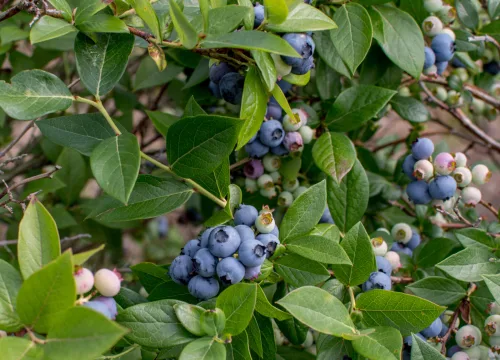
After harvesting blueberries do these steps and you will pick twice as much next year
Once the last berries are picked, your blueberry bush is already setting the stage for next season. A little pruning, the right feeding, steady moisture and fresh mulch can mean far more flowers and fruit next year.
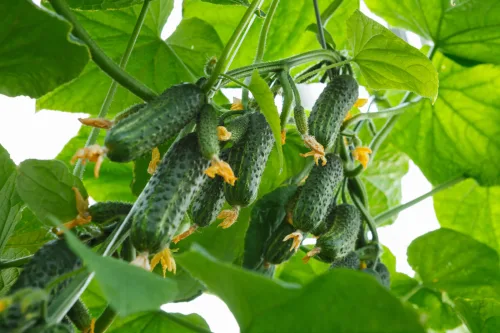
August decides whether cucumbers keep cropping or stay strong into October
Cucumbers often start to tire late in the season, with weaker nutrient uptake and more pressure from pests and disease. A simple root drench made with diluted vinegar is one option some gardeners use in August to help keep plants productive for longer.
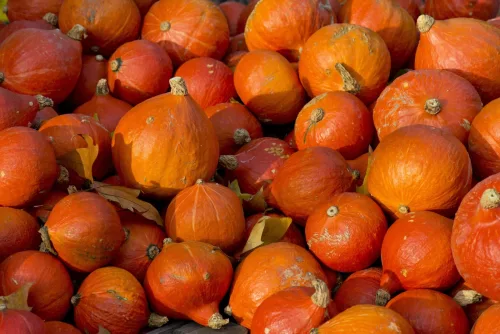
Pinch Out the Pumpkin Tip and the Plant Will Put Its Energy into Ripening the Fruit
Hokkaido squash is a reliable winter squash with a rich, nutty flavour and straightforward cultivation. Learn when to sow and plant it, how to pinch it for better ripening, and how to harvest and store it for months.
Comments (0)
Be the first to comment.