
 English
  Polski
  Deutsch
  Nederlands
  Svenska
  Norsk
Norsk  Dansk
Dansk  Français
  Italiano
  Español
  Português
  Slovenčina
  Suomi
Suomi  Gaeilge
 A Simple Feeding Fix for Peppers That Boosts Flowering and Increases Fruit Set
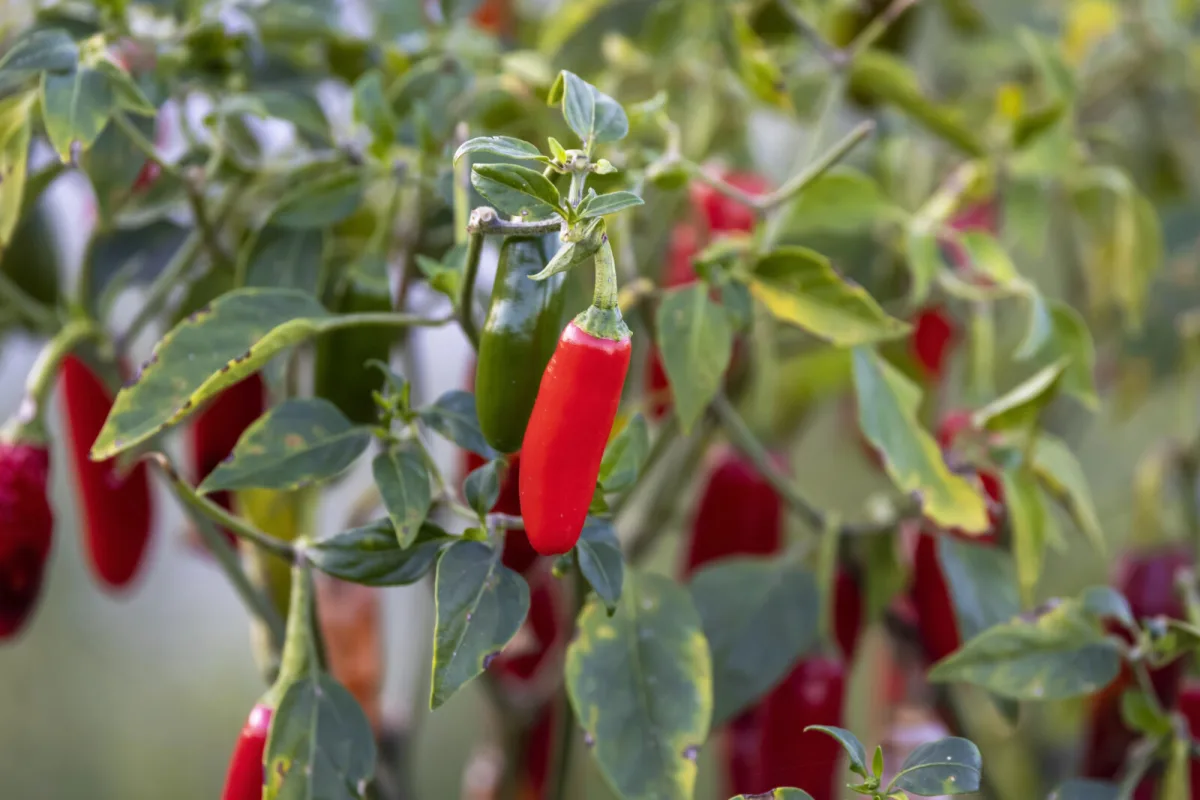
Peppers can be demanding when it comes to nutrients, especially if seedlings stall, leaves turn pale, or plants take a long time to set flowers. A simple homemade feed can help by supplying key elements for root growth, fruit formation, and overall vigour. The advantage is that it’s a fully organic approach, suitable even for gardeners who prefer not to use commercial fertilisers.
This combination also comes in handy if your soil is too acidic. The ingredients help balance soil conditions while providing nutrition in an easily available form.
A protective calcium feed to prevent blossom end rot
The foundation is a calcium-rich mix, which is often crucial for preventing rot and damage at the blossom end of the fruit. When the plant has enough calcium, fruits hold their quality better, stay firmer, and are less prone to problems that are often blamed on disease but are actually linked to nutrition and stress from irregular watering.
What you’ll need
For the protective feed: 1 preserving jar of chalk, 300 to 500 ml of chicken manure, 10 litres of water.
If you don’t have chicken manure, you can use a substitute green feed instead. Simply soak weeds, grass, or nettles in water, let it ferment for about 7 days, then dilute at a ratio of 1:10 with clean water.
How to prepare and apply the feed
Mix all ingredients in a suitable container and stir thoroughly. Apply the finished solution at the base of the plants so each one receives about 1 litre. It’s important to feed onto moist soil, ideally after watering or after rain, so the nutrients move to the roots more easily and the plant doesn’t suffer shock.
After a few days, you’ll often notice much more vigorous growth and stronger plants.
A potassium feed for heavy fruit set and ripening
Alongside calcium, peppers also benefit greatly from potassium. It supports flowering, fruit formation and ripening, and also helps plants manage water more efficiently. A practical source of potassium is wood ash.
A simple wood ash recipe
For the potassium feed: 1 litre preserving jar of wood ash and 10 litres of water.
Stir the ash into the water and let it stand briefly, then carefully use it to water at the roots. As with the previous mix, it’s best applied to already moist soil. By alternating or sensibly combining these organic feeds, peppers get a steadier supply of nutrients, grow more strongly, and crop more reliably.
Source: GrowVeg, Almanac, To je nápad, Pestrazahrada.cz

A lover of nature, gardens, and everything that moves, blooms, or grows. He literally grows everything, from herbs to rare species, and he enjoys caring for animals just as much. In his work, he connects modern technology with tried-and-tested grandmotherly methods and is happy when both paths lead to the same goal.
Related articles

How to Keep Your Pool Sparkling Clean Without Unnecessary Effort or Stress
Keeping pool water crystal clear doesn’t have to be hard work. With a simple daily-and-weekly routine, you’ll prevent cloudiness, algae and breakdowns before they start.
A Simple Trick for a Bigger Pepper Harvest and Faster Ripening
Regular watering and feeding aren’t always enough for a heavy pepper crop. Pinching out the growing tips redirects the plant’s energy into branching, flowering, and ripening fruit faster.

Fireflies are disappearing from the landscape, learn how to create a safe garden home
Warm summer nights are even more magical when fireflies start flashing at dusk—but their numbers are falling. With a few simple changes to mowing, planting, lighting and chemical use, your garden can become a safe refuge again.
Comments (0)
Be the first to comment.