
 English
  Polski
  Deutsch
  Nederlands
  Svenska
  Norsk
Norsk  Dansk
Dansk  Français
  Italiano
  Español
  Português
  Slovenčina
  Suomi
Suomi  Gaeilge
 Low Maintenance Sun Loving Plants That Handle Drought and Summer Heat
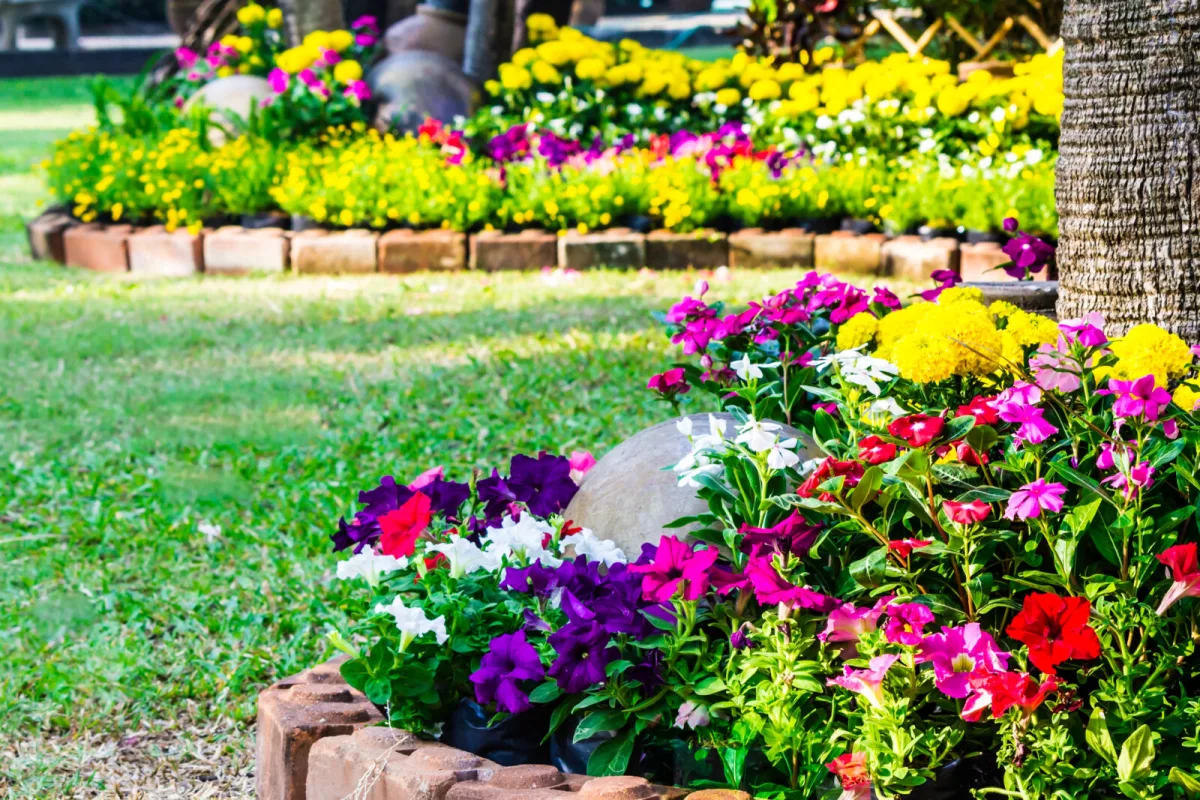
In many gardens there’s a corner where the sun beats down from morning till evening and shade practically never shows up. Those are exactly the tricky spots, because the soil dries out quickly and some plants struggle there. The good news is that there are plenty of plants that actively prefer full sun and, at the same time, don’t demand fussy care. Give them the right start—especially free-draining soil for drought-tolerant types and watering while they’re establishing—and they’ll repay you with a long season of blooms, interesting foliage, or dependable ground cover.
Below you’ll find fourteen tips for flowers, shrubs, small trees and ground-covering plants that suit the hottest sites. For most of them, one simple rule applies: water regularly at first, then more sparingly later on depending on the weather. That way even the driest, sunniest part of the garden can look lively and well kept.
Flowering perennials and annuals for blazing sun
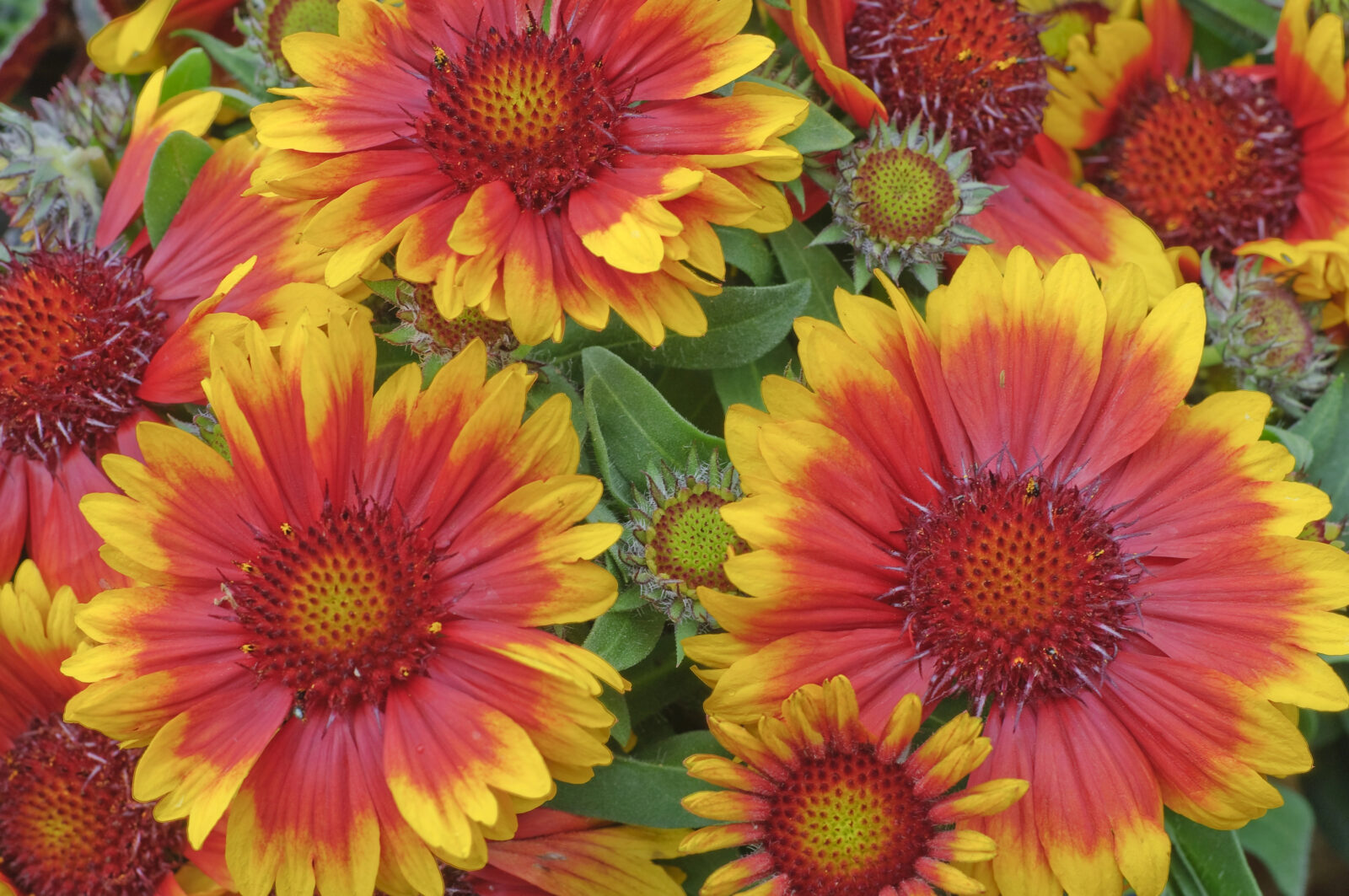
Blanket flower brings fiery colour and long blooming
Blanket flower (Gaillardia) can quickly fill a border and offer bold warm shades. It blooms for a long time and its flowers are hard to miss even from a distance. It isn’t a delicate plant, but it does best in soil that drains well. Keep watering moderate—the aim is evenly moist soil, not waterlogged ground.
Cosmos is light, airy, and looks great in a vase too
Cosmos is one of the most popular annuals for full sun because it grows willingly yet looks delicate. With its range of flower forms and colours, it adds depth and a natural feel to a border and works well in meadow-style planting too. While it’s growing it appreciates slightly moist soil; once established, it can cope with longer spells without watering.
Marigolds handle heat and keep flowering when other plants slow down
Marigolds (Tagetes) love warmth and thrive in sunshine. Their full, fluffy blooms brighten up beds, window boxes, and the area around a patio. They aren’t fussy about soil; ordinary garden soil is usually enough. During active growth, weekly watering is ideal—later on they can be surprisingly drought tolerant.
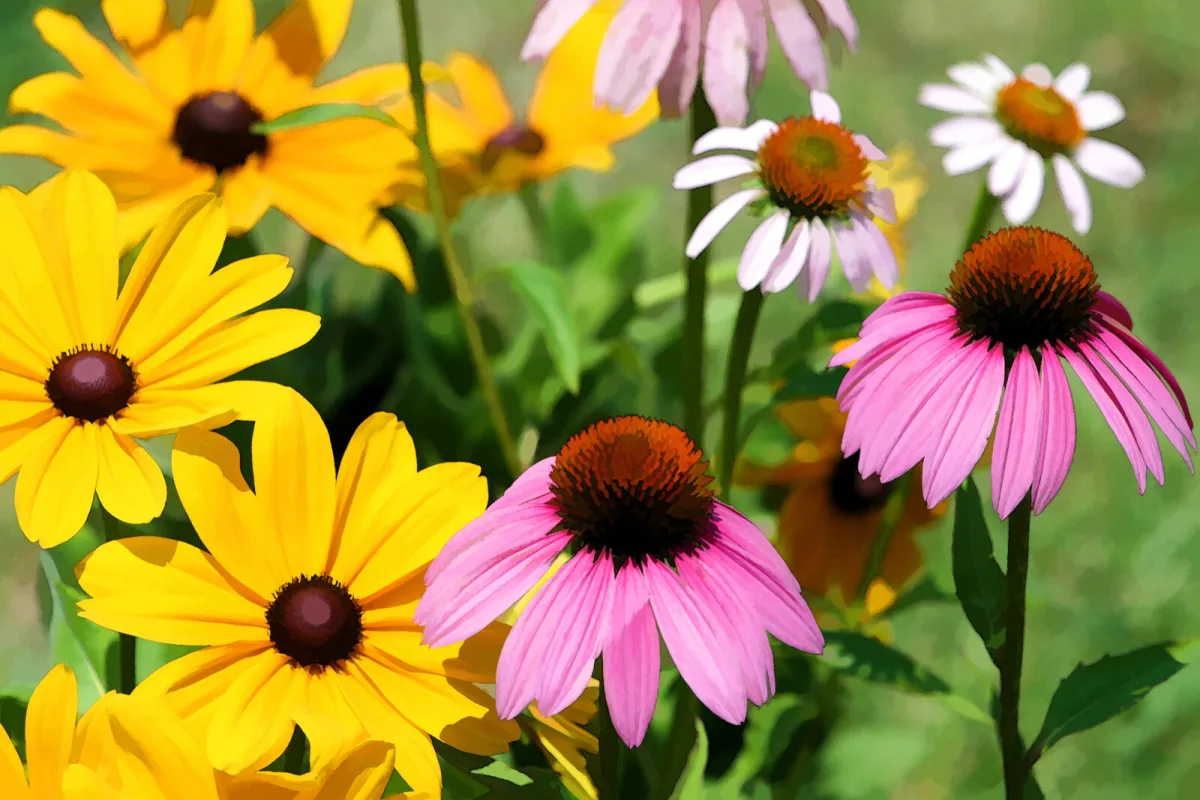
Black-eyed Susan resembles small sunflowers and is tough
Black-eyed Susans (Rudbeckia) produce striking yellow to orange flowers with a dark centre and can create a continuous sheet of colour in the border. After the first year they become plants that cope much better with limited water. A pleasant bonus is their decent resistance to pests, so care really is straightforward.
Milkweed attracts pollinators and thrives in a sunny spot
If you want to support butterflies, bees and other pollinators, milkweed (Asclepias) is an excellent choice. In full sun it grows readily, and some species can spread quickly, so it’s worth thinking through placement in advance. It needs watering mainly during extreme drought—then it’s better to water deeply and less often.
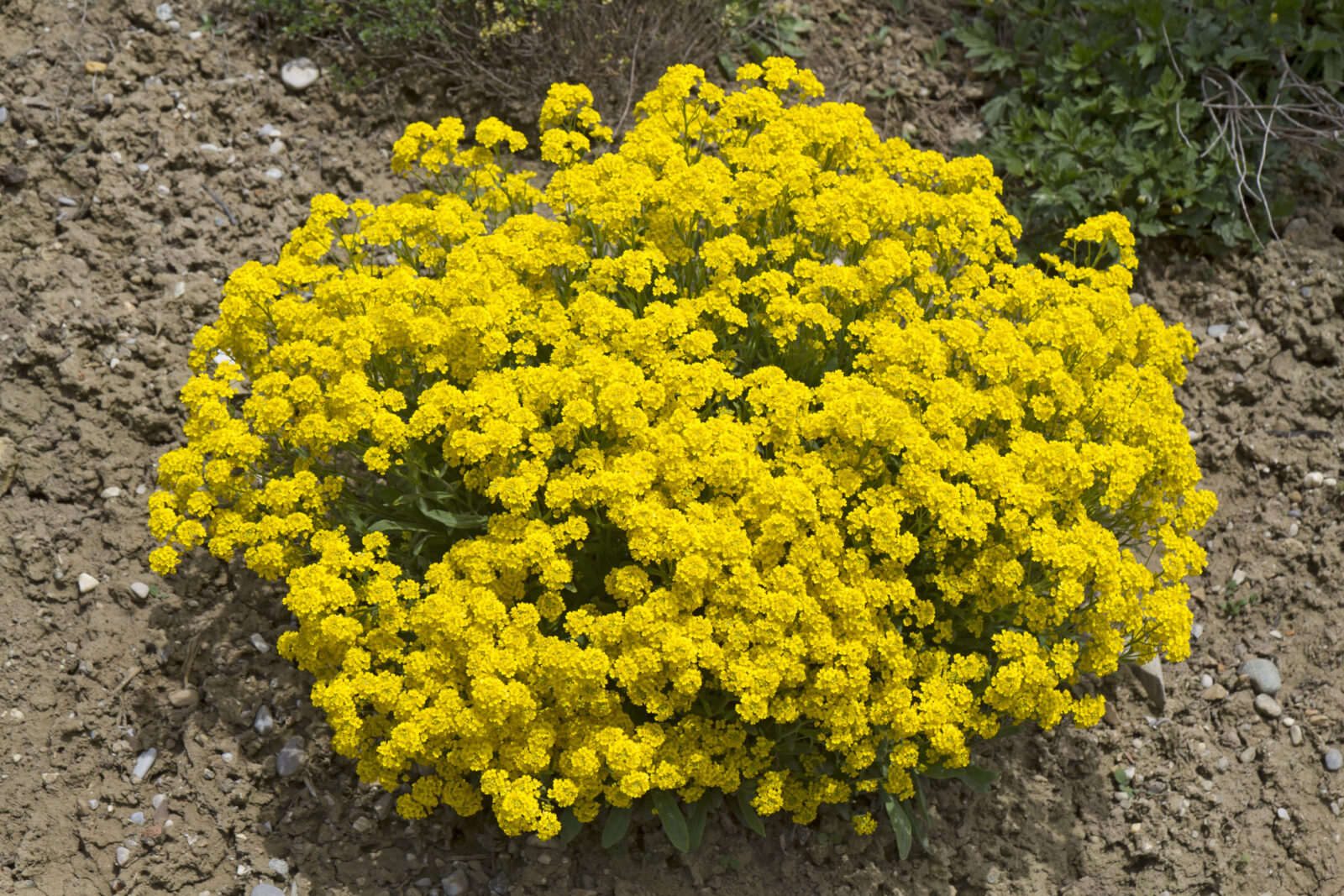
Basket-of-gold creates a low carpet for hot places
Basket-of-gold (Aurinia saxatilis), sometimes sold as yellow alyssum, works well as ground cover where the sun shines most of the day. In warmer regions it’s often grown more like an annual; in milder conditions it can last for several seasons. It doesn’t require frequent watering, but evenly moist soil helps it grow denser while it’s actively putting on growth.
Snow-in-summer offers snow-white flowers even in a scorching summer
Snow-in-summer (Cerastium tomentosum) forms cushions of grey-green leaves and in summer covers them with masses of pure white flowers. Despite its fresh look, it paradoxically prefers sunny spots. It does well even in poorer, more acidic soil and generally likes a drier regime—water only occasionally during prolonged drought.
Zinnias are at their best in direct sun
Zinnias bring rich colour to the garden, and full sun is almost a requirement for them because light helps intensify their colouring. They also suit areas with high summer temperatures, as they tolerate heat well. Watering is usually only occasional; once rooted in, they’re among the tougher flowers for drier borders.
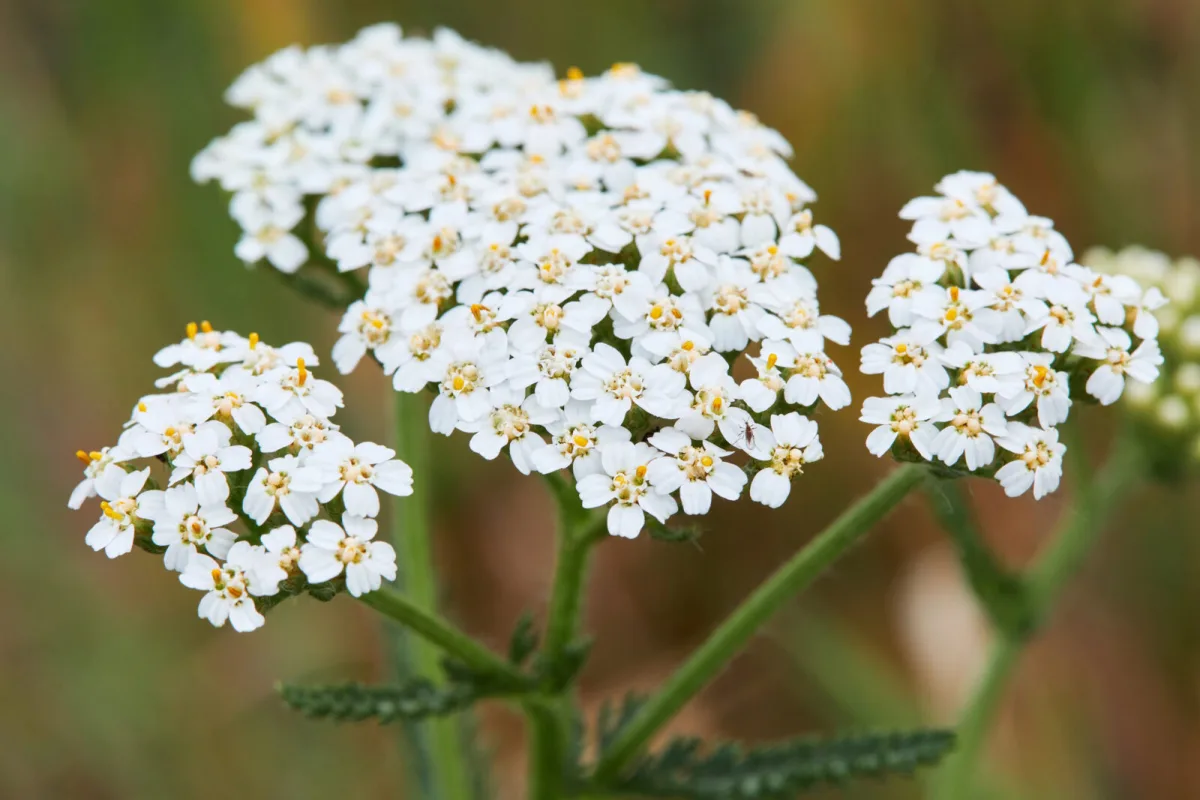
Yarrow adds structure and handles heat as well as frost
Yarrow (Achillea) looks elegant, adds a pleasing vertical structure in borders, and its flower heads attract pollinators. It suits places with hot summers and cold winters because it’s hardy. Once established it tolerates drought, and it’s often better to water it less rather than too much—do bear in mind, though, that it can spread readily.
Russian sage is an easy-care alternative to lavender
Russian sage (Perovskia) has the same airy feel and flower colour as lavender, but it’s often even more tolerant and will handle a wider range of conditions. In full sun it forms a generous, open shrub with purple blooms and pale silvery stems. Once settled in, it prefers a drier regime and doesn’t need pampering with frequent watering.
Canna brings a tropical look but wants more moisture
Cannas (canna lilies) look luxurious and exotic, yet they aren’t usually difficult to grow. Even when they’re not in flower, their large leaves add colour and presence to a bed. Unlike many other sun lovers, though, they need more water—the soil should stay consistently slightly moist, not soggy.
Shrubs, small trees and succulents for lasting impact
Purple-leaved cherry plum looks better the more sun it gets
If you’re looking for a woody plant that can take heat and still be ornamental for both foliage and blossom, the purple-leaved form of cherry plum (Prunus cerasifera) is a great pick. The leaves are a deep wine-red and in spring it produces delicate blossoms from pink to white. The more sun it receives, the stronger the leaf colour. In the first few years, regular watering is important; later on it’s enough to add water mainly during extended dry spells.
Aloe vera is a tough succulent for the warmest possible spot
Aloe vera is both useful and decorative, with firm, fleshy leaves, and in warm conditions it grows without many demands. It does best in sun, though it will also tolerate light, relieving afternoon partial shade. Watering should be occasional and thorough; between waterings, let the potting mix dry out well. In winter it’s usually watered very little or not at all.
Creeping juniper forms a dense carpet and can replace mulch or lawn
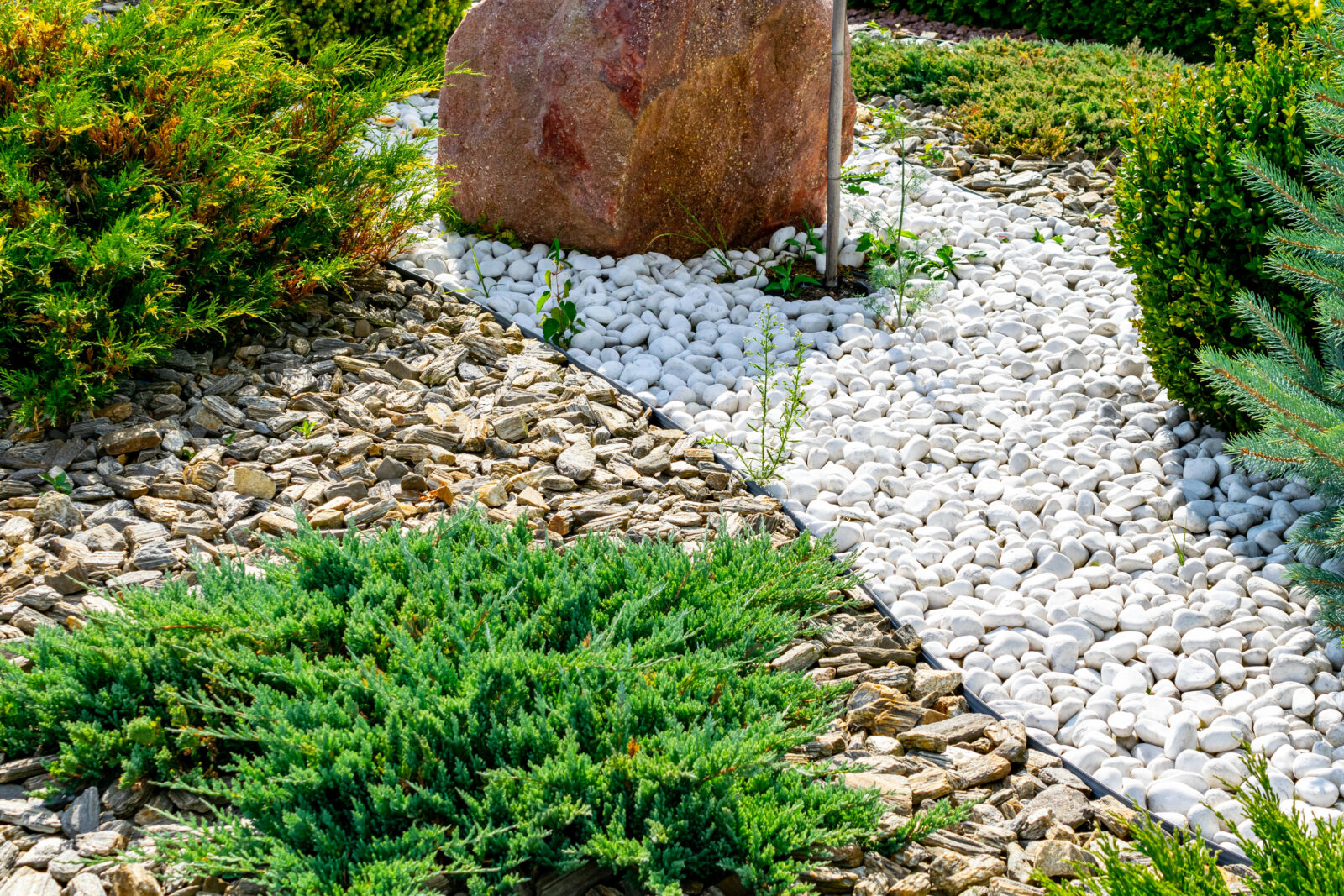
Creeping juniper is ideal if you want permanent ground cover without constant maintenance. Compared with gravel or lawn, it adds structure and colour to the garden, often in blue-green tones that look crisp even in modern plantings. While it’s establishing it needs more regular watering; once it has bulked up, it copes with less frequent watering, and sun is genuinely beneficial for it.
How to make care easier in the hottest spots
With full-sun plantings, it pays to think about how you manage soil and water. Free-draining soil helps plants that dislike waterlogging; meanwhile, moisture-loving plants will appreciate a portion of good-quality compost and more regular watering during heatwaves. Most of the plants mentioned are at their most vulnerable shortly after planting, when they’re still building their root systems. Once established, they become reliable, low-maintenance backbone plants that can look excellent for much of the season—even without shade.
Source: The Spruce, Almanac , Pestrazahrada.cz
Related articles
When Other Flowers Fade Asters Are Just Getting Started
Asters step in just as summer colour starts to wane, flooding borders with late-season blooms. They’re also a valuable nectar source for pollinators and later a seed larder for birds.
Drought tolerant fruit trees for Czech gardens that handle heat and winter frosts
Warmer summers and longer dry spells are changing what can be grown in Czech gardens. With the right variety and a sunny, sheltered spot, olives, pomegranates and figs can cope with heat, drought and even winter cold.
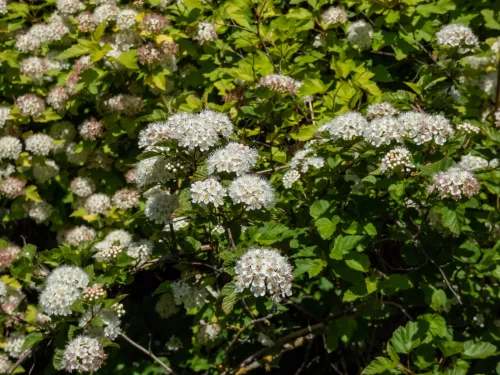
Thuja hedges are on the way out gardeners are choosing a shrub that shrugs off frost and drought and never looks dull
Thuja may be a long-standing classic, but today’s hedges are increasingly built from more varied shrubs that look better through the seasons. One standout choice is ninebark, prized for its toughness, colour and easy care.
Comments (0)
Be the first to comment.