Five Shrubs Autumn Pruning Will Ruin Even After Flowering
Autumn tidy-ups can be tempting, but cutting the wrong shrubs now can remove next year’s flower buds. Learn which popular ornamentals should be left alone until after flowering or spring.
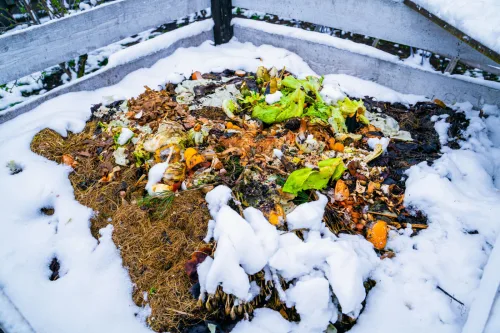
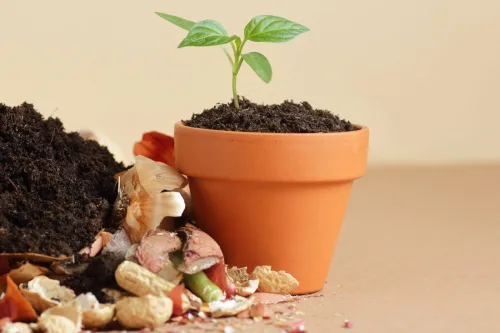
Winter slows composting, but it doesn’t mean you have to stop. Use a lidded container near the back door to store kitchen scraps until the pile thaws and spring warmth restarts decomposition.
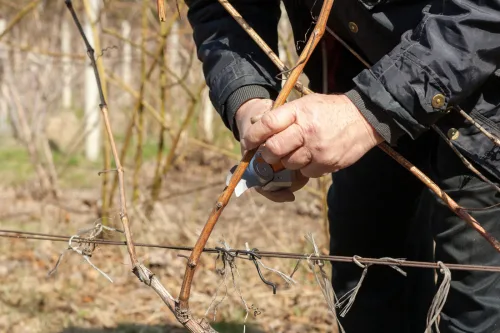
Autumn pruning is one of the key jobs that determines how well your grapevine will grow and crop next season. The most common mistake is leaving too much wood, which leads to a dense canopy and smaller, slower-ripening bunches.
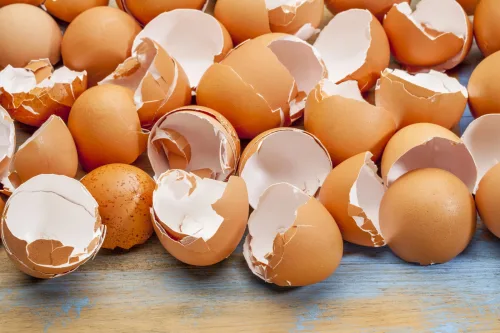
Eggshells are a simple, free way to return calcium and minerals to your soil. Used correctly, they can support plant growth, gently reduce soil acidity, and even help deter some garden pests.
In autumn containers, prolonged rain can leave compost waterlogged and roots starved of oxygen. A loose layer of dry birch bark at the bottom helps create an airy buffer that reduces the risk of root rot.
After summer stress, early autumn offers ideal conditions for lawn recovery. A few well-timed jobs like scarifying, aeration and targeted repairs can make a clear difference next spring—while overfeeding can backfire.
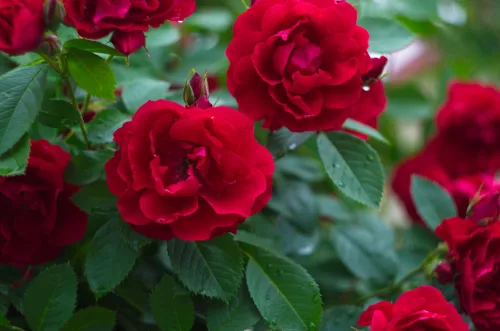
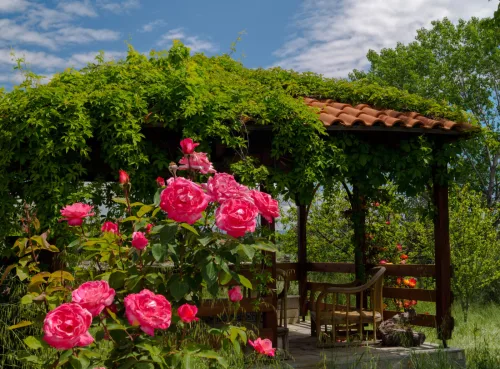
Roses look their best when they’re properly prepared for winter. A timely autumn prune, health check and sensible frost protection will set plants up for vigorous spring growth and a strong June display.
The ZZ plant is famous for coping with neglect, but one well-meaning habit can slowly ruin it. Learn the light, soil and watering routine that keeps it thriving, plus how to use banana peel feed safely.
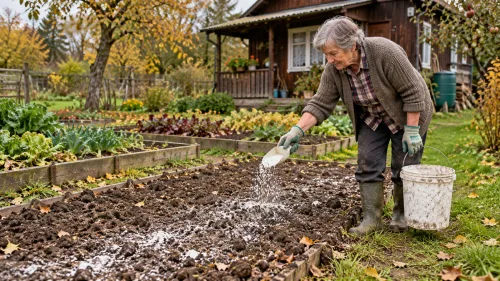
Autumn soil liming can markedly improve soil structure and balance pH for healthier vegetables next season. It’s most worthwhile on heavy or overly acidic soils where nutrient uptake and disease resistance suffer.
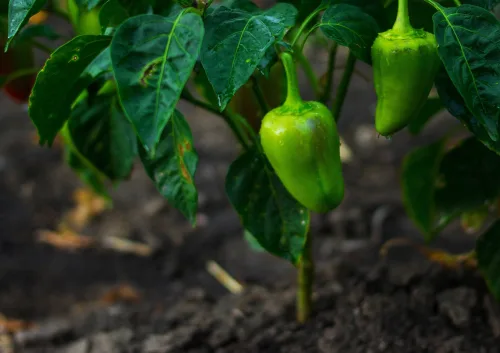
Peppers aren’t just a one-season crop. With a simple overwintering routine, you can keep your plants alive indoors and enjoy earlier, heavier harvests next year.
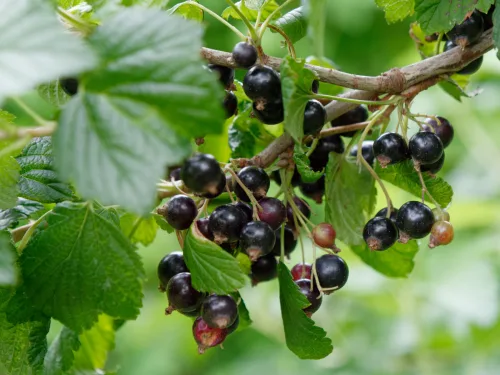
Currants crop best on younger wood, while old stems drain the plant and shade out productive new growth. A quick autumn prune keeps the bush open, healthy, and reliably fruitful next season.
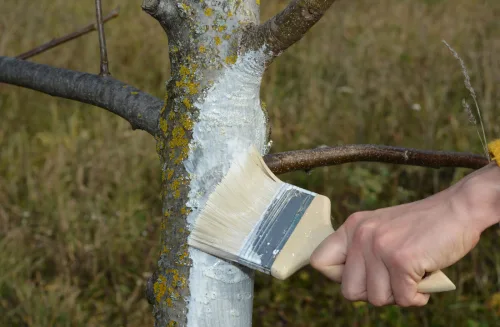
Whitewashing tree trunks in winter isn’t decoration. It helps prevent bark cracking caused by sharp day-to-night temperature swings and reduces the risk of disease entering through wounds.
October is the best time to set currant bushes up for a strong spring and a heavy crop. With the right pruning, protection and autumn feeding, you’ll encourage more flower buds and better winter hardiness.
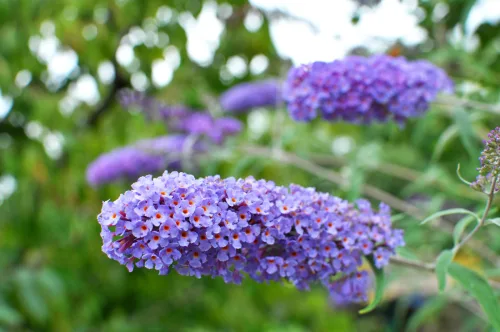
Butterfly bush (Buddleja davidii) benefits from a light autumn tidy-up, seedhead removal and a bit of root protection. These October steps help keep the shrub compact, limit self-seeding and improve its chances through winter.
Autumn is the right moment to tidy perennials, shrubs and trees, but only when the cut suits the plant. Done well, it improves winter resilience, limits disease and sets plants up for a strong start next season.
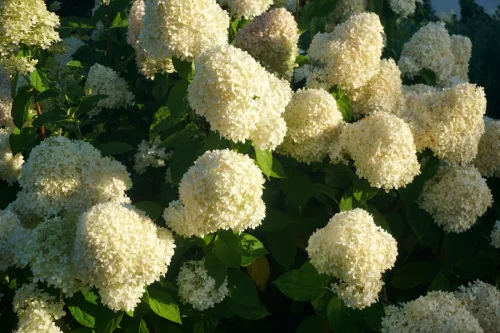
Hydrangeas reward you with bigger, showier blooms when they’re pruned at the right time and in the right way for the type you grow. Leaving spent flowerheads on over winter can even help protect tender buds from frost.
As autumn arrives, some patio and balcony plants can stay outside through chilly nights, while others need bringing in before the first real frost. The key is a plant’s origin, hardiness, and the forecast—not the calendar.
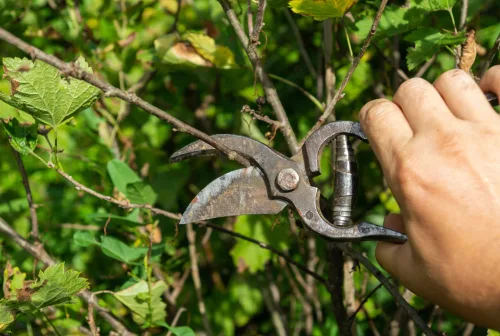
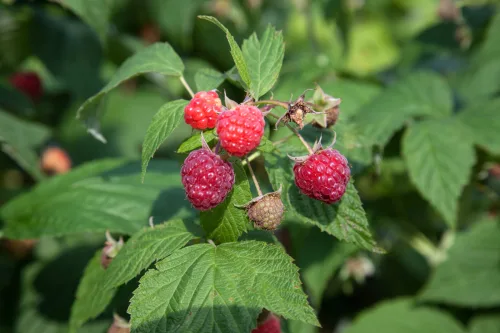
Autumn pruning is the key moment for raspberries, blackberries and currants. Remove old, weak or diseased wood now and you’ll get healthier plants and a bigger crop next season.
Your roses’ performance next season depends on timely pruning and proper winter protection. Temperature, hygiene around the bush, and keeping the graft union safely covered are the key details that make the difference.
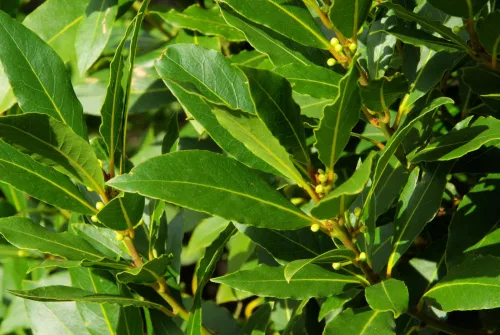
With the right autumn trim and a proper winter rest, bay laurel will stay dense, healthy and ready to put on strong growth in spring. Move it in before real cold arrives, water sparingly, and stick to light tidying rather than hard pruning.
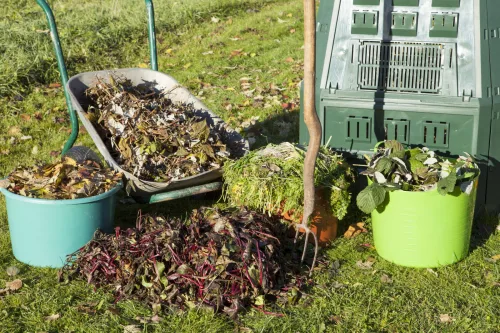
Autumn composting turns fallen leaves and post-harvest garden waste into a nutrient-rich soil improver. It also gives the compost heap time to break down over winter, setting beds and lawns up for stronger spring growth.
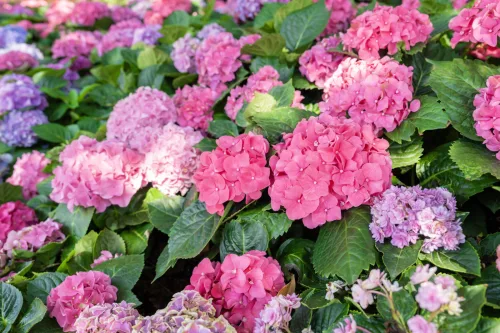
Pruning hydrangeas in September can wipe out next season’s blooms if you cut the wrong type. The key is knowing whether your hydrangea flowers on old wood or new wood.
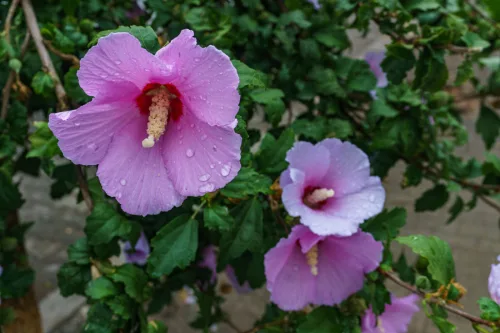
Whether to prune hibiscus in autumn depends on what you’re growing and where it will overwinter. Tropical hibiscus needs only light tidying, while hardy outdoor types can handle a firmer cut once growth is winding down.
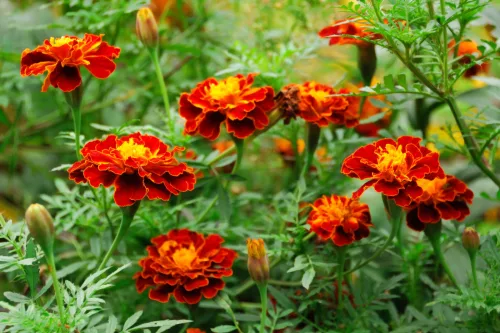
When marigolds finish flowering, they don’t have to go in the bin. If the plants are healthy, you can turn them into compost, mulch, or even save seed for next year.
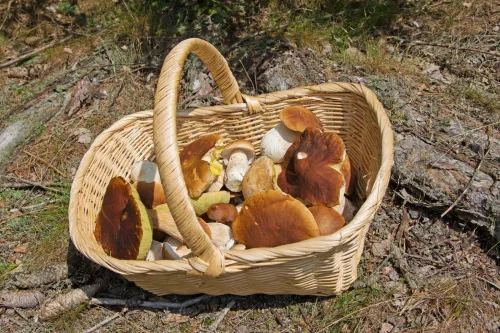
Preserving mushrooms in their own juices is a simple, time-tested way to keep the true woodland flavour for winter. The key is a two-day, double heat process that greatly improves shelf life without vinegar or oil.
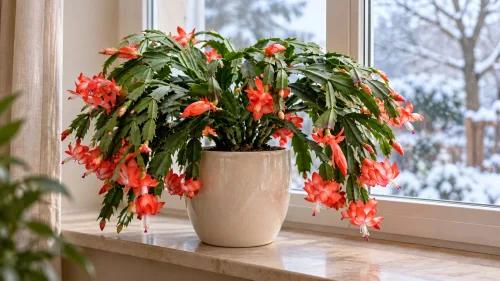
With Christmas cactus, winter flowering isn’t mainly about watering or feeding—it’s about uninterrupted darkness after dusk. Start in September to trigger bud set and enjoy a full display in December.
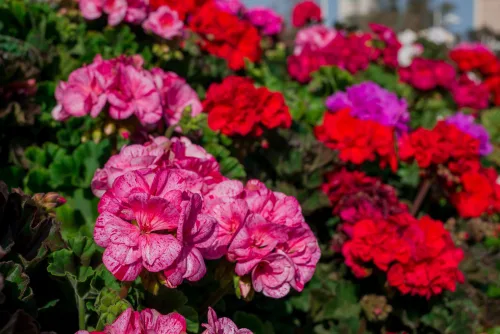
Store geraniums bare-root in a cardboard box over winter—no watering, no pots, and hardly any space needed. With the right cool, frost-free spot, they’ll wake up quickly in spring and flower strongly again.
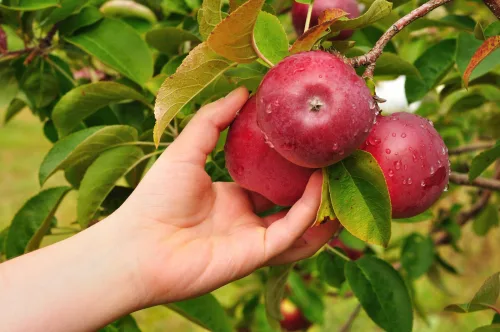
How you handle apples at harvest has a huge impact on how long they keep. Gentle picking, careful sorting and the right storage conditions will help prevent rot and unnecessary losses.
Sowing a lawn from seed is affordable and flexible, but success hinges on careful soil preparation, the right seed mix, and patient aftercare. Follow proven timing and sowing techniques to get a dense, even sward without bare patches.
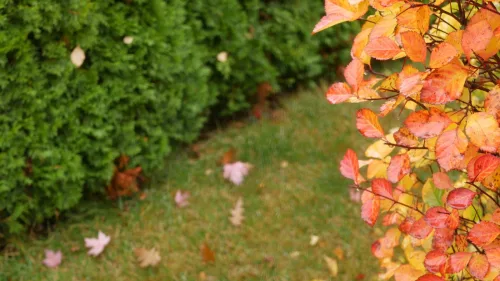
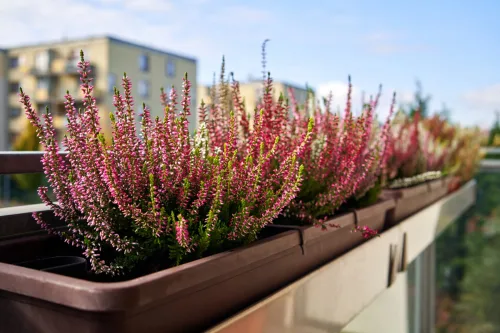
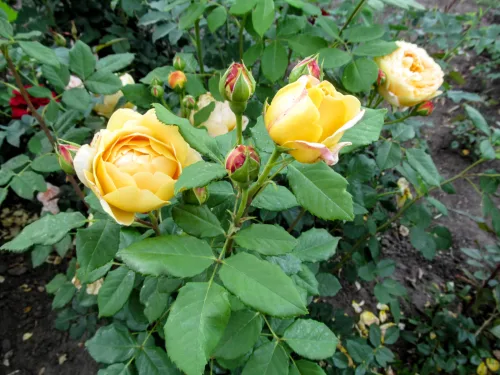
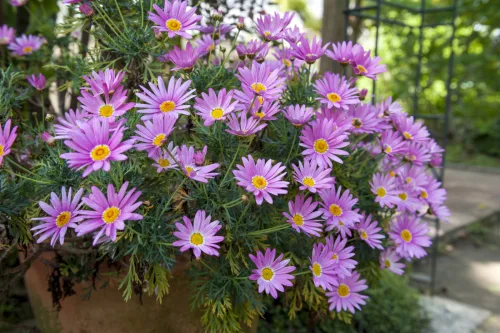
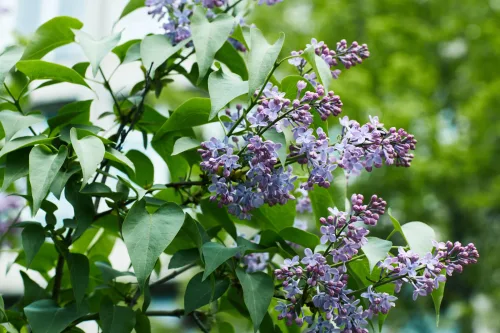
Early autumn can tempt you to tidy shrubs with the secateurs, but September pruning can trigger soft new growth, weaken plants for winter, and cost you next spring’s flowers. For many shrubs, waiting until after flowering or until spring is the safer choice.
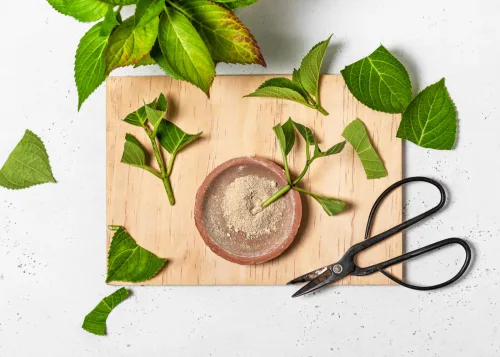
Taking cuttings in September is an easy, low-cost way to raise new plants for beds and containers. Root them under protection through winter and you’ll have sturdy young plants ready to go outside in spring.
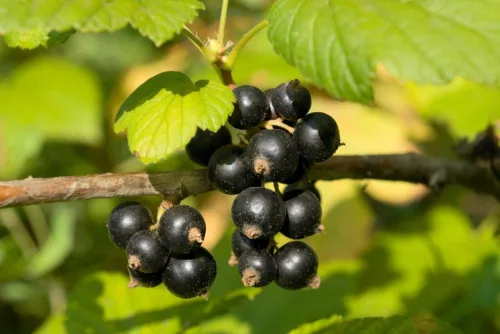
Autumn currant pruning isn’t about cutting out all old wood at once. Learn how to thin and renew black, red, and white currants correctly so you don’t sacrifice next year’s harvest.
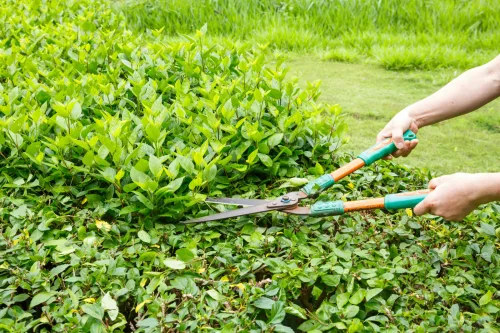
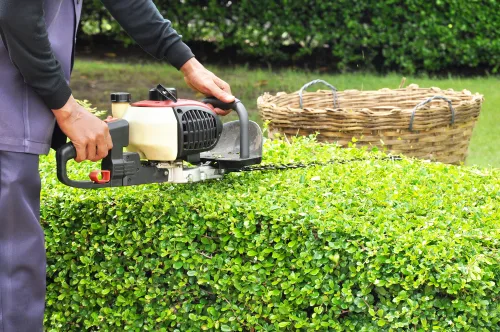
The right timing and technique make the difference between a thin, leggy hedge and a dense, well-shaped one. Learn how to prune young hedges for structure and keep established hedges neat without harming growth, wildlife or flowering.
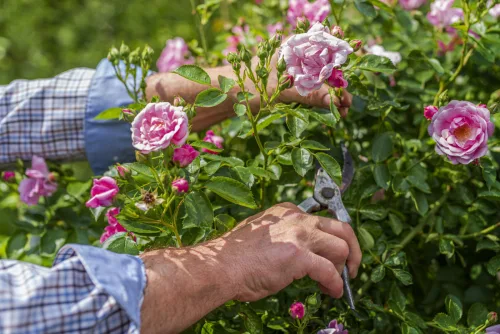
Roses can look great well into late autumn, but a well-timed autumn prune helps them go into winter in better shape and reduces disease. Done at the right moment, it also prevents long canes from being damaged by frost, wind, or snow.
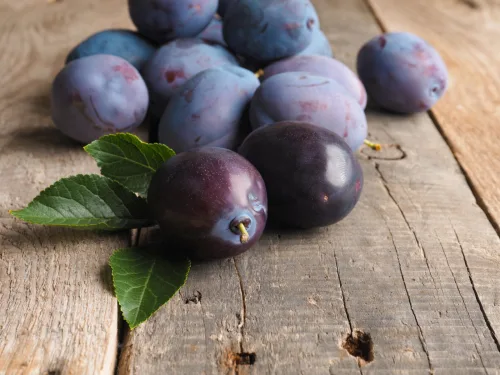
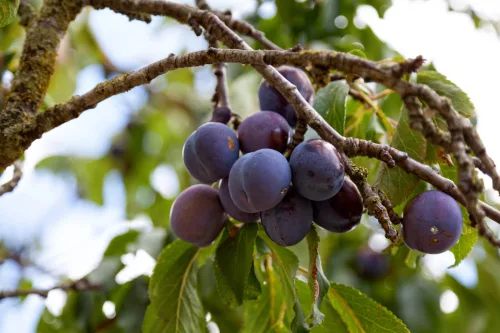
Hard, tart plums don’t have to be wasted. With a warm windowsill or a paper bag (plus a little ethylene help), they’ll soften and sweeten in just a few days.
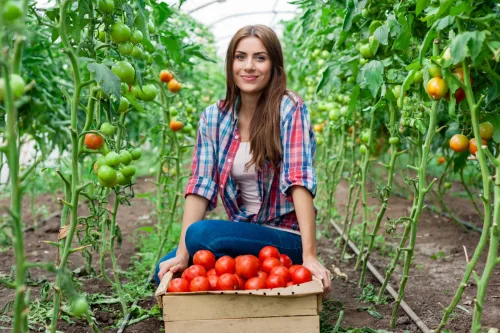
Once the last tomatoes are picked, the work isn’t quite finished. A thorough autumn clear-up, gentle soil care, and a quick cover crop can significantly reduce disease pressure and improve soil condition for next season.
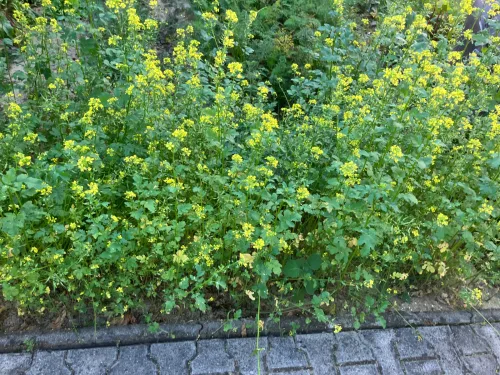
Oilseed rape doesn’t have to be just a symbol of vast yellow fields. In the garden it can be an effective green manure, building organic matter, improving soil structure, and helping protect beds between crops.
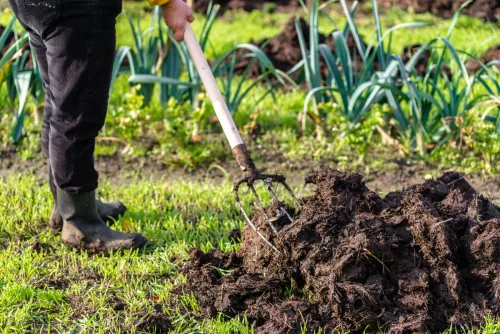
Manure is a superb soil builder, but used fresh it can burn plants and bring hygiene risks. Learn how different manures vary and when to apply or compost them safely.
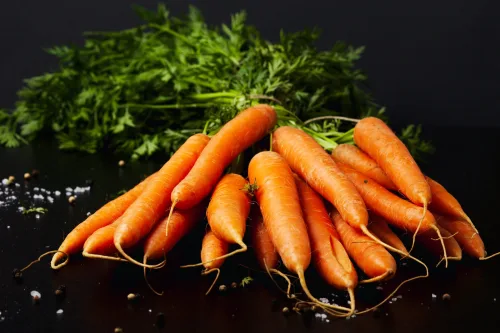
Carrots can look lush above ground long before the roots are ready. Use a few clear signs—especially the often-missed clue at the crown—to harvest at peak sweetness and crunch.
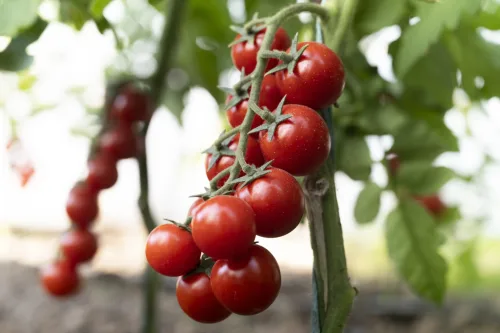
Tomatoes don’t have to stay green until late summer. With a few simple, chemical-free tweaks, you can push plants to ripen sooner and protect your crop from cool nights, wet weather and blight.
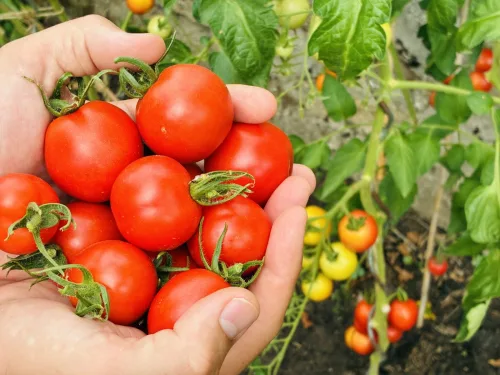
A hot, dry summer often brings a bumper tomato crop. Here are practical ways to preserve tomatoes so you can enjoy that summer flavour all winter long.
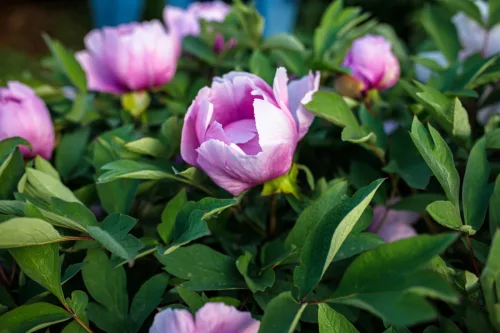
Once peonies finish blooming, the aftercare you give them determines how well they store energy for next year’s flowers. Learn exactly what to cut, what to leave, and how to support the plant through summer.
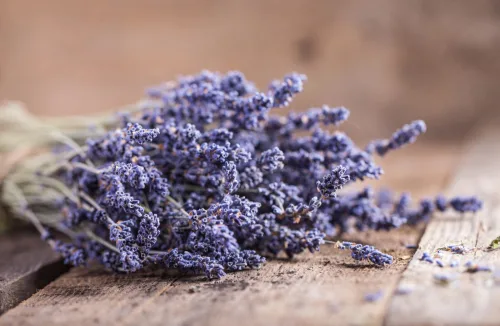
Don’t throw away lavender stems and faded flower heads after summer pruning. Steep them in vinegar to make a gentle, naturally scented fabric softener in no time.
A light summer prune after harvesting plums can open up the canopy, improve airflow and light, and help the tree set up better fruiting wood for next season. The key is timing and restraint—save heavy rejuvenation pruning for spring.
Homemade liquid fertilisers can be brilliant, low-waste plant food, but only when they’re diluted correctly. Mix them too strong and you risk stressing roots, scorching growth and setting plants back at the very moment they should be thriving.
Summer quickly reveals where a garden overheats and where it needs more shade and moisture. A layered planting scheme of trees, shrubs, perennials, groundcovers and climbers can noticeably cool the air and help the soil hold on to water.
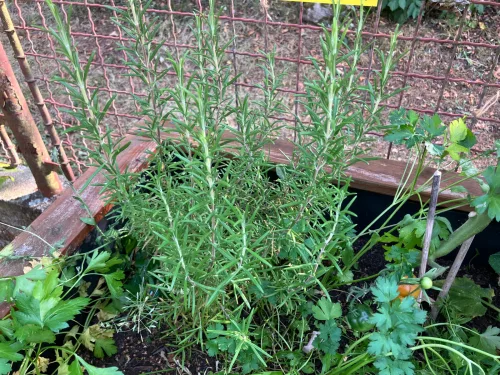
Rosemary can be picked almost year-round, but the way you harvest it determines how well it regrows and how intense its aroma will be. Learn when to cut, how much to take, and the best methods for storing fresh, dried, or frozen sprigs.
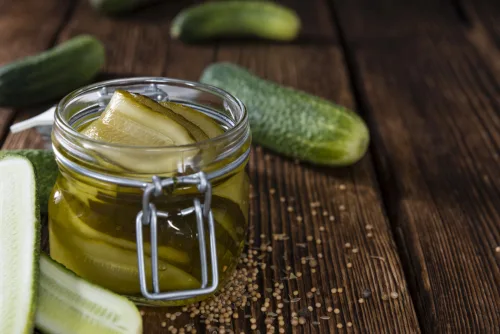
Quick fermented cucumbers are ready in just a few days, but in hot weather they can turn soft fast. These practical tips help you keep them firm, crisp, and pleasantly tangy.
A green roof is more than a decorative feature: it’s a layered system that manages rainwater, improves thermal comfort, and supports urban biodiversity. Learn the main roof types, suitable plants, and what to plan before you build.
Cut roses don’t have to end their life in a vase. With a few simple at-home rooting methods, you can try turning a bouquet into new rose plants for pots or the garden.