
 English
  Polski
  Deutsch
  Nederlands
  Svenska
  Norsk
Norsk  Dansk
Dansk  Français
  Italiano
  Español
  Português
  Slovenčina
  Suomi
Suomi  Gaeilge
 How to Fertilise Cucumbers for a Steady Summer Crop
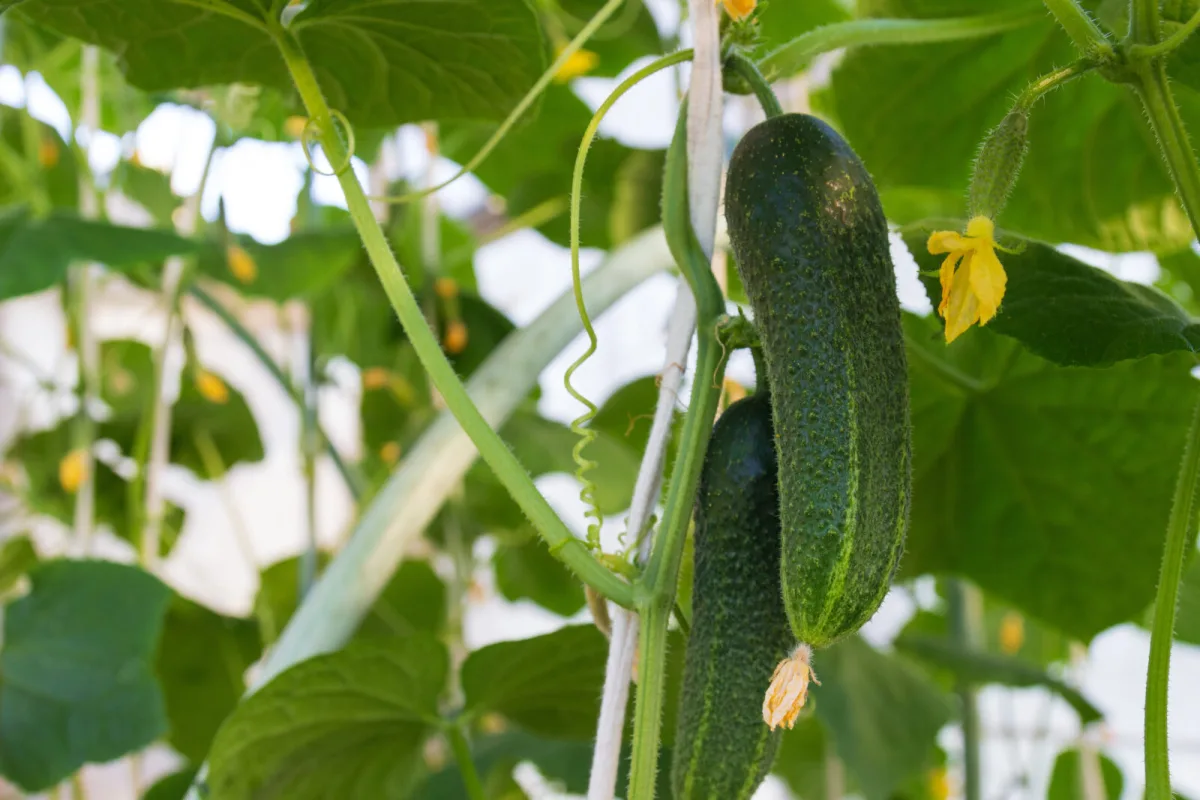
Cucumbers are among the most nutrient-hungry vegetables and they also need consistent watering. It isn’t enough to feed them once after planting and expect them to keep setting fruit all the way into autumn. If you supply the right nutrients at the right growth stage, they’ll reward you with a long, steady harvest. Timing and dosage matter just as much as the choice of fertiliser, as does making sure the soil never dries out completely.
Early season is all about roots and leaves
In the first weeks after sowing or transplanting, cucumber growth is often slower, which is perfectly normal. The plant is first building a root system and developing leaf area that will later provide the energy for flowering and fruiting. At this stage, nitrogen is key because it supports leaf and stem growth. Phosphorus is also useful for strong rooting, along with a smaller share of potassium for vigour and better resilience in young plants.
In the bed, well-rotted compost or an organic pelleted fertiliser works well. If you enriched the soil beforehand with compost or well-aged manure, you can easily delay the first feed by a few weeks because the plants already have plenty to draw on.
As soon as flowers appear, it’s time to change the feeding
The most common avoidable mistake is continuing with the same feeding used at the start of the season. Once cucumbers begin to flower, they no longer need to be pushed into leafy growth. Energy should go into flowers and then fruit, so it’s best to reduce nitrogen and switch to nutrition with a higher proportion of phosphorus and potassium.
Phosphorus supports flowering and fruit set, while potassium helps with fruit growth, flavour, and the plant’s overall resilience. Liquid feeds formulated for fruiting vegetables are practical because they’re absorbed faster than pellets and the effect usually shows up quickly.
Why too much nitrogen during flowering is a problem
If you keep adding high doses of nitrogen during bloom, the cucumber will respond with lush growth of shoots and leaves. It may look strong and healthy, but it will set fewer flowers and fruits. The result isn’t a heavy crop, but a mass of dense green growth. Excess nitrogen also encourages soft tissue, which can be more prone to fungal diseases.
Smaller doses more often beat a single heavy feed
With cucumbers, consistency pays off. Instead of one large feed, it’s better to supply nutrients in smaller amounts on an ongoing basis. Liquid fertilisers are typically applied about once every 7 to 14 days, depending on plant condition and the manufacturer’s guidance. Many experienced growers choose a slightly weaker dilution and feed more often, so the plant has nutrients available without sharp swings.
A key rule is: don’t fertilise dry soil. Water the bed thoroughly first and only then apply the fertiliser. Roots take up nutrients more efficiently and the risk of damage is reduced. On hot days, it’s better to feed early in the morning or in the evening, when the soil isn’t overheated.
Signs your cucumbers are missing something
Nutrient deficiency or excess often shows up on leaves and fruit. If older leaves gradually yellow, it’s a typical sign of nitrogen deficiency. If the plant produces lots of leaves but few flowers and fruits, it’s usually too much nitrogen. Small fruits that fail to size up can point to a lack of potassium, or to irregular watering. Overall slowed growth often means the soil is depleted or nutrition has been inadequate for a long time.
Misshapen, small, yellowing fruits are often a clear signal that cucumbers are short of potassium or are suffering from inconsistent watering.
Mulch holds moisture and helps plants use nutrients
Mulching matters for cucumbers more than you might think. A layer of straw, grass clippings, or other organic material helps keep the soil moist for longer, reduces root overheating, and gradually increases organic matter. Plants then manage water and nutrients more efficiently, and the harvest is steadier. Mulch also slows weed growth, which would otherwise compete with cucumbers for moisture and nutrition.
Regular picking and watering decide how many fruits you get
Cucumbers should be harvested frequently, ideally every two to three days. Overgrown fruits unnecessarily drain the plant and slow down the setting of new ones. Water is just as crucial. Cucumbers use a lot of moisture, and if the soil dries out completely between waterings, the plant takes up nutrients less effectively. Fruits can then become misshapen and sometimes develop a bitter taste. Regular watering is therefore just as important as correct fertilising.
The most common mistakes that reduce yield
Typical missteps include using a nitrogen-heavy fertiliser even during flowering, trying to replace consistency with one big dose, applying fertiliser to dry soil, irregular watering, and the mistaken belief that more fertiliser automatically means more cucumbers. With this crop, balanced nutrition and correct timing win.
Good timing is the key to full baskets
You don’t need complicated tricks or expensive products for a heavy harvest. What matters is knowing what the cucumber needs at each stage. Early on, support roots and leaf growth with nitrogen and phosphorus. As soon as it starts to flower, switch to a feed dominated by phosphorus and potassium and stick to regular, smaller doses. That timely change often decides whether you harvest just a few fruits or pick steadily all summer long.
Source: Almanac, The Spruce, Záhrada, Pestrazahrada.cz

A lover of nature, gardens, and everything that moves, blooms, or grows. He literally grows everything, from herbs to rare species, and he enjoys caring for animals just as much. In his work, he connects modern technology with tried-and-tested grandmotherly methods and is happy when both paths lead to the same goal.
Related articles
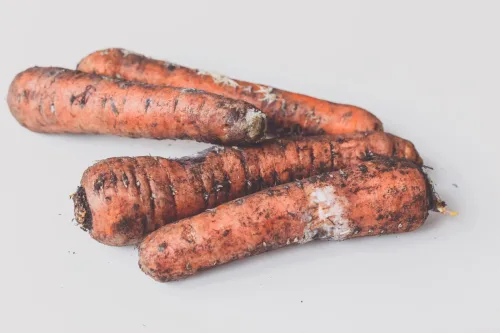
Next year you can harvest better if you don’t sow carrots where they won’t thrive
Carrot root fly can ruin carrots, parsley and celery from the inside out, often without obvious warning until harvest. Better site choice, rotation, later sowing and simple physical barriers can dramatically cut damage next season.

How to Propagate Roses from Cuttings at Home and Fill Your Garden with Blooms Almost for Free
Want more roses without paying for new plants? With a few healthy cuttings and a simple plastic-bottle mini greenhouse, you can root new bushes at home in just a few weeks.
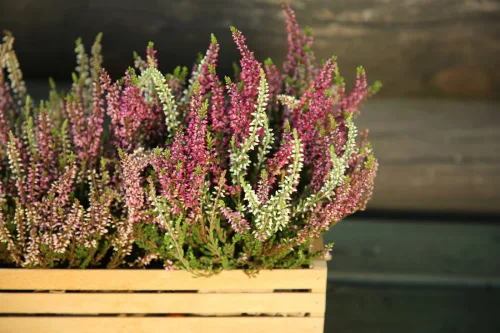
Heathers can cope where other plants won’t, but one soil detail decides everything
Heathers and heaths are tough evergreen shrubs that can flower across the seasons when you choose the right types. Success hinges on matching the plant to your soil pH and ensuring free drainage.
Comments (0)
Be the first to comment.