
 English
  Polski
  Deutsch
  Nederlands
  Svenska
  Norsk
Norsk  Dansk
Dansk  Français
  Italiano
  Español
  Português
  Slovenčina
  Suomi
Suomi  Gaeilge
 Currants are a small garden treasure with big uses
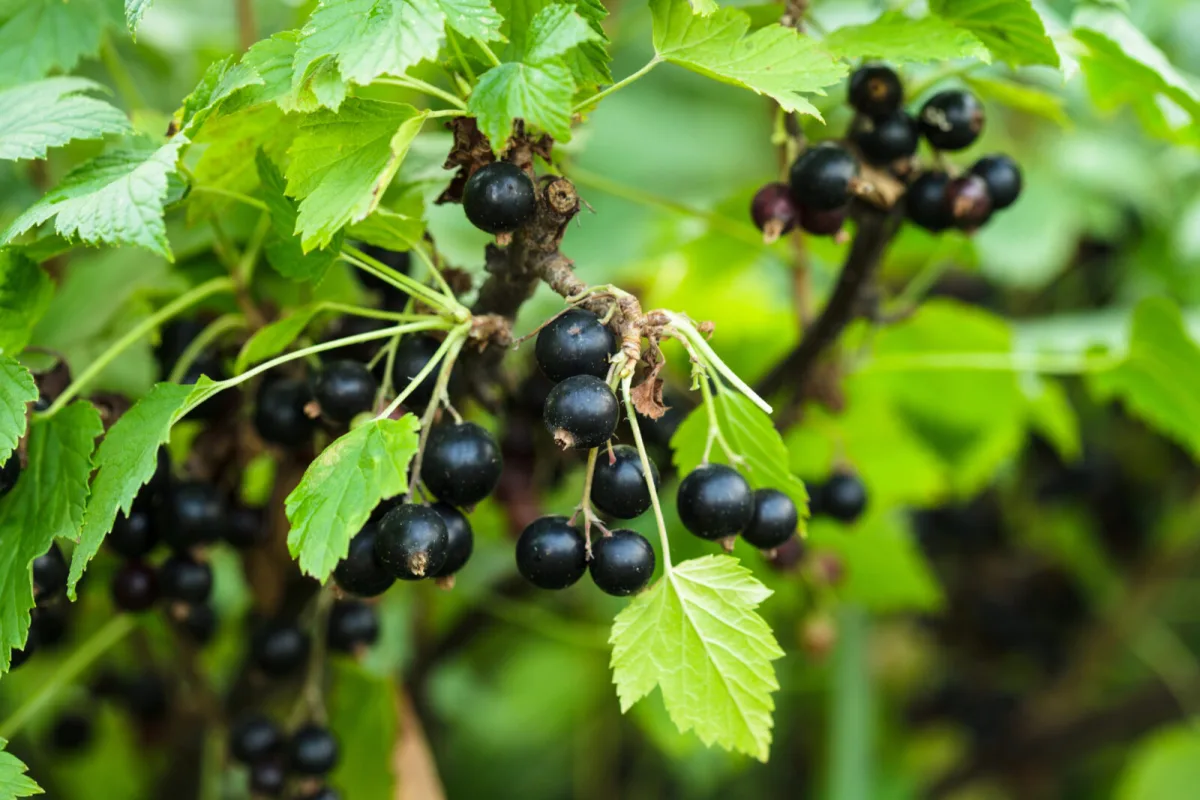
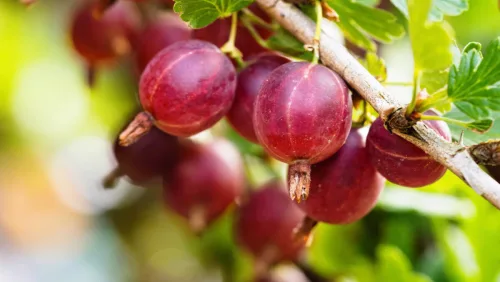
Juicy, pleasantly tart currant berries are one of those fruits that never go to waste in the kitchen. They’re perfect for cakes and desserts, for jellies and jams, for juices, syrups, and even homemade wine. That’s exactly why currants have long held their place in Czech gardens. The bushes and standards aren’t demanding either, they look good, and with sensible care they reward you with a generous harvest. Beyond their flavour, they also shine as fruit rich in vitamin C and other valuable compounds.
How currants spread through Europe and to us
The exact start of currant cultivation can’t be pinned down with complete certainty, but historical records suggest that red and white currants were already being deliberately grown and improved in the 15th century in several European countries, for example Denmark, Germany, and the Netherlands. Over time they spread further, and in the Czech lands red currants are mentioned as early as around the mid-16th century. Currants reached North America later, at the beginning of the 17th century, mainly through import.
Blackcurrants have a different story. Their origin is often linked to Siberia, where they were long regarded primarily as a medicinal plant. They arrived in Europe in greater numbers around the 18th century, and subsequent breeding turned them into a shrub with significantly higher productivity. Only then did their aromatic fruit secure a firm place in the kitchen as well.
Why currants are still worth growing today
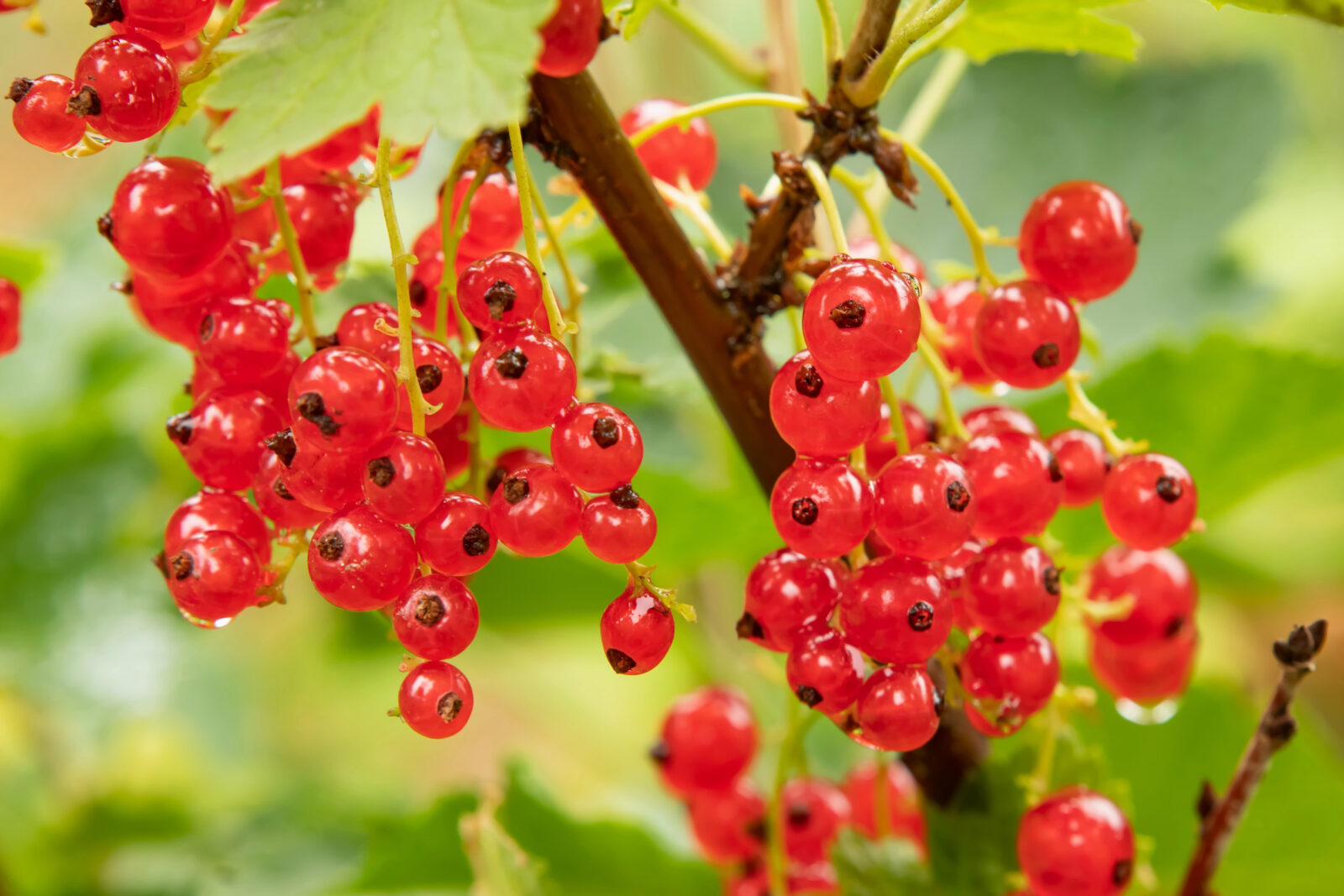
Currants are popular not only for their taste, but also for their composition. The fruit is low in calories, tends to be less sweet, contains very little fat, and plenty of water. Red and white currants supply the body with, among other things, calcium, iron, and phosphorus, as well as provitamin A and vitamin B1. Blackcurrants stand out for a broader range of compounds: besides B vitamins they also contain carotene, rutin, citric acid, and tannins.
The biggest draw, however, is vitamin C. Blackcurrants in particular are exceptionally strong in this respect, as they can contain many times more than citrus fruit. For that reason, currant juices are traditionally prepared and used at home during colds, sore throats, or periods of increased strain. Currants are also valued for their diuretic effect, which can be helpful when you want to support elimination.
Pectin as a natural helper in preserving
Another major advantage of currants is their higher pectin content. It helps mixtures set naturally, so currants work well as the base for jellies or as an addition to jams made from other fruit that gel less readily on their own. Their tart flavour also feels refreshing, which is why currants are excellent in homemade juices, syrups, and wine.
Planting and basic care for currant bushes
Currants can be planted in spring or autumn. With newly purchased plants, it pays to soak the roots in water for about a day before planting so the plant gets off to a better start. When planning spacing, it’s wise to think ahead: individual bushes are usually set about 1.5 m apart, because they thicken over time and you need room between them at harvest. With good care, bushes can crop for a very long time, easily two decades, so the spot you allocate will be taken in your garden for years to come.
Soil, planting depth, and pruning after planting
Currants aren’t overly demanding about soil. Ordinary garden soil improved with compost is usually sufficient. With white and red currants, it’s recommended to set the shoots a few centimetres deeper at planting, roughly 5 to 10 cm below ground level, so the bush anchors better and forms a strong framework. After planting, the shoots are shortened to about 20 cm above the ground. Blackcurrants are also planted slightly deeper and likewise cut back after planting.
An important part of growing currants is regular pruning. With blackcurrants, older shoots—typically around four years old—are usually cut out to rejuvenate the bush and encourage new canes. The aim is to keep the plant open and productive over the long term.
Pollination and feeding during the season
With blackcurrants, for a better harvest it’s beneficial to grow at least two bushes so they can pollinate one another. Better still is to choose two different cultivars, which often increases both the quantity and quality of the fruit. During flowering and the subsequent fruit set, it’s worth feeding the bushes regularly, because that’s when their nutrient needs are at their highest.
Diseases and what to watch for in each type
Blackcurrants are generally considered fairly hardy, yet they can still suffer from certain issues. Among the feared problems is white pine blister rust, which weakens the plant and can reduce yields. With white and especially red currants, anthracnose can appear. In extreme cases it can seriously damage or even destroy the bush, so it’s important to catch a decline in leaf health and the plant’s overall condition in time.
Bush or standard, and which is more practical for you
When choosing a growing form, both space and expectations matter. Bushes tend to yield more and usually crop for longer, often up to around twenty years. Standards are typically grown with a view to roughly ten to fifteen years of cropping. Experts also often note that bush forms tend to be more resistant to diseases than standard forms.
Standards do have one practical advantage: they don’t take up as much room. That makes it possible to plant more of them close together, or even grow them in larger containers, for example on a terrace. The choice therefore depends on whether you want to maximise yield and the lifespan of the planting, or whether you’d rather save space and adapt growing to a smaller area.
Source: Food Garden Life, Almanac, Pestrazahrada.cz

A lover of nature, gardens, and everything that moves, blooms, or grows. He literally grows everything, from herbs to rare species, and he enjoys caring for animals just as much. In his work, he connects modern technology with tried-and-tested grandmotherly methods and is happy when both paths lead to the same goal.
Related articles
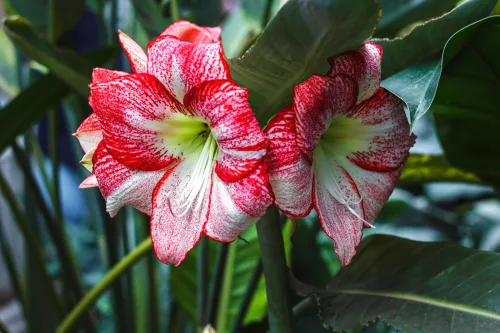
The Christmas Amaryllis That Can Bloom for Years but Most People Throw It Away After Flowering
Hippeastrum is a spectacular winter-blooming bulb that, with the right care, will flower again year after year. Learn how to plant it correctly, look after it after flowering, and bring it into dormancy so it reliably reblooms.
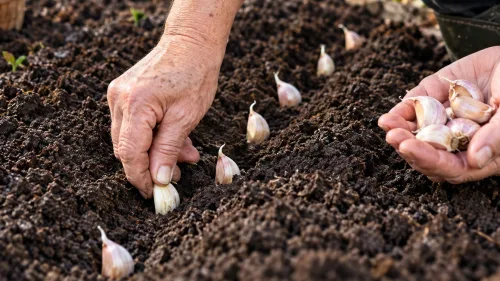
How to Grow Winter Garlic for a Much Bigger Harvest
Autumn planting is the key to strong, healthy winter garlic, but the details make all the difference. With the right timing, bed choice, seed-clove treatment and a simple bicarbonate trick, you can noticeably boost yield.
A tree or shrub planted properly in autumn can outpace spring stock and improve fruiting
Many fruit trees and soft-fruit shrubs establish better when planted in autumn, because roots keep growing while the top is dormant. Done well, this head start means stronger spring growth, less watering, and a healthier first year.
Comments (0)
Be the first to comment.