
 English
  Polski
  Deutsch
  Nederlands
  Svenska
  Norsk
Norsk  Dansk
Dansk  Français
  Italiano
  Español
  Português
  Slovenčina
  Suomi
Suomi  Gaeilge
 Grass clippings don’t have to go to waste use them wisely
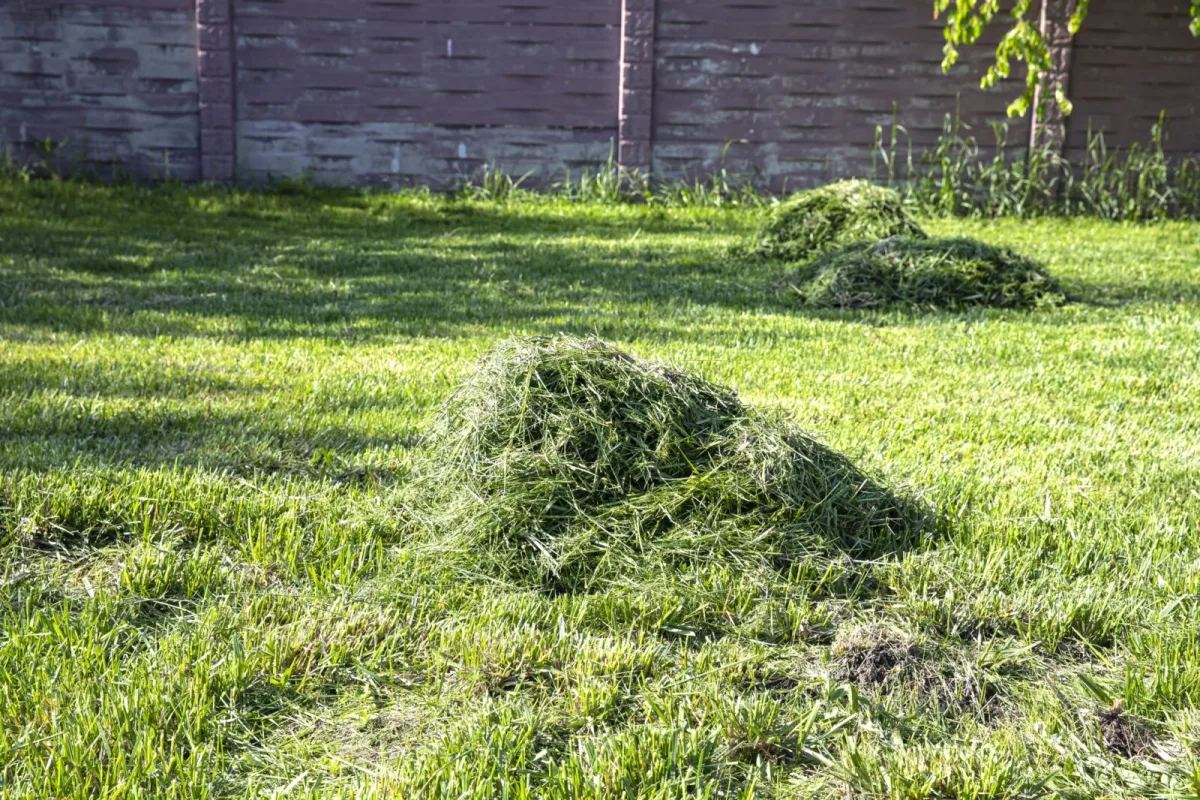
Mowing the lawn is one of those jobs where you see the result immediately. The grass is even, the garden looks tidy, and you’re done. But then the next question often comes: what to do with the heap of clippings left behind? Many people automatically tip them into the food-and-garden waste bin, even though these leftovers can be genuinely useful when handled properly.
Grass clippings contain valuable nutrients and, with a sensible approach, can become a natural fertiliser, a key compost ingredient, or a quick feed for beds. At the same time, if they’re left in one place in a thick layer, they can smother the lawn, form unsightly clumps, and eventually create brown patches. The trick is choosing the right method for the amount of clippings, the weather, and how much ongoing garden work you’re willing to do.
Leave clippings on the lawn as a natural feed
The simplest option is to leave the cut grass where it falls. With regular mowing, when only a small part of the blade is removed, the clippings are fine and dry quickly. They gradually break down and return to the soil the nutrients the lawn used while growing. In practice, it’s easy feeding with no bagging and no extra cost.
What matters is that the lawn isn’t left with continuous piles. A thick layer of clippings holds moisture, blocks light, and limits airflow to the turf. That can weaken the grass and lead to patchiness. So if you mulch or leave clippings in place, spread them as evenly as possible so the grass still shows through and nothing sits in heavy clumps.
If you’ve mown after a longer break and the grass was tall, meaning there’s a lot of material, it’s usually better to collect the clippings. The same applies if you’re planning to overseed, apply another fertiliser, or you’ve also removed a lot of leaves and don’t want to create a suffocating layer on the surface.
Composting as a long-term, all-round solution
Another proven method is composting. Grass clippings break down fairly quickly and make a valuable base that turns, over time, into a dark, nutrient-rich material for beds, fruit bushes, and ornamental plantings. If you grow vegetables, compost that includes grass can noticeably improve soil structure and boost growth, without relying on shop-bought mixes.
With composting, balance is the key rule. Grass is considered a “green” material, rich in nitrogen. If you add too much at once, it can mat together, start to rot, and instead of smelling pleasantly earthy it can end up like a heavy wet carpet. Good compost also needs “brown” materials to provide carbon and keep the pile airy.
Great partners for grass include dry leaves, small twigs, chipped bark, and even torn paper or shredded newspaper without heavy inks or coatings. Ideally, mix the pile regularly and keep an eye on moisture so it’s neither waterlogged nor too dry. That way you’ll get compost that doesn’t collapse into a slimy mass, but steadily turns into quality garden humus.
Grass-clipping brew as a quick feed for beds and lawn
If you don’t want to build a compost heap or you don’t have space, you can also use grass clippings short-term by making a simple steeped liquid, sometimes called “grass tea”. Fresh clippings tend to be high in nitrogen and also provide other elements plants can use for growth. The result is a natural liquid fertiliser you can use when plants need a quick lift.
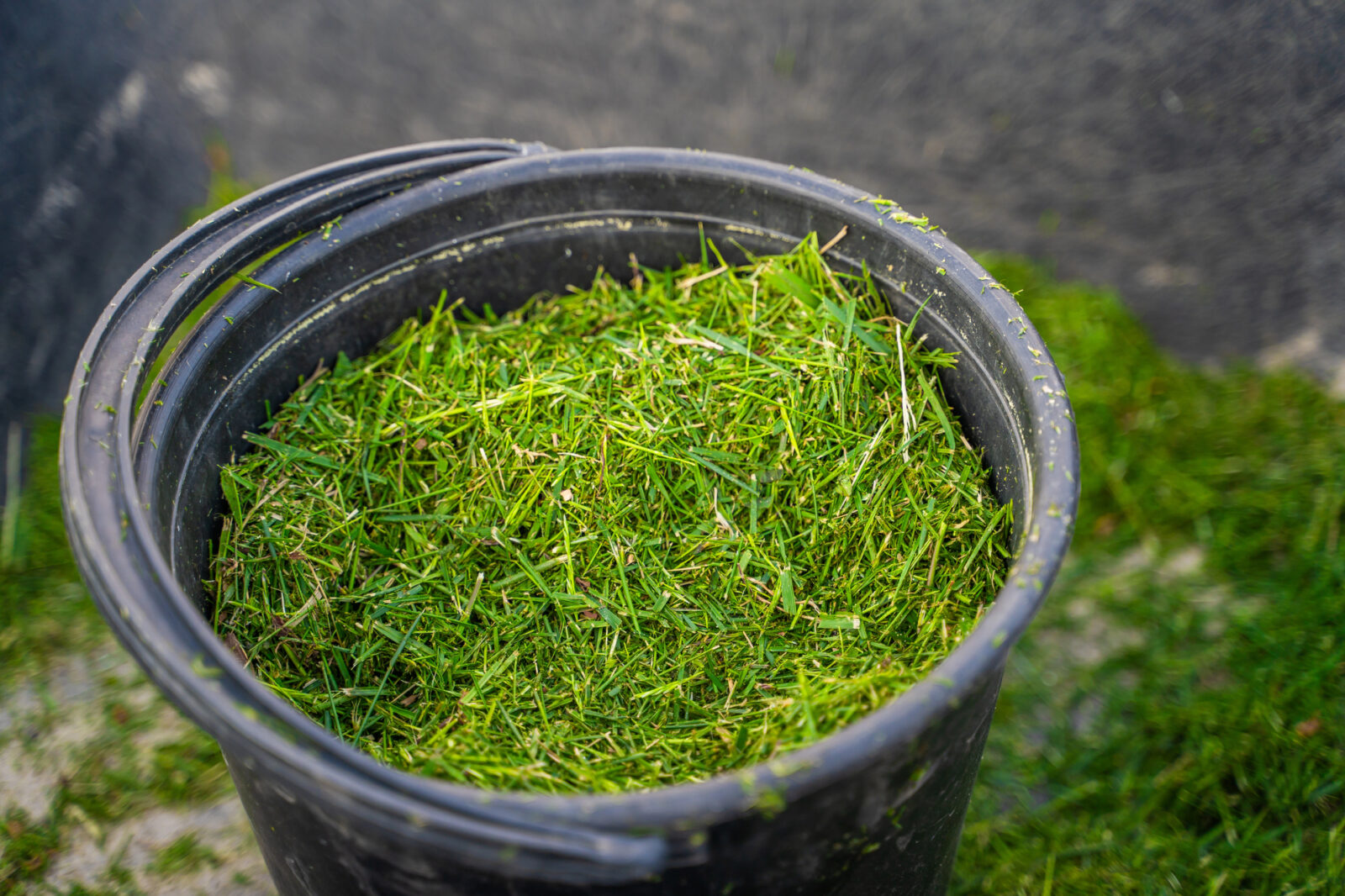
The method is straightforward. After mowing, gather the clippings into a bucket or bag and get a larger plastic pail ready. Fill it about two-thirds with grass and top up the rest with water. Leave the mix to steep for a few days and give it a stir now and then during the day to speed up decomposition and help the contents release evenly into the water.
After about three days you’ll have a liquid you can use as a drench for selected plants or on the lawn. It’s always sensible to apply it gently and when it isn’t extremely hot, so nutrients soak in rather than adding extra stress. The aim is to feed the soil naturally, without unnecessarily harsh synthetic blends.
When taking green waste away is the best choice
Sometimes there’s simply too much cut grass. Typically after the first mow in spring, after a rainy spell, or when you’re maintaining a larger plot. In those situations, neither mulching, composting, nor making a brew may be practical. If clippings are left lying on the lawn in thick layers, they can block light and oxygen. The result is often weakened areas, brown patches, and an overall thinner sward.
Regular removal of green waste is therefore often the cleanest solution. It helps keep the lawn in good condition and the garden looking tidy, without the edges of the property turning into a storage area for clippings. Collection can be handled by a local green-waste system, a community drop-off site, or a contracted service that takes the waste away and processes it properly.
Practical recap: what to watch after every mow
Grass clippings are a resource worth using, as long as there isn’t an excessive amount and you can spread or process them properly. On the lawn they can act as free feeding, in compost as a key ingredient for future humus, and as a steeped brew as a quick hit of nutrients for the garden. But when there’s too much, it’s better to collect and remove them than to risk smothering the turf and creating ugly clumps.
The most important rule is simple: don’t leave clippings in solid heaps. Whatever method you choose, the goal is to keep the lawn breathable, exposed to light, and overall healthy. The garden will not only look better, it will also grow better and cope more easily with seasonal stress.
When it’s worth turning to a professional service
If you regularly deal with large volumes of green waste, care for a bigger property, or simply want the reassurance that everything will be cleared after mowing, it can make sense to use a green-waste removal service alongside mowing. You’ll get a clean finish without unnecessary storing, plus the confidence that the clippings will go somewhere they can be reused or processed correctly.
Grass clippings can be a valuable resource, but only if you handle them in a way that won’t smother the lawn and will genuinely benefit the garden.
Source: Paramount Gardening, Country Living , Pestrazahrada.cz
Related articles
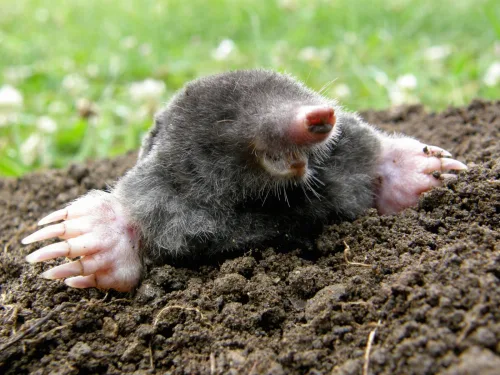
Fighting moles tempts you into a quick fix that can put you on the wrong side of the law
Fresh molehills can ruin a lawn, but the common mole is a protected species and lethal control can be illegal. Learn how to tell a mole from a vole and which lawful, effective methods actually encourage it to move on.
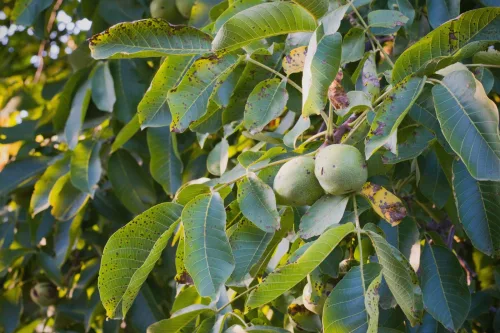
Why the Tree That Feeds a Family for Generations Is Disappearing from Czech Gardens
The English walnut used to be a staple of larger gardens and farmyards, valued for its nutritious nuts and many practical uses. With the right site and variety, it remains one of the most rewarding long-lived trees you can plant.
How to Get Rid of Mice and Rats in the House, Loft and Garden Effectively
Mice and rats don’t leave quietly—scratching sounds, droppings and gnaw marks are clear warnings. A lasting solution comes down to three steps: block entry points, remove food sources, then use traps or professional control.
Comments (0)
Be the first to comment.