
 English
  Polski
  Deutsch
  Nederlands
  Svenska
  Norsk
Norsk  Dansk
Dansk  Français
  Italiano
  Español
  Português
  Slovenčina
  Suomi
Suomi  Gaeilge
 The most common reason zucchini flowers but doesn’t set fruit and how to fix it
Zucchini is one of the most rewarding summer vegetables to grow. With its mild, neutral flavour, it works in savoury bakes, soups, and even sweet baking, where it keeps cakes pleasantly moist. It’s high in water and low in calories, so it fits perfectly into lighter summer meals.
Although you can buy it almost year-round, it’s especially worth growing in the garden because, with good care, a single plant can gradually produce dozens of fruits. But when conditions aren’t ideal, a familiar situation often happens: there are plenty of leaves and plenty of flowers, yet no zucchini forms, or tiny fruitlets appear and then quickly disappear.
Why the flowers drop and zucchini fails to set
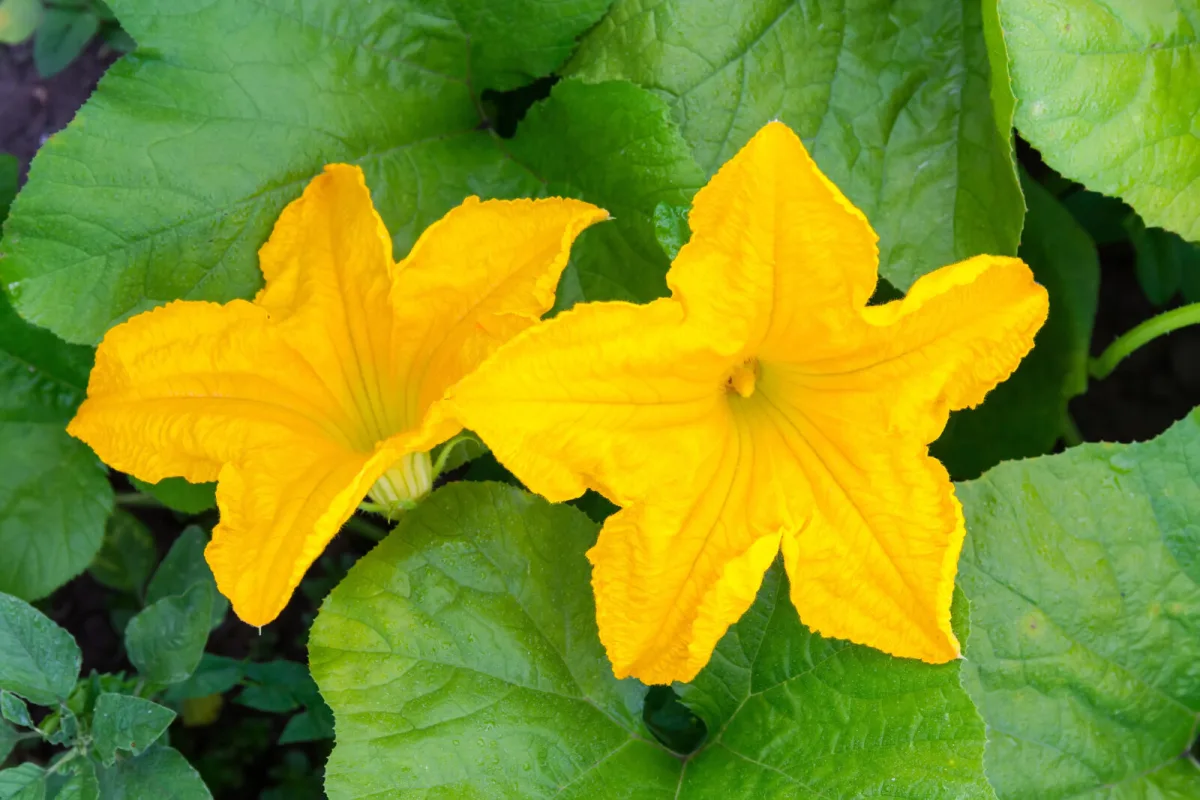
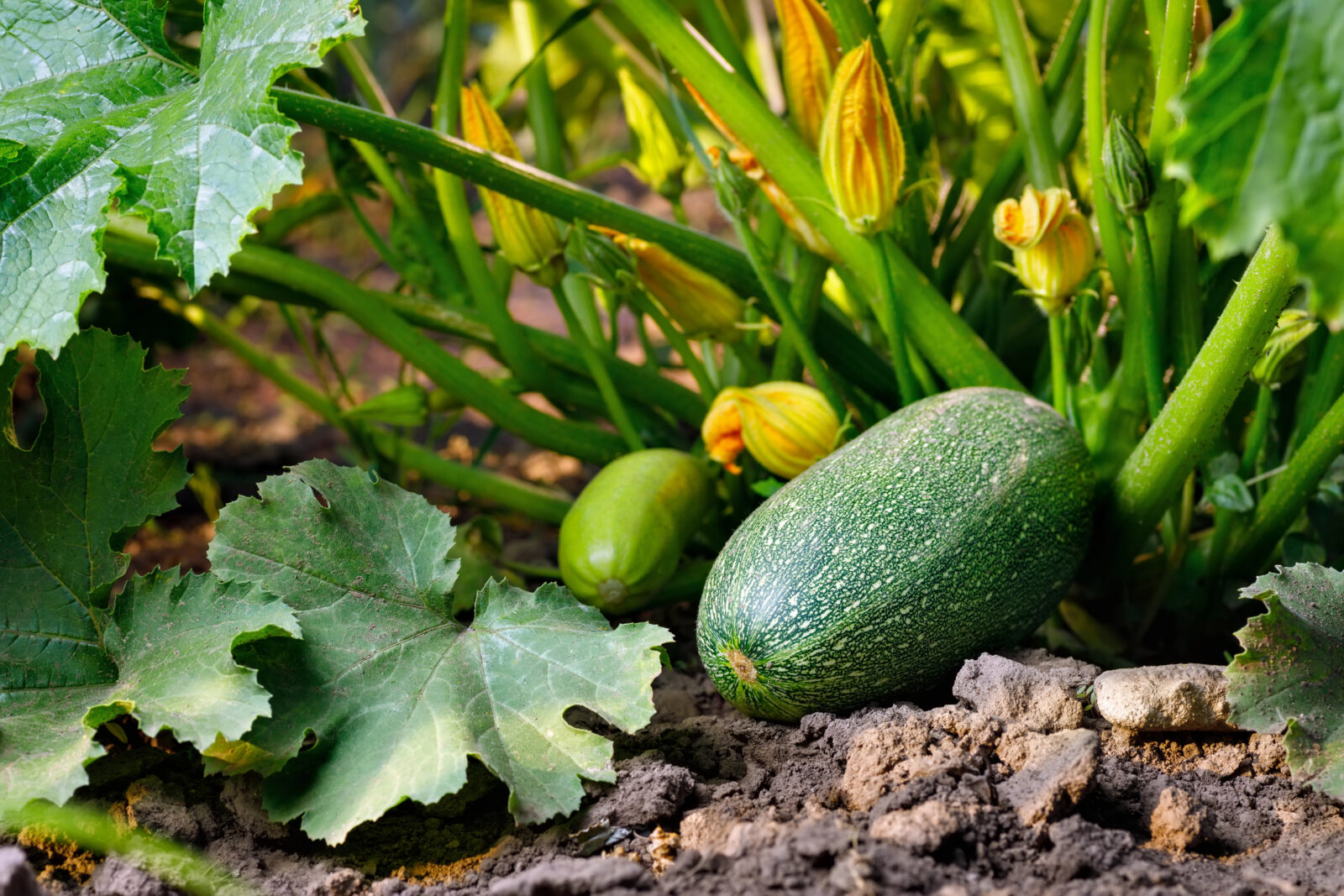
With cucurbits, it’s important to understand that two types of flowers form on the same plant. Male flowers carry pollen and grow on longer, slender stems. Female flowers appear lower down, and beneath the flower you can see a small swelling that looks like a miniature future fruit. For it to develop into a zucchini, pollen from a male flower must reach the female flower, most often with the help of insects.
Common reasons a plant flowers but produces nothing
One of the most common causes is simply the first flowers of the season. Early on, plants often produce mainly male flowers, whose job is to attract pollinators. These flowers open, do their part, and drop, while female flowers follow later.
Another issue is a lack of pollinators. Some gardens have fewer insects, others simply aren’t attractive to them, and sometimes the weather is to blame—cool temperatures, rain, and wind. Without pollen transfer, the female flower may open, but the fruit won’t set.
Plant stress also plays a major role. Repeated drought, irregular watering, or poor soil can cause zucchini to conserve energy for survival. At that point it may reduce fruit production and sometimes even drop tiny, newly forming zucchini.
How to encourage zucchini to fruit in four simple steps
Replace pollination by hand
When insects aren’t doing the job, you can help. Find a male flower; inside is a stamen covered in pollen. Gently transfer the pollen to the top of the pistil in a female flower—the stigma. You can do this with the picked male flower itself, or quickly and carefully with a soft paintbrush. The best time is in the morning, when the flowers are freshly open.
Adjust feeding to favour flowers and fruit
If your zucchini is putting most of its energy into leaves, too much nitrogen is often the culprit. Nitrogen-rich feeds promote leafy growth, but they don’t necessarily support flowering and fruiting. Once the plant is well established, it makes more sense to switch to a fertiliser higher in phosphorus and potassium, which encourages flowering and helps fruits develop and ripen.
Thin the plant slightly
Large leaves look like a sign of strength, but they can shade the flowers and make it harder for both light and pollinators to reach them. Dense foliage also traps moisture, increasing the risk of flowers and young fruits rotting. Regularly remove older, damaged, or excess leaves so air and more sun can get to the flowers—without stripping the plant completely bare.
Keep soil moisture even
Zucchini needs regular watering. The biggest problem isn’t only drought, but the swing between extremes—when the plant suffers without water for a long time and then suddenly gets a heavy soaking. That shock often causes it to drop small fruitlets or stop setting fruit. Keep the soil evenly moist and aim for a steady routine.
When things will improve on their own and when it’s time to act
If you’re seeing mostly male flowers, it may simply be the natural start of the season, and within a few days to weeks female flowers will appear, with the typical swelling beneath the bloom. But if female flowers repeatedly fade without any fruit developing, it’s worth combining hand pollination with adjusted feeding, light thinning, and consistent watering. In most gardens, these steps quickly improve the chances that those flowers will finally turn into proper zucchini.
Source: Gardening Know How, Urob si sám, Pestrazahrada.cz

A lover of nature, gardens, and everything that moves, blooms, or grows. He literally grows everything, from herbs to rare species, and he enjoys caring for animals just as much. In his work, he connects modern technology with tried-and-tested grandmotherly methods and is happy when both paths lead to the same goal.
Related articles
Next year you can harvest better if you don’t sow carrots where they won’t thrive
Carrot root fly can ruin carrots, parsley and celery from the inside out, often without obvious warning until harvest. Better site choice, rotation, later sowing and simple physical barriers can dramatically cut damage next season.
How to Propagate Roses from Cuttings at Home and Fill Your Garden with Blooms Almost for Free
Want more roses without paying for new plants? With a few healthy cuttings and a simple plastic-bottle mini greenhouse, you can root new bushes at home in just a few weeks.
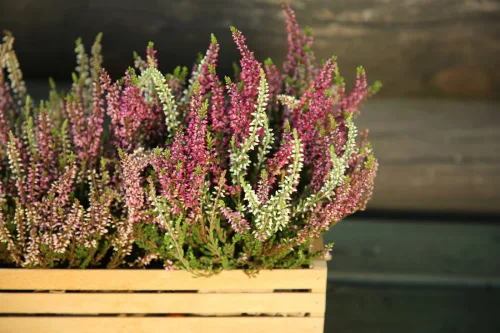
Heathers can cope where other plants won’t, but one soil detail decides everything
Heathers and heaths are tough evergreen shrubs that can flower across the seasons when you choose the right types. Success hinges on matching the plant to your soil pH and ensuring free drainage.
Comments (0)
Be the first to comment.