
 English
  Polski
  Deutsch
  Nederlands
  Svenska
  Norsk
Norsk  Dansk
Dansk  Français
  Italiano
  Español
  Português
  Slovenčina
  Suomi
Suomi  Gaeilge
 A Cheap Home Remedy for Aphids on Roses and Currants That Works Fast
B-complex is one of those inexpensive, widely available food supplements you can pick up in virtually any pharmacy. What many people don’t realise is that it can also be used outside the medicine cabinet. Experienced growers have been passing around the tip for some time that a dissolved tablet can serve as a simple home help with aphid problems and, in some cases, with overall plant weakness.
You don’t need to use the tablets you take yourself in the garden. If you find an out-of-date B-complex at home, many people prefer to use it up this way. But take it as a gardener’s experience, not as a miracle replacement for professional products when an infestation is extreme.
A home aphid spray based on growers’ experience
Most often, B-complex is used as a straightforward spray. The basic version people try on balcony flowers as well as shrubs is to dissolve one tablet in about half a litre of water. Once dissolved, pour the mix into a spray bottle and spray the plant mainly where aphids cluster most—typically the shoot tips and the undersides of leaves.
According to experience, it’s important to repeat the spray several times, because pests come back and some may hide in young, curled leaves. Some growers also mention using any leftover solution in the watering can so nothing goes to waste.
Surfinia petunias and other balcony plants
On surfinia petunias, aphids are a common problem and can weaken plants quickly. Gardeners report that, after several applications, the spray with a dissolved tablet helped reduce the infestation enough for the plants to start growing strongly again and flower better.
Currants and shrubs aphids often ruin
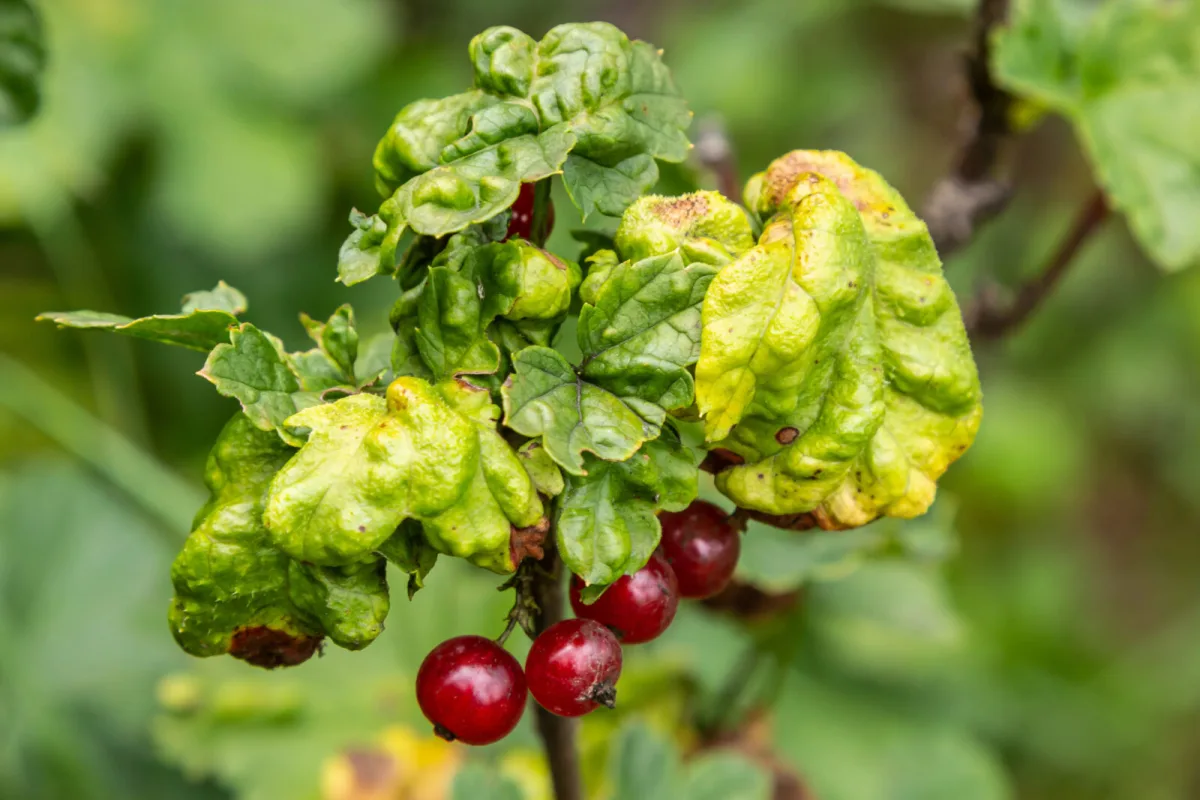
On currants, aphids are most obvious from curled, thickened and distorted leaves. Some people remove the worst-damaged leaves first and only then apply the home-made spray. As an alternative, they also mention a beer spray—depending on what they have to hand—while the key is not to let pests build up into a major outbreak.
Roses and the idea that pests dislike the smell
On shrub roses, this approach is mainly mentioned as prevention or help at the first signs. Some growers believe aphids dislike a certain smell that appears after application, which helps keep them away. Here too, repetition is often crucial, because aphids return to roses repeatedly through the season.
Watering for lawns and weakened patches
Alongside spraying, there’s also a tip for watering the lawn. Some people dissolve several tablets in water intended for watering and add sugar as well. They then water dry patches that struggle to recover. By their description, after a few weeks the turf thickened and the problem areas gradually filled in with fresh green growth.
It’s best to proceed moderately and watch how the lawn responds. Every garden has different conditions, different soil and different drought stress, so it’s not certain the same result will repeat everywhere in the same way.
A tip beyond the garden: B-complex as seasonal support against mosquitoes
There’s also a claim going around that taking B-complex during the season may reduce mosquito nuisance for some people, and that ticks may be less likely to latch on as well. However, experiences are highly individual. Some swear by it, others notice no change at all. If you decide to try it, follow the dosage on the package and, if you have any health restrictions, consult your doctor.
Other home ideas growers use when fighting pests
Besides B-complex, gardeners often try other home mixes too. These include sprays made from soapy water, bicarbonate of soda, garlic infusion, nettle tea, dandelion infusion, or orange peel steeping. In practice, what helps most is acting early—starting as soon as you spot the first colonies—and thoroughly treating the undersides of leaves, where aphids hide the most.
Home methods can be useful, but if plants are heavily infested, it may be necessary to add mechanical removal of affected parts, support natural predators, and in extreme cases choose a targeted product intended for that specific type of plant.
How to get the most out of it without doing more harm than good
If you want to try the B-complex tip, start on a small part of the plant and watch for any unwanted reaction on the leaves. Apply the spray in the evening or early morning, when leaves aren’t hot from the sun. It’s also sensible to focus on the underlying causes of aphids—too much nitrogen fertiliser, stress from drought or waterlogging, and poor airflow in dense growth.
As a simple, cheap and accessible experiment, B-complex can be a surprise in the garden. And while it isn’t a universal fix for everything, many growers treat it as handy first aid when aphids appear—or when they want to use up tablets that would otherwise end up in the bin.
Source: To je napád, GrowVeg, Pestrazahrada.cz

A lover of nature, gardens, and everything that moves, blooms, or grows. He literally grows everything, from herbs to rare species, and he enjoys caring for animals just as much. In his work, he connects modern technology with tried-and-tested grandmotherly methods and is happy when both paths lead to the same goal.
Related articles
An Orchid That Only Grows but Won’t Bloom Has Three Common Causes You’ll Never Fix with Fertiliser
If your orchid looks healthy but refuses to bloom for months, the cause is usually not a lack of fertiliser. Light, watering habits, and temperature patterns are far more often to blame.
Winter is crucial for raised beds and most people skip the pest prevention step
Your raised beds don’t go dormant just because winter arrives. A few quick, well-timed tasks now will protect the soil, discourage pests, and set you up for a smoother, more productive spring.
When to Mow the Lawn for the Last Time Before Winter
There’s no universal date for the season’s final mow—your lawn and the weather will tell you. Time it just ahead of hard frost and leave the grass slightly higher to help it overwinter healthier and bounce back faster in spring.
Comments (0)
Be the first to comment.