
 English
  Polski
  Deutsch
  Nederlands
  Svenska
  Norsk
Norsk  Dansk
Dansk  Français
  Italiano
  Español
  Português
  Slovenčina
  Suomi
Suomi  Gaeilge
 High temperatures don’t suit gooseberries and the fruit softens and drops
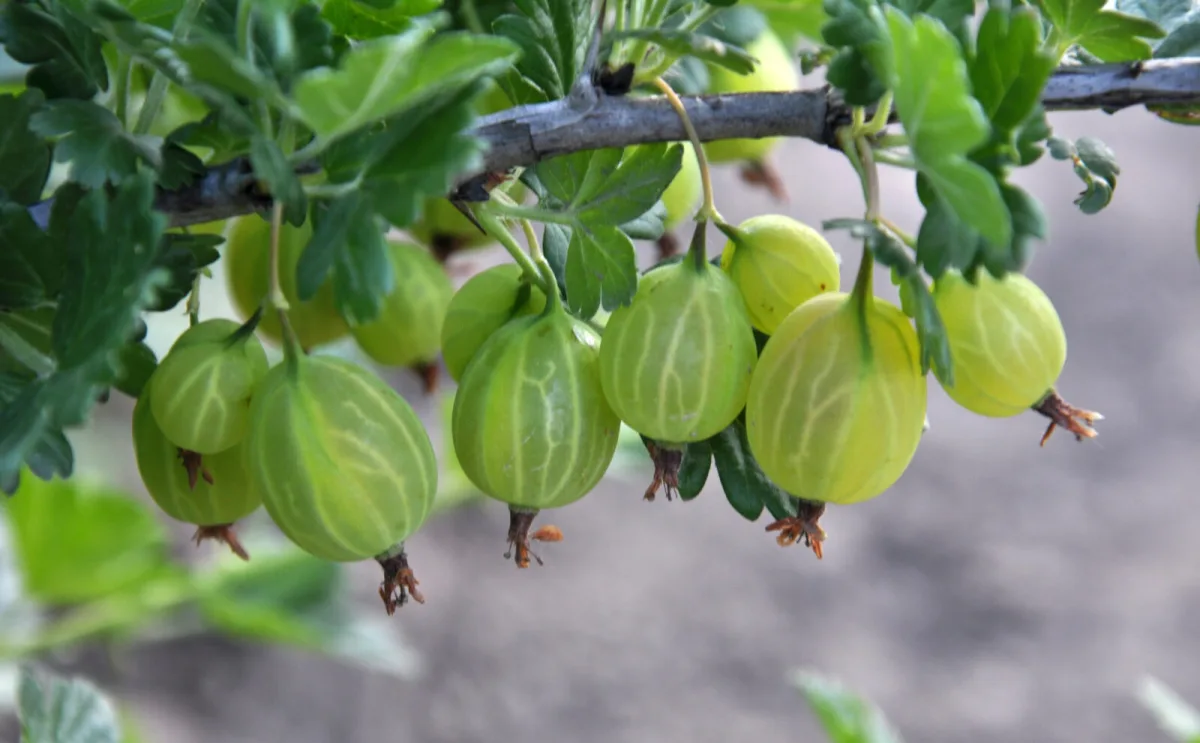
In recent years it’s become increasingly common for gooseberries to suddenly soften during heatwaves, with the fruit shrinking, losing juice and part of the crop dropping early. The bushes suffer most in full sun, where at temperatures above 30 °C water loss through evaporation rises sharply from both leaves and fruit. The plant responds by limiting the flow of water to the berries; the flesh thickens, gradually dries out and the skin can no longer hold internal pressure. The result is soft berries that are prone to splitting and then dropping.
The problem is made worse by overheated soil. When the root zone is dry and baking hot, gooseberries can’t supply the top growth with enough water even if we water occasionally with a small amount. A quick splash only dampens the surface, while deeper roots remain under stress.
Proper watering in extremes isn’t “a little and often”
In a normal summer, gooseberries usually cope with standard watering, but during prolonged heat it’s often not enough. In extreme temperatures it helps to water much more generously, even with a double dose of water, roughly every three to four days depending on soil type. The aim is to soak the root zone deeply, not just “rinse the dust” off the surface. Water in the morning or evening, when less moisture evaporates and the plant has time to use it.
It’s also important to water evenly. A sharp swing from drought to waterlogging can cause further stress, fruit splitting and a decline in flavour. If your soil is heavy and holds water, water less often, but still in a way that allows moisture to reach the roots.
Shading as quick relief from fruit sunscald
Temporary shading is very effective, especially for bushes in south-facing positions. You can use green shade netting and cover at least half of the bush. The goal isn’t to “hide gooseberries in the dark”, but to reduce direct midday sun and lower the temperature of the fruit. This limits the thickening of the flesh and the drying of the berries, while also reducing the risk of drop.
In heat above 30 °C, fruit in full sun overheats quickly, the flesh thickens, and it can progress to drying out and dropping.
What else helps keep the fruit firm
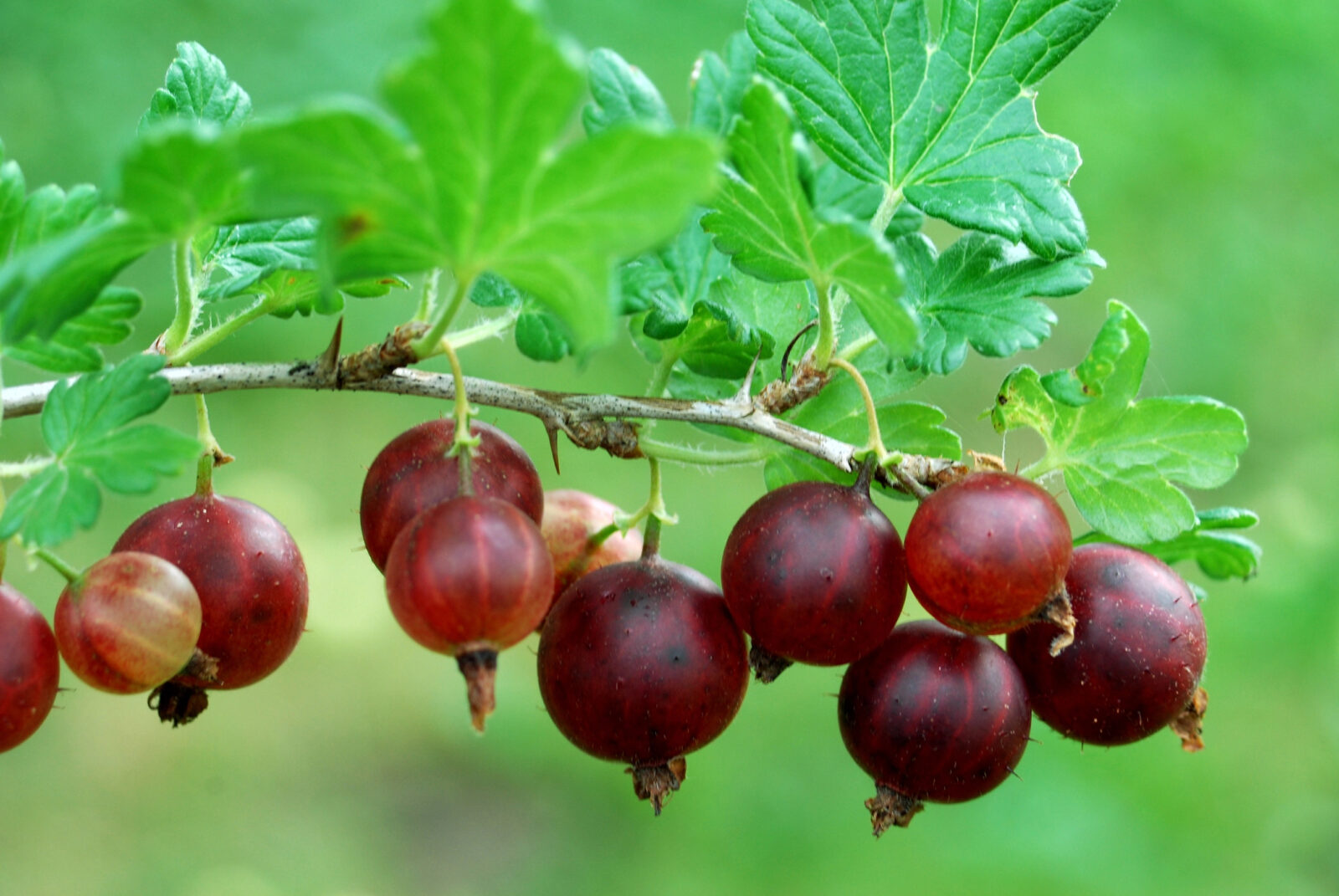
You’ll also maintain steadier moisture by not leaving the soil around the bush bare and overheating. If possible, limit hoeing and cultivation during the hottest periods, when moisture is lost from the soil unnecessarily. It also helps to keep the area around the bush free of strong weed competition, as weeds draw water fastest in hot weather. If the fruit is already starting to soften, don’t wait for “perfect ripeness” and pick little and often. Timely harvesting often saves quality and part of the crop that would otherwise drop.
How to tell it’s heat stress and not disease
Typically, problems appear suddenly during hot days: the fruit is soft, sometimes lighter, gradually shrivels, but without obvious spots, coating or rot. Leaves may look wilted at midday and partially recover by evening. However, if you see significant browning, a fungal coating or severe dieback of leaves, it’s worth checking for possible diseases and the overall health of the bush. In most cases, though, the main cause of summer softening and dropping in gooseberries is a combination of direct sun, overheated soil and watering that doesn’t reach deep enough.
Source: The Spruce, Záhrada, Gardener’s World, Pestrazahrada.cz

A lover of nature, gardens, and everything that moves, blooms, or grows. He literally grows everything, from herbs to rare species, and he enjoys caring for animals just as much. In his work, he connects modern technology with tried-and-tested grandmotherly methods and is happy when both paths lead to the same goal.
Related articles

How to Keep Your Pool Sparkling Clean Without Unnecessary Effort or Stress
Keeping pool water crystal clear doesn’t have to be hard work. With a simple daily-and-weekly routine, you’ll prevent cloudiness, algae and breakdowns before they start.
A Simple Trick for a Bigger Pepper Harvest and Faster Ripening
Regular watering and feeding aren’t always enough for a heavy pepper crop. Pinching out the growing tips redirects the plant’s energy into branching, flowering, and ripening fruit faster.
Fireflies are disappearing from the landscape, learn how to create a safe garden home
Warm summer nights are even more magical when fireflies start flashing at dusk—but their numbers are falling. With a few simple changes to mowing, planting, lighting and chemical use, your garden can become a safe refuge again.
Comments (0)
Be the first to comment.