
 English
  Polski
  Deutsch
  Nederlands
  Svenska
  Norsk
Norsk  Dansk
Dansk  Français
  Italiano
  Español
  Português
  Slovenčina
  Suomi
Suomi  Gaeilge
 How to Protect Tomatoes in Summer Heat So the Fruit Doesn’t Split
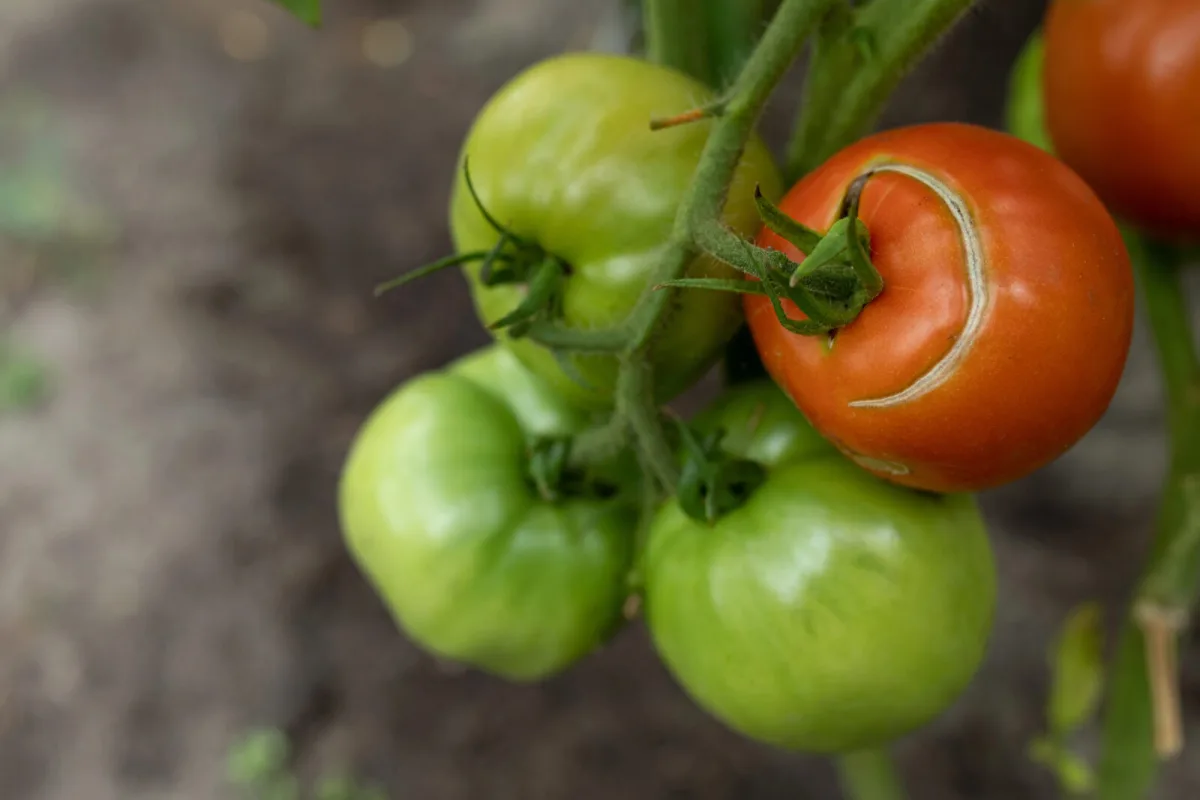
Hot days at the turn of spring into summer take their toll not only on people, but especially on plants in the beds. Tomatoes that were growing without any trouble just recently and were starting to set their first fruit can quickly become stressed in extreme temperatures. Many growers, worried the plants will dry out, make a well-intentioned but fundamental mistake: they start watering too often or dump on a huge amount of water all at once. The result usually isn’t a quick rescue, but split fruit, a higher risk of rot and needless disappointment with a crop that could have been beautiful.
Why tomatoes split and what water has to do with it
Fruit splitting is usually not a disease, but the result of physics and a sudden change in conditions. When the soil around the roots dries out and you then soak it heavily in one go, the root system takes up water very quickly. The flesh inside the fruit swells, but the skin can’t stretch fast enough to keep up, and the pressure literally tears it. These cracks also create an open gateway for moulds, bacteria and pests, so the damage often progresses into rot right on the plant.
Forget daily shallow watering
The most common bad habit in hot weather is an evening splash with a small amount of water. The top layer of soil gets damp, but the water evaporates quickly and very little reaches the roots. The plant then stays stuck in a cycle of drought followed by brief moist spells, which is exactly what increases stress and encourages fruit to split.
It’s far more practical to water less often, but thoroughly. In typical hot weather, watering about 2 to 3 times a week works well, with the aim of getting water down to the roots, not just wetting the surface. Allow roughly 5 to 10 litres per plant, depending on the plant size, soil type and whether your tomatoes are in containers or in the ground.
Water only at the base and ideally early in the morning, when the soil isn’t yet hot. Water on the leaves combined with strong sun can act like a lens and scorch the foliage, which weakens the plant further and slows ripening.
When the sun stops helping and starts hurting
Tomatoes love light and warmth, but in extreme heat the fruit can overheat on the plant to the point that pale, yellow to whitish patches appear. This is a classic sign of sunscald. At that point it’s no longer just about appearance, but a signal that you need to reduce heat stress and soften direct midday rays.
You don’t have to invest in expensive structures. Simple shading helps—something that still lets in enough light for photosynthesis but reflects the most aggressive part of the radiation. You can stretch white horticultural fleece over the plants on a simple frame of stakes. The temperature around the plants can drop by a few degrees, which often makes the difference between fruit that ripens smooth and fruit that starts to suffer damage.
If your bed gets the fiercest sun from the south, you can attach shade cloth or even a reed screen on that side. The goal isn’t to turn tomatoes into a fully shaded corner, but to take the edge off the harshest midday blast.
Mulch is the quickest route to steady moisture
The most important thing you can do for tomatoes in hot weather is keep soil moisture as even as possible. Sharp swings between dry and waterlogged conditions stress the roots and encourage fruit splitting. Mulching is a great helper, limiting evaporation while also protecting the soil from overheating.
Around each plant, make a mulch layer about 5 to 10 cm deep. Lawn clippings work very well, but it’s best to let them wilt for at least a few hours before using them so they don’t heat up and go slimy. You can also use straw or hay. Mulch helps keep the soil cooler, reduces the need for frequent watering and, most importantly, maintains stable conditions so fruit more often stays firm, healthy and free of splits.
What to carry forward for the rest of the season
In heatwaves, small details matter: regular deep watering instead of daily dribbling, water directed to the roots, protection from the sharpest sun and a thick layer of mulch. When you combine these steps, tomatoes usually cope better even with extreme temperatures, fruit splits less and the risk of subsequent rots drops significantly.
Source: The Spruce, Gardening Know How, Pestrazahrada.cz

A lover of nature, gardens, and everything that moves, blooms, or grows. He literally grows everything, from herbs to rare species, and he enjoys caring for animals just as much. In his work, he connects modern technology with tried-and-tested grandmotherly methods and is happy when both paths lead to the same goal.
Related articles
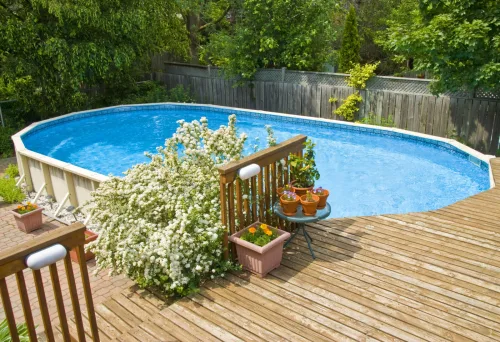
How to Keep Your Pool Sparkling Clean Without Unnecessary Effort or Stress
Keeping pool water crystal clear doesn’t have to be hard work. With a simple daily-and-weekly routine, you’ll prevent cloudiness, algae and breakdowns before they start.
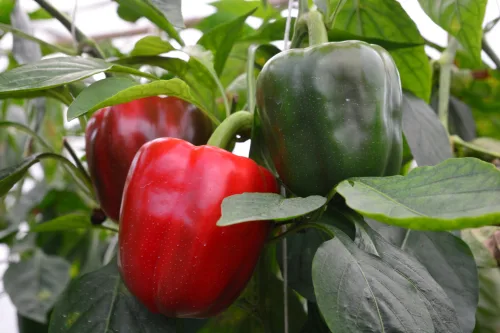
A Simple Trick for a Bigger Pepper Harvest and Faster Ripening
Regular watering and feeding aren’t always enough for a heavy pepper crop. Pinching out the growing tips redirects the plant’s energy into branching, flowering, and ripening fruit faster.
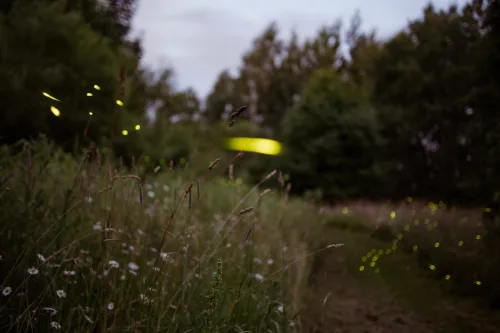
Fireflies are disappearing from the landscape, learn how to create a safe garden home
Warm summer nights are even more magical when fireflies start flashing at dusk—but their numbers are falling. With a few simple changes to mowing, planting, lighting and chemical use, your garden can become a safe refuge again.
Comments (0)
Be the first to comment.