
 English
  Polski
  Deutsch
  Nederlands
  Svenska
  Norsk
Norsk  Dansk
Dansk  Français
  Italiano
  Español
  Português
  Slovenčina
  Suomi
Suomi  Gaeilge
 How to Save a Yellowing, Dying Lawn During Hot, Rain-Free Weather
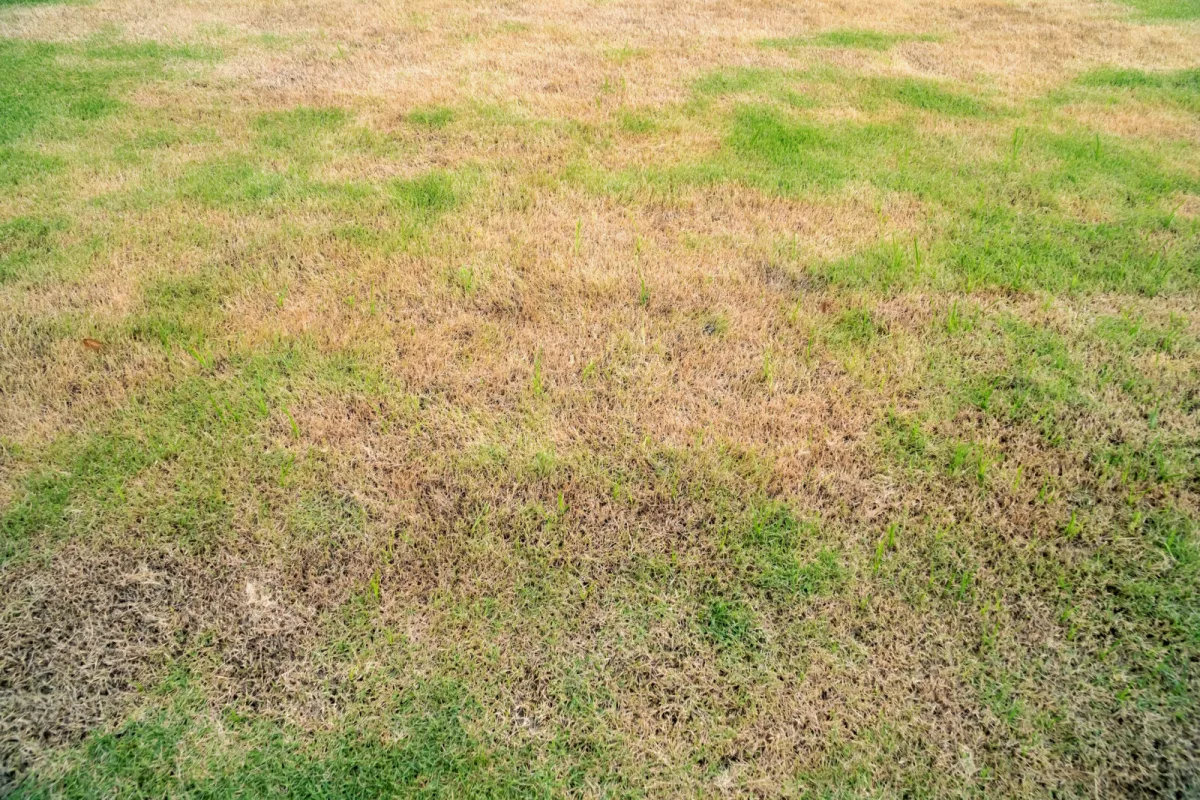
Keeping a rich green lawn is becoming more challenging as longer rain-free periods and high temperatures turn into the new normal. Even if you mow regularly and water during dry spells, grass can become stressed, slow its growth, lose colour and gradually die back. The typical result is yellow to brown patches that spoil the look of the whole garden and often keep spreading if conditions don’t improve.
In that situation, it helps to consider a solution that doesn’t depend solely on frequent watering and intensive upkeep. There is an unobtrusive plant that can strengthen a lawn, help it knit together, and cope better with drought as well as wear and tear.
Microclover as a tough alternative to a standard lawn
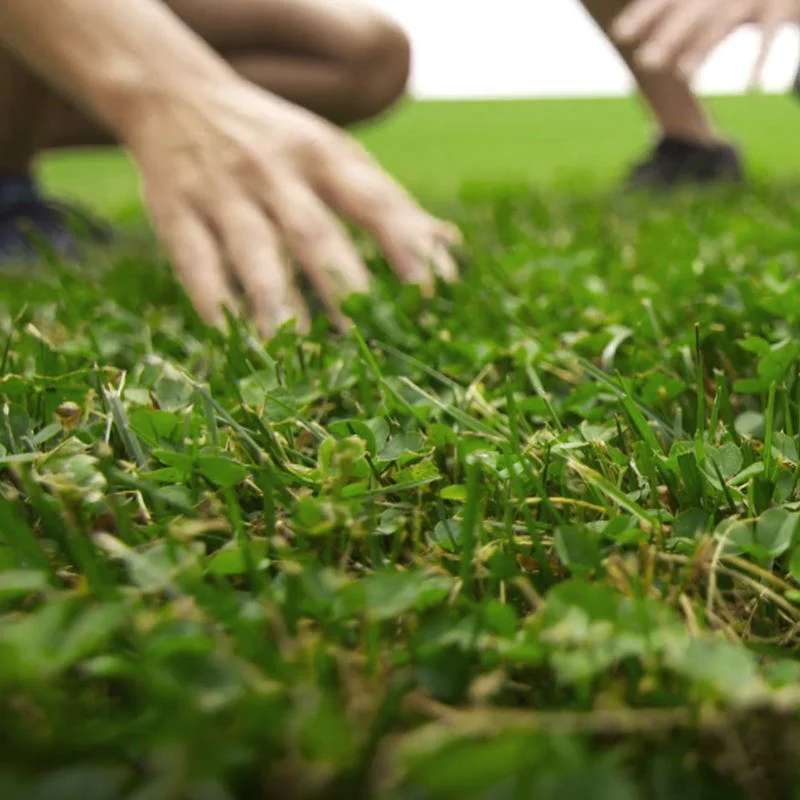
Microclover is a small-leaved form of white clover, bred to have finer leaflets so it looks more delicate in turf. It’s a low-maintenance plant that adapts to different soil types and spreads quickly. It usually stays only a few centimetres tall, so it blends naturally into a lawn.
Its main advantage is resilience. Microclover handles drought better than many standard grass mixes, and it also tolerates foot traffic, damage after heavy downpours and even after hailstorms. In practice, that means a lawn with microclover mixed in can stay denser and greener even when a conventional sward starts to struggle.
How to add microclover to your lawn and what you gain
The most common approach is to combine grass seed with microclover. You can mix your own blend or buy a ready-made mix from a garden centre. The key is for microclover to make up at least part of the seed, with around a 10% share often recommended, depending on how “clovery” a look you want.
Adding microclover helps the sward become thicker and tougher. It also brings a practical bonus, because it often reduces the need for fertilising. The lawn can look more vibrant, and it also gains a finer texture thanks to the small leaflets and the occasional flowers.
Establishing a new lawn with microclover step by step
First, prepare the area for sowing thoroughly. It’s important to loosen the soil, remove weeds and other debris, and then level the surface as well as possible. Then sow the grass-and-microclover mix evenly over the whole area, just as you would with a standard lawn.
The best sowing time is usually early spring, once frost is no longer a risk and temperatures stay above roughly 10 °C. In the first weeks after sowing, consistent watering is crucial so the seeds germinate well and form an even cover. Once the lawn is established, you can usually water less often than with a traditional grass-only lawn.
Overseeding into an existing lawn that can’t cope with heat
You don’t have to use microclover only when starting a new lawn. It can also be overseeded into an existing sward that turns yellow and thins during heatwaves. In that case, you simply enrich the current lawn with microclover seed and let it gradually fill in weakened areas. With slightly more favourable conditions, the turf can visibly strengthen in a relatively short time and thin patches will begin to disappear.
Benefits and potential drawbacks of a microclover lawn
A major benefit is its ability to quickly thicken up even a lawn that has been badly damaged by drought. Yellow, dried-out patches can gradually disappear because microclover fills bare spots and supports the overall vitality of the sward. Another strong argument is nutrition. Clover can fix nitrogen from the air, naturally contributing to feeding the lawn, so it often needs less additional fertiliser.
On top of that, microclover helps improve the soil. It supports aeration and works as a useful ground cover that protects the surface and encourages biological activity. You’ll appreciate this most where soil heats up or dries out quickly.
The drawback is usually considered to be appearance. This kind of lawn won’t be perfectly uniform like a “carpet” of pure grass, because two plant types are mixed together and small flowers may appear. On the other hand, it suits more naturalistic gardens beautifully, supporting biodiversity and being friendlier to bees and other beneficial insects.
When microclover makes the most sense
If every summer you’re battling yellowing, constant irrigation and repeated feeding, microclover is a sensible way to stabilise your lawn. You’ll get a tougher sward that rides out weather swings more easily and can still look well cared for. Whether you use it in a new sowing or simply as a smart overseed into weakened areas, it’s a straightforward step that can significantly improve the results of your garden care.
Source: To je nápad, High Country Gardens, Pestrazahrada.cz

A lover of nature, gardens, and everything that moves, blooms, or grows. He literally grows everything, from herbs to rare species, and he enjoys caring for animals just as much. In his work, he connects modern technology with tried-and-tested grandmotherly methods and is happy when both paths lead to the same goal.
Related articles

How to Keep Your Pool Sparkling Clean Without Unnecessary Effort or Stress
Keeping pool water crystal clear doesn’t have to be hard work. With a simple daily-and-weekly routine, you’ll prevent cloudiness, algae and breakdowns before they start.

A Simple Trick for a Bigger Pepper Harvest and Faster Ripening
Regular watering and feeding aren’t always enough for a heavy pepper crop. Pinching out the growing tips redirects the plant’s energy into branching, flowering, and ripening fruit faster.

Fireflies are disappearing from the landscape, learn how to create a safe garden home
Warm summer nights are even more magical when fireflies start flashing at dusk—but their numbers are falling. With a few simple changes to mowing, planting, lighting and chemical use, your garden can become a safe refuge again.
Comments (0)
Be the first to comment.