
 English
  Polski
  Deutsch
  Nederlands
  Svenska
  Norsk
Norsk  Dansk
Dansk  Français
  Italiano
  Español
  Português
  Slovenčina
  Suomi
Suomi  Gaeilge
 The Most Common Mistakes When Growing Raspberries and Soft Fruit in the Garden
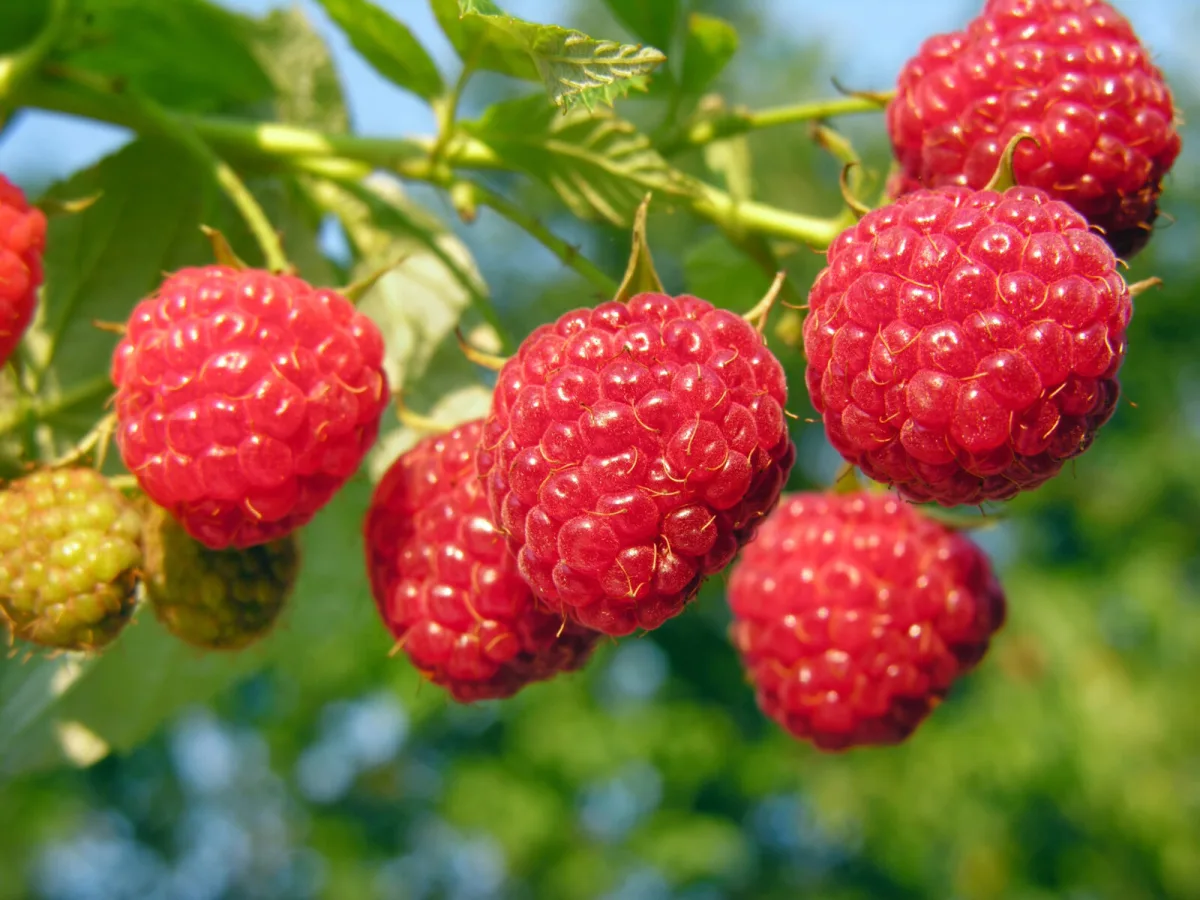
With raspberries and other soft fruit, it’s surprisingly easy to lose part of your harvest. It’s not just the weather or the variety, but above all pruning, cane management, soil and routine care through the season. Experience from fruit-growing practice shows that many gardeners repeat the same missteps, and the bushes then weaken unnecessarily, put on little growth or age quickly. With raspberries, the right approach can noticeably improve both vigour and the amount of fruit within just a few seasons.
Planting mistake: the young plant isn’t cut back enough after planting
A common error happens right at the start. After planting, raspberries and bush-type soft fruit are often left almost at full length instead of being cut back hard. This puts the plant out of balance, because the roots aren’t yet able to support a large top. The bush can then remain weakened for a long time. With raspberries and similar shrubs, you can put this right with a more drastic cut back low to the ground, ideally done early so the plant can rebuild a strong root system. This applies to both bare-root plants and container-grown ones.
Too many young canes: the plant becomes congested and growth stalls
In the second year after planting, many gardeners leave too many new canes. At first glance it looks good because there’s lots of green growth and a few fruits appear, but the plant gets exhausted, becomes overcrowded and further growth weakens. Raspberries then put on less new growth and set less potential yield for future seasons. The aim is to keep only as many canes as the plant can sustain long-term, so they are strong and properly ripened.
In-season care: without ongoing attention, raspberries struggle
Another repeated mistake is making no further adjustments to the canes after spring pruning. Yet it’s during the season that plant health and good light and air movement are decided. If too many young canes are left and, at the same time, old, over-mature canes aren’t removed, raspberries are drained unnecessarily and pressure from pests and disease increases. In practice, it pays to inspect the patch regularly, remove damaged parts as you go, and shorten or cut out anything that is clearly weak or diseased.
Pests and diseases on stems: act immediately
Visible signs of attack can appear on the canes, such as colonies of aphids, powdery mildew or other fungal diseases. On raspberries, you may sometimes see obvious swellings on the stems, with a pest larva inside. It’s best to remove such parts in good time so the problem doesn’t spread through the whole planting. The fix can be simple, with secateurs or even by pinching out by hand; what matters is regular checking and a quick response.
Incorrect cane length and leaving weak stems
With soft fruit it’s common to leave canes unnecessarily long, or to keep too many thin, weak stems. With raspberries, it pays to maintain a height of roughly 1 to 1.2 metres depending on the type and training system, so fruit ripens well, the stand stays stable and it’s easy to manage. Weak canes that barely hold themselves up and can’t produce quality fruit are better removed. The plant then directs its energy into a smaller number of strong canes, and the result is usually noticeably better.
Soil makes the difference: no hoeing, poor ground cover and overfeeding
Raspberries like soil that is living, open and able to handle water well. A major mistake is not loosening the soil around the bushes at all. Even more problematic is covering the soil with impermeable plastic, stone or unsuitable fabric so the ground stops breathing, sets hard and natural water movement and the activity of soil organisms are reduced. Over time, soil structure deteriorates and the roots have poorer conditions.
Overdoing lime and synthetic fertilisers is just as risky. An excess of certain nutrients can irritate or even scorch the root system, and stress replaces growth. With raspberries it’s more sensible to aim for balanced nutrition and to build the soil with organic matter rather than burden it with high doses of fast-acting fertilisers.
Weeds, mulch and grass: how to handle them wisely
When hoeing, weeds are often thrown away, yet it can make sense to use them as green manure. If you leave them in place turned upside down with the roots up, they can gradually wilt and return nutrients to the soil. A key mistake is not mulching at all. A suitable mulch helps retain moisture, moderates extreme temperature swings and supports soil life, which is especially noticeable with raspberries during dry spells.
Another issue arises when raspberries are grown directly in lawn. Grass takes water and nutrients, and the raspberry patch then looks as if it’s failing even when it’s otherwise in a good spot. Raspberries therefore need their own maintained strip of soil without competition from grass.
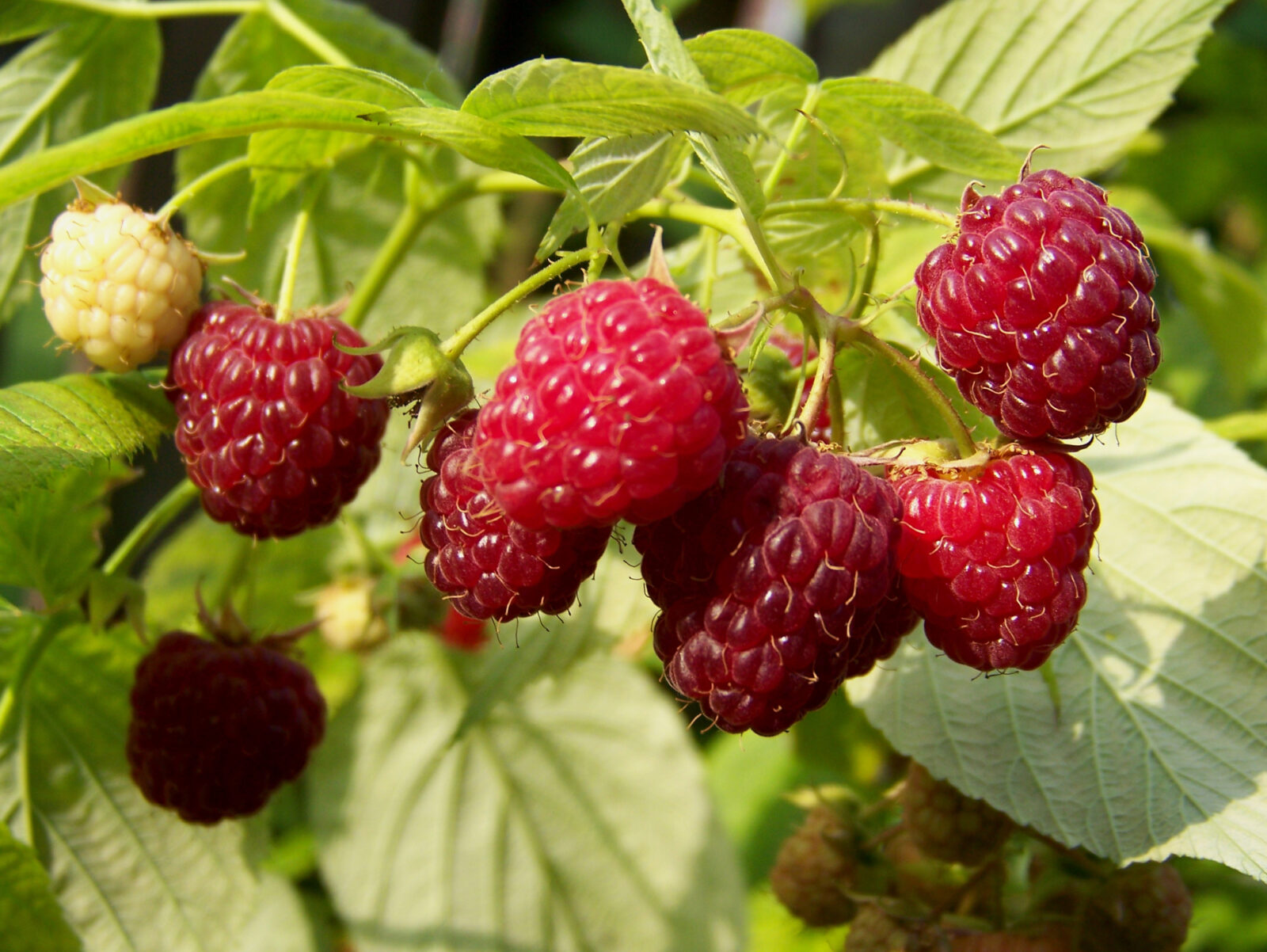
Mechanical damage: watch out for strimmers and brushcutters
An inconspicuous but common cause of yield loss is mechanical damage to the canes. When cutting around raspberries, it’s easy to scuff the bark, damage the tissues and create an entry point for disease. With raspberries, where a healthy, sturdy cane is essential, even a small wound can mean poorer growth and fewer fruits. It’s therefore worth cutting at a distance and protecting the base of the plants in an appropriate way so repeated injury doesn’t occur.
Key takeaway: fewer canes, better soil care and regular checks
Raspberries reward you most when they aren’t overloaded with too many canes, have plenty of air and light, and grow in soil that is loose, living and moisture-retentive. When you combine correct post-planting pruning, ongoing cane management through the season, sensible feeding, mulching and protection from damage, the difference in yield is often clear already in the following years.
Source: Canadian Food Focus, RHS, Pestrazahrada.cz

A lover of nature, gardens, and everything that moves, blooms, or grows. He literally grows everything, from herbs to rare species, and he enjoys caring for animals just as much. In his work, he connects modern technology with tried-and-tested grandmotherly methods and is happy when both paths lead to the same goal.
Related articles
How to Keep Your Pool Sparkling Clean Without Unnecessary Effort or Stress
Keeping pool water crystal clear doesn’t have to be hard work. With a simple daily-and-weekly routine, you’ll prevent cloudiness, algae and breakdowns before they start.
A Simple Trick for a Bigger Pepper Harvest and Faster Ripening
Regular watering and feeding aren’t always enough for a heavy pepper crop. Pinching out the growing tips redirects the plant’s energy into branching, flowering, and ripening fruit faster.
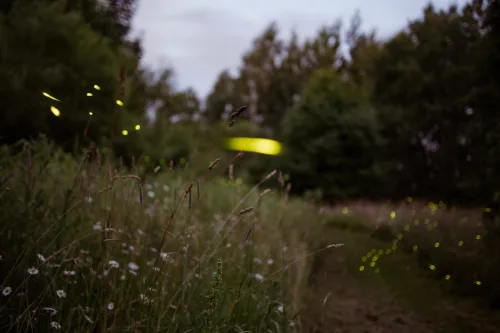
Fireflies are disappearing from the landscape, learn how to create a safe garden home
Warm summer nights are even more magical when fireflies start flashing at dusk—but their numbers are falling. With a few simple changes to mowing, planting, lighting and chemical use, your garden can become a safe refuge again.
Comments (0)
Be the first to comment.