
 English
  Polski
  Deutsch
  Nederlands
  Svenska
  Norsk
Norsk  Dansk
Dansk  Français
  Italiano
  Español
  Português
  Slovenčina
  Suomi
Suomi  Gaeilge
 Best Time to Prune a Walnut Tree and What to Use for Disease Prevention
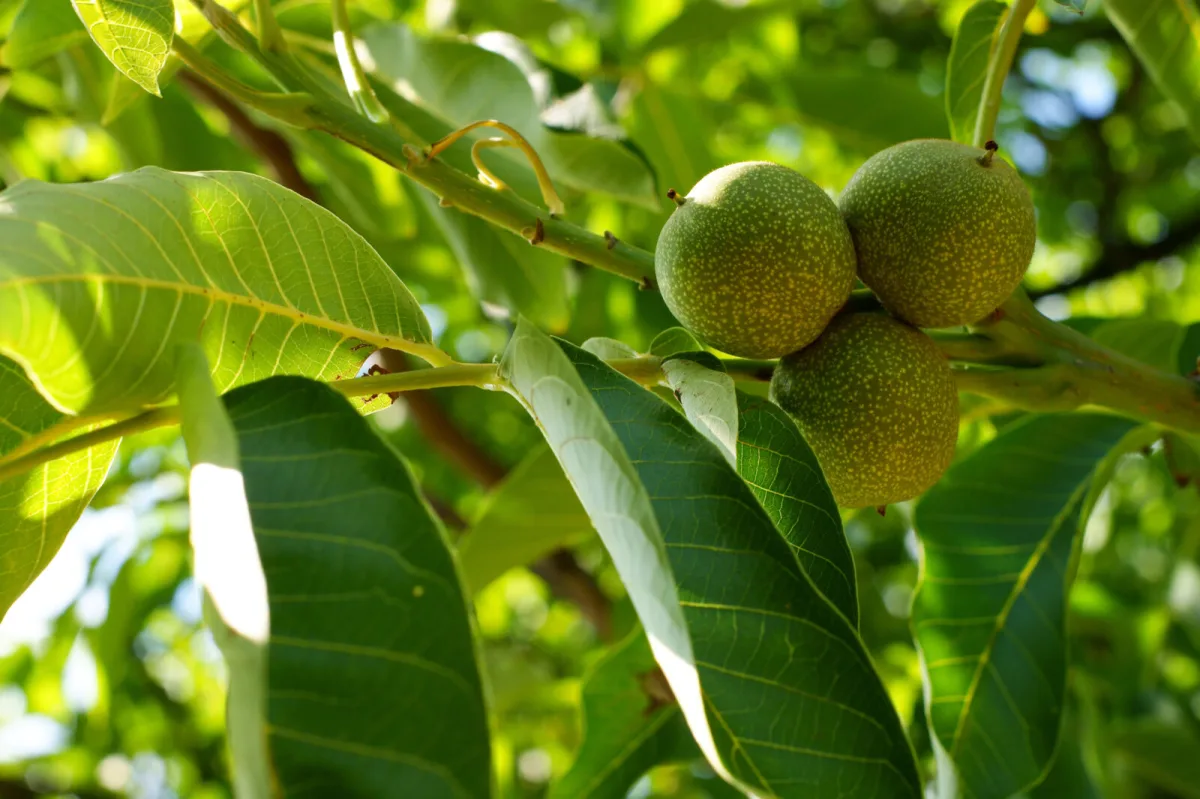
With a walnut tree around 10 m tall, timing is crucial. It tolerates pruning best in summer, typically from late June through August. In some cases you can continue until mid-September, especially if this year’s shoots are longer, around 50 cm or more. At this time the tree usually bleeds the least, so pruning wounds dry more quickly and seal better.
What to remove when pruning and why to work gradually
When pruning, you mainly remove dead branches, parts damaged by wind or disease, and branches that unnecessarily thicken the canopy. With older, tall trees it makes sense to proceed in stages. If you need major thinning or the removal of larger scaffold limbs, it’s best to spread the work over two to three years. This reduces the risk that the tree will “weep” heavily after pruning, meaning it releases sap intensely, which weakens it unnecessarily.
Treating pruning wounds
Thicker limbs leave larger wounds that deserve protection. In practice, grafting wax or a tree wound balm is used to limit tissue drying and reduce the risk of infection. With small cuts this is often unnecessary, but for larger diameters treatment is considered standard and the safer approach.
Spring pruning as an alternative and what to avoid
Another option is spring pruning, but only once the tree has started to leaf out. This is usually April to May, when new shoots are roughly 20 to 30 cm long. At this stage walnut has a better ability to close wounds quickly. By contrast, it’s unsuitable to prune in winter or very early spring, roughly from February to April. Sap flow is strong then, the tree bleeds heavily after cuts, and it can become needlessly depleted.
When and why to use copper and sulfur products
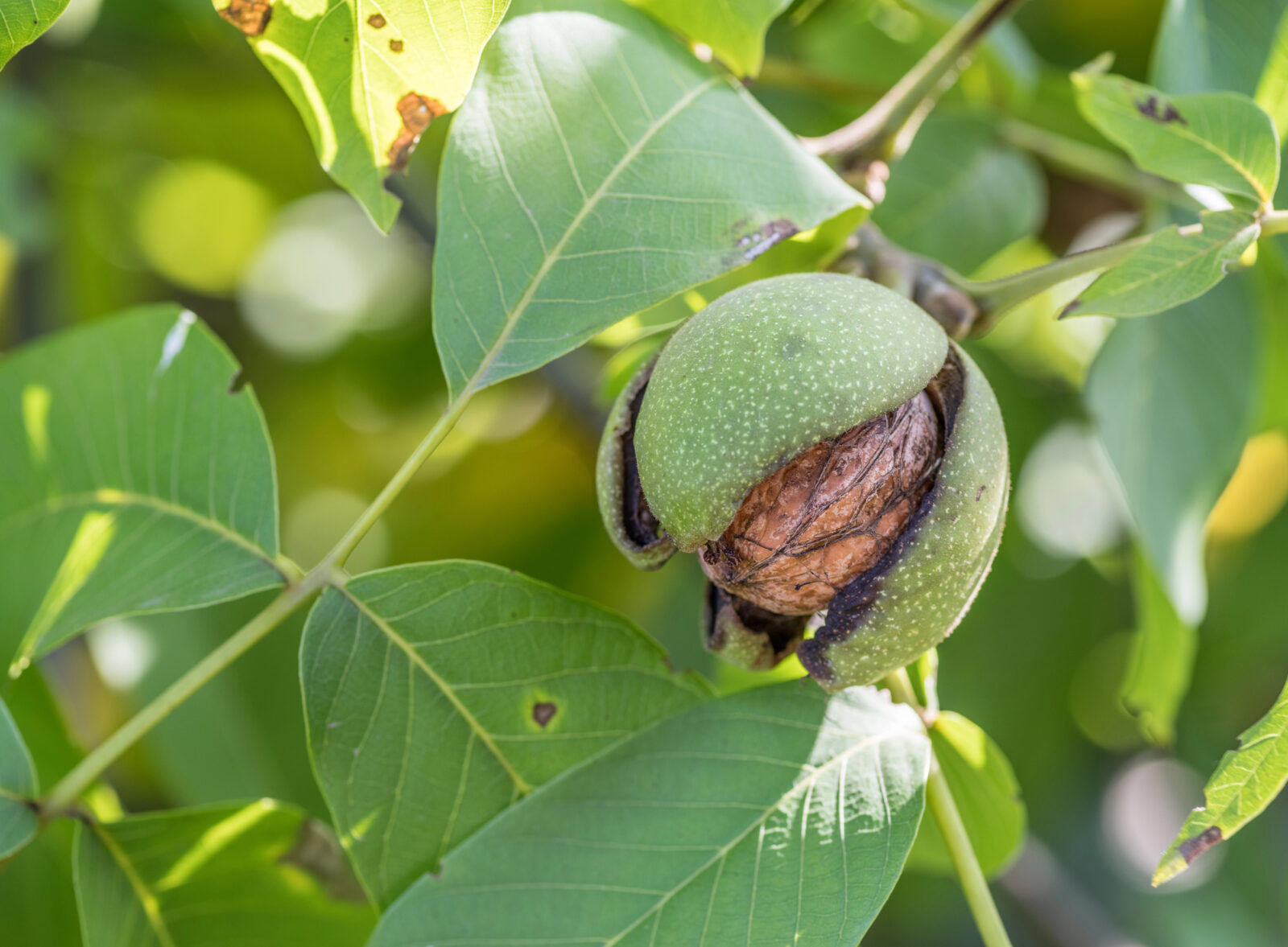
Copper-based, and sometimes sulfur-based, products are used on walnut mainly as a preventative measure against walnut blight. This bacterial disease shows up as dark to black spots on leaves, young shoots, and nuts. The aim of treatment is to reduce infection pressure during the period when the tree is most vulnerable.
Correct application timings during the year
The first spray is usually applied in spring just before budbreak. A second treatment can be done after leaf fall in autumn. The autumn application is practical because it helps reduce the amount of infection that would otherwise carry over more easily into the next season and attack young tissue again in spring.
Temperature conditions and thorough coverage of the tree
For copper or sulfur products to work properly while also minimizing the risk of damage, apply them in cooler conditions, typically at temperatures no higher than 10 °C. It’s also important that coverage is truly thorough and reaches the whole tree. With a tall walnut this usually means using more powerful equipment, such as a petrol-powered or battery sprayer, capable of getting spray solution into the upper canopy.
The most risky combination is pruning at the wrong time and insufficient prevention. Correct summer pruning and a preventive spring spray before budbreak are the most commonly recommended steps for walnut.
Note: Always adjust the specific product choice and dosage to the label of the product and local conditions, as registrations and recommendations can change over time.
Source: Záhrada, The SPruce, Gardening Know How, Pestrazahrada.cz

A lover of nature, gardens, and everything that moves, blooms, or grows. He literally grows everything, from herbs to rare species, and he enjoys caring for animals just as much. In his work, he connects modern technology with tried-and-tested grandmotherly methods and is happy when both paths lead to the same goal.
Related articles

How to Keep Your Pool Sparkling Clean Without Unnecessary Effort or Stress
Keeping pool water crystal clear doesn’t have to be hard work. With a simple daily-and-weekly routine, you’ll prevent cloudiness, algae and breakdowns before they start.
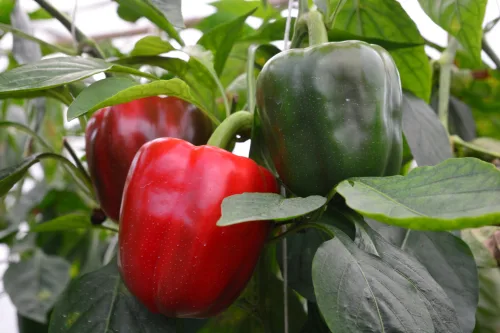
A Simple Trick for a Bigger Pepper Harvest and Faster Ripening
Regular watering and feeding aren’t always enough for a heavy pepper crop. Pinching out the growing tips redirects the plant’s energy into branching, flowering, and ripening fruit faster.
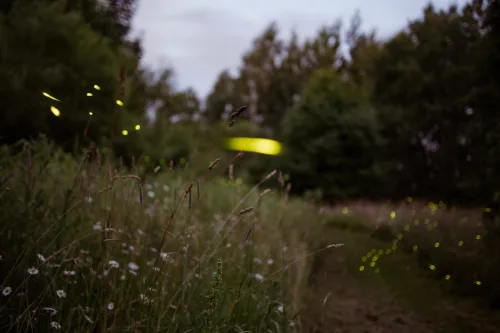
Fireflies are disappearing from the landscape, learn how to create a safe garden home
Warm summer nights are even more magical when fireflies start flashing at dusk—but their numbers are falling. With a few simple changes to mowing, planting, lighting and chemical use, your garden can become a safe refuge again.
Comments (0)
Be the first to comment.