
 English
  Polski
  Deutsch
  Nederlands
  Svenska
  Norsk
Norsk  Dansk
Dansk  Français
  Italiano
  Español
  Português
  Slovenčina
  Suomi
Suomi  Gaeilge
 When to Tolerate Weeds in the Garden and When It’s Time to Weed Thoroughly
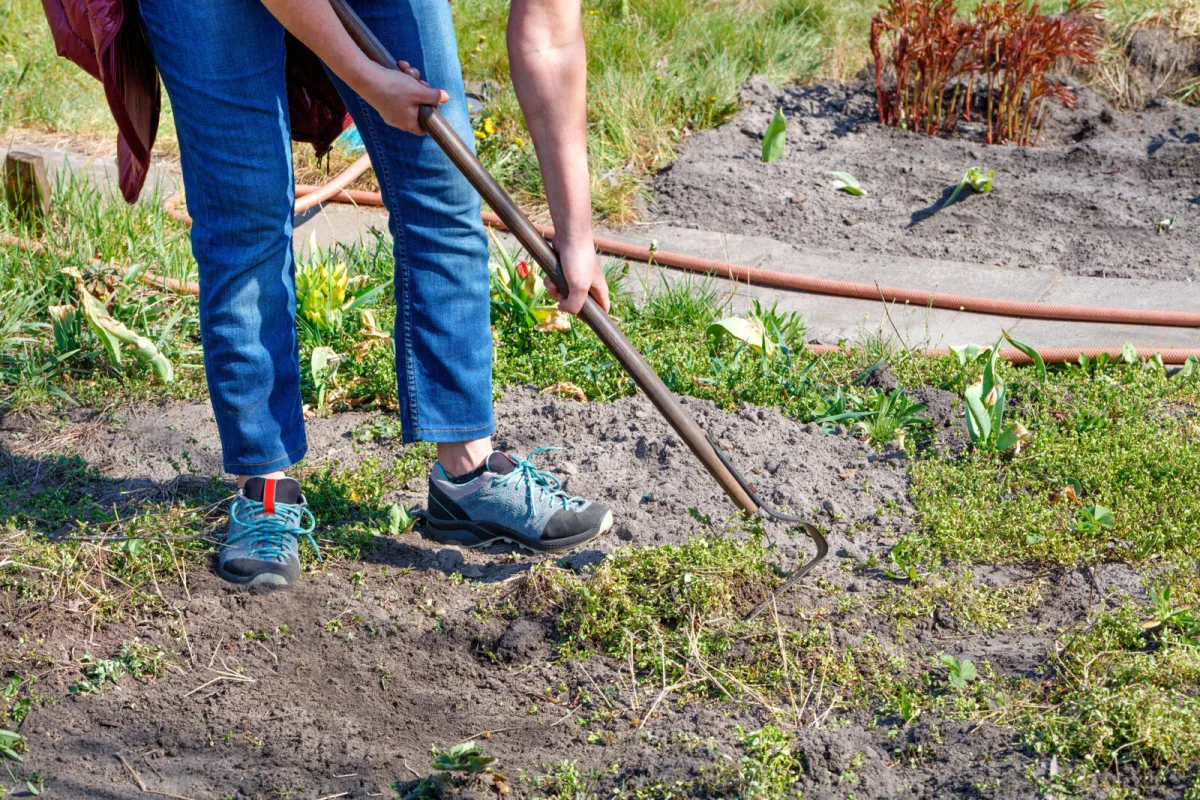
Weeds will sooner or later appear in almost every garden. For many people they’re automatically the enemy, spoiling the look of beds and stealing space from cultivated plants. Others, however, discover that some wild species can have a place in the garden. So the question isn’t only how to get rid of weeds, but also whether it’s always necessary to wipe them out without mercy.
How you approach weeds is very personal. Some people want beds that look immaculate; others prefer a looser, more natural style. The key is to understand what weeds bring you in that particular corner of the garden—and what they take away.
When weeds can be useful in the garden
It’s easy to fall into the feeling that it’s an endless battle. You pull the weeds, turn around, and a few days later they’re back again. That experience is exactly what sometimes leads a gardener to take a closer look at wild plants and realize not all of them are just a burden. Some can act as helpers—so long as you keep them within sensible limits.
Supporting life in the garden
Many weeds attract pollinators and other beneficial insects. Flowering species provide nectar and pollen at times when ornamental plants aren’t in bloom. Some wild plants also serve as food for birds or small wildlife. If your goal is a garden that supports nature, a few carefully chosen weeds can be surprisingly valuable.
Edible and medicinal uses
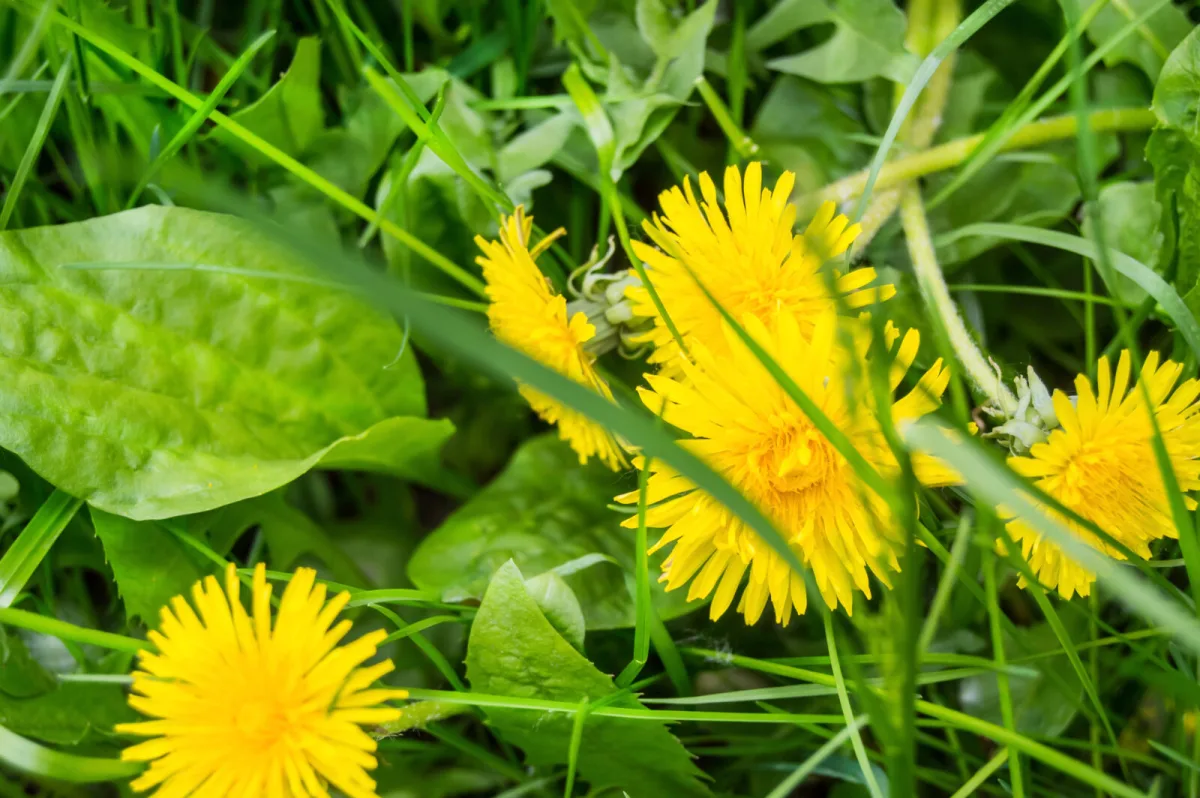
Many commonly overlooked plants can be used in the kitchen and in home herbal remedies. Some make good teas; others are traditionally used for compresses or added to salads. Typical examples include dandelions, chickweed, nettle, plantain, or yarrow. In that case, they’re not just an uninvited guest in the garden, but a source of useful ingredients right on your doorstep.
What you consider a weed today may be the herb you’ll deliberately look for tomorrow.
Quick ground cover and slope protection
Weeds are known for their vigor—and sometimes that can be turned to your advantage. Where you need to cover bare soil quickly, less aggressive species can work as a temporary ground cover. Denser vegetation helps reduce surface drying, and on slopes it can lessen soil wash during rain. If you choose a species you can keep in check, you get a green carpet with minimal demands.
Minimal care in tough conditions
While some ornamentals require ideal light, regular watering, and feeding, weeds often grow almost anywhere—in shade, sun, dry soil, and damp spots. If you have an area where cultivated plants struggle, hardy wild species can be a temporary solution until you improve the site.
A signal of what’s happening in the soil
Weeds can sometimes act as a subtle clue. When certain species keep appearing in the same spot, it may point to soil type, compaction, or low fertility. Where plants typical of poorer soils thrive, adding organic matter and improving structure often helps. Elsewhere, you might see clover, which can enrich the soil with nitrogen. Even if you decide to reduce it, the information it provides can be genuinely useful.
Natural beauty and diversity
Not every weed is ugly. Some have charming flowers, others interesting foliage or strong structure. Daisies, dandelions, violets, or chicory can look very decorative in a lawn or along the edge of a bed. In gardens designed in a naturalistic style, these plants can be a welcome lift.
Why it’s often better to remove weeds without hesitation
Even though wild plants have their benefits, there are situations where tolerance does more harm than good. Especially in vegetable beds, in carefully planned plantings, or anywhere you want to minimize risk to your crops and ornamentals, regular weeding is usually the sensible choice.
Disrupting the look and feel of a well-kept garden
Many people garden with a clear idea of how the space should look: orderly beds, clean lines, healthy seedlings, and no chaos. Weeds generally don’t fit that vision. Beds can then look neglected and untidy, and the overall impression of the garden suffers unnecessarily—even if the plants themselves are otherwise doing fine.
Worsening allergies
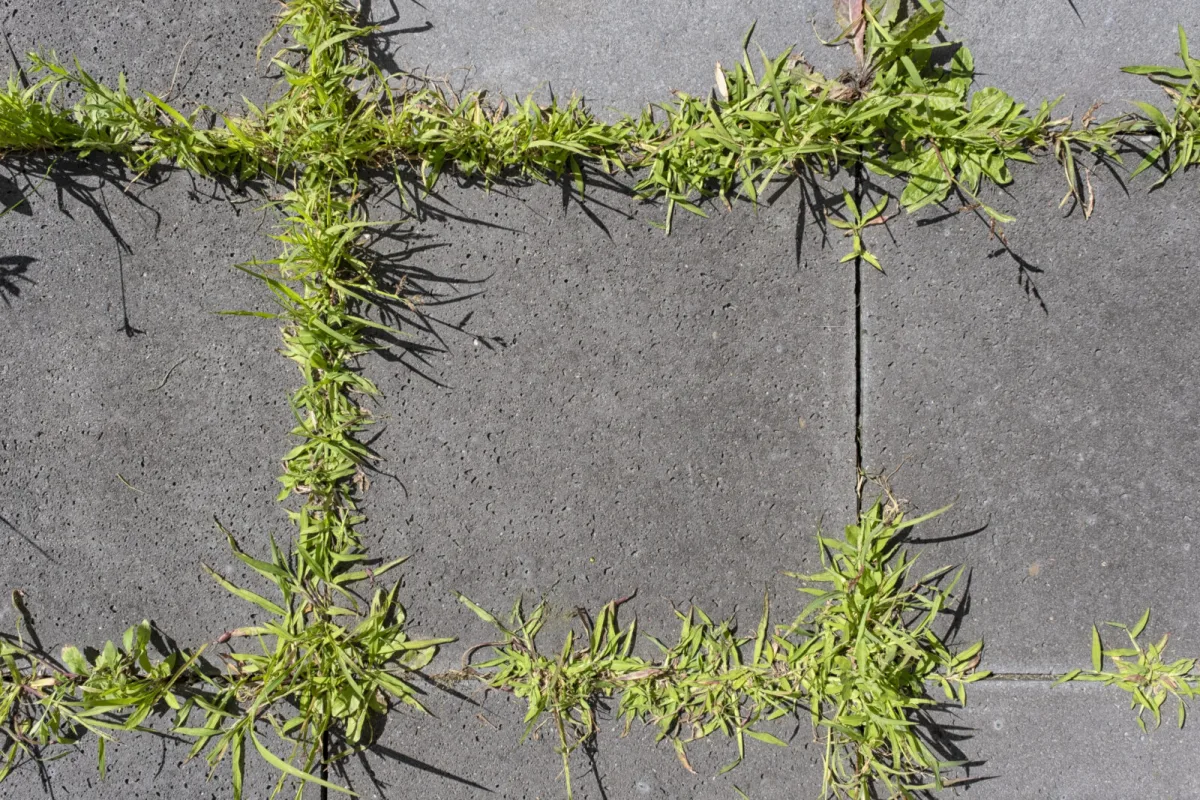
Some weeds contribute significantly to pollen load. If you suffer from allergies, letting problematic species set seed can make being outdoors unpleasant. Instead of enjoying gardening, you get sneezing, watery eyes, and discomfort—often reduced simply by removing plants in time, before they flower.
Competition for cultivated plants
Weeds steal water, light, and nutrients from garden plants. They often have a more aggressive root system and faster growth, giving them a head start. The result can be subtle but significant: weaker vegetable growth, fewer flowers, a smaller harvest, or generally poorer condition in perennials and annuals alike. In heavily overgrown spots, cultivated plants can even disappear altogether.
Risk of diseases and pests
Weeds can act as a refuge for pests that then easily move onto your crops and ornamental plantings. Dense growth also reduces airflow, creating better conditions for moisture-related problems. Some wild plants can also serve as alternate hosts for diseases, increasing pressure on the overall health of the garden. If you want vegetables and ornamentals to be as resilient as possible, cleaner beds are often the simpler route.
Unpleasant handling and a harder harvest
The practical side sometimes decides it. There are species with spines, hooks, and thistles that can make work genuinely unpleasant. Weeds also complicate harvesting, especially for low-growing leafy crops. Instead of a quick pick, you first have to sort what belongs in the basket and what should come out, turning harvest time into a slow, tiring job.
How to choose your own strategy
There’s no universal answer to whether you should tolerate weeds in the garden or remove them without compromise. It depends on your garden style, what you grow, your goals, and how much time you want to devote to maintenance. For one person, wild plants are an ugly obstacle; for another, a useful resource and part of a living garden.
In practice, a middle path often works best: keep vegetable beds and sensitive plantings clean, while leaving selected non-invasive species where they make sense—along edges, in less-used areas, or in spots set aside for insects and birds. The important thing is that you’re the one setting the boundaries, not the weeds themselves.
Source: Gardening Know How , Pestrazahrada.cz
Related articles
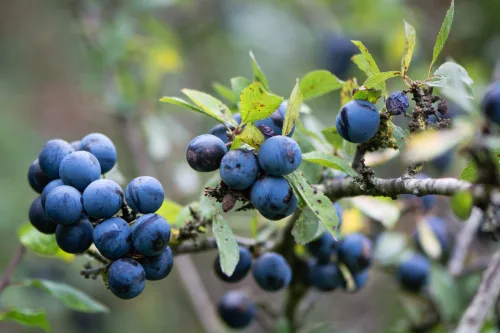
The Most Overlooked Shrub in the Czech Landscape Sloe Feeds Bees Shelters Birds and Bears Fruit Few People Know
Blackthorn (sloe) is an unassuming, thorny shrub that supports wildlife early in the season and yields dark, frosted fruits in autumn. Once touched by frost, its astringent sloes become a valued ingredient for preserves, drinks, and traditional remedies.
How to Choose a Sack for Storing Potatoes So They Don’t End Up in the Compost in a Few Weeks
The right storage sack helps protect potatoes from light and excess moisture, two common reasons they spoil. Learn when to choose a jute sack or a paper sack and how to keep your crop sound for months.
Silverfish Appear at Night and Vanish into Cracks Get Rid of Them with One Change Not a Spray
Silverfish thrive in dark, damp corners and often show up only at night. Long-term control comes from drying the space and removing hiding places, not just spraying chemicals.
Comments (0)
Be the first to comment.