
 English
  Polski
  Deutsch
  Nederlands
  Svenska
  Norsk
Norsk  Dansk
Dansk  Français
  Italiano
  Español
  Português
  Slovenčina
  Suomi
Suomi  Gaeilge
 The Turning Point in Growing Cucumbers That Decides a Heavy Harvest
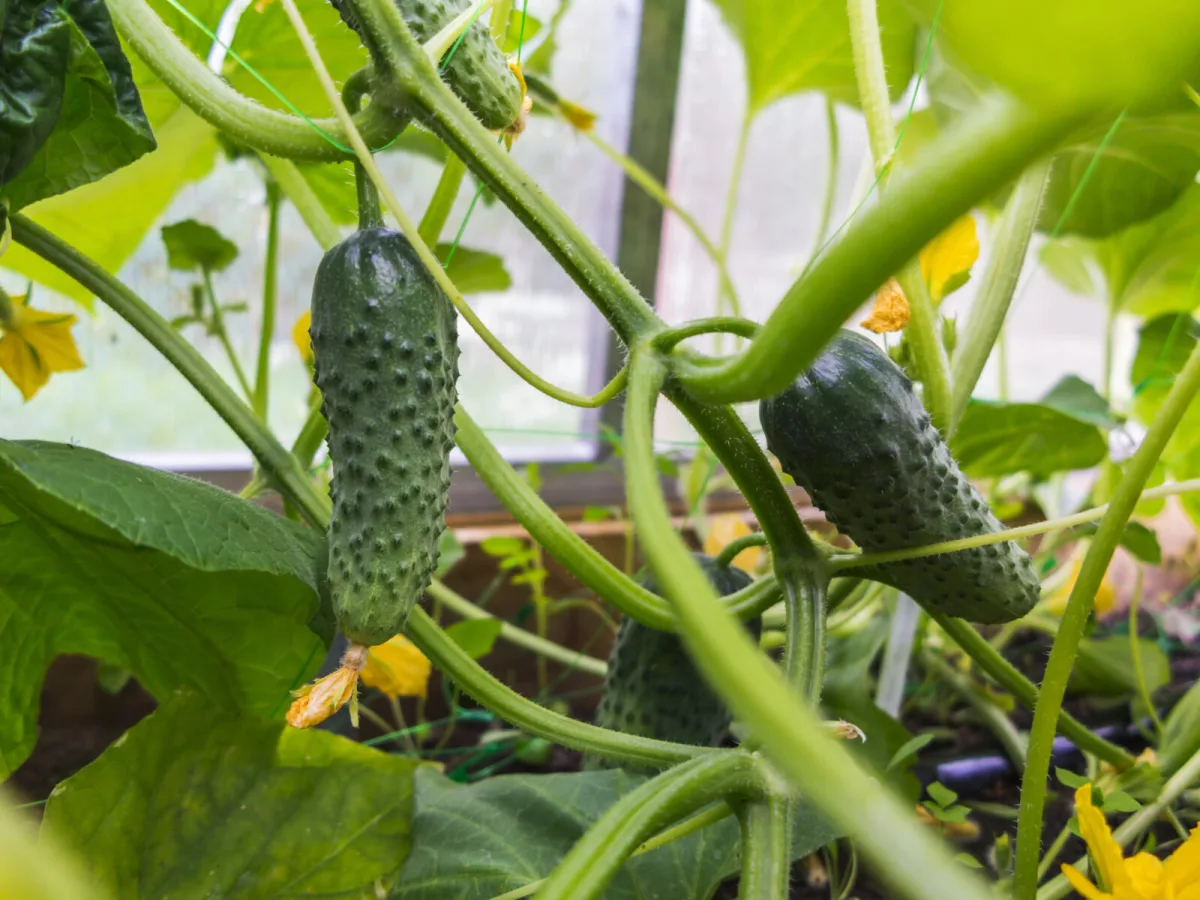
Cucumbers can be juicy, crisp and pleasantly sweet if you give them the right care routine from the start. It’s not just a case of planting them and watering now and then. The result depends on a combination of warm soil, consistent moisture, balanced feeding and timely training of growth. If you don’t underestimate this key moment, the plants will repay you with a long, abundant harvest.
Why transplants are better than direct sowing
Cucumbers grown from transplants usually crop more reliably and more heavily than those you sow straight into the bed. Transplants have a head start, establish faster, and make better use of the short period when cucumbers grow most vigorously. The basic requirement is warm, well-heated soil and a bed that’s been fed across the whole area, not just in the planting hole. The roots then spread out sideways, and the plant isn’t held back by a lack of nutrients.
Watering determines both size and flavour
Cucumbers are sensitive to swings in moisture. If they dry out one day and then get a lot of water the next, it shows up in both growth and fruit quality. The ideal is regular watering, roughly 2 to 3 litres per plant per day depending on the weather and soil type. What matters is that the plant never stays wilted for long, but also isn’t left sitting in cold, waterlogged soil. A steady supply of water supports even fruit set and reduces the risk of bitterness.
The turning point after planting: don’t rush growth
After planting out, cucumbers first need to strengthen and build enough leaf mass. A common mistake is to leave too many fruits right at the beginning, which exhausts the plant and later it can’t keep up a high picking pace. That’s why it pays to manage the first growth phase. Up to about the eighth leaf, it’s recommended to remove side shoots and also the small fruits that are only just forming. The plant then invests its energy in roots and leaves, which later supply the fruits with plenty of photosynthates.
Training once the support is reached
Once the cucumber reaches its support, in a greenhouse typically the height of the training wire, the strategy can change. You can leave the side shoots, but it’s best to pinch them back after the second leaf. This keeps the crop airy and easy to manage, prevents the plant from wasting effort on excessive leafy growth, and channels more energy into flowering and fruiting. Proper training also reduces disease pressure because the leaves dry more quickly.
Feeding: from nitrogen to potassium
If you planted the transplants after the period of late spring frosts, you can add a fertiliser with nitrogen in ammonium form early in the season. This supports leaf growth and overall plant strength. A second, and at the same time final, nitrogen feed is suitable about three weeks later. This helps the cucumber develop enough leaf area, which is essential for nourishing the fruits to come.
In the next phase, it’s better to switch to a complete fertiliser with a higher proportion of potassium. Potassium supports flowering, fruit set and fruit quality. It also helps plants manage water more efficiently. With cucumbers, it’s worth avoiding fertilisers that contain chloride, because they’re sensitive to it and may grow and crop less well.
Protection from downy mildew and powdery mildew starts with prevention
Cucumbers are among the crops often affected by powdery mildew or cucumber downy mildew. These diseases show up mainly when the weather suits them and the crop is dense, poorly ventilated or stays wet for a long time. The foundation is regular checks of the leaves, especially the lower ones and those inside the canopy. As soon as the first symptoms appear, you need to act promptly, because later control is usually much more difficult.
Sprays and the right growing technique
Against disease you can choose natural or chemical sprays depending on the growing approach you prefer and how severe the infection is. Equally important, though, is the growing technique itself. An airy canopy, consistent watering, sensible feeding and correct training can greatly reduce disease pressure. If you don’t overload cucumbers with fruit at the start and you give them steady care, you’ll greatly increase your chances of healthy plants and full baskets all season long.
The biggest difference in yield is often made in the first phase after planting: strengthen the plant, don’t overload it with fruit, and keep moisture consistent.
Source: AA Selection, Research Gate, GrowVeg, Pestrazahrada.cz

A lover of nature, gardens, and everything that moves, blooms, or grows. He literally grows everything, from herbs to rare species, and he enjoys caring for animals just as much. In his work, he connects modern technology with tried-and-tested grandmotherly methods and is happy when both paths lead to the same goal.
Related articles

How to Keep Your Pool Sparkling Clean Without Unnecessary Effort or Stress
Keeping pool water crystal clear doesn’t have to be hard work. With a simple daily-and-weekly routine, you’ll prevent cloudiness, algae and breakdowns before they start.
A Simple Trick for a Bigger Pepper Harvest and Faster Ripening
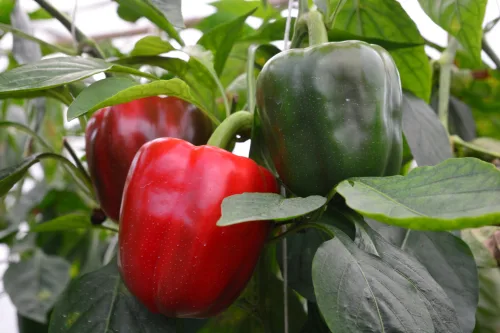
Regular watering and feeding aren’t always enough for a heavy pepper crop. Pinching out the growing tips redirects the plant’s energy into branching, flowering, and ripening fruit faster.

Fireflies are disappearing from the landscape, learn how to create a safe garden home
Warm summer nights are even more magical when fireflies start flashing at dusk—but their numbers are falling. With a few simple changes to mowing, planting, lighting and chemical use, your garden can become a safe refuge again.
Comments (0)
Be the first to comment.