
 English
  Polski
  Deutsch
  Nederlands
  Svenska
  Norsk
Norsk  Dansk
Dansk  Français
  Italiano
  Español
  Português
  Slovenčina
  Suomi
Suomi  Gaeilge
 Four Homemade Tips for Healthy Tomatoes and an Exceptionally Heavy Crop
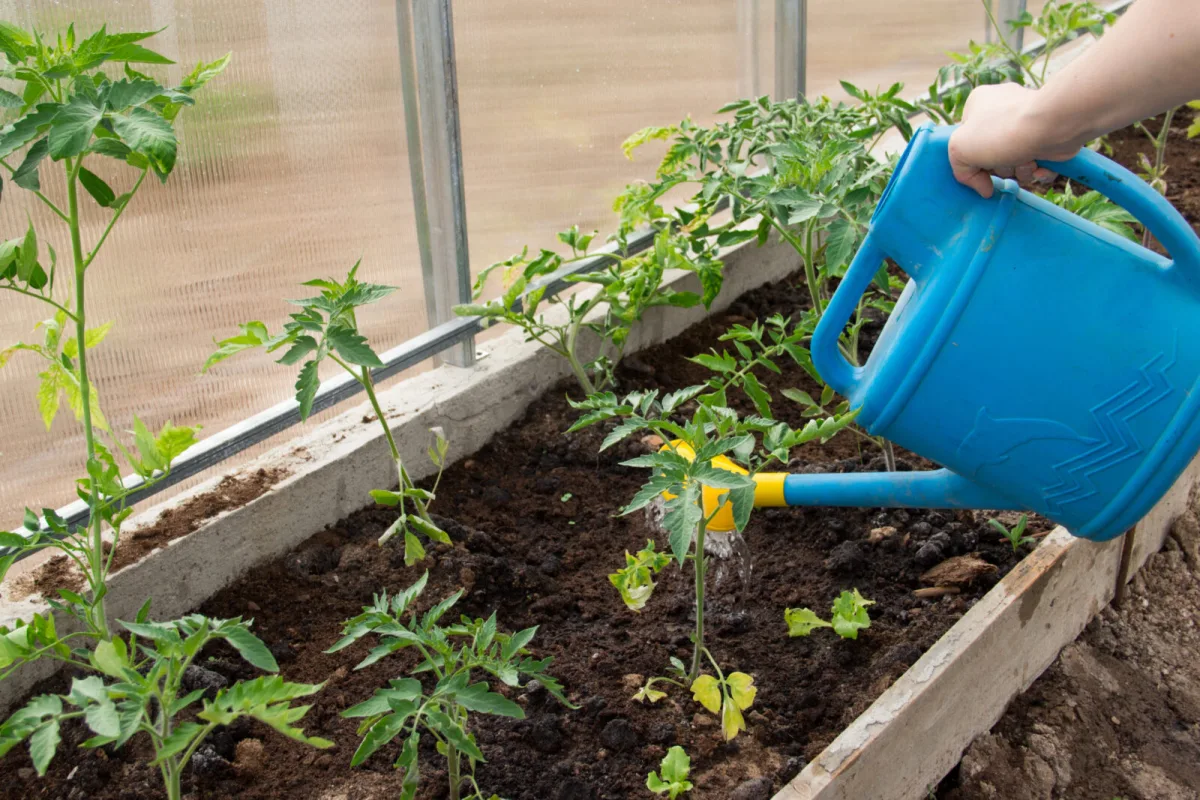
Tomatoes are among the most popular crops in the garden and on the balcony, but for them to truly thrive and reward you with full trusses of fruit, they need consistent care throughout the season. The good news is that you can support tomato growth, flowering and colouring up without any special store-bought mixes. Often, what you need is already at home, in the garden, or in the compost. The key is not to overload the plants, to feed sparingly, and to always watch how they respond to watering and nutrition.
Basic maintenance that has a big impact on yield
Before you reach for any homemade fertiliser, it pays to do a few simple steps that immediately help tomatoes along. Remove lower leaves, excess side shoots, damaged stems, and any dry or browning parts. The plant then doesn’t waste energy on unnecessary growth and has better airflow, which reduces the risk of disease. Mulching with organic material is also a big help: it suppresses weeds, evens out soil temperature, and retains moisture. With more stable conditions, roots develop better and feeding works more effectively.
Comfrey feed to support flowering and fruit set
Comfrey is very useful for tomatoes mainly because of its potassium content. Potassium is crucial when plants begin to flower heavily, set their first fruits, and then carry them through to ripening. Comfrey liquid feed is therefore ideal to start using when the first flowers appear, and then as small green fruits begin to form.
Preparation is straightforward. Fill a container about two-thirds full with comfrey leaves and cover with water. Let the mix ferment for about ten to fourteen days, stirring occasionally to keep the process even. Once it has finished fermenting, strain the liquid and dilute it with water at a ratio of one to ten before use. Water tomatoes at the base about once every one to two weeks. With regular use, plants can be more vigorous, fruits larger, and the overall harvest noticeably heavier.
Wood ash as a simple source of potassium and calcium
One of the most readily available home helpers is wood ash. It contains nutrients important for growth and fruit production, especially potassium and calcium. In practice, that means support for flowering and stronger plant structure, provided ash is used correctly and sparingly.
Simply sprinkle a thin layer around the plants and lightly work it into the surface of the soil, then water the tomatoes. It is essential to use only ash from clean, untreated wood that has not been painted, varnished or chemically treated. Don’t overdo the amount, because too much ash can push the soil towards a higher pH and reduce the availability of some nutrients.
Compost tea for nutrients and soil life
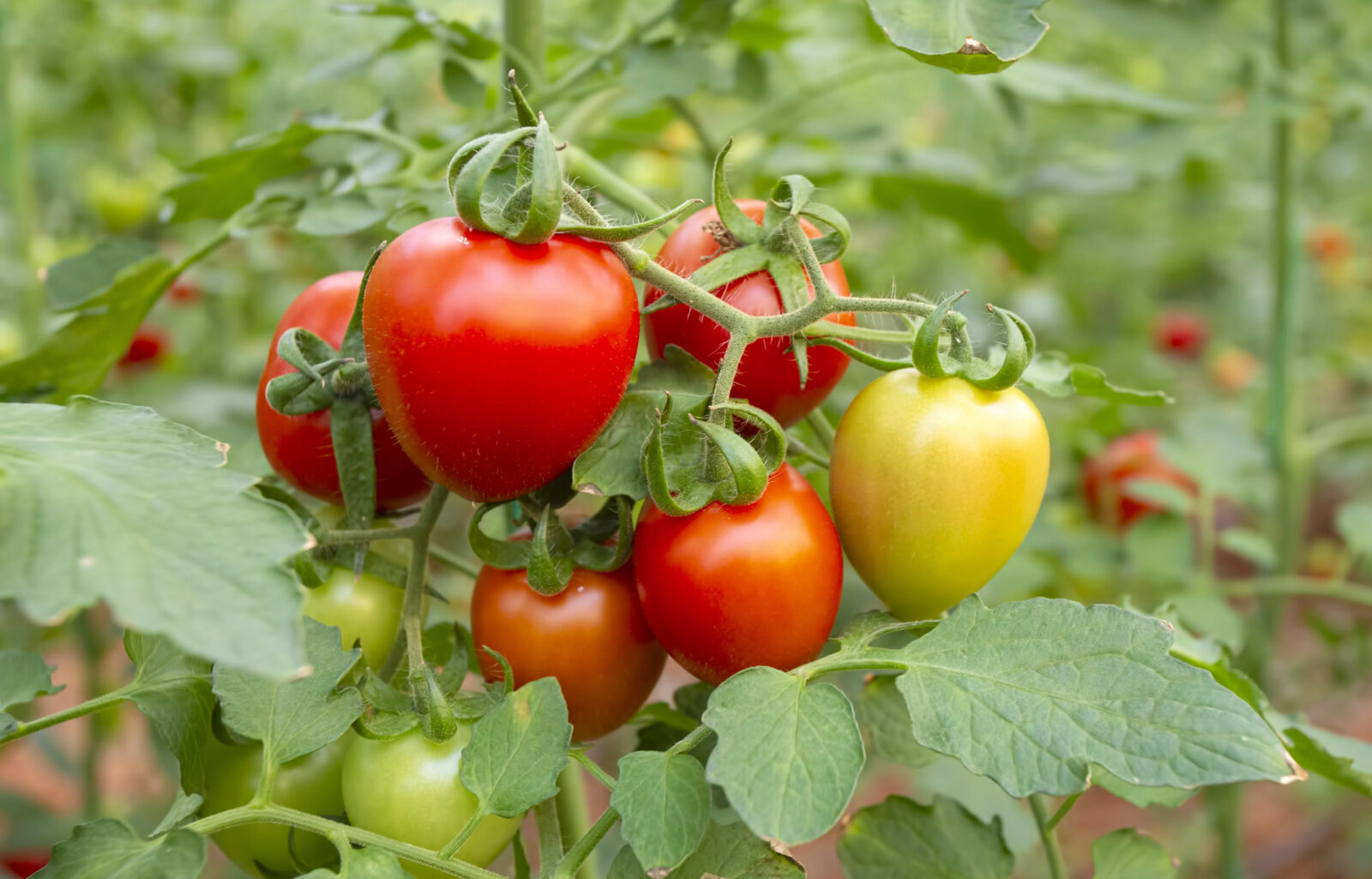
If you have mature compost available, you can make a tea from it that will provide tomatoes with a broader range of nutrients and also support beneficial soil microorganisms. Healthy soil is often the deciding factor in why some plants crop brilliantly while others struggle despite frequent feeding.
Put one part mature compost into a bucket and add five to ten parts water. Leave to steep for roughly twenty-four to forty-eight hours, stirring the mixture several times during that period so nutrients release more readily. Then strain the liquid so no solids remain. Use it as a root drench about once every one to two weeks, ideally during active growth and fruit formation.
Timing and restraint make the difference
With homemade fertilisers, smaller doses applied regularly are generally safer than a one-off overfeed. Use comfrey feed mainly during flowering and fruit set, add ash only occasionally and in a thin layer, and treat compost tea as an all-round soil support. When you combine these simple methods with ongoing removal of unnecessary leaves and mulching, tomatoes typically respond with stronger growth, better flowering and, in the end, tastier fruit that you can enjoy fresh or preserve for winter.
Source: Zahrádkár, Gardening Know How, GrowVeg, Pestrazahrada.cz

A lover of nature, gardens, and everything that moves, blooms, or grows. He literally grows everything, from herbs to rare species, and he enjoys caring for animals just as much. In his work, he connects modern technology with tried-and-tested grandmotherly methods and is happy when both paths lead to the same goal.
Related articles

How to Keep Your Pool Sparkling Clean Without Unnecessary Effort or Stress
Keeping pool water crystal clear doesn’t have to be hard work. With a simple daily-and-weekly routine, you’ll prevent cloudiness, algae and breakdowns before they start.
A Simple Trick for a Bigger Pepper Harvest and Faster Ripening
Regular watering and feeding aren’t always enough for a heavy pepper crop. Pinching out the growing tips redirects the plant’s energy into branching, flowering, and ripening fruit faster.

Fireflies are disappearing from the landscape, learn how to create a safe garden home
Warm summer nights are even more magical when fireflies start flashing at dusk—but their numbers are falling. With a few simple changes to mowing, planting, lighting and chemical use, your garden can become a safe refuge again.
Comments (0)
Be the first to comment.