
 English
  Polski
  Deutsch
  Nederlands
  Svenska
  Norsk
Norsk  Dansk
Dansk  Français
  Italiano
  Español
  Português
  Slovenčina
  Suomi
Suomi  Gaeilge
 Abundant Geranium Blooming Is No Accident, But the Result of a Few Small Details
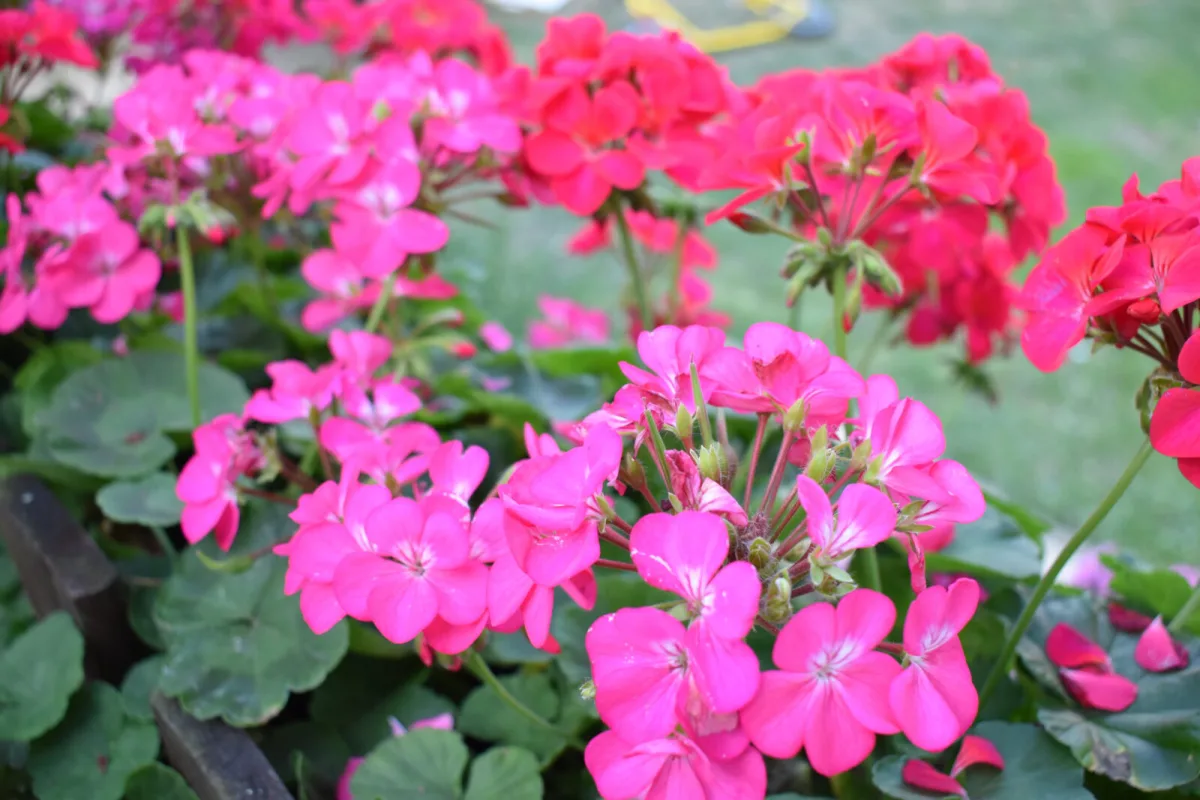
Abundant geranium flowering isn’t an accident or the result of one miracle tip. You’ll get the best results when you combine a few straightforward care steps that complement one another. Once the plant has the right conditions, it starts growing faster, fills out into a compact bush, and the first waves of colourful buds appear early in the season. That’s exactly why geraniums are among the most popular flowers for balconies, windowsills, and gardens.
Plenty of light as the foundation of success
Geraniums love light, and without it they can’t show their full potential. The more sun they get, the more readily they set buds, and the richer the flower colour tends to be. If they sit in shade long-term, they usually become leggy, thin out, and flowering weakens. Give them a bright spot and the plants look sturdier, branch better, and produce fuller flower trusses.
Regular pinching for a bushy shape and more buds
One of the easiest tricks to encourage a denser plant and heavier flowering is regular pinching. By removing the tips of young shoots, the plant naturally branches more. Instead of just a few long stems, you get a compact bush with more sites where flowers can form. Pinching also helps maintain a neat shape and promotes even growth across the whole plant.
Water in moderation so the roots can work properly
Proper watering is all about balance. Geraniums appreciate regular watering, but they can’t stand permanently waterlogged compost. If the roots stay wet for too long, growth can slow, the plant may decline, and flowers become fewer. On the other hand, if it suffers extended drought, it drops buds and struggles to rebuild strength for the next flush. Ideally, water so the compost dries slightly between waterings and the plant has steady, but not excessive, moisture.
A quality potting mix as both nourishment and support for growth
What geraniums are growing in also makes a big difference. A quality potting mix gives roots room, airiness, and basic nutrients. That helps the plant bulk up faster and build denser foliage, from which flower stems then develop. Suitable compost also manages water more effectively, which ties directly into good watering practice and reduces the risk of problems from overwatering.
Occasional feeding for long-lasting, vibrant flowering
For geraniums to flower for a long time and with real intensity, they need nutrients topped up along the way. Occasional feeding is enough to support bud formation and keep the plant in good condition during its strongest growth period. Regularly fed geraniums typically flower more heavily, show deeper colours, and recover better after each flush of blooms.
Simple care that comes back as a flood of flowers
The most beautiful flowering comes from combining light, pinching, sensible watering, a quality potting mix, and occasional feeding.
When you tune these steps to work together, geraniums quickly fill out and develop into healthy, strong plants packed with flowers. The result looks decorative from the start of the season and often lasts for many weeks. It’s this ease and reliability that keeps geraniums so popular on balconies, patios, and windowsills.
Tip: If you want to boost flowering even more, focus on consistency in care. Geraniums respond best to stable conditions and gradual—not sudden—changes in watering or feeding.
Source: Bunnings, Plant Addicts, My Geranium, Pestrazahrada.cz

A lover of nature, gardens, and everything that moves, blooms, or grows. He literally grows everything, from herbs to rare species, and he enjoys caring for animals just as much. In his work, he connects modern technology with tried-and-tested grandmotherly methods and is happy when both paths lead to the same goal.
Related articles
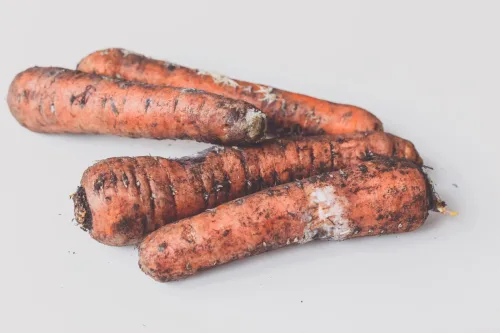
Next year you can harvest better if you don’t sow carrots where they won’t thrive
Carrot root fly can ruin carrots, parsley and celery from the inside out, often without obvious warning until harvest. Better site choice, rotation, later sowing and simple physical barriers can dramatically cut damage next season.
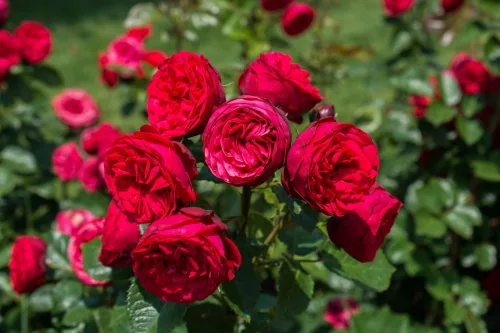
How to Propagate Roses from Cuttings at Home and Fill Your Garden with Blooms Almost for Free
Want more roses without paying for new plants? With a few healthy cuttings and a simple plastic-bottle mini greenhouse, you can root new bushes at home in just a few weeks.
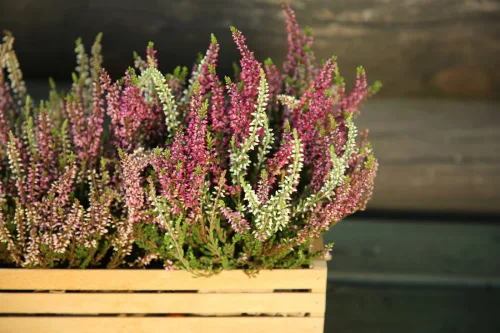
Heathers can cope where other plants won’t, but one soil detail decides everything
Heathers and heaths are tough evergreen shrubs that can flower across the seasons when you choose the right types. Success hinges on matching the plant to your soil pH and ensuring free drainage.
Comments (0)
Be the first to comment.