Homegrown Lovage Is Not Just for Soup
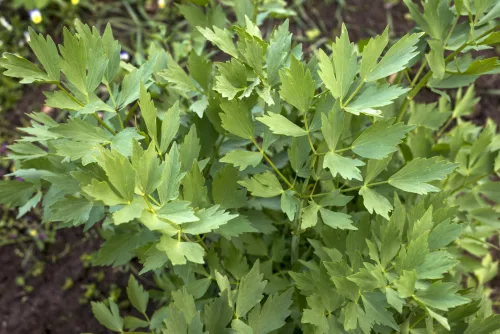
Lovage is a hardy perennial herb with a bold, celery-like flavour and plenty of uses beyond stock and soup. Learn where it thrives, how to propagate it, and how to harvest and use every edible part.
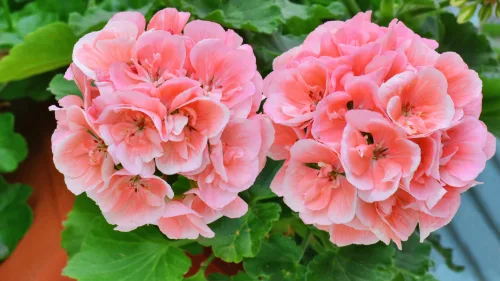
Scented pelargoniums can help make evening seating areas less appealing to mosquitoes while adding fragrance and colour to balconies and patios. Plant them in late spring for the strongest growth and best effect through summer.
Highbush and rabbiteye blueberries can produce cherry-sized berries, but size and sweetness depend as much on soil acidity, moisture, pruning, and pollination as on the cultivar itself. Learn which varieties to choose and the key growing steps that reliably improve berry size and flavour.
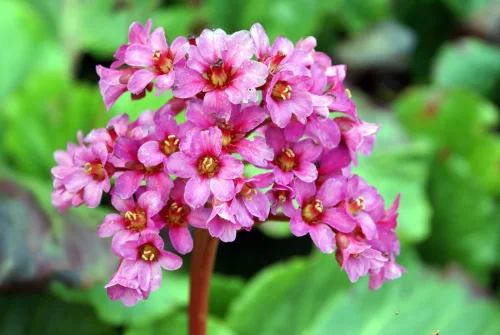
Bergenia is one of the most reliable perennials, valued for its bold evergreen foliage and early spring flowers. It thrives in shade or sun, is easy to care for, and adds colour right through winter.
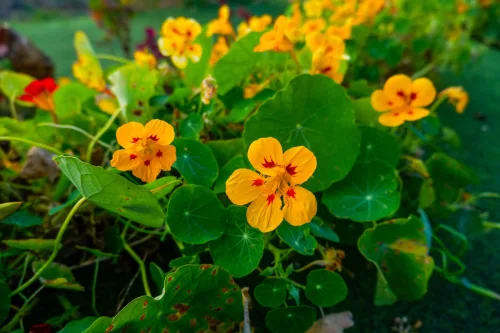
Nasturtium is far more than a splash of colour in beds and window boxes. It’s edible, pleasantly peppery, and traditionally used as a natural support for colds and urinary or respiratory complaints.
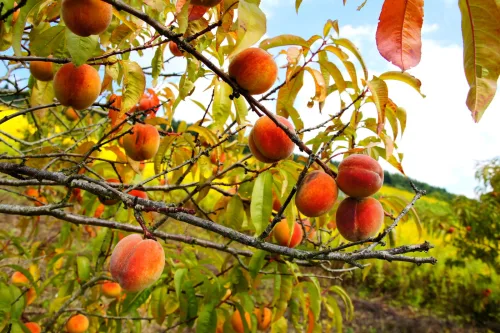
Home-grown peaches often outshine shop-bought fruit for fragrance and flavour. With the right site, frost protection and pruning, you can harvest reliably sweet, juicy peaches even in cooler areas.
A summer getaway doesn’t have to mean coming home to crisped pots. With the right compost mix, placement and drought-tough plants, your containers can cope for up to two weeks without regular watering.
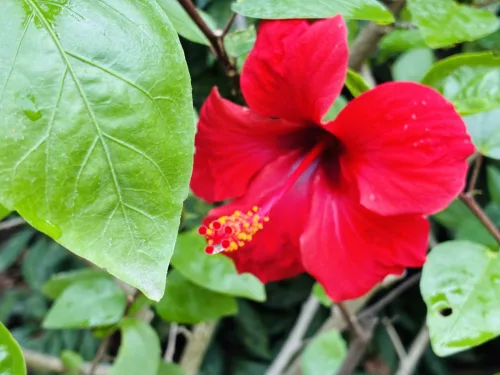
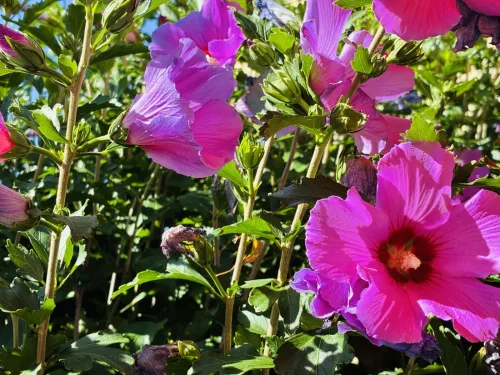
Hardy hibiscus can produce dinner-plate blooms, but only when light, moisture and soil are right. Learn how to plant, feed and care for it so it flowers longer and bigger.
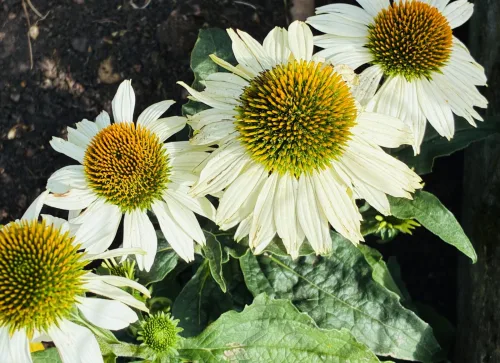
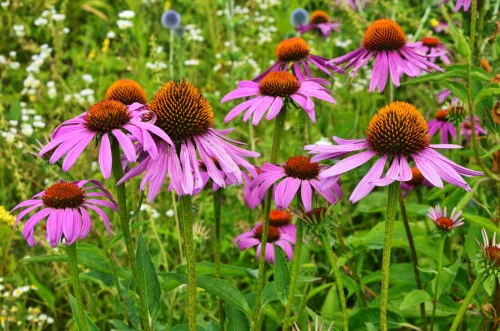
Echinacea is a tough, sun-loving perennial, but it benefits from a more careful start in its first year. Pre-growing in a pot helps young plants establish stronger roots before they face tougher garden conditions.
Globe thistle (Echinops) is a striking, drought-tolerant perennial with steel-blue flower heads that pollinators love. It thrives in sunny, free-draining borders and also makes an excellent cut or dried flower.
Tayberries are a delicious raspberry-blackberry hybrid with aromatic, juicy fruit and generous yields. With the right support, planting spot, and care, they’ll thrive even in a smaller garden.
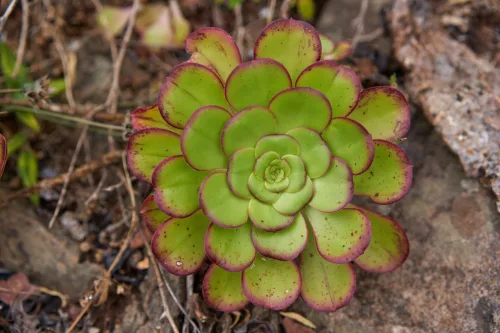
Tree aeonium is a striking succulent whose rosettes flush from green to deep red in strong light. With the right watering and a bright spot, it’s easy to grow and simple to propagate from cuttings.
Weeds don’t have to mean endless hoeing and sore knees. With a few tough, fast-spreading wild plants, you can cover bare soil, outcompete unwanted growth, and create a corner that buzzes with pollinators.
Gaura (Gaura lindheimeri) adds movement and a soft, airy look to borders and containers, while flowering for months. Give it sun and free-draining soil and it will reward you with minimal fuss and a long season of bloom.
Sweet peppers are generous plants when given warmth, sun, consistent moisture and the right feeding. Learn when to plant, how to prevent growth checks and disease, and how to harvest for the best colour and flavour.
Five-leaf akebia is a hardy, fast-growing climber with richly coloured, sweetly scented spring flowers and unusual, edible fruit. With the right siting and two compatible plants for pollination, it can thrive and crop even in Czech conditions.
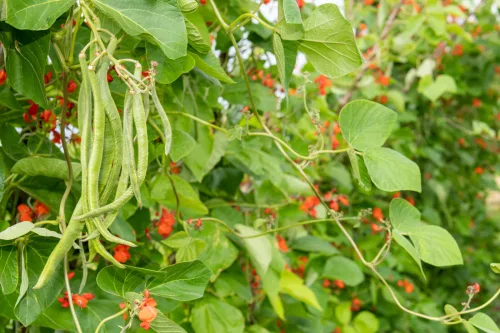
Runner beans are easy to grow and highly productive, but a few common missteps can cut your harvest short. Get the basics right—warm soil, sturdy supports, steady moisture and frequent picking—for weeks of tender pods.
Even if your garden is hot and dry, windy, or persistently damp, you can still grow great herbs. The key is choosing species that naturally suit your site rather than fighting the conditions.
Got a spot that bakes in sun from morning to night? These tough, sun-loving plants cope well with heat and dry soil, and many will reward you with long flowering and reliable ground cover.
Juicy, pleasantly tart currants are versatile in the kitchen and easy to grow. With sensible pruning and feeding, they’ll reward you with heavy crops for many years.
Myrobalan plum, often dismissed as a wilder cousin of the true plum, is making a comeback thanks to its toughness, adaptability and useful fruit. It shines both as a reliable rootstock and as an attractive garden tree with plenty of culinary potential.
Begonias can flower continuously from early summer until the first frosts, but they only perform at their best with the right light, watering routine and feeding. Learn how to grow tuberous and semperflorens begonias in pots, baskets and beds, and how to overwinter and propagate them successfully.
Red hot pokers (Kniphofia) bring bold, torch-like flower spikes in warm shades from summer into early autumn. With full sun and free-draining soil, they’re long-lived, pollinator-friendly perennials that are surprisingly easy to keep going year after year.
Hydrangeas still look spectacular, but increasingly erratic weather can make them harder to grow well. These tougher flowering shrubs offer a similar effect while coping better with heat, drought and frost—and often do more for wildlife too.
Paulownia tomentosa, the Chinese empress tree, is a spectacular, fast-growing tree with showy spring flowers and huge leaves. Give it sun and space and it will quickly become a standout feature.
Hotter summers and longer dry spells can make hydrangeas struggle, even with regular watering. Crape myrtle offers a similar show of flowers with far better tolerance of sun and drought.
Cowpea (Vigna) is a heat-loving legume with exceptionally long, tender pods and a surprisingly high yield. With warmer summers, it’s becoming a realistic and rewarding crop for gardens—especially in sheltered spots or under cover.
Southernwood is a hardy, low-maintenance perennial herb with finely cut foliage and a distinctive cola-like fragrance. Give it sun and free-draining soil, and it will reward you for years with minimal care.
The Velké Pavlovice apricot has been crowned Heritage Variety of the Year 2026, celebrated as a Moravian classic and a benchmark for apricot flavour. Learn what makes it so valued, and how to grow it successfully in the garden.
Pistachio (Pistacia vera) can be grown in Czech conditions mainly as an ornamental specimen or even as bonsai, but the nuts usually won’t ripen. Success hinges on sun, free-draining soil, careful watering, and protecting the roots from winter freeze.
Looking for a reliable climbing rose around 3 m tall that smells wonderful, repeats well and stays attractive in both heat and wet weather? These proven cultivars come close to the ideal, combining resilience with long-lasting flower power.
Mandevilla (often sold as dipladenia) thrives in heat and full sun, rewarding you with long waves of trumpet flowers. With the right compost, careful watering and regular feeding, it can flower for months and even be overwintered indoors.
Rhubarb is a hardy, long-lived perennial that returns every spring and can crop for years with very little attention. With the right site, patient harvesting, and simple annual care, it will reward you with reliable stems season after season.
Onions can be brilliantly reliable, but only if the variety suits your day length and you get the basics right. Here are the most common growing slip-ups that lead to lots of leaves and disappointing bulbs, plus straightforward fixes.
Marsh marigold is a tough, low-maintenance perennial that thrives where soil stays consistently wet. It brings bright spring colour to pond edges, ditches and other waterlogged spots where many plants struggle.
Cucumbers hate cold, but you can still get a head start by soaking the seeds before sowing. With the right warmth afterwards, seedlings can emerge about a week earlier and bring harvests forward.
Planting in groups of odd or even numbers can completely change how cohesive and intentional a border looks. Use odd-numbered groupings for a natural flow, and even numbers where symmetry and structure are the goal.
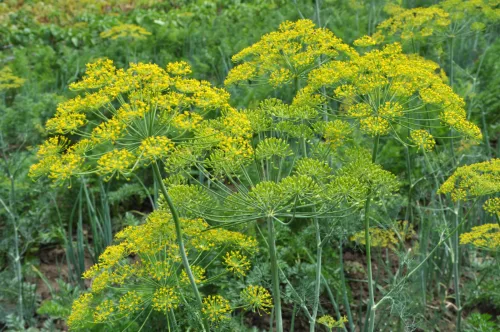
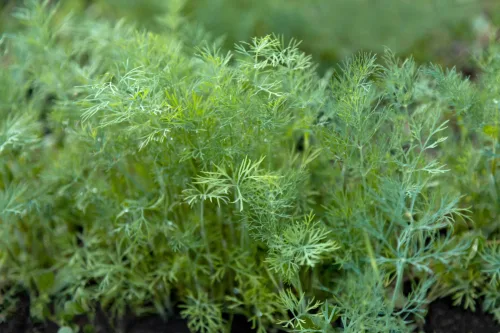
Garden dill is easy to grow and can be sown for much of the season. For the best results, focus on the right sowing depth, a sunny spot, and staggered sowings for a steady harvest.
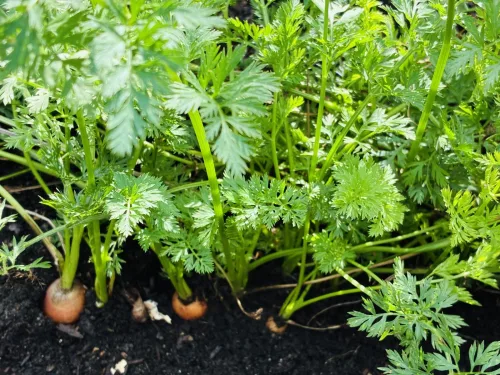
Carrot seed is tiny and slow to sprout, which makes even sowing tricky. These practical methods help you get straight rows, even germination and well-shaped roots with less thinning and hassle.
A partially shaded corner doesn’t have to be wasted space. With the right crops, you can harvest tender, flavoursome leaves and avoid bolting in summer heat.
Laying tomato seedlings on their side at planting can boost root growth and improve stability in warm soils. But in short, cool seasons it may delay flowering and ripening, cutting the final harvest.
Barberry (Berberis) is a tough, thorny shrub valued for colourful foliage, yellow flowers and decorative berries. It excels as a specimen, in mixed shrub borders, or as a dense, security-style hedge.
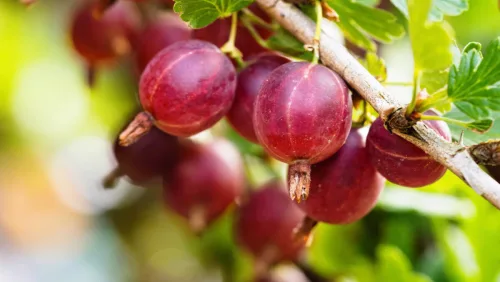
Gooseberries are hardy, long-lived shrubs that can reward you with heavy crops for years. Learn how variety choice, siting, watering, feeding, and pruning make all the difference to fruit size and flavour.
Roses are classic garden shrubs that thrive for years when planted correctly and given thoughtful early care. Learn how to choose plants, plant at the right depth, prune by group, and prevent common problems for strong, healthy flowering.
The first weeks after transplanting largely determine how heavy your tomato crop will be. A simple feeding schedule matched to each growth stage can mean far more flowers and fruit later on.
Fruit bushes reward you with blossom, structure, and reliable harvests—especially when care follows the seasons. Use this year-round plan to time planting, watering, feeding, mulching, pruning, and protection for stronger plants and better crops.
May is the make-or-break month for peppers: timing, warmth, and steady watering decide how well they settle in and how many flowers they set. Get planting and early care right now, and you’ll be rewarded with a long, generous harvest.
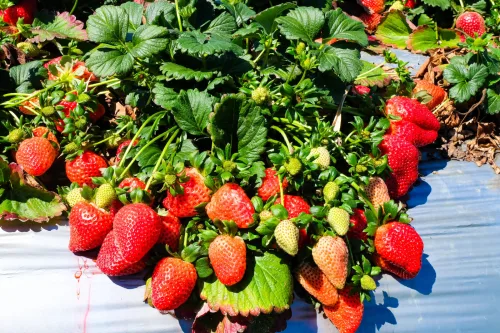
Homegrown strawberries are more fragrant and flavourful because you can pick them fully ripe. Choose the right types, plant well, and use runners to renew your patch cheaply year after year.
Clematis rewards you with months of bloom when you match the variety to the site, keep roots cool and evenly moist, and prune at the right time. Learn how to plant, train, prune and propagate clematis for reliable, long-lasting performance.
Chinese leopard lily is a striking, easy-care perennial valued for its spotted summer flowers and its traditional reputation for soothing throat and respiratory discomfort. With the right sun and well-drained soil, it’s a reliable plant that also supports garden biodiversity.