
 English
  Polski
  Deutsch
  Nederlands
  Svenska
  Norsk
Norsk  Dansk
Dansk  Français
  Italiano
  Español
  Português
  Slovenčina
  Suomi
Suomi  Gaeilge
 Working in the Garden During a Heatwave Safely Preventing Heat Exhaustion and Heatstroke
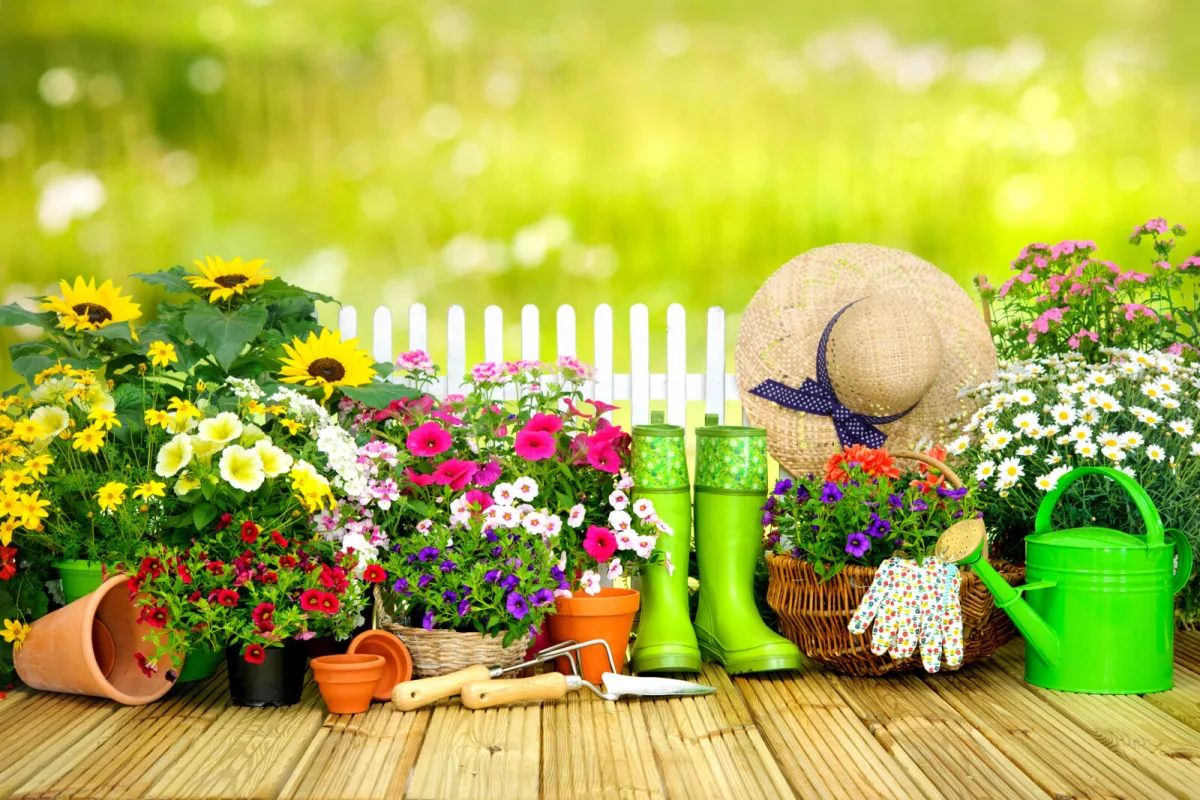
Working in the beds during a sweltering summer can be enjoyable, but it can also be deceptive. High temperatures, fierce sun and humid air don’t just take a toll on plants, but especially on your body. Even if you’re used to spending hours outside, in extreme heat it pays to change your pace, your plan and your expectations. Safety matters more than a perfectly weeded bed, because overheating often comes on quietly and quickly.
When to work and when it’s better to slow down
Schedule the heaviest jobs—digging, hauling soil, mowing or major pruning—for early morning. The earlier the better, because the soil and air are cooler and the sun hasn’t built up its full strength yet. Early evening is also a good option, as temperatures gradually drop. In the middle of the day, roughly from late morning into the afternoon, it’s sensible to take a break in the shade and leave the garden alone for a while. The weeds aren’t going anywhere, and it’s often more efficient to return to the job when you can breathe normally again.
In hot weather, it’s worth working more slowly and taking breaks more often. What you can get done on a cooler day may not be realistic in oppressive heat. Your body uses more energy simply to keep itself cool, which is why fatigue sets in sooner. A slower pace isn’t laziness—it’s overload prevention.
Hydration is essential, but it has its rules
In hot weather, water is your most important piece of kit. Drink steadily before you start, while you work and after you come back inside. Don’t wait until you feel thirsty, because thirst often means you’ve already lost fluids. It helps to keep a bottle with you and sip little and often so you don’t feel heavy or nauseous. Alcohol, on the other hand, isn’t a good idea because it dehydrates the body and increases the risk of overheating.
If you’re sweating heavily, it can also help to replace minerals lost in sweat. That’s when a sports drink can make sense, especially if you feel weak or you’re getting cramps. This isn’t an advert for sugary soft drinks—it’s a practical way to top up salt and electrolytes after substantial fluid loss.
Sun protection and smart clothing
Treat sunscreen as part of your routine, just as essential as gardening gloves. Apply it in advance, ideally about half an hour before you go outside. If you’re sweating or wiping your face, you’ll need to reapply during the day. Sunburn isn’t only a cosmetic issue—it’s an extra strain on a body that’s already battling the heat.
A hat helps too—one that shades not just your forehead, but also your ears and the back of your neck. Your head and neck overheat easily, so a good hat is well worth it. Choose light-coloured, breathable clothing and keep it a bit looser so air can move around your body and sweat can evaporate properly.
Fast cooling that works even without special gear
A simple trick is a wet scarf tied around your neck, or a damp cotton tea towel laid across the back of your neck. This cools you through areas where heat builds up quickly. Special cooling towels aren’t essential, because a plain, smooth kitchen towel often does much the same job. Better still, put the wet scarf in the fridge or freezer for a short time and use it chilled.
As soon as you feel yourself starting to overheat, don’t try to push through by willpower. Move into the shade or straight indoors, take a shower, cool down with a fan or air conditioning, or give yourself a quick rinse with the garden hose. The key is to react early, not only once you feel dizzy.
A simple rule for deciding when to stop
For a quick guide, a practical rule of thumb is based on adding together the temperature and the humidity. When those two numbers add up to a very high figure, it’s wise to stop gardening and get yourself somewhere cool. Humidity significantly reduces the body’s ability to cool itself through sweating, so even weather that doesn’t look extreme on the thermometer can still be dangerous.
When conditions outside start to push the limit, the safest choice is to shift the work to morning or evening and rest through the middle of the day.
Three stages of heat trouble and how to recognise them
On a hot day, problems can escalate quickly. The first warning is often a state marked by fatigue and muscle cramps. It’s a sign the body is no longer coping with shedding heat and needs a break. At that point, move into shade or a cooler place and top up fluids—and minerals if needed.
The next level is heat exhaustion, when fatigue and cramps are joined by headache, nausea or light-headedness. Heavy sweating is common, and your skin colour may look unusually pale or very flushed. If this is ignored, it can worsen in a short time.
The most serious condition is heatstroke, which can be fatal. What makes it especially dangerous is that symptoms may include vomiting, a very high body temperature, a racing pulse and fast, shallow breathing. A critical red flag can also be when sweating suddenly stops. In that case, you must start cooling immediately and get professional medical help. Cool down gradually—for example with a shower, a lukewarm bath, or by staying near a fan or air conditioning. Don’t pour ice-cold water directly over your head, because the sudden shock can make things worse.
Look after yourself first, then the beds
Heat is hard on the whole environment, but the most vulnerable thing in it is the person doing the work. The garden can wait, while overheating can have fast and serious consequences. As soon as temperatures become relentless, make a midday break a standard rule and move tasks into the more comfortable parts of the day. Protect your own health and you’ll have the strength—and the desire—to care for your plants for the long haul.
Source: Almanac, iRozhlas, Pestrazahrada.cz
Related articles
How to Keep Your Pool Sparkling Clean Without Unnecessary Effort or Stress
Keeping pool water crystal clear doesn’t have to be hard work. With a simple daily-and-weekly routine, you’ll prevent cloudiness, algae and breakdowns before they start.
A Simple Trick for a Bigger Pepper Harvest and Faster Ripening
Regular watering and feeding aren’t always enough for a heavy pepper crop. Pinching out the growing tips redirects the plant’s energy into branching, flowering, and ripening fruit faster.
Fireflies are disappearing from the landscape, learn how to create a safe garden home
Warm summer nights are even more magical when fireflies start flashing at dusk—but their numbers are falling. With a few simple changes to mowing, planting, lighting and chemical use, your garden can become a safe refuge again.
Comments (0)
Be the first to comment.