
 English
  Polski
  Deutsch
  Nederlands
  Svenska
  Norsk
Norsk  Dansk
Dansk  Français
  Italiano
  Español
  Português
  Slovenčina
  Suomi
Suomi  Gaeilge
 Curling tomato leaves after heat or rain, how to adjust watering and prevent damage
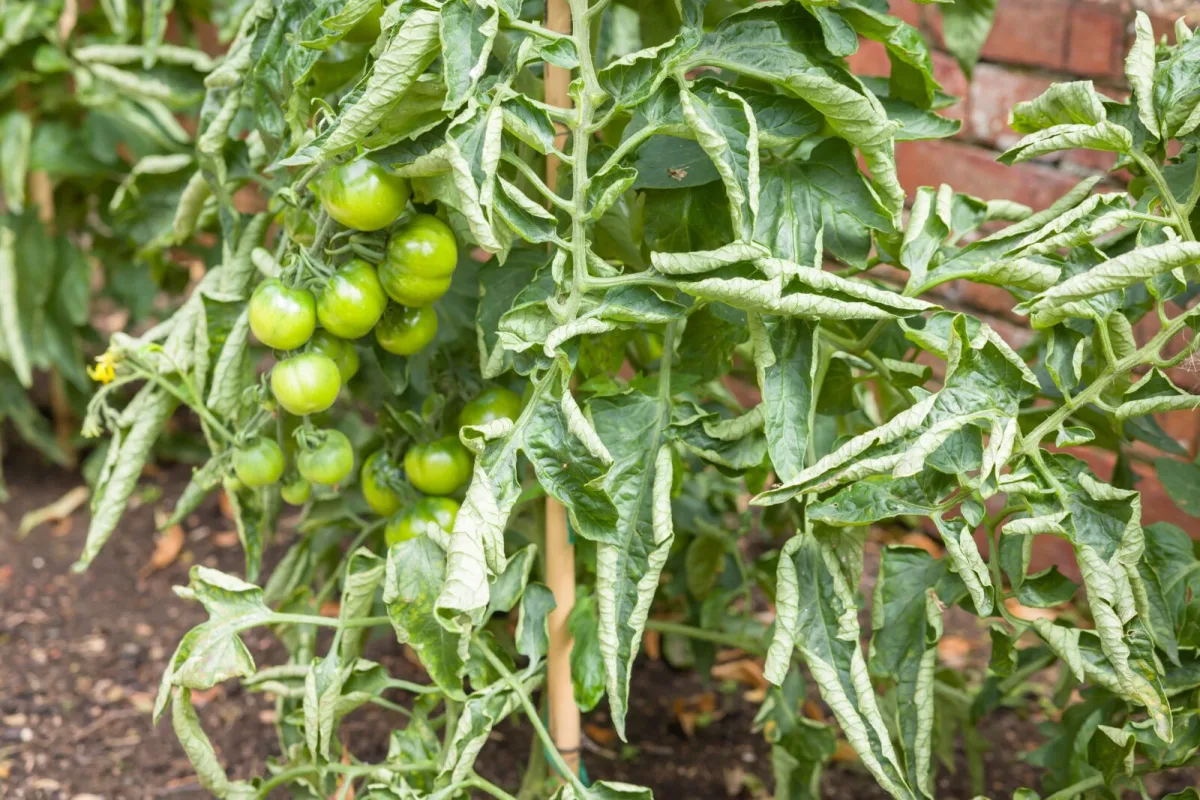
Leaf curl is one of the most common problems when growing tomatoes, affecting beginners and experienced gardeners alike. It may show up on a single plant, or across an entire row or bed. The good news is that in most cases it’s not an impossible situation. What matters is identifying the cause early, because sometimes heat and drought are to blame, while other times it’s overfeeding, missing trace elements, or pests and disease.
Leaves may roll upwards, downwards, or sideways; they can become brittle, misshapen, or the curling may be concentrated at the top of the plant. The direction and appearance of the curl often gives a strong clue about what the tomatoes lack—or what they have too much of.
Heat and lack of water as the most common reason
If the leaves curl upwards, it’s usually a classic defensive response to high temperatures and insufficient moisture. This also applies in a greenhouse, where temperatures can rise quickly. Once it stays above 30 °C for extended periods, tomatoes try to reduce transpiration and the leaves roll to hold onto water. In extreme conditions, sunscald can also occur.
On hot days, it helps to provide some shade in the greenhouse and, above all, ventilate regularly. Watering needs to be adjusted to the weather and increased during heatwaves so the soil doesn’t dry out deeply.
How to adjust watering to temperatures
As a rough guide, water once every 8 to 9 days at average temperatures around 17 to 19 °C. At 20 to 24 °C, it’s worth shortening the interval to about 5 days. In the 25 to 30 °C range, you’ll usually need to water roughly every 2 to 3 days. If temperatures exceed 30 °C, go by the condition of the soil and water as soon as the growing medium is dry.
It’s also useful to keep an eye on night temperatures in the greenhouse, ideally around 19 to 20 °C. During very hot spells, a light misting of the foliage can help, but only early in the morning or late in the evening to avoid scorching and unnecessary stress shocks.
Excess nitrogen and overly lush growth
Sometimes leaves curl mainly at the top, and you may notice the plant has an unusually thick stem and large, heavy leaves. In that situation, drought is usually not the issue—excess nitrogen is. Tomatoes then grow too vigorously, putting on lots of leafy growth, and the upper leaves start to roll. It can look alarming at first glance, but it usually isn’t something that destroys the crop immediately.
What to do if nitrogen is the cause
Leave out all nitrogen-rich feeds for a few weeks so growth settles and the plant switches to a more balanced nutrition. Removing some of the lower leaves can also help by improving airflow and stopping the plant from investing so much energy into older foliage.
Deformed leaves and curling in different directions
A different type of problem occurs when leaves don’t just curl upward, but twist and roll in various directions, becoming soft, brittle, and deformed—often especially at the top of the plant. This can point to an acute boron deficiency, which is important for growth and proper tissue function. In that case, boron needs to be supplied with a suitable fertiliser, or you can choose products combining boron and magnesium depending on the needs of your soil and plants.
Fungal diseases, pests, and other risks
Leaf curl can also be caused by fungal infection. If other symptoms appear as well—such as spots, coatings, wilting, or general decline—you need to act quickly. There are products that can slow the spread, but with heavily infected plants it’s often safer to remove them from the greenhouse so the problem doesn’t carry over to the rest of the crop.
A fairly common culprit is mites. They settle on the leaves, the plant responds by curling, and it gradually weakens. That’s why it’s worth checking leaves regularly, including the undersides where pests often hide.
Watch out for overwatering and root rot
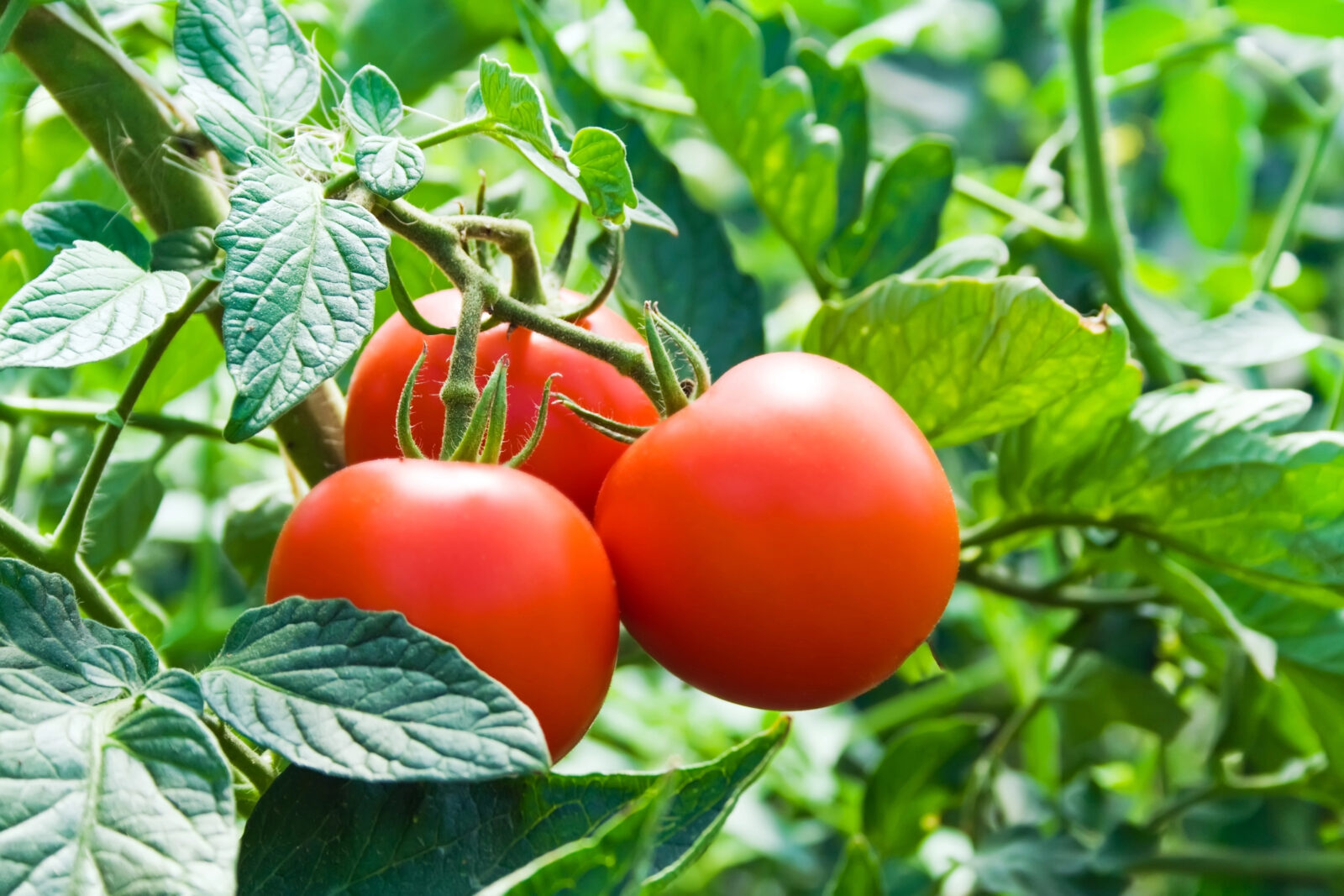
Adding more water isn’t always the answer. With watering that’s too frequent and too heavy, oxygen levels in the soil can drop and roots may start to rot. The tomato then reacts with stress, leaves may curl, and the plant loses vigour. So always adjust watering not only to temperature, but also to your soil type, the size of the plants, and how quickly the growing medium actually dries out.
How to proceed so you don’t lose the crop
First, work out exactly how the leaves are curling and what conditions your tomatoes are growing in. With heat and drought, shade, ventilation, and correctly set watering will help. With excess nitrogen, it’s crucial to cut back feeding for a while. If you suspect boron deficiency, supplement with an appropriate product. And if you see signs of disease or pests, respond immediately—putting off action is the most common reason the problem spreads through the entire planting.
Source: To je nápad, GrowVeg, Gardening Know How, Pestrazahrada.cz

A lover of nature, gardens, and everything that moves, blooms, or grows. He literally grows everything, from herbs to rare species, and he enjoys caring for animals just as much. In his work, he connects modern technology with tried-and-tested grandmotherly methods and is happy when both paths lead to the same goal.
Related articles
How to Keep Your Pool Sparkling Clean Without Unnecessary Effort or Stress
Keeping pool water crystal clear doesn’t have to be hard work. With a simple daily-and-weekly routine, you’ll prevent cloudiness, algae and breakdowns before they start.
A Simple Trick for a Bigger Pepper Harvest and Faster Ripening
Regular watering and feeding aren’t always enough for a heavy pepper crop. Pinching out the growing tips redirects the plant’s energy into branching, flowering, and ripening fruit faster.
Fireflies are disappearing from the landscape, learn how to create a safe garden home
Warm summer nights are even more magical when fireflies start flashing at dusk—but their numbers are falling. With a few simple changes to mowing, planting, lighting and chemical use, your garden can become a safe refuge again.
Comments (0)
Be the first to comment.