
 English
  Polski
  Deutsch
  Nederlands
  Svenska
  Norsk
Norsk  Dansk
Dansk  Français
  Italiano
  Español
  Português
  Slovenčina
  Suomi
Suomi  Gaeilge
 More Sweet Raspberries from One Cane, Six Proven Tips for Gardeners
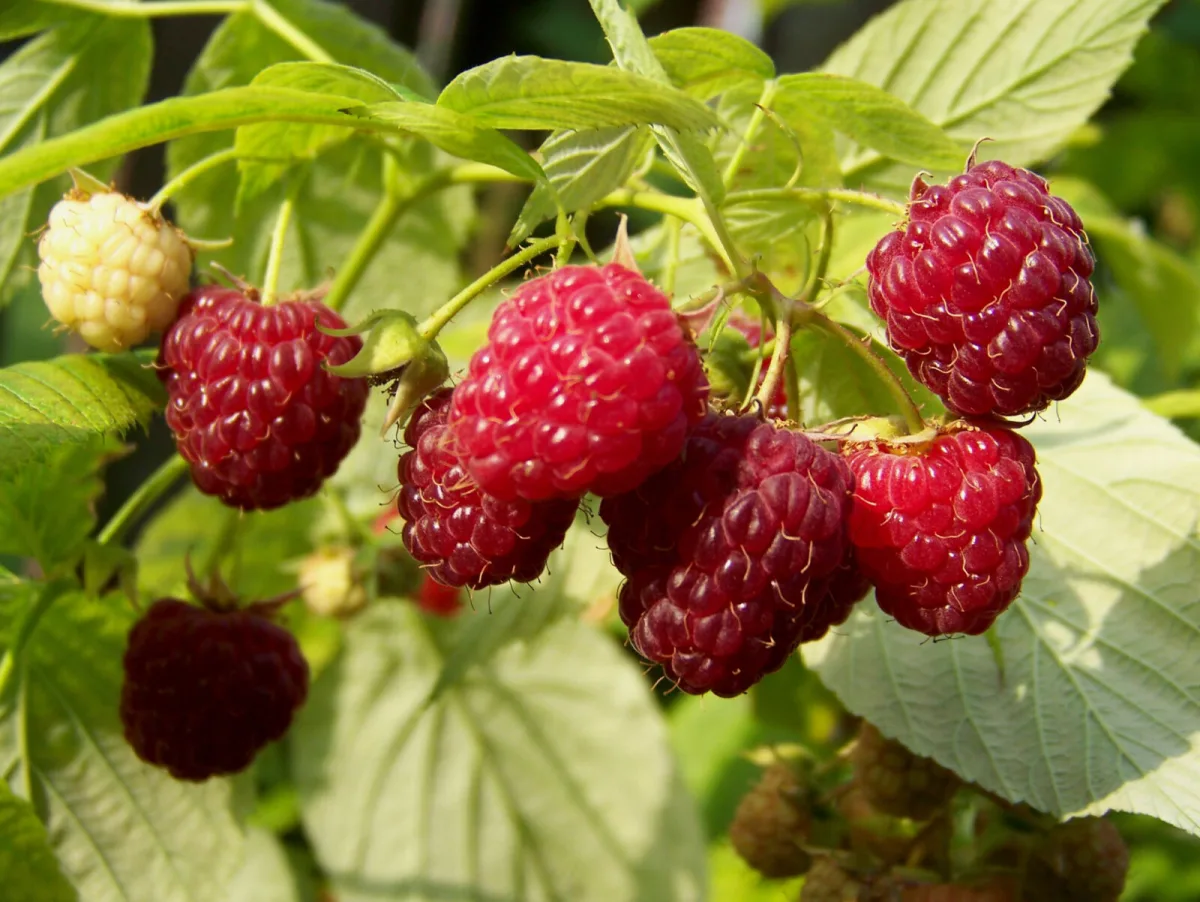
Raspberries are one of those fruits that are surprisingly easy to grow at home, and they pay you back quickly. For the price of one or two shop-bought punnets you can often buy a plant that will crop for many years. Beyond flavour, raspberries have real nutritional value too, with fibre, vitamin C and other beneficial compounds. Even the tiny seeds aren’t just a nuisance; they contribute micronutrients as well.
Choose the right type and variety for your area
Before you begin, decide whether you want summer-fruiting raspberries or everbearers (autumn-fruiting). That choice depends on your climate and growing conditions, but also on how long you’d like to be harvesting. Raspberries also vary in shape, size and colour; as well as the classic red, there are yellow, purple and even almost white varieties.
Summer-fruiting varieties usually give one main crop each year, and are often a little simpler when it comes to basic pruning. Everbearing varieties can deliver two waves of fruit, which is ideal if you want raspberries over a longer period rather than all at once.
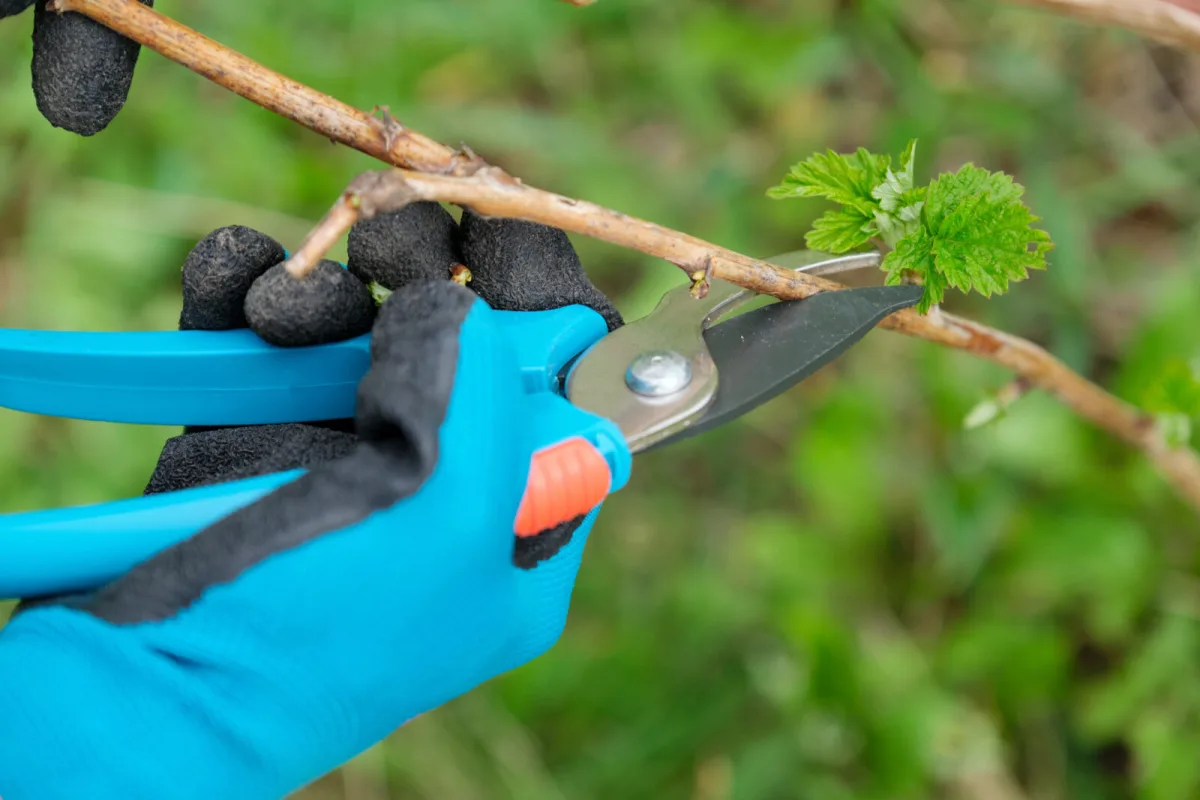
1. Pruning is essential if you want big, full berries
A raspberry patch can thicken up so much in a single season that it becomes awkward to pick and even harder to maintain. Regular pruning is therefore key not only for yield, but also for easier harvesting and a lower risk of disease. The crucial point is knowing which canes your variety fruits on, because that determines the whole approach.
With summer-fruiting raspberries, new green canes grow in one year but won’t fruit yet. The berries appear on the previous year’s canes, which gradually turn brown after cropping. Once they’ve finished fruiting, cut those old, spent canes right down to ground level and keep the strongest new ones to crop next year. The goal is to avoid an overcrowded clump so air and light can get in, and so the canes can be tied to a support.
With everbearing raspberries, a common method is to shorten last year’s canes in spring to just below the point where they carried fruit, so they start earlier with the first crop. Meanwhile, new green canes will emerge and produce the later crop. The following spring, the oldest two-year-old canes are removed completely at ground level to make room for new growth. In practice, the most important thing is to keep thinning the patch so it doesn’t turn into an impenetrable thicket.
Expect that one plant can become a whole cluster of new shoots within a year thanks to underground runners. Pruning and keeping the patch from spreading too wide are a normal part of raspberry care.
2. Sun and drier roots make for better raspberries
Raspberries love a bright, ideally sheltered spot. They will grow in partial shade, but in full sun the crop is usually sweeter and the plants dry off faster after rain. What matters most is that the roots don’t sit in water, because waterlogging encourages rot and weakens the plants.
The soil should be fertile and able to hold moisture, but not turn boggy. If you’re planting more than one, it’s often easiest to prepare a longer planting strip so you can spread the roots along the row. Leave enough space between plants to walk through, pick and prune comfortably. If space is tight, planting into individual holes can work too, just bear in mind that care is less convenient in a denser corner.
3. Give raspberries support so they don’t snap and are easier to pick
Raspberry canes can grow tall, and without training they often lean, sprawl and snap in the wind. A simple framework of sturdy posts at the ends of the row with taut wires will save a lot of effort at harvest and pruning time. Everbearers usually need fewer wire levels; summer-fruiting raspberries benefit from more, as the patch is often bulkier and the fruiting canes need firm support.
4. Feeding and soil pH determine how vigorously they grow
Raspberries are hungry plants, and for strong cane growth they mainly need nitrogen. With adequate nutrients they can produce tall, robust canes that will carry more fruit later. As flowering and ripening approaches, however, it’s wise to ease back on heavy nitrogen, so the plant doesn’t push leafy growth at the expense of the crop.
Raspberries prefer slightly acidic to neutral soil, roughly around pH 6. If you want to be sure, it’s worth checking the pH and adjusting your approach accordingly. When planting new raspberries, adding well-rotted compost is very helpful: it improves structure, provides nutrients and helps the soil hold moisture without becoming waterlogged.
5. Pick often, it improves flavour and encourages further ripening
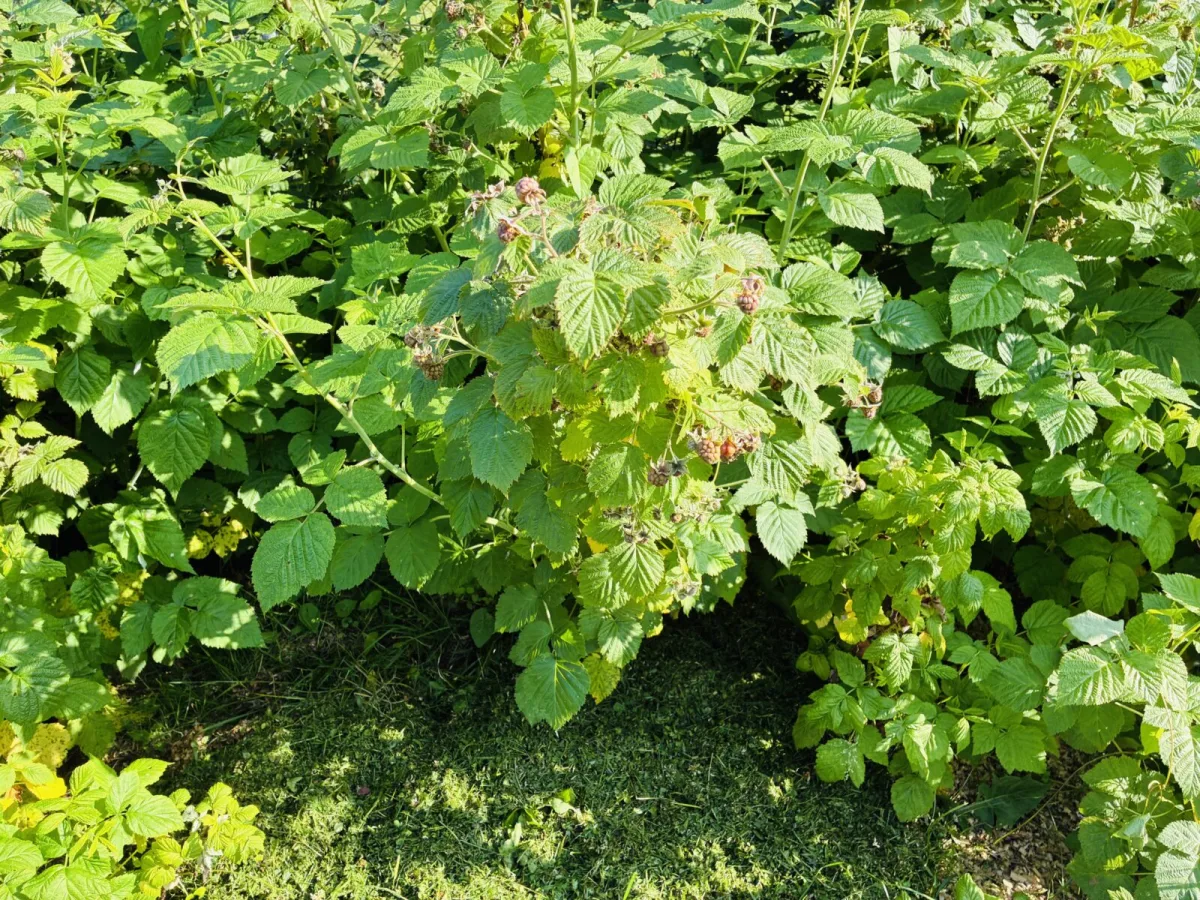
The best raspberries are fully ripe and picked regularly. The more often you harvest, the fewer berries become overripe, go mouldy or attract pests. In peak season it can be worth checking the canes more than once a day, especially in hot weather when fruit softens quickly and tastes sweetest. Summer-fruiting varieties usually crop heavily for a limited period and then stop for the year, while everbearers can provide a steadier harvest and, in milder areas, sometimes right into late autumn.
6. Freeze the surplus and you’ll have raspberries all year
If you have more fruit than you can eat, freezing is the easiest way to preserve it. Firm, dry berries freeze best: spread them out in a single layer and freeze them individually first. Then tip them into bags, where they won’t clump as much and you can grab a handful at a time for porridge, smoothies or baking.
If appearance doesn’t matter and you’re planning to make jam, for example, you can freeze the fruit straight in a bag. Just expect it to freeze into larger chunks. In a good year it’s practical to top up bags gradually as the berries ripen, so you keep a stash for when there’s nothing left on the canes.
A raspberry reward for a few simple habits
Give raspberries light, an airy patch, support, sensible feeding and regular picking, and they’ll reward you with big, juicy fruit. And once you see how much a single healthy plant can produce, you’ll have enough raspberries not only for yourself, but plenty to share as well.
Source: Our Littles Uburban Farmhouse, RHS , Pestrazahrada.cz
Related articles
A Simple Autumn Trick Will Protect Your Hibiscus Over Winter and Bring a Flush of Flowers
A thick mulch layer in autumn can be the deciding factor in whether hardy hibiscus comes through winter unscathed. Combine root protection with smarter watering and feeding, and you’ll be rewarded with stronger growth and heavier flowering next season.
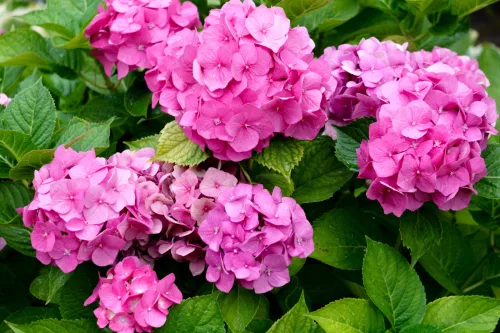
Be careful with hydrangeas in autumn or one mistake will cost you blooms
Tidying up hydrangeas in autumn can be tempting, but cutting at the wrong time can remove next year’s flower buds. Everything depends on whether your hydrangea blooms on old wood or new wood.
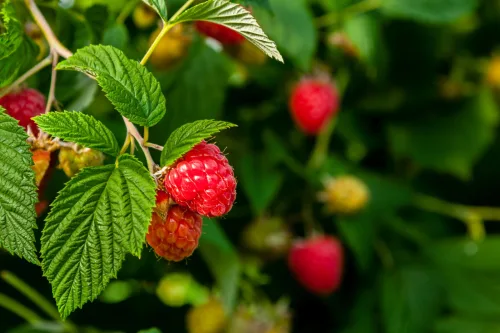
Raspberries Need Gentle Feeding or You Can Damage Roots and Lose Up to a Third of the Crop
Raspberries have very shallow roots and don’t respond well to heavy, nitrogen-rich feeding worked into the soil. Choose a potassium-forward fertiliser and apply it gently on the surface to protect roots and improve flavour and yield.
Comments (0)
Be the first to comment.