
 English
  Polski
  Deutsch
  Nederlands
  Svenska
  Norsk
Norsk  Dansk
Dansk  Français
  Italiano
  Español
  Português
  Slovenčina
  Suomi
Suomi  Gaeilge
 How to protect this year’s heavy plum crop from plum moth and brown rot at the right time
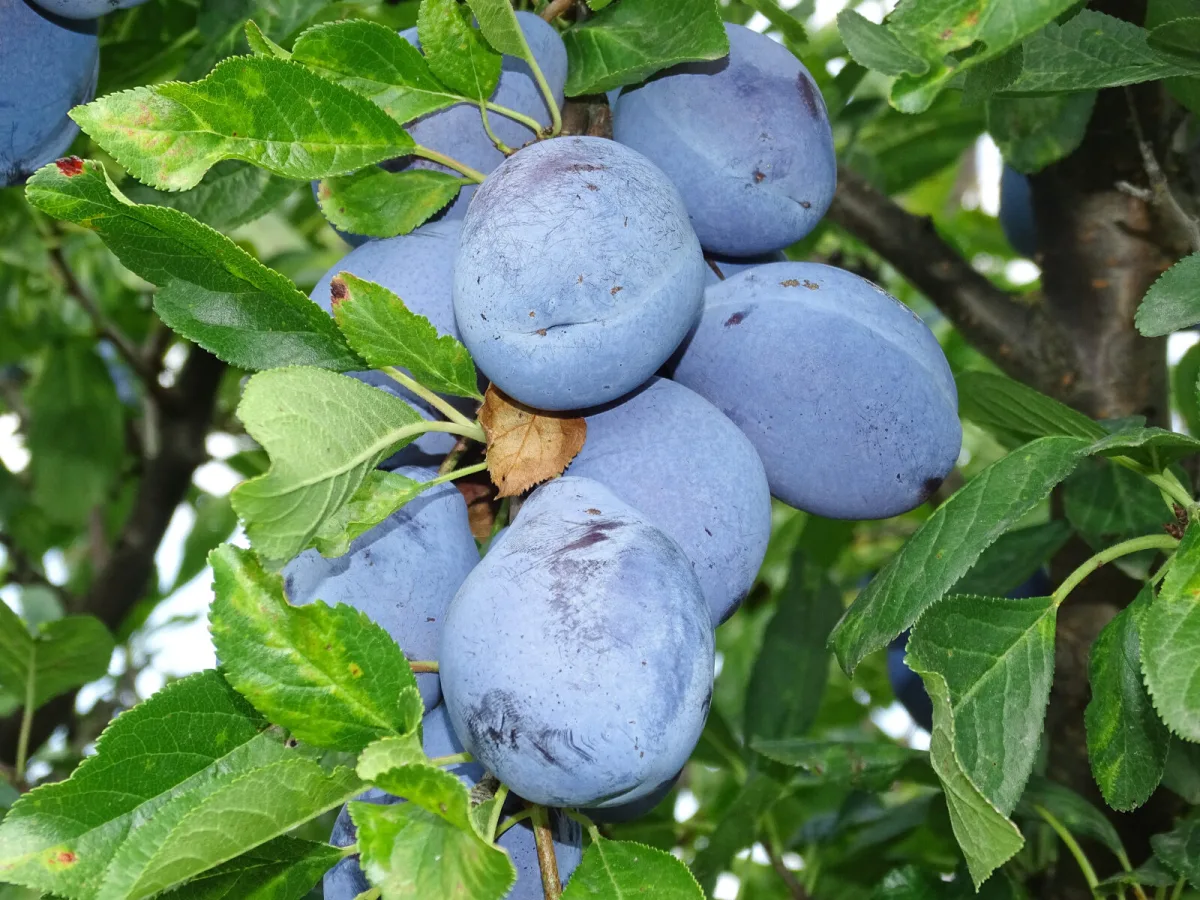
Plums can be absolutely laden with fruit this year, but around the turn of June a period arrives when the plum moth most often moves in. If you act too late, this pest can ruin a large share of the harvest. Instead of healthy plums, you end up with prematurely coloured, maggoty, rotting fruit under the tree, and a typical sticky bead of sap often appears on the skin.
How plum moth works and when it attacks
The plum moth is an inconspicuous moth, but the damage is done by its caterpillars. It overwinters as a caterpillar hidden in a cocoon under the bark or in crevices of the trunk. In spring it transforms, and during the season there are usually two distinct waves of attack.
The first wave at the end of spring and in June
Adults start flying as early as late May and lay eggs on small green fruit. The critical moment is when the caterpillars hatch, often around mid-June. As soon as a caterpillar chews through the skin, it is protected inside the fruit and an ordinary spray will only hit it with difficulty. It damages the area around the stone and the stalk cavity; the plum stops growing, colours up too early and drops.
The second wave in July and August is often even more destructive
In summer, the next generation attacks fruit that is almost ripe. Tunnels form in the flesh, filled with dark frass, and that’s when the classic maggoty plums appear—fruit that quickly softens, spoils and loses flavour.
The most common sign of infestation is gumming
A typical symptom is a translucent, sticky drop on the skin that looks like pitch. The fruit is trying to seal the wound where the caterpillar entered. If you see these drops on green plums, the pest is usually already inside and you’ve probably missed the best timing for protection.
Caterpillar wounds open the door to brown rot
Maggoty fruit is a problem in itself, but worse still, damaged skin acts as an entry point for fungal diseases. Most often, brown rot of stone fruits joins in. Once spores get into the flesh, the plum begins to rot quickly even while still on the tree; brown spots appear and later grey spore cushions. The infection spreads easily by contact between fruit in clusters, so it can wipe out whole bunches that turn black, shrivel or drop into the grass.
The key to success is timing, not spray strength
There’s little point treating plum moth when the fruit is already maggoty. What matters is hitting the short window when caterpillars are hatching from eggs and haven’t yet bored into the fruit. In practice, it helps to monitor the moth flight and follow local pest alerts, or use your own traps, because weather shifts timing by region and from year to year.
Chemical control when you need a fast, accurate intervention
With insecticides, it makes sense to apply at the moment the caterpillars hatch, not immediately at the first sighting of moths. Systemic products are used that move into plant tissues and can hit the caterpillar even after the first feeding, as well as contact products with quick action. With contact sprays, temperature matters—during hot weather they may work less effectively, so it’s safer to apply late in the evening.
If persistent rain arrives close to ripening, it also makes sense to think about brown rot at the same time and choose fungicidal protection, so rot doesn’t take off across wounded fruit.
Gentler and organic approaches without harsh chemistry
If you don’t want to use synthetic insecticides, you can opt for biological methods. A common choice is parasitic wasps of the genus Trichogramma, which seek out moth eggs and destroy them before the caterpillar even hatches. Another option is a bacterial spray based on Bacillus thuringiensis, which works when ingested and is safe for people and beneficial insects. As a supportive step, you can also mask the scent of the fruit with strong bitter herbal infusions, for example wormwood or tansy, because moths rely heavily on smell when locating the tree.
What to do depending on what you see on the tree
Moths flying in the canopy in the evening
Hang pheromone traps. They are mainly for monitoring—so you can tell when flight is starting and when hatching is approaching.
Start of caterpillar hatch and the first tiny marks on the skin
This is the best moment to act, whether you choose chemical control or a biological bacterial product. Delaying by a few days often means the caterpillars will already be safely hidden inside the fruit.
Gumming and resin-like drops on green plums
At this stage it’s usually too late to spray. The best approach is to pick off the affected fruit by hand and destroy it before the caterpillar leaves the fruit.
Brown rot and visible rotting patches with grey cushions
Remove all infected plums immediately, both from the tree and from the ground. Under heavy disease pressure, preventive treatment against rot is advisable, and above all, strict orchard hygiene.
The most important thing is clearing up fallen fruit
Any plum that softens early, darkens or drops should be collected and disposed of as quickly as possible. Don’t leave it to rot under the tree and don’t put it into a standard compost heap. The caterpillar can leave the fruit, hide under the bark, pupate, and return during summer as another wave of infestation that finishes off the rest of the crop.
Source: Gardening Know How, Záhrada, Gardenia, Pestrazahrada.cz

A lover of nature, gardens, and everything that moves, blooms, or grows. He literally grows everything, from herbs to rare species, and he enjoys caring for animals just as much. In his work, he connects modern technology with tried-and-tested grandmotherly methods and is happy when both paths lead to the same goal.
Related articles

How to Keep Your Pool Sparkling Clean Without Unnecessary Effort or Stress
Keeping pool water crystal clear doesn’t have to be hard work. With a simple daily-and-weekly routine, you’ll prevent cloudiness, algae and breakdowns before they start.
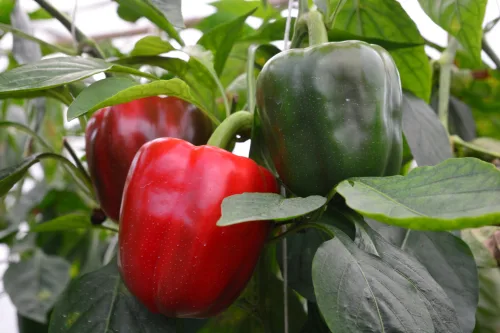
A Simple Trick for a Bigger Pepper Harvest and Faster Ripening
Regular watering and feeding aren’t always enough for a heavy pepper crop. Pinching out the growing tips redirects the plant’s energy into branching, flowering, and ripening fruit faster.
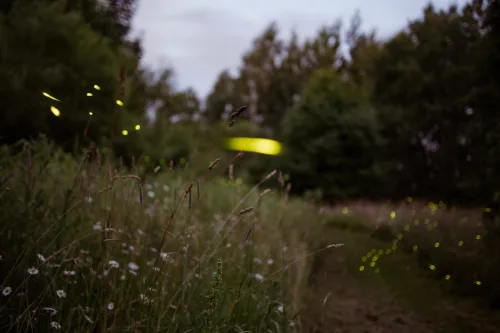
Fireflies are disappearing from the landscape, learn how to create a safe garden home
Warm summer nights are even more magical when fireflies start flashing at dusk—but their numbers are falling. With a few simple changes to mowing, planting, lighting and chemical use, your garden can become a safe refuge again.
Comments (0)
Be the first to comment.