
 English
  Polski
  Deutsch
  Nederlands
  Svenska
  Norsk
Norsk  Dansk
Dansk  Français
  Italiano
  Español
  Português
  Slovenčina
  Suomi
Suomi  Gaeilge
 How to Protect Cucumbers from Powdery Mildew and Save Your Summer Harvest
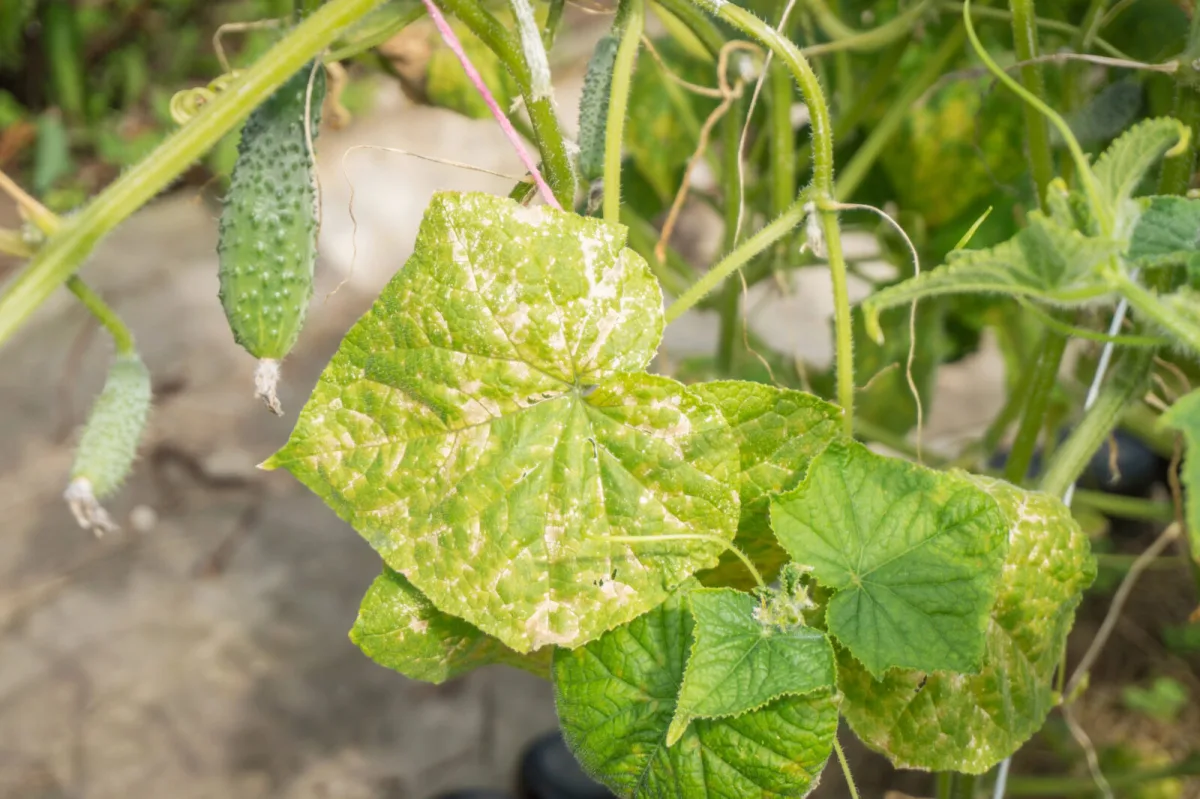
Powdery mildew is one of the most common cucumber diseases and it can catch you out both in a greenhouse and on an outdoor bed. Typical symptoms are small whitish spots that look like a fine cobweb and are often round. If the problem isn’t dealt with, the spots quickly merge into a continuous, floury coating. Infected leaves gradually yellow, dry out and die, depriving the plant of the green leaf area that feeds the fruit.
Once the leaves weaken, the cucumber can no longer supply the fruits with enough energy. You’ll see smaller growth, slower formation of new cucumbers, and a marked drop in yield. With timely action, however, the spread can be slowed and the fruiting period extended.
Why August is often the worst
The second half of summer is classic powdery mildew time. Plants are tired after weeks of cropping, and warm days often alternate with cooler nights. These swings, together with higher humidity in dense growth, create conditions in which the fungus spreads very quickly.
August is critical as well because once powdery mildew gets going on most of the leaves, cucumbers stop making new growth and the fruits stay small, or their development stops altogether. Hot, drier weather can also favour powdery mildew, so relying on drought to stop the disease is often a mistake.
Prevention is the most effective protection
The foundation of success is prevention, because with powdery mildew, once a planting is heavily infected, saving it becomes much harder. Cucumbers should not be planted too close together. Air must be able to move between plants so leaves dry quickly and a long-lasting microclimate suitable for disease doesn’t develop.
How you water matters too. It’s better to direct water to the roots and avoid wetting the leaves unnecessarily. It also helps to regularly remove old, damaged, or heavily shaded leaves. This opens the canopy and reduces the number of places where infection can easily persist.
Nutrition plays a big role. Strong, well-fed plants resist infection better than cucumbers weakened by nutrient shortages or long-term stress from heavy harvesting. Balanced growth and good vigour are often the difference between powdery mildew merely slowing production and cutting the season short.
Milk as a simple homemade spray
A useful, practical option is ordinary milk. Based on experience and trial results, diluted milk can help limit the development of fungal diseases thanks to compounds in milk proteins. It works best as a preventative spray or at the moment the very first specks appear.
A milk spray makes the most sense when repeated regularly and applied early, not when the leaves are already uniformly white.
In practice, milk is diluted with water and the treatment is repeated so that a protective effect is maintained on the leaves over time. If the infection is already severe, you need to expect that milk alone usually won’t be enough.
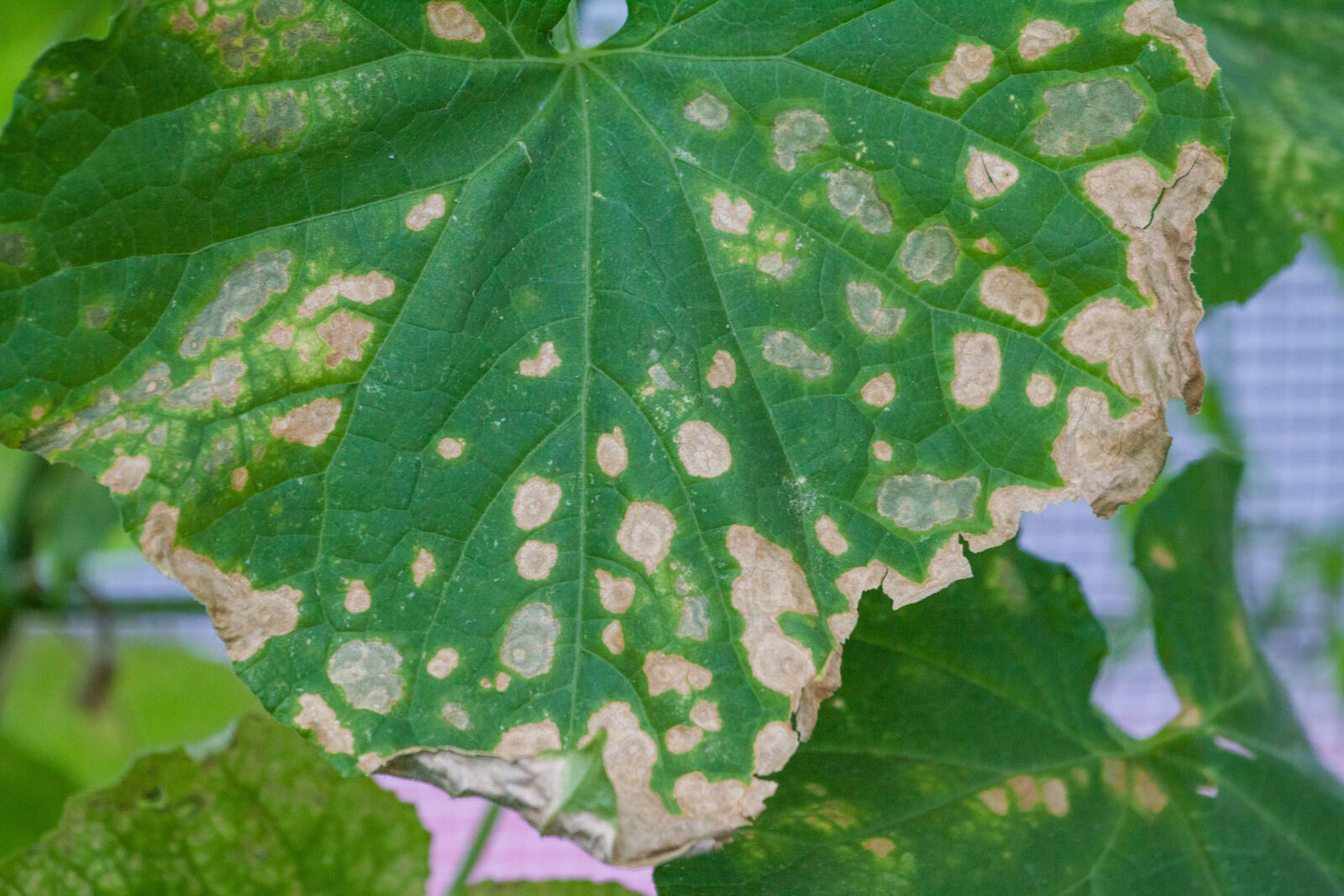
A traditional trick with baking soda
Another old home remedy is a baking soda spray. The idea is to create conditions on the leaf surface that are less favourable for the fungus. This approach can help with light infections or as an extra layer of prevention, especially if you keep an eye out for the first symptoms and act early.
It’s important to keep expectations realistic. Once powdery mildew has hit a large part of the foliage and leaves are dying quickly, homemade remedies usually only slow the progress rather than stopping it completely.
When powdery mildew is established, act fast
If the disease spreads, it’s best to remove the most badly damaged leaves first to reduce infection pressure and open up the canopy. Next, reach for products specifically intended for powdery mildew on cucumbers. Treat as early as possible, because delaying usually means rapid deterioration.
When using any plant protection product, follow the recommended dose and observe the pre-harvest interval. Careful application is often what determines whether cucumbers keep producing for a few more weeks or the season ends early.
Source: RHS, MDPI, Zahrádkár, Pestrazahrada.cz

A lover of nature, gardens, and everything that moves, blooms, or grows. He literally grows everything, from herbs to rare species, and he enjoys caring for animals just as much. In his work, he connects modern technology with tried-and-tested grandmotherly methods and is happy when both paths lead to the same goal.
Related articles

An Orchid That Only Grows but Won’t Bloom Has Three Common Causes You’ll Never Fix with Fertiliser
If your orchid looks healthy but refuses to bloom for months, the cause is usually not a lack of fertiliser. Light, watering habits, and temperature patterns are far more often to blame.
Winter is crucial for raised beds and most people skip the pest prevention step
Your raised beds don’t go dormant just because winter arrives. A few quick, well-timed tasks now will protect the soil, discourage pests, and set you up for a smoother, more productive spring.

When to Mow the Lawn for the Last Time Before Winter
There’s no universal date for the season’s final mow—your lawn and the weather will tell you. Time it just ahead of hard frost and leave the grass slightly higher to help it overwinter healthier and bounce back faster in spring.
Comments (0)
Be the first to comment.