 English
  Polski
  Deutsch
  Nederlands
  Svenska
  Norsk
Norsk  Dansk
Dansk  Français
  Italiano
  Español
  Português
  Slovenčina
  Suomi
Suomi  Gaeilge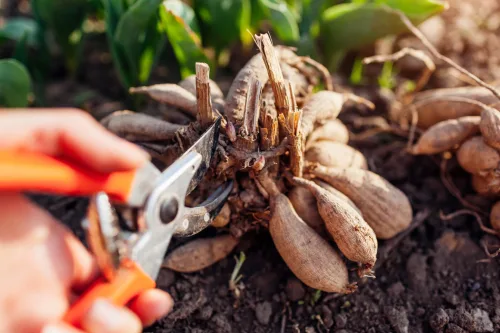
What to Do Before Frosts So Tuberous Plants and Bulbs Make It Through Winter
Tender tuberous plants and bulbous flowers often need help to survive winter. Learn when to lift and store them and when a thick mulch layer in situ is enough.
5 min read

Tender tuberous plants and bulbous flowers often need help to survive winter. Learn when to lift and store them and when a thick mulch layer in situ is enough.
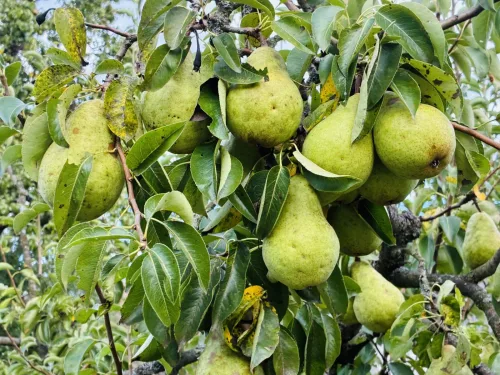
Pears need harvesting slightly under-ripe and then ripened off the tree to develop their best flavour and texture. Learn how to pick, ripen and store them correctly so they last well into winter.
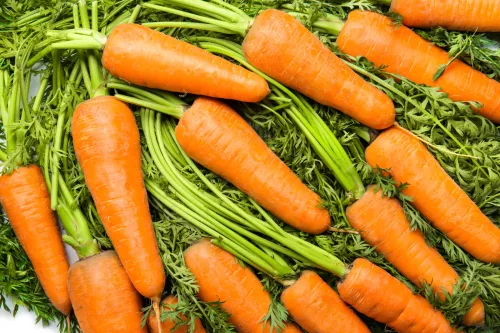
Carrots can stay fresh for much of the winter, but only if you handle them properly right after harvest. Careful sorting, gentle handling and the right storage method prevent rot and keep roots crisp for longer.
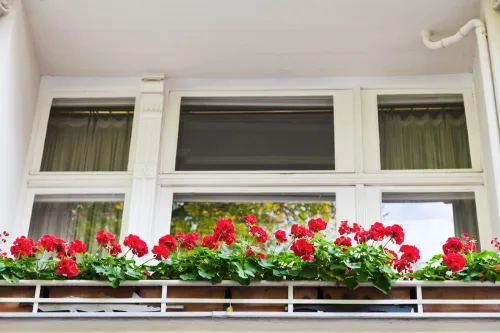
Many popular balcony plants aren’t true annuals—they just can’t cope with frost. Overwinter them properly and they’ll restart stronger, flower earlier, and look fuller than newly bought plants.
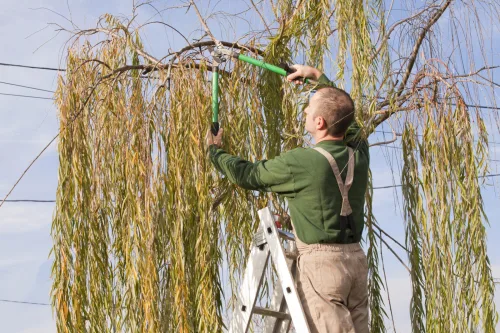
Autumn pruning can make sense for willows grown for rods or pollarded forms, but it may cost you spring catkins and can trigger tender new growth that’s vulnerable to frost. Timing and the type of willow you grow are key.
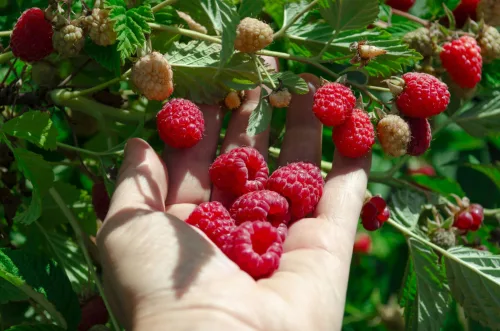
Before you prune raspberries, you must know whether you grow summer-fruiting canes or autumn-fruiting (primocane) types. The wrong cut in autumn can remove next year’s harvest, while the right approach keeps plants healthier and far more productive.
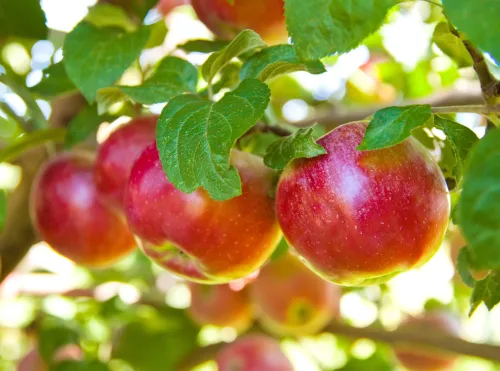
Harvesting fruit from branches that overhang your garden can land you in a legal dispute with your neighbour. In some cases, taking a few apples without permission may even be treated as theft.
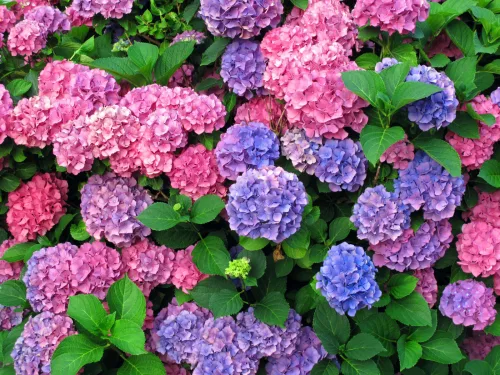
Once hydrangeas finish flowering, a few well-timed September jobs help the wood ripen, roots stay protected, and next season’s flowering potential remain intact. Focus on nitrogen-free feeding, light pruning, and sensible winter preparation—especially for plants in pots.
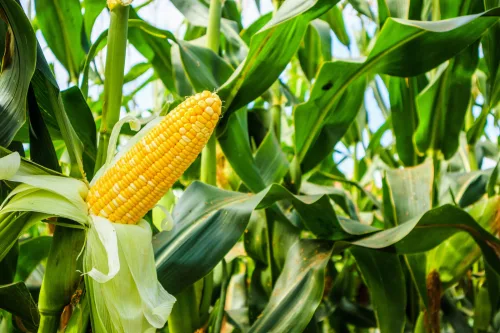
Garden sweetcorn tastes best when it’s picked at the milky stage. Use a simple thumbnail test to hit the perfect harvest day, then handle and freeze it properly to keep it sweet and tender.
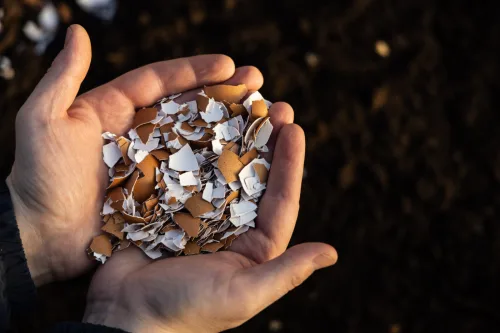
Once the last crops are lifted, early autumn is the perfect time to improve soil for next season. Eggshells add calcium, help soil structure, and can even deter certain pests when used correctly.
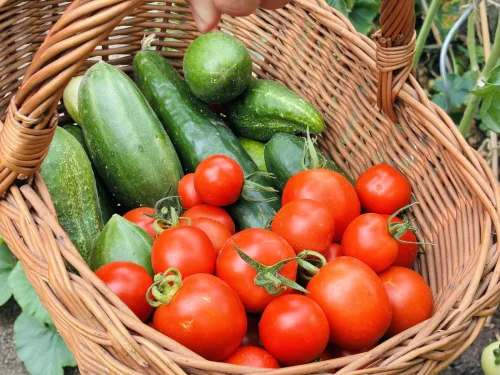
With fruiting vegetables, frequent picking keeps plants flowering and producing for longer. A few crops, such as aubergines, are tastiest when harvested slightly earlier rather than fully mature.
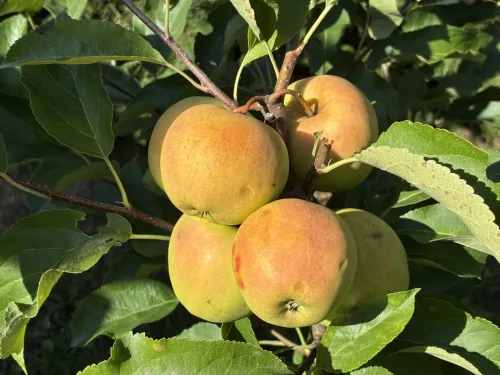
Apple harvest timing depends on the variety and whether you want fruit for immediate eating or long storage. Learn how to pick at the right stage and store apples so they stay firm and fresh for weeks or even months.
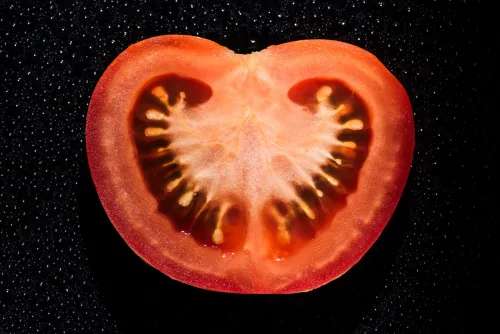
Saving your own tomato seed is simple, cost-effective, and lets you keep growing the varieties that perform best in your garden. Follow the right steps—brief fermentation, thorough rinsing, careful drying, and proper storage—to maintain strong germination.
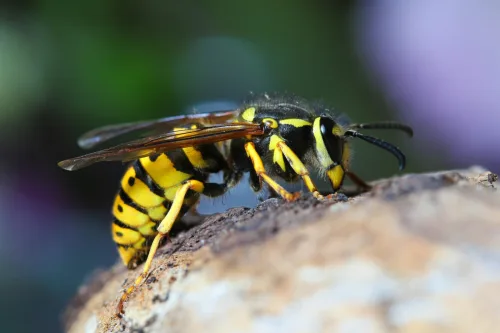
Weathering isn’t always the main culprit behind damaged outdoor timber. Wasps can scrape fibres from boards and beams surprisingly fast, leaving grooves that soak up water and accelerate decay.
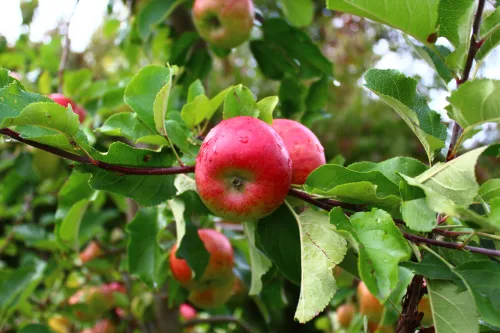
September is one of the busiest months in the garden, when harvesting overlaps with sowing and planting for next year. A little planning now brings earlier flowers, healthier beds, and less work in spring.
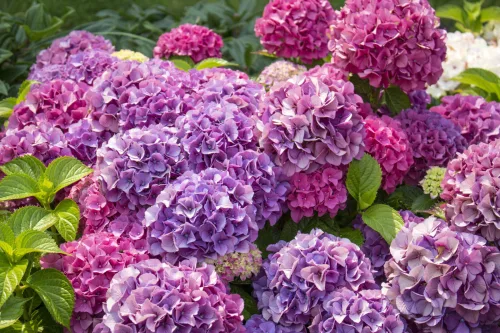
In August, hydrangeas are still using huge amounts of energy to flower while already starting to harden growth for autumn. Switching to low-nitrogen feeding with more potassium and phosphorus helps blooms last longer and plants head into cooler weather stronger.
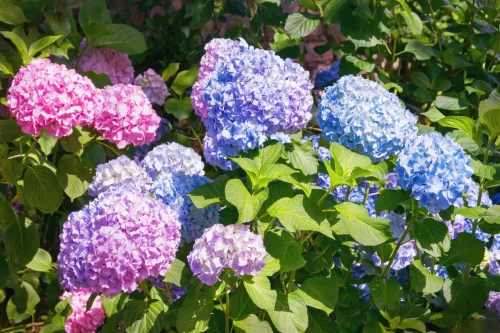
Hydrangeas can look limp in hot weather even if you’ve been watering faithfully. The key is to check what’s happening in the root zone, then adjust watering, shade and mulching so the plant can actually use the moisture available.
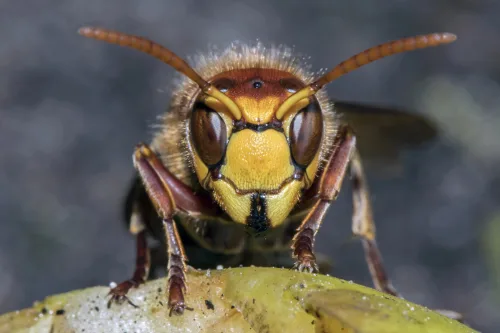
Late-summer wasps and hornets can turn patio meals into a battle. A small dish of smouldering dry ground coffee helps mask food scents and makes the area far less inviting—without chemicals.
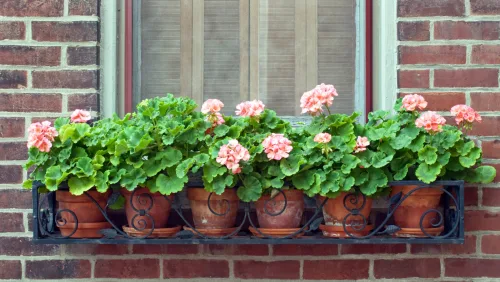
In summer heat, geraniums fail just as easily from drought as from soggy roots. Use a simple soil check, water at the right time of day, and adjust to weather so they keep flowering through hot spells.
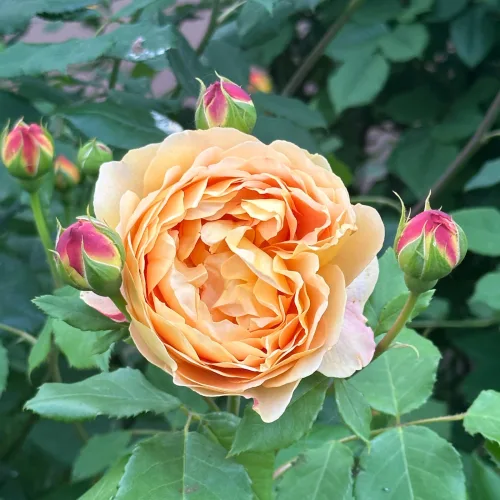
Heatwaves can quickly leave roses stressed, drooping and reluctant to bloom. With timely watering, deadheading and smart feeding, you can keep them healthy and flowering well into autumn.
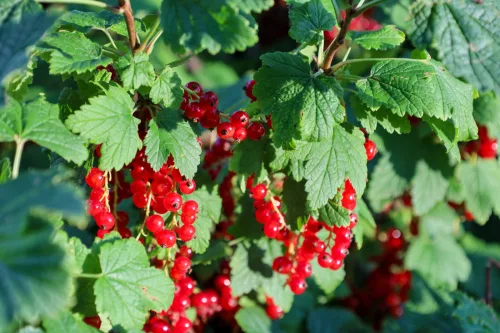
Post-harvest care makes a real difference to next year’s currant crop. Timely pruning, steady watering, sensible feeding and basic hygiene help bushes set more buds and stay healthier.
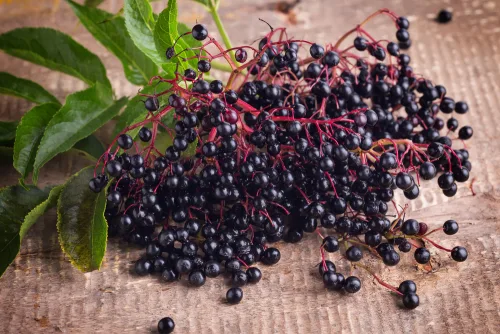
Late summer is packed with wild edible finds—berries, nuts and useful herbs—often right by paths, parks and hedgerows. Here’s what to look for in August and how to use it safely and well.
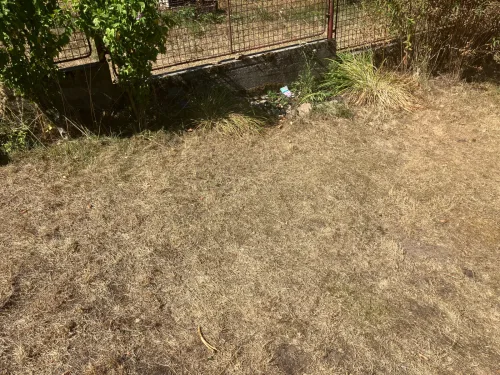
Yellow patches in summer usually mean the grass has slipped into heat-induced dormancy, not that it has died. The key is to avoid harsh interventions and use watering and mowing practices that help the turf recover.

Keeping pool water crystal clear doesn’t have to be hard work. With a simple daily-and-weekly routine, you’ll prevent cloudiness, algae and breakdowns before they start.
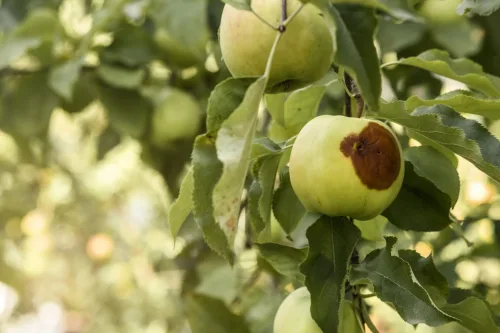
During ripening, one infected apple or plum can turn into a spore factory and infect neighbouring fruit in a tight cluster within hours. Quick removal of rotten and mummified fruit is the fastest way to slow brown rot in the tree canopy.
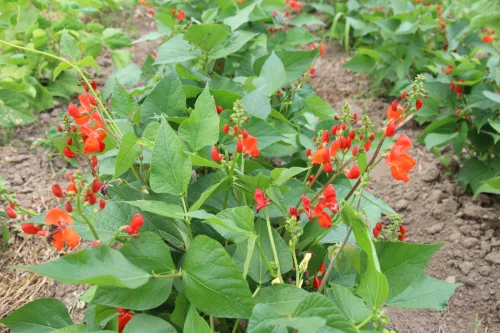
Beans can bloom heavily yet drop flowers and fail to set pods during heat and drought stress. With steadier watering, mulching and cooler nights, plants often start setting again.

Prolonged heat and drought can push fruit trees into stress, often showing up as wilting and premature leaf drop. With correct watering, mulching, and gentle summer care, many trees can recover and stay productive.
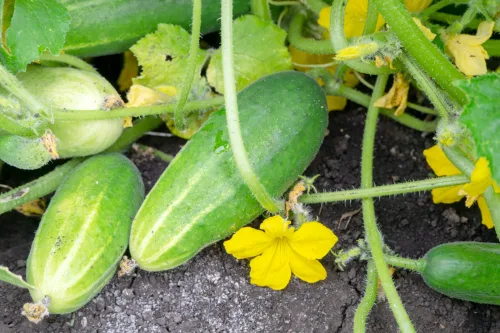
Cucumbers pull a lot of nutrients from the soil, and their demand peaks once they start setting and sizing fruit. Regular feeding during harvest keeps plants vigorous and extends production with better-quality cucumbers.
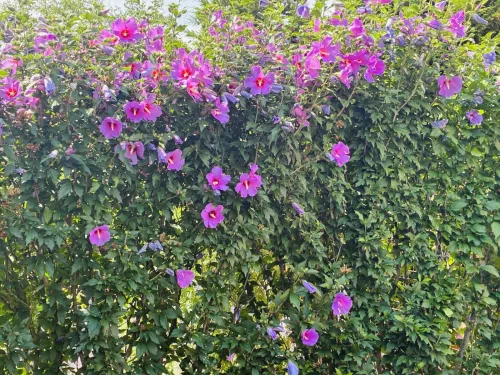
Hibiscus can outshine much of the garden with its bold, plate-sized flowers, but long-lasting bloom depends on strong, steady growth. Get the basics right—site, water, feeding, pruning and plant health—and you’ll keep buds and flowers coming for longer.
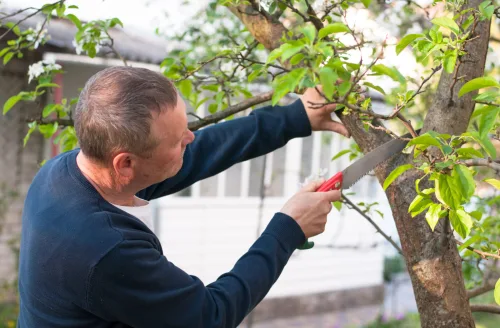
Many growers prune fruit trees only in spring or autumn, but a well-timed summer prune can make a dramatic difference. By removing only what weakens the tree, you improve light, airflow, health and fruit quality.
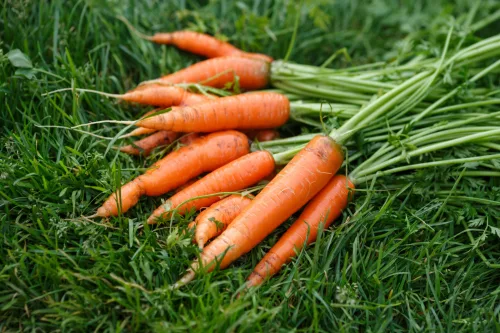
Carrots taste best when you harvest at the right moment—not too early and not too late. Learn the key signs of maturity and how to lift roots cleanly for longer, safer storage.
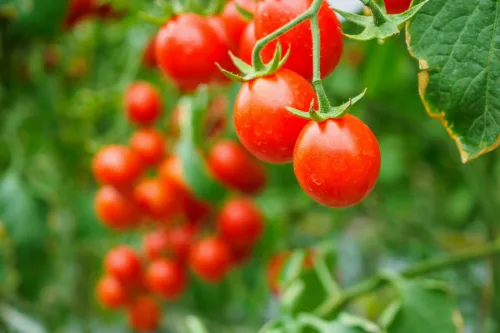
If your tomatoes are growing slowly, flowering poorly, or struggling with disease pressure, the issue is often nutrition and weakened resilience. Whey and household ammonia can help feed plants and support healthier growth without pricey products.
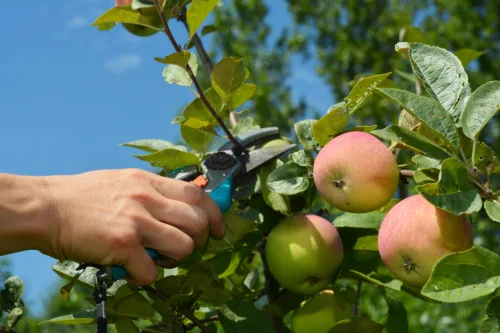
August is ideal for light, sensible pruning that keeps borders, climbers and hedges tidy and healthy. But some woody plants are better left alone until dormancy or spring.
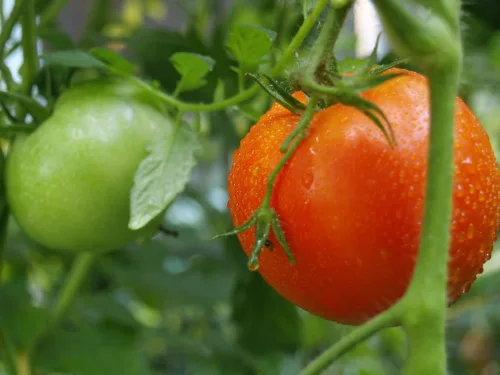
Late blight can ruin tomatoes in just a few damp days. A simple copper-wire trick used at the right time may help fruit ripen faster while making conditions less favourable for disease.
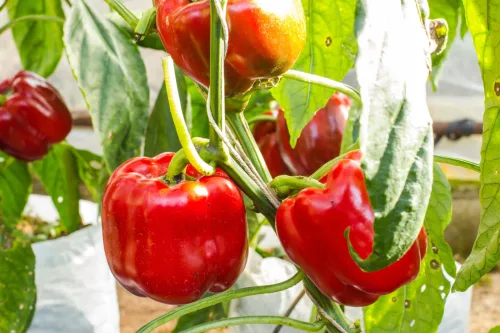
In the greenhouse, peppers can look healthy yet stop flowering and setting fruit in midsummer. One grower swears by a bold cut-back to trigger fresh growth and a second crop through autumn—if conditions are right.
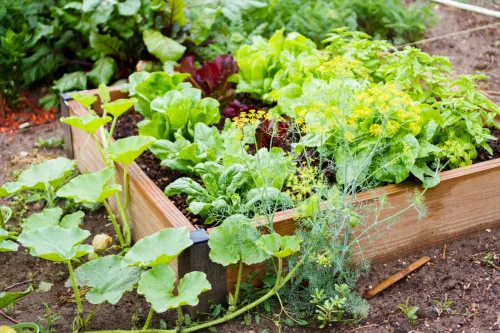
A few smart jobs before you leave can keep your beds, pots, lawn and fruit trees in good shape while you’re away. These steps make any quick check and occasional watering easy, and help you avoid coming home to dry soil and wilted plants.
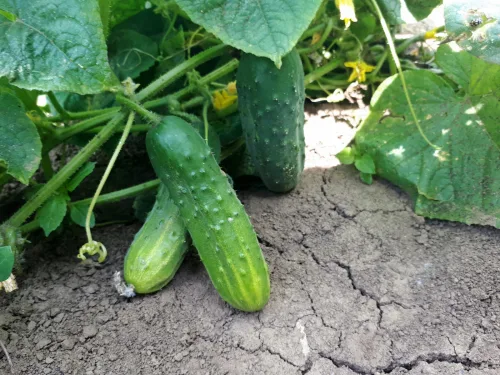
Cucumbers are heavy feeders, and once they start fruiting their appetite rises fast. A simple whey-and-iodine drench can help keep plants vigorous and productive for longer through summer.
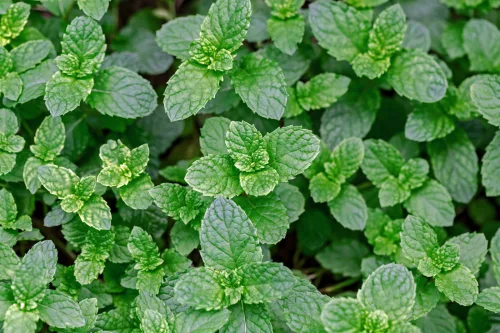
Mint can look tired and sparse by mid-summer if it’s left uncut for too long. A simple rejuvenation prune will push fresh new shoots, improve flavour, and even give you cuttings for new plants.
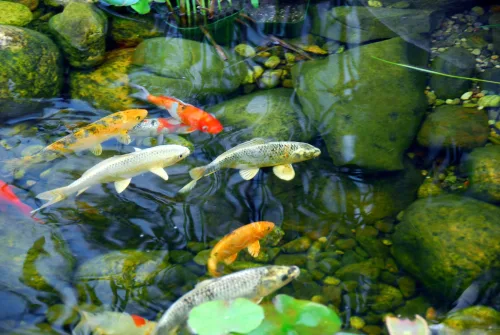
Clear water isn’t just about equipment, but about a balanced pond ecosystem. These are the most common mistakes that lead to algae and cloudy water, and what to do instead.
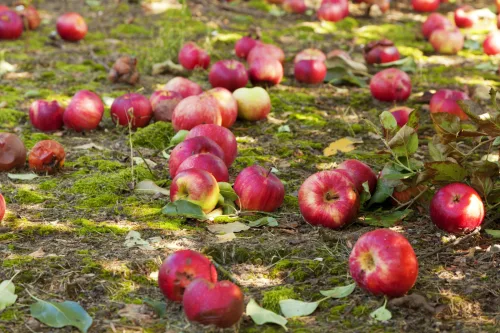
Hard, unripe apples under the tree are a warning sign of stress. Find the cause quickly—overcropping, drought, nutrition or pests—and you can still save much of the harvest.
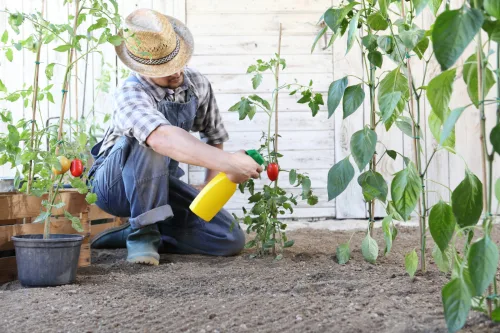
Baking soda can help create a less welcoming surface for certain fungal diseases on tomato leaves when used correctly. It’s not a miracle cure, but it can be a useful addition to good prevention and everyday plant care.
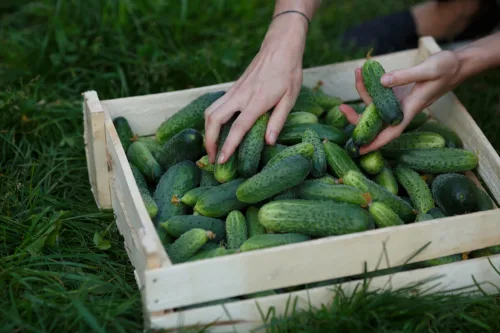
Cucumbers spoil quickly in summer mainly because of excess moisture and the wrong storage spot. With a few simple habits, both slicing cucumbers and pickling types can stay crisp for noticeably longer.
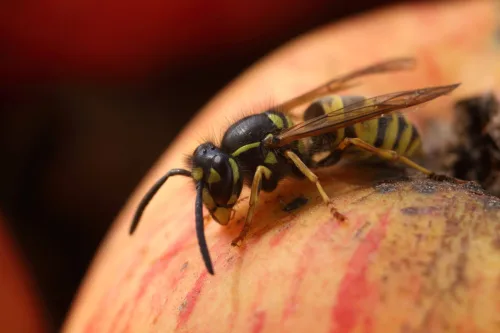
Wasps can quickly spoil summer barbecues and fruit picking, especially when ripening fruit and sweet drinks are around. A quick DIY bottle trap helps reduce their numbers without spraying chemicals.
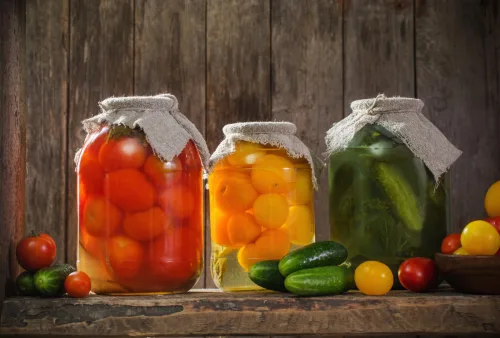
Spoiled jams and compotes are often caused by jars that weren’t truly clean, not by the recipe. Proper washing and reliable heat sterilisation greatly improve shelf life and safety.
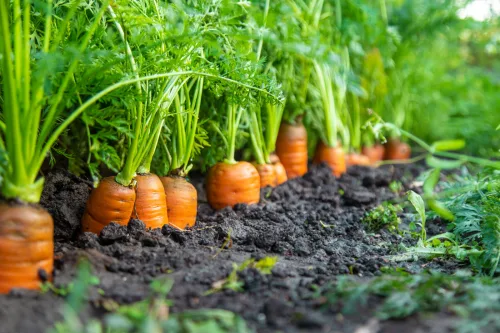
Once garlic and onions are lifted in summer, July is a perfect moment to resow empty beds. Late-sown carrots are often noticeably sweeter and can be ready surprisingly quickly with a simple pre-sowing trick.
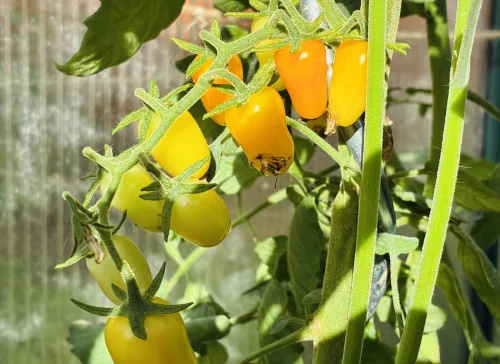
In July, tomatoes shift from leafy growth to flowering and fruiting, and your routine care makes or breaks the crop. Keep watering even, feed consistently, pinch out side shoots, and support plants well—plus add shade during heatwaves.
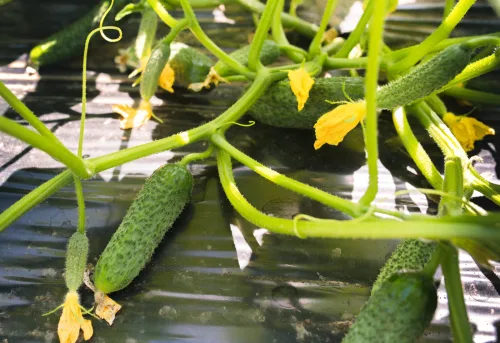
After the first flush, pickling cucumbers often slow down in late July, with fewer flowers and tired-looking vines. With a quick mid-summer reset, they can bounce back and keep producing right through late summer.
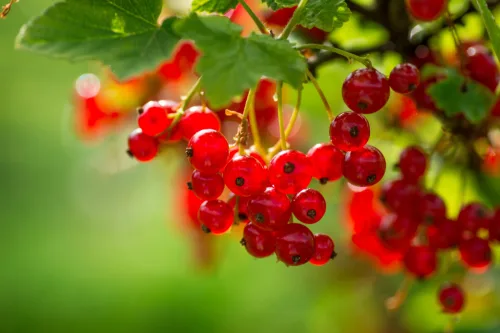
Once you’ve finished picking currants, a little targeted aftercare helps the bushes set strong buds for next season. Prune, water, feed and prevent disease now for a healthier plant and a heavier crop with larger berries next year.
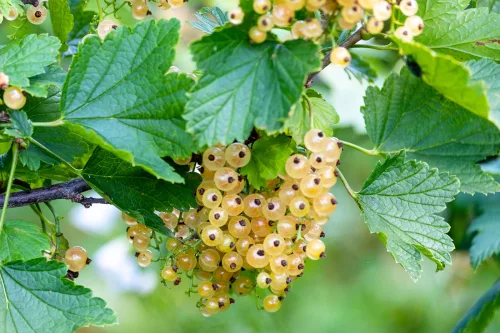
If you have a currant bush that crops well and tastes great, you can easily make new plants from cuttings in late summer and early autumn. With a few simple steps, you’ll have strong young plants ready to move on next spring.
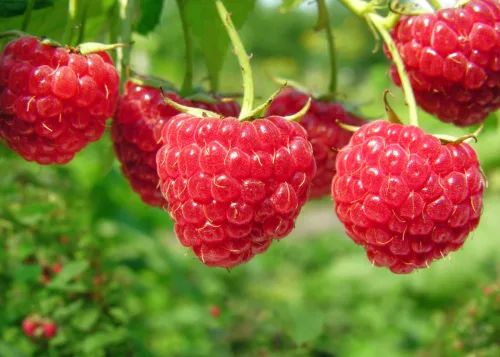
July is when raspberry canes put the most energy into swelling and ripening fruit. With gentle, well-timed feeding and steady watering, you can harvest noticeably fuller, more aromatic, juicier berries.