
 English
  Polski
  Deutsch
  Nederlands
  Svenska
  Norsk
Norsk  Dansk
Dansk  Français
  Italiano
  Español
  Português
  Slovenčina
  Suomi
Suomi  Gaeilge
 Proven natural ways to feed tomatoes and cucumbers for a bumper season
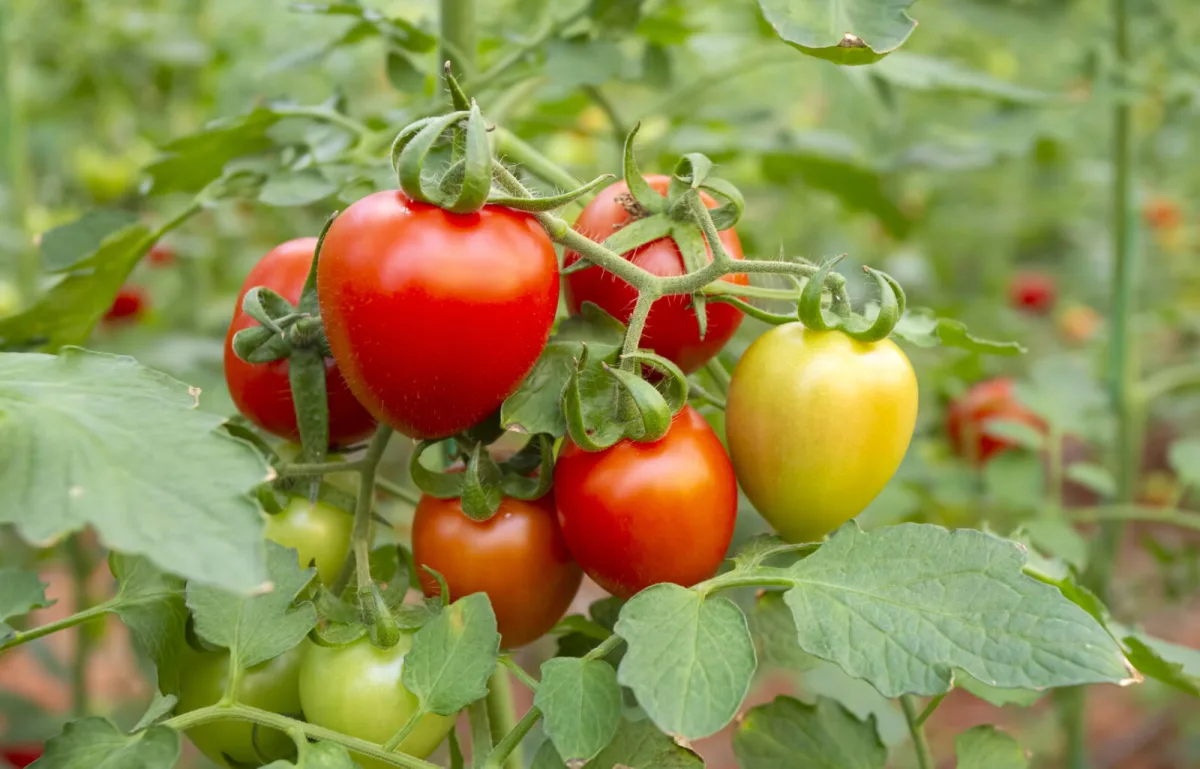
When, a few years ago, we were thinking about what meaningful thing to put our wedding money into, a small garden won out for us. I didn’t have much experience back then, and the early days weren’t exactly easy. All the more, we stuck firmly to one rule: no unnecessary chemicals. The reason was both practical and personal: allergies run in our family, so we wanted to be sure the vegetables were grown as gently as possible.
The most common cucumber and tomato problems we dealt with
We grew cucumbers and tomatoes the most, but those were exactly the crops where the same issues kept coming back. With cucumbers, mildew would show up and the leaves would quickly lose their strength. With tomatoes, the crop was sometimes weak, the fruit would split, or it had an unpleasant taste. On top of that came the stress that when the weather turns, you can lose a big chunk of your work and hopes in just a few days.
A neighbour’s tip that changed the whole season
Next door is a neighbour who gardens with years of experience behind him. When he saw what we were up against, he recommended a simple homemade feed based on yeast. What appealed to me was that it’s not just about nutrition, but also about supporting overall plant vigour. From the moment I started using it, our problems with disease dropped noticeably, and cropping became more consistent.
The biggest difference is that the plants look more vigorous and hold onto their strength even in more challenging weather.
Yeast feed for cucumbers and tomatoes, step by step
The basis is to start with lukewarm water. I warm 3 litres of water to about 38 °C. It’s important not to overdo the temperature, because water that’s too hot can damage the yeast and the mix won’t work the way it should.
I dissolve 7 tablespoons of sugar in the water and add 10 grams of dried yeast. I use a larger container, because during fermentation it can expand in volume. I leave it to sit for roughly 4 to 10 hours and stir occasionally. Most often I make it in the morning and use it in the evening, when the sun is no longer so strong.
How to dilute the solution correctly and use it when watering
Once it has finished fermenting, I dilute it with another 7 litres of water and use it as a soil drench. In practice, that means I first water the plants normally with plain water so the soil isn’t bone dry, and only then do I apply the feed. The rate that has worked well for me is about 1 litre per plant.
I feed cucumbers this way roughly once every 10 to 12 days. Tomatoes and other vegetables usually once every 15 days. Over time I’ve found that consistency matters more than a single heavy dose.
Foliar spray as extra support and mildew prevention
I also use the same solution as a light foliar spray. I see it as a pick-me-up for the above-ground parts of the plant, and at the same time as prevention against mildew issues. The principle is simple: yeast are technically fungi too, but they’re among the beneficial ones. On the leaf surface they can help crowd out undesirable microorganisms and support a balance that helps the plant resist better.
After application I often see a change within a few days: the leaves are firmer, greener, and the plant looks healthier overall. I get the best results when I use the solution preventatively, not only when the problem is already in full swing.
When to spray so the leaves don’t suffer
I spray the leaves just before sunset. The plant has time to absorb what it needs, and the risk of leaf damage in direct sun is minimised. I take care to keep the spray fine and even, without unnecessary run-off.
Results you can see in a longer harvest period
After introducing this simple routine, the stability of my harvest improved significantly. Greenhouse tomatoes can keep producing for a very long time, and cucumbers can be covered in fruit for weeks. At the same time, I worry less about bitterness, fruit splitting, and recurring diseases. It’s not an overnight miracle, but as a cheap, accessible, and gentle way to help in the garden, it makes a lot of sense to me.
Source: To je nápad, Gardening Know How, GrowVeg, Pestrazahrada.cz

A lover of nature, gardens, and everything that moves, blooms, or grows. He literally grows everything, from herbs to rare species, and he enjoys caring for animals just as much. In his work, he connects modern technology with tried-and-tested grandmotherly methods and is happy when both paths lead to the same goal.
Related articles

How to Keep Your Pool Sparkling Clean Without Unnecessary Effort or Stress
Keeping pool water crystal clear doesn’t have to be hard work. With a simple daily-and-weekly routine, you’ll prevent cloudiness, algae and breakdowns before they start.
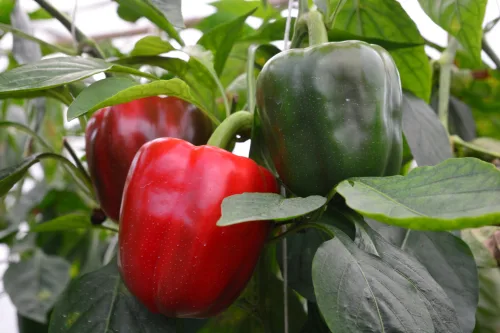
A Simple Trick for a Bigger Pepper Harvest and Faster Ripening
Regular watering and feeding aren’t always enough for a heavy pepper crop. Pinching out the growing tips redirects the plant’s energy into branching, flowering, and ripening fruit faster.
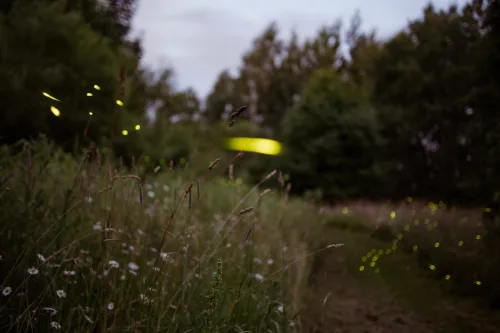
Fireflies are disappearing from the landscape, learn how to create a safe garden home
Warm summer nights are even more magical when fireflies start flashing at dusk—but their numbers are falling. With a few simple changes to mowing, planting, lighting and chemical use, your garden can become a safe refuge again.
Comments (0)
Be the first to comment.