
 English
  Polski
  Deutsch
  Nederlands
  Svenska
  Norsk
Norsk  Dansk
Dansk  Français
  Italiano
  Español
  Português
  Slovenčina
  Suomi
Suomi  Gaeilge
 Curled Tomato Leaves Can Alarm Even Seasoned Growers, But the Truth Is Surprisingly Simple
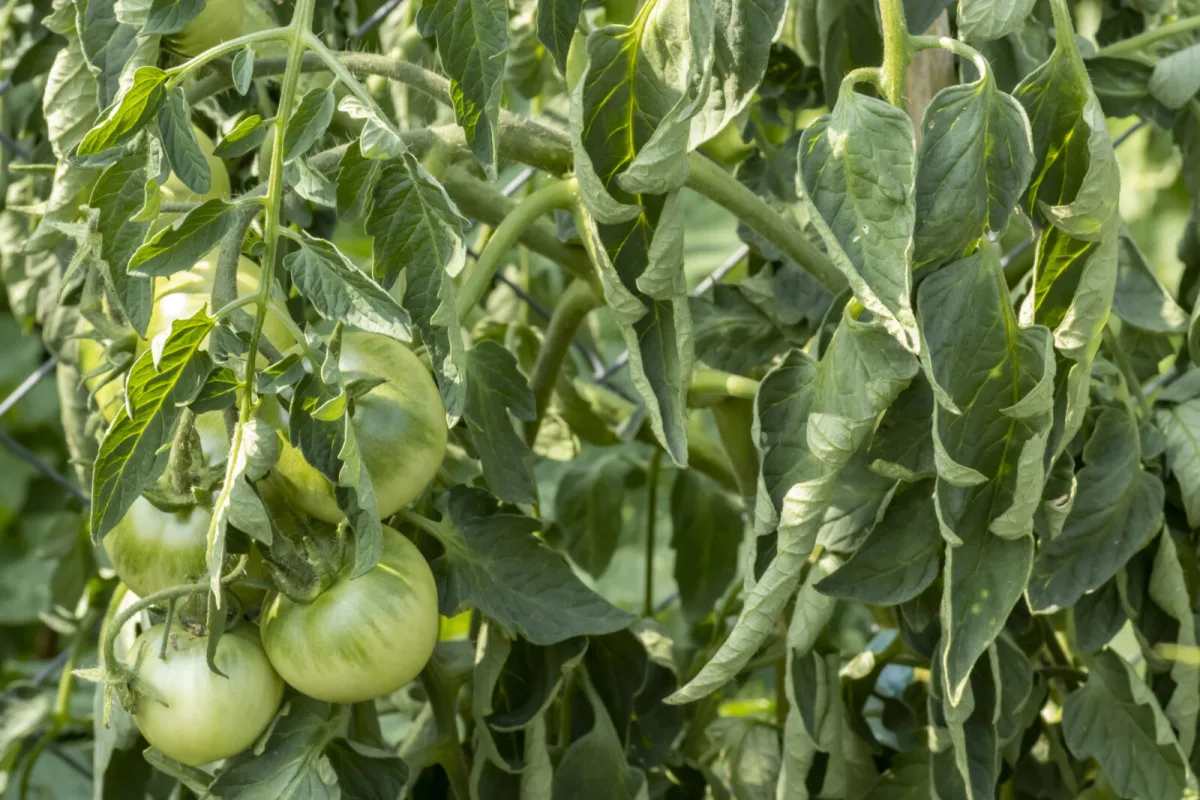
Rolled or crinkled leaves on tomatoes can frighten even experienced growers. This plant, however, often overreacts to changes in weather, watering, or cultivation. Leaf curl can simply be a defensive response that helps the tomato cope with heat, drought, or other stress. Even so, there are situations where it’s a warning sign of a more serious problem.
Before you treat anything, it pays to inspect the plant carefully. The direction of curling up or down matters, as does any colour change, distortion of shape, leaf brittleness, and whether the issue affects the whole plant or only a certain part.
When the tomato is simply defending itself against conditions
Heat, drought and harsh sun
On scorching days, leaves often roll upward into a cup, funnel, or narrow tube. The plant reduces the surface area from which water evaporates and at the same time protects tissues from sunscald. Leaves in shade are usually less affected. If they straighten again in the evening as temperatures drop, it’s typically not a disease, but a response to heat.
Wind or waterlogging combined with heat
Similar rolling can be triggered by dry winds that quickly dehydrate the foliage. On the other hand, overly wet soil can also worsen things in hot weather because the roots are starved of oxygen, and the plant then manages water and energy inefficiently.
Shock after pruning, pinching and hoeing
Tomatoes don’t like sudden, major interventions all at once. If you snap off lots of side shoots in a short time or cut the growing tip back hard, leaves may temporarily respond by curling. The same can happen after rough, deeper hoeing that damages fine feeder roots just below the surface.
Natural ageing of the lower leaves
Lower leaves yellow over time, lose firmness and curl. This is a normal process. It’s best to remove them gradually with clean, sharp scissors, as close to the stem as possible. In a greenhouse, this also helps prevent moisture lingering in the canopy, improves airflow, and reduces the risk of fungal problems.
When the issue is watering and nutrition
Too much nitrogen and overfeeding
Excess nitrogen often shows up as very dark green, thick, almost leathery leaves that tend to curl downward. The plant may look lush, but it’s unbalanced growth. At that point, it’s better to cut back on nitrogen-heavy feeds and focus on a more balanced nutrient supply.
Calcium or magnesium deficiency
Missing minerals weaken plant tissues and can also show up as deformities. Rather than quick chemical fixes, it often helps to improve the soil with quality compost and generally build soil health so the plant takes up nutrients more steadily.
Temporary thirst due to a poor watering routine
If otherwise healthy leaves curl mainly at the tops, it may simply be a lack of water. Tomatoes usually don’t benefit from frequent, light surface sprinkling. They need a thorough soak directed to the roots, ideally in the morning and at regular intervals. After a good drink, the leaves often straighten fairly quickly.
When tomatoes are hit by nearby chemicals
Tomatoes are extremely sensitive to herbicides. The problem may not come only from your own spraying, but also from drift from neighbouring gardens. Risk can also come from herbicide residues in purchased compost or potting mix, which can remain active long after application.
Typical symptoms are severely deformed leaves that curl into a ram’s horn shape, often brittle and rough, with noticeably pale veins. With heavier exposure, leaves may become narrow, twisted, or fan-like and jagged.
With mild damage, you can ease the plant by lightly loosening the soil repeatedly so air reaches the roots, especially after rain. Sometimes repeated feeding with a complete foliar fertiliser also helps by supporting recovery.
When it’s a disease or a pest
Tomato stolbur as the biggest scare
One of the most dangerous causes of deformities is stolbur, a phytoplasma disease spread by leafhoppers. They often fly in from nearby weeds, but host plants can also include peppers or potatoes. An infected tomato looks noticeably stunted, with stiff, underdeveloped leaves, and the growing tips deform into dense clusters, giving the plant a broom-like appearance.
With stolbur, the chance of saving the plant is minimal. The safest option is to remove the affected plant from the bed to reduce the risk of spread. The main prevention is thorough weed control around the planting.
Pests hiding on the underside of leaves
Don’t forget to check the undersides of leaves and the growing tips. Stickiness, deformation and slowed growth can be caused by aphids, whiteflies, spider mites or thrips. They often congregate exactly where you won’t spot them at first glance.
A quick diagnosis based on how the leaves look
Leaves are green and curl upward mainly in hot weather this is usually heat and drought stress. Mulch helps keep the soil cooler and moister, along with regular, deep watering to the roots.
Leaves are very dark, thick and curl downward this often points to excess nitrogen. Reduce nitrogen feeding and support the soil with compost.
Leaves are bizarrely distorted, rough, and have pale veins this may be herbicide damage. Aerating the soil and gentle nutritional support, for example via foliar feeding, can help.
The plant is stunted and the top is deformed into a broom-like cluster stolbur is a risk. If new growth continues to be deformed, the plant usually needs to be removed.
Stay calm, water at the roots and mulch work wonders
The best advice is surprisingly simple. Stay calm, water deeply and directly to the roots, and don’t let the soil overheat, ideally by using mulch. In many cases, leaf curl is just a temporary stress response that the tomato will overcome on its own once conditions improve.
Source: The Spruce, Gardening Know How, Záhrada, Pestrazahrada.cz

A lover of nature, gardens, and everything that moves, blooms, or grows. He literally grows everything, from herbs to rare species, and he enjoys caring for animals just as much. In his work, he connects modern technology with tried-and-tested grandmotherly methods and is happy when both paths lead to the same goal.
Related articles
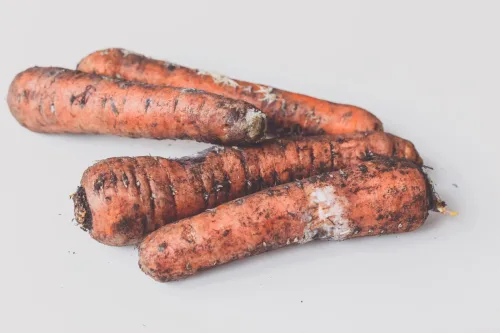
Next year you can harvest better if you don’t sow carrots where they won’t thrive
Carrot root fly can ruin carrots, parsley and celery from the inside out, often without obvious warning until harvest. Better site choice, rotation, later sowing and simple physical barriers can dramatically cut damage next season.
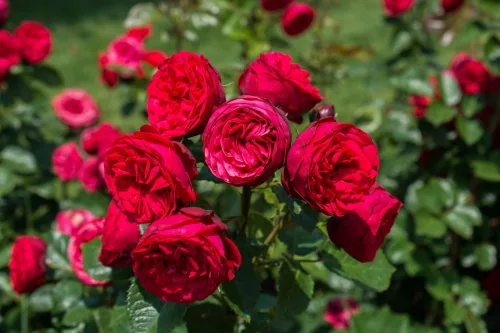
How to Propagate Roses from Cuttings at Home and Fill Your Garden with Blooms Almost for Free
Want more roses without paying for new plants? With a few healthy cuttings and a simple plastic-bottle mini greenhouse, you can root new bushes at home in just a few weeks.
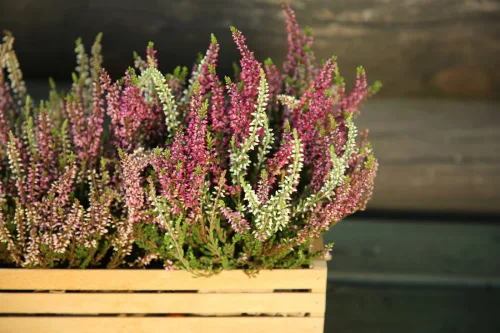
Heathers can cope where other plants won’t, but one soil detail decides everything
Heathers and heaths are tough evergreen shrubs that can flower across the seasons when you choose the right types. Success hinges on matching the plant to your soil pH and ensuring free drainage.
Comments (0)
Be the first to comment.