
 English
  Polski
  Deutsch
  Nederlands
  Svenska
  Norsk
Norsk  Dansk
Dansk  Français
  Italiano
  Español
  Português
  Slovenčina
  Suomi
Suomi  Gaeilge
 For a Pesticide-Free Harvest, Use Trap Plants for Garden Pests
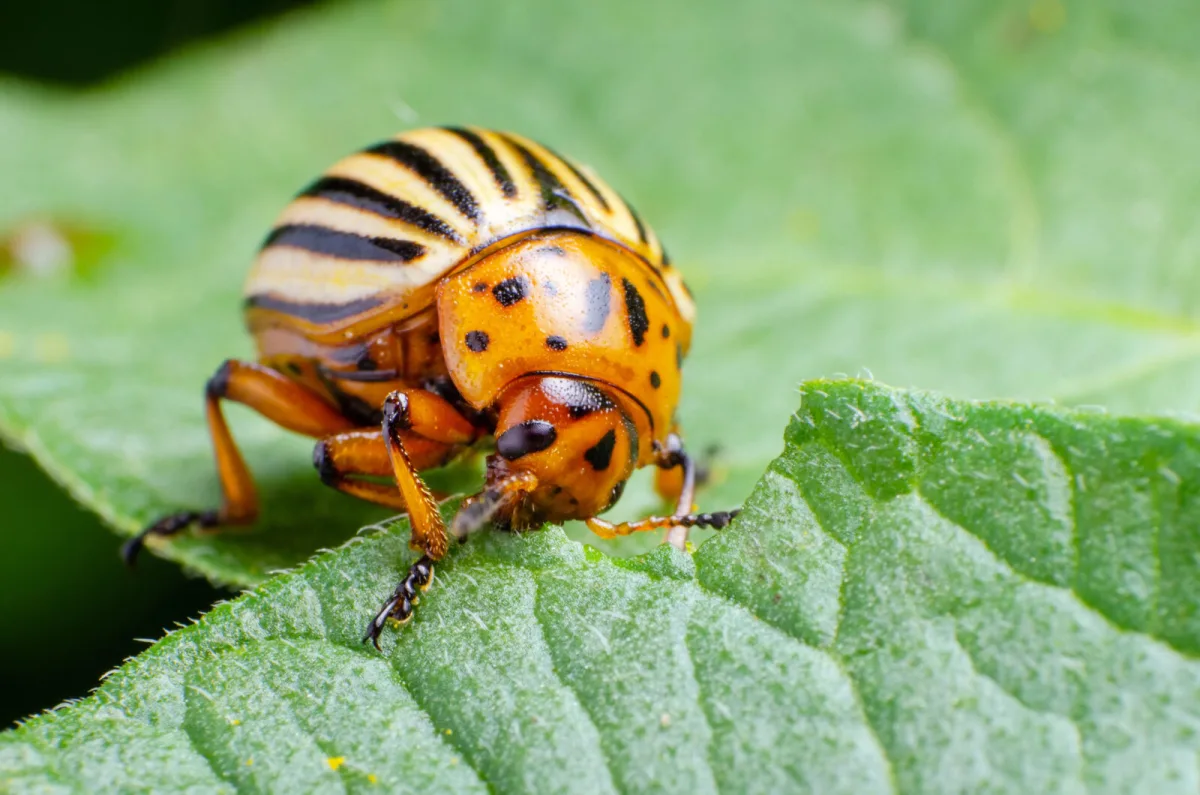
Does it feel like aphids, true bugs or slugs have turned your beds into an endless buffet? Instead of constantly battling with sprays, you can use an approach experienced growers treat as a subtle but highly effective trick. These are so-called trap plants: plantings that deliberately attract pests somewhere other than where your main vegetables are.
What trap plants are and how they work
A trap plant is a sacrificial plant that pests find more attractive than the crops you want to protect. Insects then don’t spread throughout the whole garden but concentrate in one spot. That gives you a clearer overview, lets you act faster, and often means you can manage without chemicals.
At first glance it can seem odd. If you have a pest problem, why add more plants? That is exactly the point of the method. Trap plants act as a natural lure that pulls pests away from more valuable plantings and can also help support biological balance in the garden.
Plants that attract pests and also help beneficial insects
A classic example is pot marigold (Calendula), which can be a literal magnet for aphids. If you plant it near lettuces, kale or chard, it often happens that aphids settle mainly on the calendula and leave your leafy greens relatively alone. An extra bonus is that this kind of plant can also attract natural aphid predators, especially ladybirds, which can knock populations back significantly.
Why trap plants are worth growing even in a small garden
It’s a natural way to protect crops. You don’t have to reach for pesticides and other products that often harm beneficial insects as well.
They’re cheap and low-maintenance. Most trap plants are easy to raise from seed, and some will even self-sow, so they may reappear next season.
Pests gather in one place. When you know where they’re concentrated, it’s easier to remove them before they spread through your harvest, for example onto tomatoes, cucumbers or brassicas.
How to use trap plants properly so they work
Success mainly comes down to timing. Ideally, the trap plant should be larger, lusher and more developed than the plant you’re protecting, because pests usually choose the most attractive and easiest target. That’s why it pays to sow or plant trap plants ahead of time and to allow for a few spare plants in case of heavy infestation.
The best trap plants and what they protect
Pot marigold (Calendula) and nasturtium reliably attract aphids and help protect lettuces, kale and other leafy greens.
Radish can draw off various beetles, especially flea beetles, which otherwise also attack spinach, tomatoes or brassicas. Early spring sowings may also attract white butterfly caterpillars that would otherwise damage cabbage or broccoli. Even if radish leaves take a hit, the root often stays fine and is usually perfectly edible.
Sunflower attracts various species of true bugs that might otherwise damage vegetables in your beds.
French marigold (Tagetes) is useful around carrots, chard, beetroot, tomatoes, peppers, cucumbers and squash. It helps reduce nematodes in the soil and at the same time can draw some other pests away from the main crop.
Ornamental tobacco and dill are useful near tomatoes, where they can divert hawk-moth caterpillars that can strip plants surprisingly fast.
Amaranth planted along the edges of the garden can serve as a lure and reduce pressure from some pests on cucumbers and squash.
Chervil can attract slugs in and around lettuces and more sensitive plants, making them easier to collect in a designated spot.
Millet sown among squash works as a lure for true bugs, which often prefer this grain to vegetables.
Zinnias placed around the garden can help divert certain invasive beetles and indirectly protect fruit trees and soft fruit.
What to do when pests actually move onto the trap plant
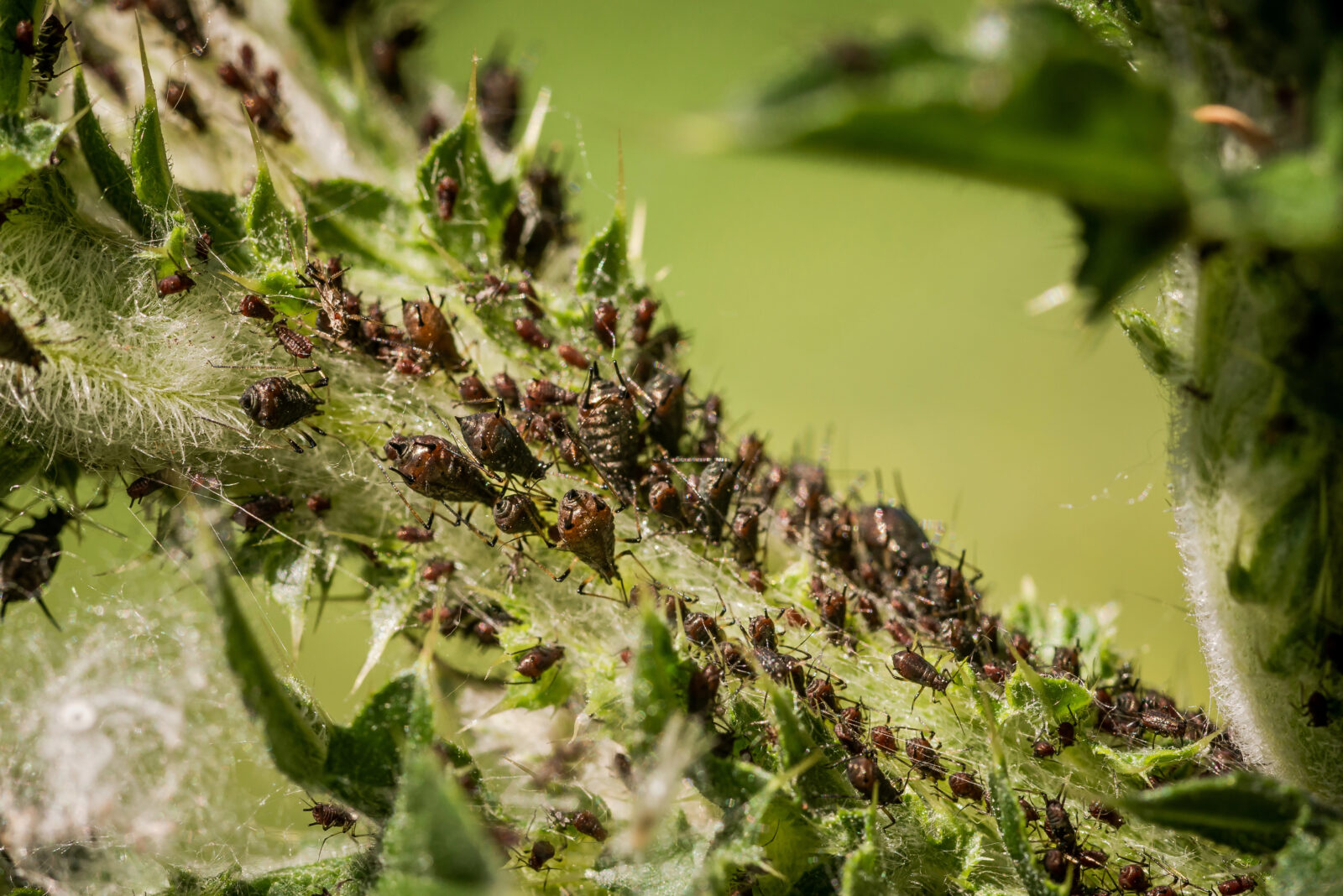
In some situations, it’s best to leave things alone for a while. A heavier concentration of pests in one spot often attracts their natural enemies, such as ladybirds, lacewings or predatory bugs, which then help slow the population down.
If, however, you’re dealing with species that spread quickly, check the trap plant regularly. Larger caterpillars can simply be picked off by hand. Cut away and dispose of heavily infested leaves or stems. Plants that are already completely wrecked are best pulled up, sealed in a bag and thrown away so pests or their eggs don’t return to your beds.
Balance matters more than zero insects
Not every insect is an enemy. A small number of pests is a normal part of a healthy ecosystem and provides food for many beneficial creatures. Trap plants are a great helper, but they work best when you also have a diverse mix of flowers and herbs that bring pollinators and pest predators into the garden. That way, protecting your harvest is often solved more naturally, more cheaply and in a long-term sustainable way.
Source: The Spruce, Záhrada, Gardenia, Pestrazahrada.cz

A lover of nature, gardens, and everything that moves, blooms, or grows. He literally grows everything, from herbs to rare species, and he enjoys caring for animals just as much. In his work, he connects modern technology with tried-and-tested grandmotherly methods and is happy when both paths lead to the same goal.
Related articles
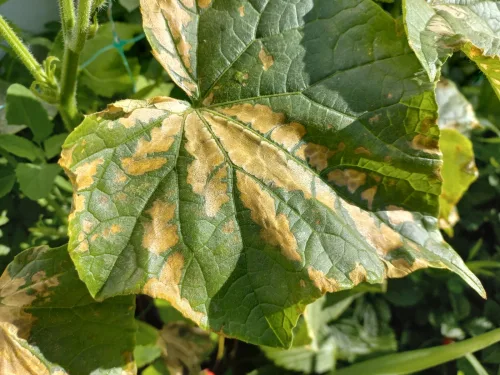
Yellowing cucumber leaves have a clear cause and with the right response plants recover quickly
Cucumber leaves turn pale and yellow when the plant is under stress—most often from watering mistakes, nutrient imbalance, or sudden temperature swings. Spot the pattern early and you can restore growth and protect your harvest fast.
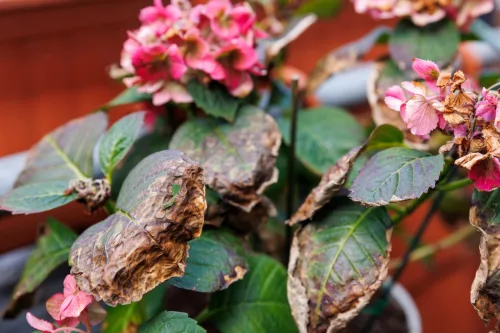
How to Get Browning Hydrangeas Back on Track Without Chemicals
Brown leaf edges or spots on hydrangeas usually point to a simple mismatch in light, watering, or airflow rather than a lost cause. Learn how to read the symptoms and restore your shrub quickly with gentle, practical fixes.
Turn Ground Cinnamon Into a Secret Weapon for Stronger, Tougher Plants
Ground cinnamon isn’t just for baking—it can help protect houseplants and garden plants from mould and fungal issues, support cuttings, and even act as quick first aid for minor wounds. Used lightly, it’s an affordable, gentle, natural add-on to good growing practice.
Comments (0)
Be the first to comment.