
 English
  Polski
  Deutsch
  Nederlands
  Svenska
  Norsk
Norsk  Dansk
Dansk  Français
  Italiano
  Español
  Português
  Slovenčina
  Suomi
Suomi  Gaeilge
 Mulch Smartly and Save Water, Suppress Weeds, and Improve Soil Structure
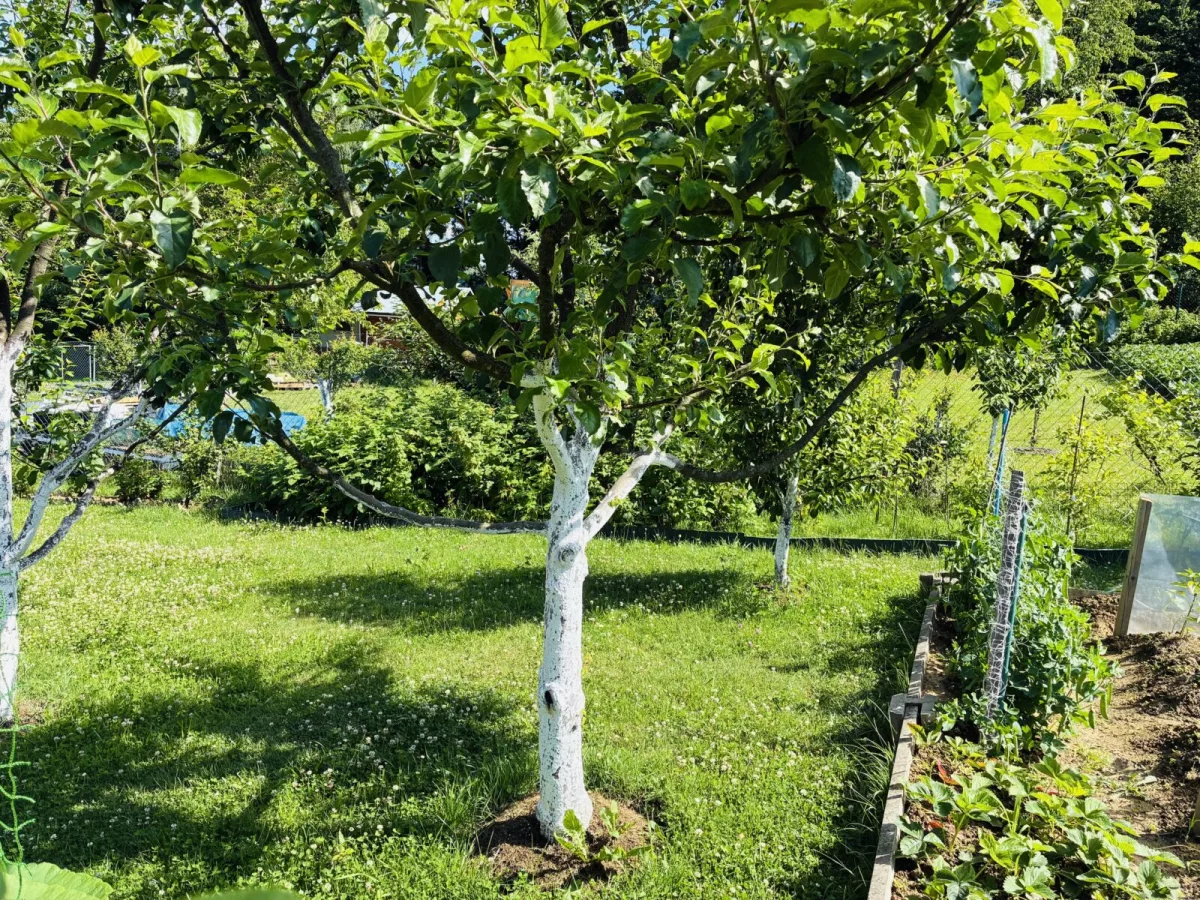
Mulch is a loose layer or laid material that covers the soil surface. It’s used on bare ground in beds and also on top of potting mix in containers. The most common aim is to retain moisture, reduce weed growth, and gradually improve the soil environment. It can also visually unify beds and cut down the time you’d otherwise spend watering and weeding.
The right mulch, correctly applied, helps reduce soil drying in summer; in winter, it can make it easier for rainfall to soak into the ground and may protect roots from temperature swings. Weed seeds germinate more poorly without light, so mulch acts as a natural barrier. With edible crops, it also creates a protective layer that keeps fruits from sitting directly on the soil.
Key benefits of mulching in practice
Mulching is most often associated with water retention, but there are more effects than that. A surface layer reduces evaporation, so moisture stays longer in the root zone and you water less often. At the same time, mulch buffers temperature extremes, which is helpful in summer heat as well as in winter. Some types of mulch add organic matter and nutrients to the soil, supporting soil life and improving soil structure.
With certain materials, you can also count on extra benefits such as a decorative effect or a slight reflection or absorption of sunlight. Darker surfaces warm up faster in spring, while lighter ones can protect roots better from overheating during hot spells.
Biodegradable mulches
Organic, biodegradable mulches gradually break down and become part of the soil. This naturally increases organic matter levels and can improve both the soil’s ability to hold water and its crumbly, open texture. The practical side is that once the layer rots down, it needs topping up, because it disappears and thins over time.
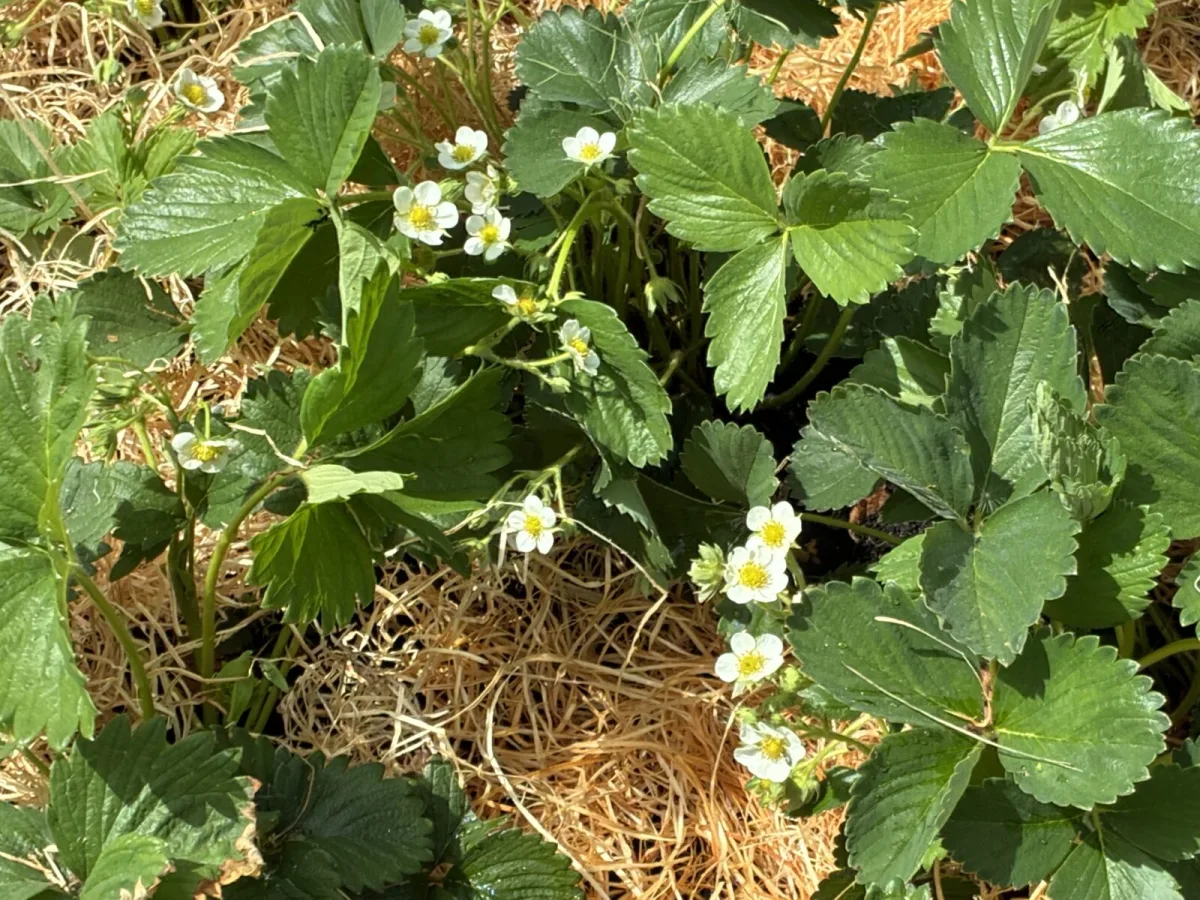
Commonly used materials include good-quality garden compost, leaf mould, well-rotted manure, wood chips, bark, straw used for example with strawberries, and even seaweed. It’s important that organic material isn’t contaminated with weed seeds or diseased plant debris, as it could unintentionally bring problems into your beds.
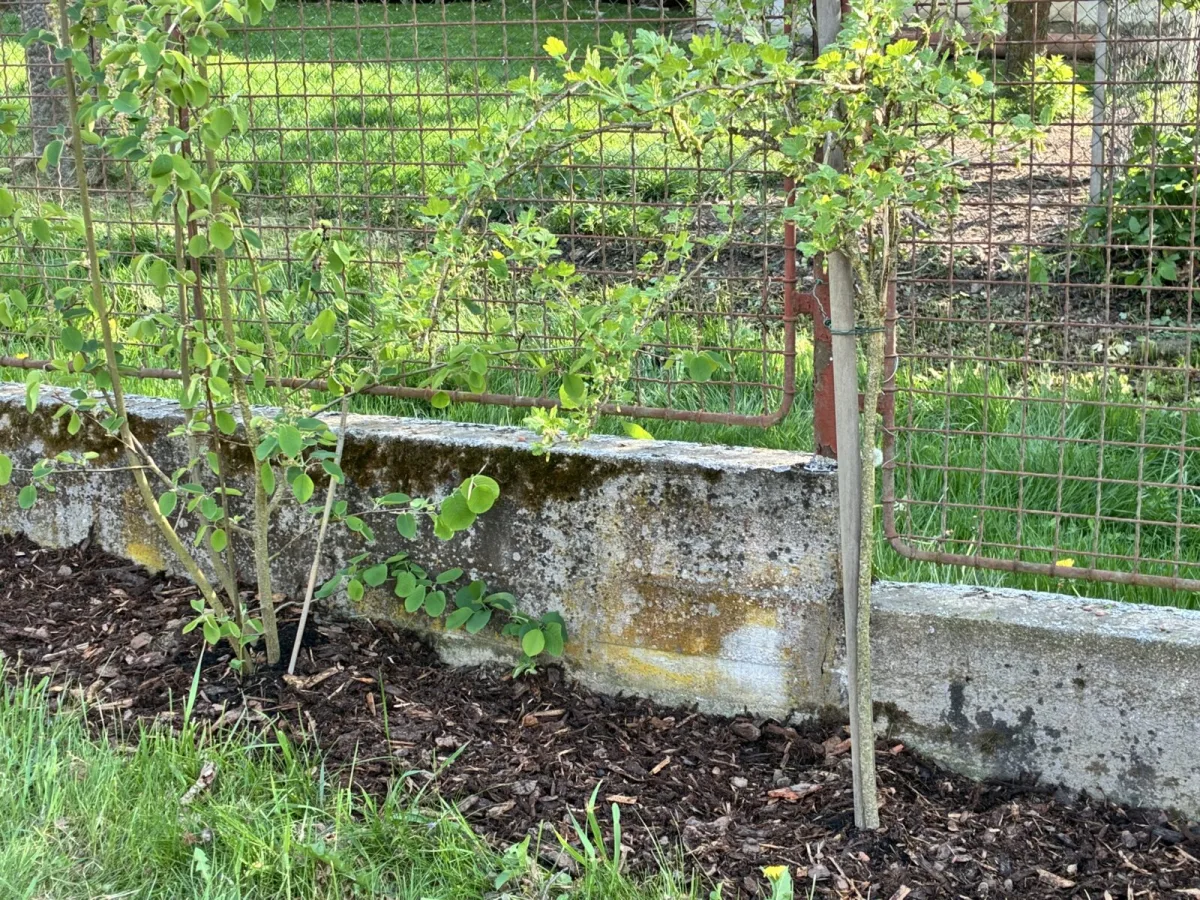
Non-biodegradable mulches and ground covers
Non-biodegradable mulches don’t feed the soil directly or significantly improve its structure, but they often suppress weeds very effectively and reduce evaporation. They can also look very attractive, which is why various decorative aggregates are used in beds and containers. In practice this might be slate, pea gravel, gravel, chippings and other decorative stone, or shells and similar inert materials for container growing.
With man-made materials, it pays to be cautious, because some plastics age in the garden, crumble, and can leave behind unwanted fragments. If you use landscape fabric or weed-suppressing membranes for new beds, it’s essential to choose types that let water through. An impermeable layer can cause water to run off the surface and create drainage issues elsewhere in the garden. The fabric itself isn’t usually very attractive, so it’s often covered with a thin layer of bark or gravel so it blends in better.
When it’s best to add mulch
Mulch is most often topped up from mid- to late spring and again in autumn. In spring, the advantage is that many annual weeds haven’t had time to germinate yet and perennials are often only just starting into growth. An autumn application is useful when plants are dying back and beds are being prepared for winter.
With new plantings, though, you don’t have to wait for a specific season. If the goal is to reduce weeds and stabilise moisture, mulch can be used almost any time of year, as long as the soil isn’t frozen and you can lay it onto moist ground.
How to apply mulch correctly so it works
First, the bed needs to be cleared of weeds and mulch should be spread over moist soil. With organic mulches, a sufficient layer thickness is crucial. For a noticeable effect, it’s worth aiming for at least 5 cm, ideally around 7.5 cm. A layer that’s too thin lets light through and weeds quickly find a way out, and a scant mulch dries out faster.
When mulching whole beds, take care not to bury low plants so much that you smother them. Around shrubs and trees, it’s important to keep the material pulled back from the trunk or stems. Mulch piled directly against bark can hold excessive moisture and lead to softened tissues, increasing disease risk. For individual trees and substantial shrubs, it works well to mulch at least out to the drip line, because that’s where a significant portion of active roots are found.
If you’re creating a new bed and using a weed-suppressing membrane, you can cut slits in it and plant directly through. After that, the surface can be finished with a decorative layer, which also helps keep the fabric in place.
When it’s better to reduce mulch or skip it
Not every plant enjoys a persistently damp crown area. For some Mediterranean groundcovers, for example certain thymes, mulch can hold too much moisture around stems and foliage. In these cases it’s often more practical to leave the surface more open or choose a dry, airier material and apply it with a larger gap around the plants.
Possible problems and how to prevent them
Mulch is usually trouble-free if it’s laid correctly. The most common mistake is direct contact with trunks and woody stems, which can encourage rot and subsequent infections. Another risk is material quality. From less reliable sources, you may bring weed seeds, pests, or diseases into the garden. With wood chips, a small risk of introducing more serious soil issues is sometimes mentioned, so it’s worth using material from a trusted source and not overdoing it with very fresh residues.
Freshly chipped wood or newly cut grass can boost microbial activity, but during decomposition those microbes can consume available nitrogen. Plants may then temporarily suffer from a nitrogen shortage. If your material is very fresh, it’s sensible to let it sit for a few weeks and only then use it.
After mulching, at first you may need to water so that moisture actually reaches the roots beneath the layer. In the long term, however, mulch helps rainfall infiltrate better and significantly reduces evaporation, so the frequency of watering usually drops. Fertilisers don’t need to be removed before application; they’re commonly sprinkled on the surface in late winter and rain gradually washes them into the soil.
Any weeds that still appear are best pulled out by hand. Hoeing can damage the roots of perennials and woody plants just below the surface. As mulch gradually rots down, simply add another layer. With gravel mulches, if the layer is too thin it can mix with the soil and weeds can then establish more easily on the surface.
With organic mulches, it’s common for white, thread-like fungal mycelium to appear in the soil or within the layer. This is usually harmless fungi involved in breaking down organic matter. There’s no need to remove the mulch or dig anything up; in most cases it’s a natural and beneficial process.
How much water you can save with mulch
Organic mulch gradually turns into components that improve the soil’s ability to manage water. Besides the immediate reduction in evaporation, it also brings a longer-term effect in the form of better soil structure and a higher humus content. In practice, that means smaller swings in moisture and greater drought resilience in beds, making it easier to shift to more water-wise irrigation methods and make better use of rainwater.
Source: Rhs, Almanac , Pestrazahrada.cz
Related articles
Pinch Out the Pumpkin Tip and the Plant Will Put Its Energy into Ripening the Fruit
Hokkaido squash is a reliable winter squash with a rich, nutty flavour and straightforward cultivation. Learn when to sow and plant it, how to pinch it for better ripening, and how to harvest and store it for months.
Want Blue or Pink Hydrangeas We Explain How to Change Their Colour
Hydrangea colour isn’t always fixed by the variety. With the right soil pH and consistent care, you can gradually shift some hydrangeas from pink to blue and help them stay that way.
You Can Still Sow in August and Keep Harvesting Into the Cooler Days
August doesn’t mark the end of the gardening season. With smart sowing, regular harvesting, feeding and efficient watering, you can keep beds productive and attractive well into autumn.
Comments (0)
Be the first to comment.