
 English
  Polski
  Deutsch
  Nederlands
  Svenska
  Norsk
Norsk  Dansk
Dansk  Français
  Italiano
  Español
  Português
  Slovenčina
  Suomi
Suomi  Gaeilge
 Liming your lawn for moss may not help and could harm your fruit harvest
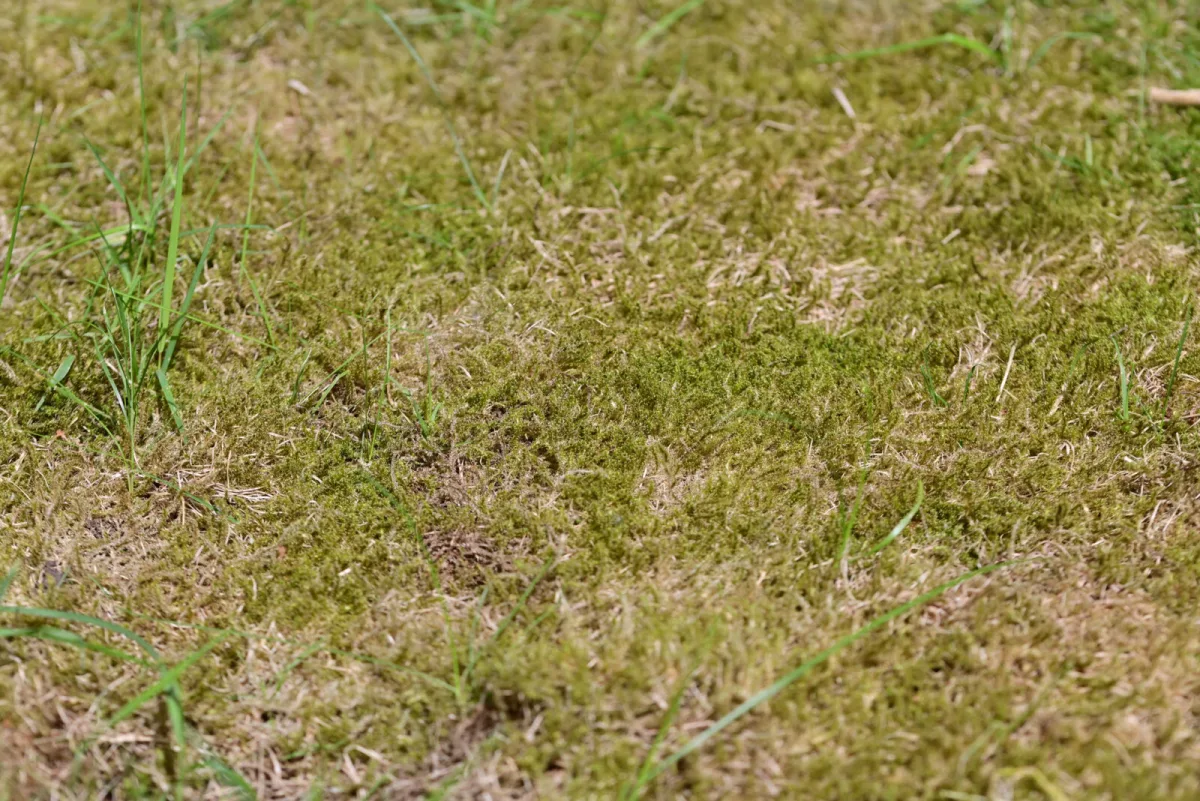
Moss in the lawn isn’t just a cosmetic flaw. Once it starts to spread, it gradually pushes the grass out because it takes moisture, nutrients and root space. At first it can look as though the sward will sort itself out, but that only applies when moss is present in very small amounts. When moss takes over, the lawn thins, weakens and weeds move in easily. That’s why it’s best to tackle the problem early and, above all, identify the real reason the moss appeared in the first place.
Why moss is showing up in your garden
Moss most often thrives where the soil is acidic and low in nutrients. Shade, higher moisture, compacted ground or long-term neglect usually add to the problem. A typical warning sign is lawn under trees, along fences and on north-facing parts of the garden, where dew lingers and the sun only appears briefly. If you combine that with light feeding and little aeration, the grass can’t build density and moss gets the upper hand.
When liming won’t help and why it can do harm
Liming is often suggested as a quick fix because it raises soil pH and supplies calcium. But acidity isn’t always the only reason moss is growing. If the lawn is in shade, the soil is compacted or the grass has been underfed for a long time, liming on its own won’t rescue the situation and the moss may continue to spread.
What’s more, too much calcium can cause other problems, especially for fruit trees and some crops. Excess calcium in the soil can restrict the uptake of other elements and indirectly reduce both the quality and the quantity of your harvest. For that reason it’s not wise to lime repeatedly just because moss shows up again.
How to remove moss mechanically and restore lawn strength
The most reliable approach is usually a combination of mechanical removal followed by regeneration. In smaller areas you can rake out moss and thatch with a steel rake, opening space for new grass shoots. On larger lawns, regular scarifying helps by slicing through the surface and combing out moss. Then simply rake up the debris, overseed bare patches and make sure the young seedlings don’t dry out.
After the work, it’s important to support the lawn with nutrition. Around a week after scarifying, feeding is often useful so the grass thickens faster and doesn’t give moss a chance to return to the opened-up areas. If bare patches aren’t restored with overseeding and feeding, moss will reclaim the empty space.
Iron sulphate and specialist products as a quick fix
Another option is chemical suppression using a solution of iron sulphate (ferrous sulphate). After application, the moss dies back, darkens and can then be raked out of the lawn. Some ready-to-use moss control products work in a similar way. Even so, simply killing the moss isn’t enough if you don’t change the conditions that allowed it to appear. Without follow-up lawn regeneration, the problem typically returns.
Without proper feeding, your lawn won’t be dense
If you have moss in the lawn, it’s not enough to reach only for fertilisers with extra calcium. Grass needs balanced nutrition, meaning complete lawn fertilisers that also include trace elements. In spring, blends with a higher proportion of nitrogen are commonly used because they promote growth and thickening. In autumn, fertilisers with more potassium are better, helping tissues mature and improving the sward’s resilience.
Balanced feeding is one of the main differences between a lawn that can resist moss and one that keeps thinning. Dense grass can suppress moss by taking away light and space.
Why too much calcium can damage fruit
Calcium is important for plants, but in high doses it can complicate the uptake of other nutrients. In fruit trees and bushes this can show up as poorer fruit quality. Excess liming is linked, for example, with cork spot in apples or pears. At the same time, high calcium can reduce boron uptake, which is essential for good pollination and proper fruit development.
Boron deficiency can then lead to deformities and poorer fruit set in strawberries or raspberries, and weaker ripening of grape berries on the vine. So if you’re liming the lawn near fruit plantings, caution is warranted—focus on addressing the underlying causes of moss rather than repeatedly adding lime.
Conclusion: liming is only one piece of the puzzle
A healthy lawn doesn’t happen thanks to a single adjustment. The key is regular care: aeration, correct watering, overseeding weak areas and balanced fertilising. Liming can make sense when a soil test shows acidity is genuinely the problem, but on its own it often won’t solve moss. Once you remove the true reason moss took hold, the grass will thicken and the lawn will be more stable long term—without unnecessary risk to your harvest.
Source: GrowVeg, The Spruce, NKZ, Pestrazahrada.cz

A lover of nature, gardens, and everything that moves, blooms, or grows. He literally grows everything, from herbs to rare species, and he enjoys caring for animals just as much. In his work, he connects modern technology with tried-and-tested grandmotherly methods and is happy when both paths lead to the same goal.
Related articles
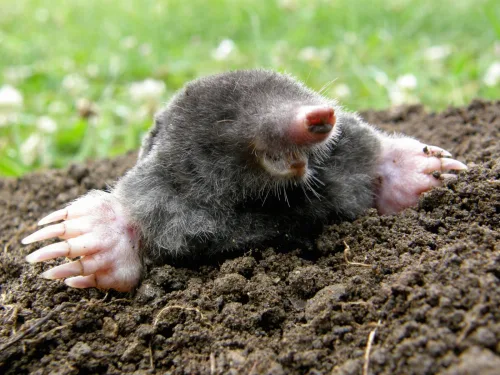
Fighting moles tempts you into a quick fix that can put you on the wrong side of the law
Fresh molehills can ruin a lawn, but the common mole is a protected species and lethal control can be illegal. Learn how to tell a mole from a vole and which lawful, effective methods actually encourage it to move on.
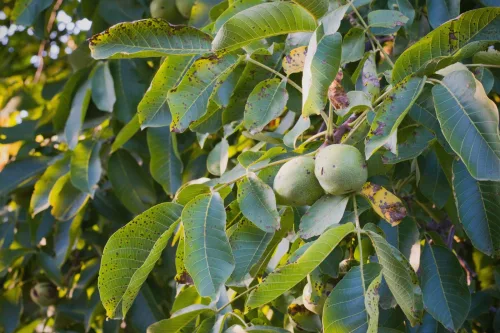
Why the Tree That Feeds a Family for Generations Is Disappearing from Czech Gardens
The English walnut used to be a staple of larger gardens and farmyards, valued for its nutritious nuts and many practical uses. With the right site and variety, it remains one of the most rewarding long-lived trees you can plant.
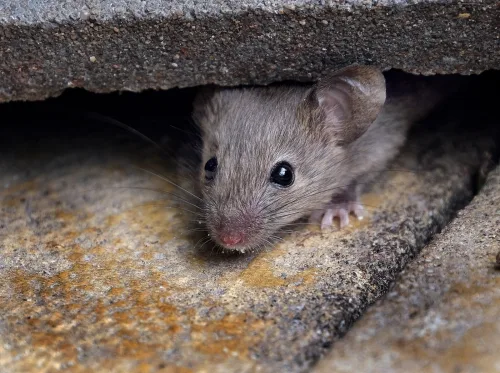
How to Get Rid of Mice and Rats in the House, Loft and Garden Effectively
Mice and rats don’t leave quietly—scratching sounds, droppings and gnaw marks are clear warnings. A lasting solution comes down to three steps: block entry points, remove food sources, then use traps or professional control.
Comments (0)
Be the first to comment.