
 English
  Polski
  Deutsch
  Nederlands
  Svenska
  Norsk
Norsk  Dansk
Dansk  Français
  Italiano
  Español
  Português
  Slovenčina
  Suomi
Suomi  Gaeilge
 How to Get Your Chicken Coop Ready for Summer So Hens Can Handle Heat and Parasites
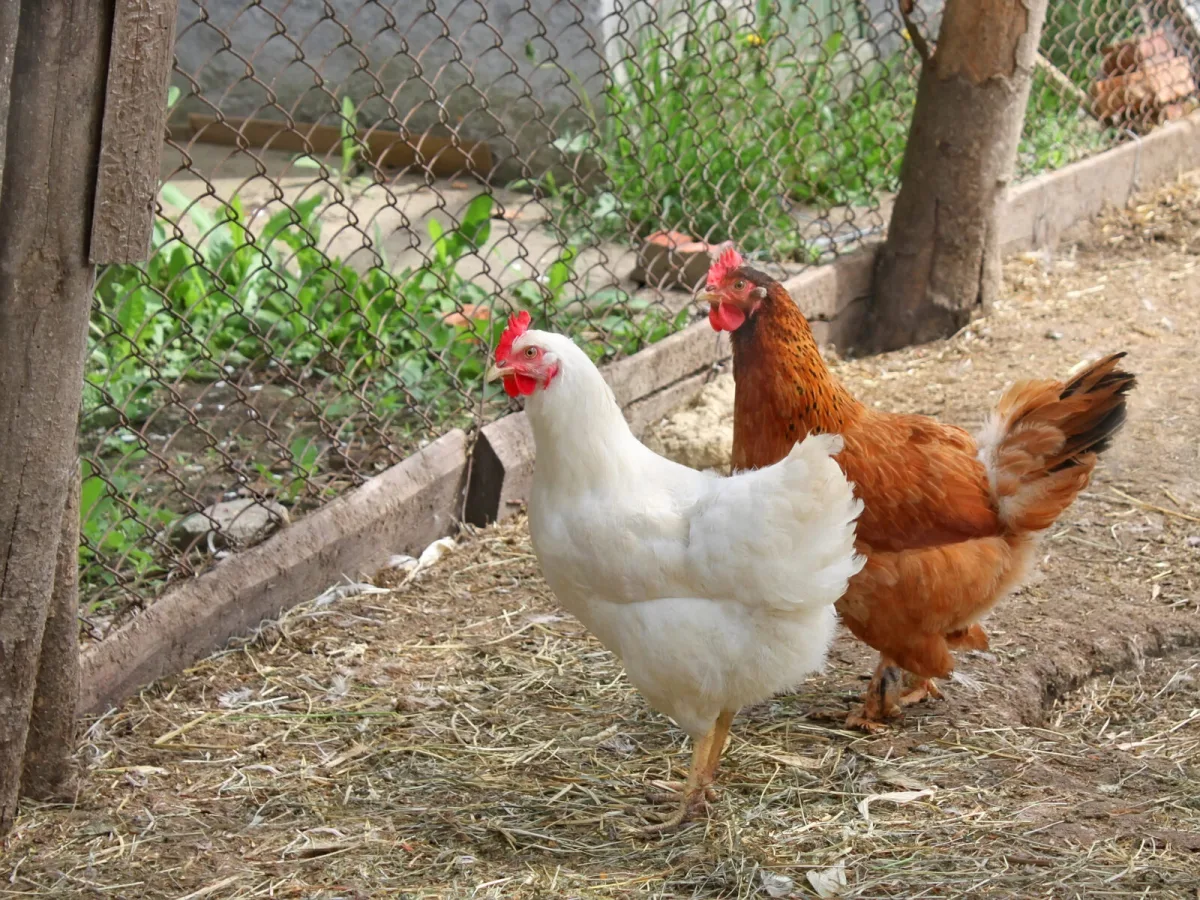
Spring is quickly turning into summer: hens are laying more, some start going broody, and at the same time insects and parasites ramp up. Right now is the best time to make a few changes in the coop and run so long, hot days don’t bring a drop in egg production, health troubles, or unnecessary infestation. When you prepare the environment in advance, the flock breathes easier, disease spreads less, and summer is calmer for the keeper.
Deep cleaning as the foundation of hygiene
After winter, dust, skin flakes, cobwebs, and often lingering damp remain in the coop. Even if you’ve done the usual spring tidy-up, rising temperatures increase pressure from pests and pathogens. A thorough pre-summer clean helps reduce flies, ants, and mites, and also lowers the risk of issues such as coccidiosis or worm burdens.
What to do step by step
Remove all bedding and nesting material, and clear out small debris and built-up grime. Scrape roosts, corners, and cracks, because that’s exactly where parasites like to hide. Then wash the coop with warm soapy water, rinse well, and let it dry completely. Once dry, use a livestock-safe disinfectant to reduce viral and bacterial load. For insect and parasite prevention, you can apply an insecticidal product, paying the closest attention to roosts and cracks in nest boxes. Don’t forget to take out feeders and drinkers, wash them separately, and put them back only once they’re dry. Finally, add clean bedding and fresh material to the laying nests.
Why it matters
Starting summer with a truly clean coop reduces odour, prevents ammonia build-up, and limits mites and infections, which spread faster in warm weather.
Shade and water determine how well hens cope with heat
Hens overheat easily, so it’s essential to provide deep shade and easy access to water. In high temperatures, birds eat less, lay less reliably, and if water is scarce they can slip into heat stress quickly.
How to set up shade and watering
Increase shading options in the run and around the coop. The most effective approach is usually layered protection, for example an insulated roof, a combination of shrubs and climbers, or high-density shade cloth over part of the run. Place the drinker in the coolest spot where hens spend most of the day. If they have to cross sun to reach water, they’ll drink less. In practice, a second drinker in another shaded zone often helps. On very hot days, keeping the container in deep shade also helps the water stay more pleasant; you can also add chilled packs or ice in a safe container.
Why it matters
Temperatures above about 29 °C can trigger heat stress in hens, showing up as lower egg production and a higher risk of health complications. Shade and cooler water are the simplest prevention.
Better ventilation reduces humidity and ammonia
Good airflow is crucial in a coop all year, but even more so in warm weather. If it feels stuffy inside, musty smells return quickly after cleaning, or damp patches persist, ventilation needs adjusting.
What to check and improve
Remove winter covers that blocked drafts but now limit air exchange. Clean dust from mesh, screens, and grilles. Make sure air can enter on one side and exit on the other to create cross-ventilation. If that’s not enough, add a vent or window, always protected against predators. At the same time, check whether water is getting into the coop through the floor or gaps.
Why it matters
A dry, well-ventilated coop stays cooler, smells less, and reduces the risk of respiratory issues because ammonia and moisture don’t build up.
Run drainage prevents mud and disease
Summer storms can turn a run into a muddy mess in no time. If puddles form after rain or water moves through the run in one direction, it pays to address drainage before the wetter part of the season.
A practical approach
First, find the lowest areas where water sits and the routes it takes as it drains away. Low spots are best topped up with a coarser material to raise and level the surface. Gravel, coarse sand, or other free-draining materials can help. Redirect runoff away from the run with simple grading, or add drainage where needed. Water often pours off the coop roof too, so it’s useful to fit gutters and downpipes so it doesn’t run straight into the area where hens spend time. For persistently wet spots, consider drainage pipe and cover the surface with woodchips or mulch to reduce churned-up mud.
Why it matters
Damp and mud encourage the spread of coccidiosis, parasites, and other illnesses. Puddles also tempt hens to drink dirty water, which increases infection risk.
Nutritional support helps maintain laying even in heat
Summer is often peak laying season, but heat reduces appetite. When hens eat less, shortages of protein, minerals, and calcium can show up quickly, affecting health and egg quality.
What’s worth adjusting
The foundation is a complete layers’ ration and constant access to oyster shell grit or another calcium source. If you offer treats, favour higher-protein options and add nutritious leafy greens as well. During periods of stress, poultry-specific mineral supplements can help. Some keepers also add fennel seed, as it’s said to support condition and productivity during heat stress.
Why it matters
Strengthening nutrition in time supports immunity and helps keep laying steadier even when hens naturally eat less in hot weather.
Conclusion
A few hours of work before summer can greatly reduce the problems heat and humidity otherwise bring. If you deep-clean the coop, provide deep shade and plenty of cool water, improve ventilation, sort out run drainage, and support nutrition, you give your flock the best chance to get through the season healthy and laying well.
Source: Dine a Chook, Backyard Chicken, Pestrazahrada.cz

A lover of nature, gardens, and everything that moves, blooms, or grows. He literally grows everything, from herbs to rare species, and he enjoys caring for animals just as much. In his work, he connects modern technology with tried-and-tested grandmotherly methods and is happy when both paths lead to the same goal.
Related articles
How to Choose a Chicken Feeder That Keeps Feed Dry, Clean and Pest-Free
A good chicken feeder should keep feed dry, reduce waste, and make access difficult for rats and wild birds. The right design and placement can save money and keep your coop cleaner year-round.
How to Feed Laying Hens So They Stay Healthy, Lay Steady All Year and Produce Strong Shells
A well-balanced diet is the key to healthy hens, strong eggshells and consistent laying. Learn what to feed, what to top up, and what to avoid through the seasons.
Which vegetables can chickens safely eat every day
Vegetables make a brilliant daily treat for chickens, adding moisture, fibre and valuable vitamins. The key is to use them as a supplement to a balanced complete feed, not a replacement.
Comments (0)
Be the first to comment.