 English
 Polski
 Deutsch
 Nederlands
 Svenska
 Norsk
 Dansk
 Français
 Italiano
 Español
 Português
 Slovenčina
 Suomi
 Gaeilge

Too Much Currant and Not Sure What to Do with It
Currants can ripen fast and flood the kitchen with bowls of berries. Here are practical, tasty ways to use them up—from jam and jelly to juice and even homemade vinegar.
5 min read

Currants can ripen fast and flood the kitchen with bowls of berries. Here are practical, tasty ways to use them up—from jam and jelly to juice and even homemade vinegar.

Traditional homemade pickled gherkins are noticeably crunchier than shop-bought and you can fine-tune the sweet-and-sour balance to your taste. With a properly cooled brine, spotless jars and gentle sterilising, they’ll keep their colour and snap.

Roses can keep flowering for much of the season when you stay on top of a few fundamentals at the right time. These five practical steps improve repeat bloom, leaf health, and overall shrub strength.

Voles can ruin lawns, beds, and young trees fast, often with damage that stays hidden underground. These five practical methods help reduce them effectively, plus what to avoid and how to prevent a comeback.

Gooseberries may feel like a blast from the past, but they’re a hardy, easy-care crop with impressive nutritional value. Enjoy them in season in modest portions for a surprisingly noticeable boost.

Yellow cucumber leaves in summer are most often a sign of nutrition or growing-condition issues rather than disease. Learn how to read the symptoms and correct watering, soil conditions, and feeding in time.
Oleander can thrive on a terrace or balcony even in cooler climates if you grow it in a container and overwinter it correctly. Give it sun, free-draining compost, sensible watering and a cool, bright frost-free winter rest for weeks of summer flowers.

Thuja are a favourite for hedges and specimen planting, but browning shoots can appear unexpectedly. Learn the most common non-disease causes, how to spot infections and pests, and what care helps them green up again.

Sweet peppers are generous plants when given warmth, sun, consistent moisture and the right feeding. Learn when to plant, how to prevent growth checks and disease, and how to harvest for the best colour and flavour.

Snapdragons are wonderfully versatile flowering plants that shine in cooler weather and can keep blooming right up to the first frosts. With the right light, steady moisture, and regular deadheading, they’ll reward you with weeks of colour from summer into autumn.

After cutting back an apricot badly hit by monilia and gummosis, it’s crucial to know whether the regrowth is still your cultivar or just the rootstock. The graft height, leaf shape, and the trunk’s health will tell you whether you can carry on or should regraft—or replace the tree altogether.

Garlic skins don’t belong in the bin. Steeped in water, they make a simple home-made macerate that can help deter pests, support fungal prevention, and provide a gentle feed.

Cucumber downy mildew can spread fast after warm summer showers or poor watering habits. Learn how to spot it early, remove infected leaves, and protect plants with practical, low-chemical steps.

With egg prices rising, keeping a small flock is tempting—but success depends on space, housing, security, feeding and choosing the right birds. These five practical questions will help you decide whether chickens will be a joy or a headache.

Sweet, juicy strawberries start with the right soil and feeding strategy. Spanish growers often rely on compost or well-rotted manure worked into the bed to boost flavour and plant vitality.
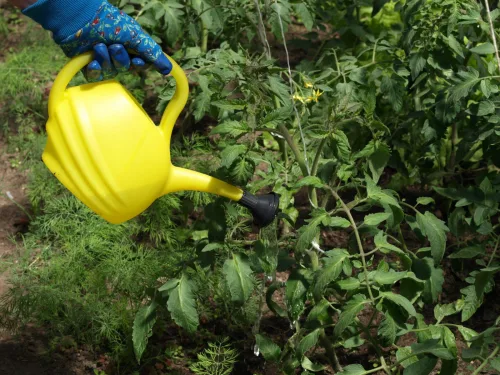
Tomatoes can look lush and healthy yet set very few fruits when something in their growing conditions pushes them to make foliage instead of flowers. Here are the most common causes and practical fixes to get your plants fruiting again.

That grey-white, floury film on cucumbers and squash is usually powdery mildew, not rot. With timely leaf removal, better airflow and more sun, you can keep plants productive and extend the harvest.

Five-leaf akebia is a hardy, fast-growing climber with richly coloured, sweetly scented spring flowers and unusual, edible fruit. With the right siting and two compatible plants for pollination, it can thrive and crop even in Czech conditions.

Flies can show up in the kitchen in minutes, drawn by food smells and leftovers. A simple lemon-and-clove method freshens the room and discourages flies without harsh sprays.

Earwigs often trigger disgust and needless worry, but in most gardens they are shy night hunters that help keep aphids and other soft-bodied pests in check. Only when numbers are high and prey is scarce can they start nibbling ripe fruit or delicate petals.

Slugs can strip seedlings, lettuce, strawberries, and freshly sown rows overnight. A simple petroleum jelly and salt barrier creates a long-lasting, rain-resistant line they struggle to cross—without relying on chemicals.

Young seedlings are prone to fungal trouble in warm, damp conditions. A light dusting of ground cinnamon can help keep the compost surface drier and reduce the risk of damping-off.
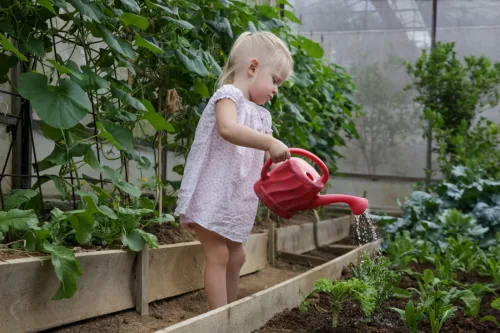
Designing a garden that feels safe for children and stays engaging at every age is often simpler than it looks. With a thoughtful layout, you can create a beautiful space that supports movement, imagination and quiet downtime without fixed play equipment.

Warmth and water alone won’t keep basil thriving for long, especially in pots. Used coffee grounds and crushed eggshells provide gentle, steady nutrition that supports greener, bushier growth and stronger aroma.

Cucumbers are heavy feeders and won’t keep cropping on a single post-plant feed. Match nutrients to each growth stage, keep the soil evenly moist, and you’ll harvest reliably all summer.

Moss in the lawn is usually a symptom of shade, compaction, dampness or weak nutrition, not just acidic soil. Liming without a soil test can be ineffective and, in excess, may reduce fruit quality by upsetting nutrient uptake.

Zucchini often produces plenty of leaves and flowers, yet the fruits fail to develop. Learn the most common causes and four practical steps to improve pollination and boost your harvest.

As warm weather arrives, rats spread quickly and young animals start searching for new shelter. A simple daily routine of brief, regular noise plus smarter bin placement can make your garden far less appealing—without poison.

Cucumbers respond quickly to care errors, and inconsistent watering is one of the fastest ways to reduce yield and fruit quality. Get the basics right: a warm, sunny site, steady moisture, balanced feeding and gentle, frequent harvesting.

Runner beans are easy to grow and highly productive, but a few common missteps can cut your harvest short. Get the basics right—warm soil, sturdy supports, steady moisture and frequent picking—for weeks of tender pods.

Even if your garden is hot and dry, windy, or persistently damp, you can still grow great herbs. The key is choosing species that naturally suit your site rather than fighting the conditions.
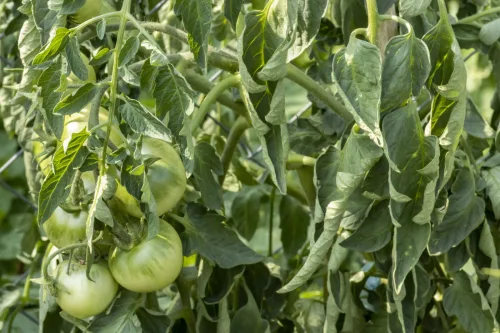
Leaf curl on tomatoes often looks dramatic, but it’s frequently a simple stress response to heat, watering swings, or heavy-handed pruning. Still, in some cases it can signal herbicide drift, pests, or serious disease.
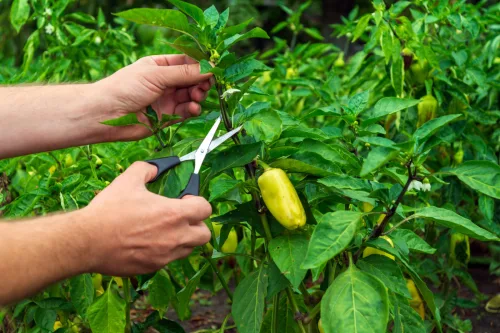
Pepper plants produce side shoots that drain energy and reduce fruit size. With simple, regular pruning and an easy homemade feed, you can boost set, improve quality, and keep plants productive all season.

Yellowing garlic leaves aren’t always a problem. Learn when it’s a normal sign of ripening, how to judge harvest timing by variety, and how to lift and cure bulbs for the longest storage.

Got a spot that bakes in sun from morning to night? These tough, sun-loving plants cope well with heat and dry soil, and many will reward you with long flowering and reliable ground cover.

Spring planting can swing from sunshine to cold winds and overnight frosts in a matter of days. A simple clear plastic bottle can act as a mini greenhouse, giving young seedlings a steadier microclimate and extra protection right where they need it most.

Juicy, pleasantly tart currants are versatile in the kitchen and easy to grow. With sensible pruning and feeding, they’ll reward you with heavy crops for many years.

Geraniums bloom their best when a few simple care steps work together. Give them plenty of light, sensible watering, a quality potting mix, and occasional feeding for weeks of colour.

The giant Hyalomma tick has been recorded in the Czech countryside, most often arriving via migratory birds and benefiting from warmer, longer seasons. It’s not a widespread invasion, but it’s worth knowing how to recognise it and how to protect yourself.

Raspberries are easy to grow at home and can crop for years from a single plant. Follow these six practical tips to boost yield, improve flavour and make harvesting easier.

Grass clippings are packed with nutrients and can be reused as lawn feed, compost material, or a quick liquid fertiliser. The key is avoiding thick mats that smother the turf and create bare, brown patches.

Larkspur brings tall, elegant flower spikes and airy foliage to beds and cottage gardens. Learn the best light, soil, watering and aftercare to keep it flowering strongly and healthy.

Trap plants lure aphids, bugs and slugs away from your vegetables so you can keep pests contained and often avoid spraying. With good timing and the right choices, they also support beneficial insects and a healthier garden balance.

Myrobalan plum, often dismissed as a wilder cousin of the true plum, is making a comeback thanks to its toughness, adaptability and useful fruit. It shines both as a reliable rootstock and as an attractive garden tree with plenty of culinary potential.

Growing truly large, healthy onions takes more than luck. With the right variety, full sun, balanced feeding, and careful watering, you can harvest impressively big bulbs even in a home bed.

Rose campion is a striking, silver-leaved perennial that brings vivid pink colour in mid to late summer and often returns reliably through self-seeding. Learn how to choose the right site, avoid waterlogged soil, and manage self-sown seedlings to keep it under control.

Powdery mildew is one of the most common cucumber diseases and it can quickly cut your harvest back in late summer. With good spacing, smart watering, and timely treatments, you can slow it down and keep plants cropping for longer.

Ladybirds go through complete metamorphosis, and their larvae are often even more effective aphid hunters than the adults. Learn how to recognise eggs, larvae, pupae and beetles so you protect allies rather than mistake them for pests.

Hardy geraniums are dependable perennials that fit almost any garden style and site. With the right species, they’ll cover bare ground, suppress weeds, and flower generously from sun to shade.
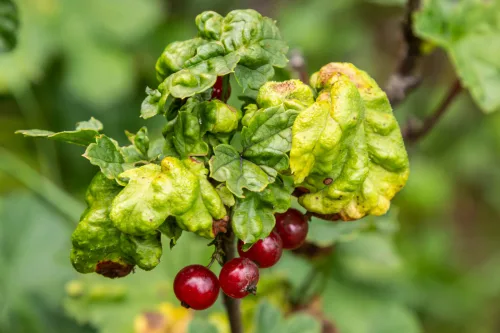
Many growers swear by a simple B-complex tablet solution as a quick, low-cost first aid for aphids on roses, currants, and balcony plants. Used early and repeated, it can help knock back infestations without reaching for stronger products right away.