
 English
  Polski
  Deutsch
  Nederlands
  Svenska
  Norsk
Norsk  Dansk
Dansk  Français
  Italiano
  Español
  Português
  Slovenčina
  Suomi
Suomi  Gaeilge
 An Old Lemon and Clove Trick That Helps Keep Flies Away

If you want to sit down to a meal in peace or air out the flat, it only takes a moment of inattention for flies to appear in the kitchen. They’re attracted by the smell of food, scraps left on the counter, sweet drinks, and an open bin. Many people reach for chemical sprays, but these often irritate the airways, and using them where you eat isn’t pleasant for everyone. Yet there’s a simple, long-known way to discourage flies without unnecessary chemicals.
The combination of lemon and cloves works as a natural repellent. Flies dislike the strong aroma released from these ingredients, so they’d rather avoid the spot. As a bonus, your home gets a fresh scent at the same time.
Lemon and cloves as a natural repellent
Cloves are an aromatic spice from the clove tree and contain eugenol, a compound known for its intense fragrance. That’s exactly why cloves are used in natural insect repellents. Lemon adds another sharp citrus note that small insects also dislike, and it helps perfume the room.
At home, it’s a practical solution because you don’t need any special tools or a long prep. Just a few minutes and you’re done.
How to prepare a lemon with cloves step by step
Take a fresh lemon and cut it in half with a knife. Push about 6 to 12 whole cloves into each half, depending on the size of the lemon and how strong you want the scent. Set both halves on a small plate and place them where flies show up most often, typically on the dining table, the kitchen worktop, or near a fruit bowl.
A similar effect can be achieved with an orange. Some people also swear by an onion version, which has a strong smell on its own, but lemon is usually more pleasant in living spaces. Over time the scent fades, so it’s best to replace the lemon after about two weeks, or sooner if it starts to dry out.
Other simple clove-based options
If you don’t want a cut citrus sitting on the table, you can use cloves in other ways too. All of these methods rely on the same principle: a gradual release of fragrance into the room. The closer you place it to the source of smells that attract flies, the better the results tend to be.
Cloves in a fabric sachet
Put a few cloves into a small, thin fabric sachet and tie it closed with a string or elastic band. You can set the sachet in the kitchen or dining area, or hang it near places where insects tend to buzz around most. The advantage is that it’s discreet and nothing spills or spoils. The scent is usually gentler than with lemon, but in smaller rooms it can be enough.
Vinegar and cloves by windows and doors
On warm days, a mix of vinegar and cloves can help too. Pour a few tablespoons of vinegar into a mug or glass and add cloves. Place the container near windows or doors where flies most often come in. This combination can have a double effect: it discourages flies and also helps reduce certain unpleasant household odours.
Plain white vinegar is also used for cleaning. If you wipe down your kitchen worktop or dining table with it, it can reduce the attractive scent trails insects look for. It’s a good idea to wipe surfaces afterwards with clean water so the smell isn’t too strong.
Clove essential oil and an important warning
If you have clove essential oil at home, you can use it in a diffuser. The aroma disperses through the room and may help keep flies and other pests at a distance. Another practical method is to put two drops on a cotton pad and place it in a corner of the room for up to two days, then it’s best to replace the pad.
Warning: Don’t use clove oil directly on the skin and don’t leave it within reach of children. In higher concentrations it can be irritating and may cause irritation on direct contact.
Other strong herbal scents can work in a similar way, for example lemongrass or basil oil.
Scents and plants that flies and mosquitoes dislike
If, besides flies, you’re also dealing with mosquitoes, it’s worth relying on aromatic plants that fragrance the space and are often unpleasant for insects. Indoors or on a balcony, people commonly grow scented geranium (citronella geranium), basil, mint, lavender, or eucalyptus. It’s not a miracle shield, but as a complement to cleanliness, window screens, and taking rubbish out regularly, it can help.
The quickest start is still a lemon with cloves. It’s cheap, simple, and when placed well it can make it unpleasant for flies to linger around your food, without you having to reach for harsh chemicals.
Source: Home Decor Ideas, To je nápad, Pestrazahrada.cz

A lover of nature, gardens, and everything that moves, blooms, or grows. He literally grows everything, from herbs to rare species, and he enjoys caring for animals just as much. In his work, he connects modern technology with tried-and-tested grandmotherly methods and is happy when both paths lead to the same goal.
Related articles
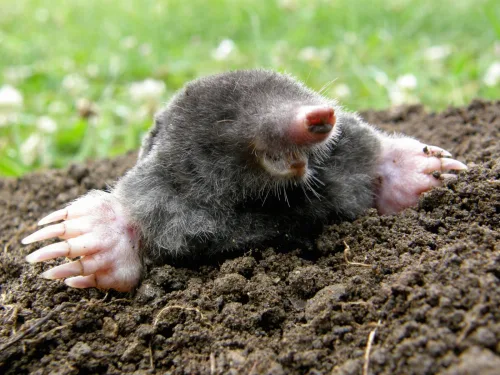
Fighting moles tempts you into a quick fix that can put you on the wrong side of the law
Fresh molehills can ruin a lawn, but the common mole is a protected species and lethal control can be illegal. Learn how to tell a mole from a vole and which lawful, effective methods actually encourage it to move on.

Why the Tree That Feeds a Family for Generations Is Disappearing from Czech Gardens
The English walnut used to be a staple of larger gardens and farmyards, valued for its nutritious nuts and many practical uses. With the right site and variety, it remains one of the most rewarding long-lived trees you can plant.
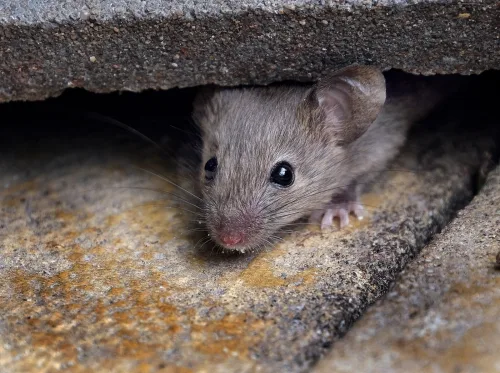
How to Get Rid of Mice and Rats in the House, Loft and Garden Effectively
Mice and rats don’t leave quietly—scratching sounds, droppings and gnaw marks are clear warnings. A lasting solution comes down to three steps: block entry points, remove food sources, then use traps or professional control.
Comments (0)
Be the first to comment.