
 English
  Polski
  Deutsch
  Nederlands
  Svenska
  Norsk
Norsk  Dansk
Dansk  Français
  Italiano
  Español
  Português
  Slovenčina
  Suomi
Suomi  Gaeilge
 How to grow snapdragons for abundant bloom from summer into autumn
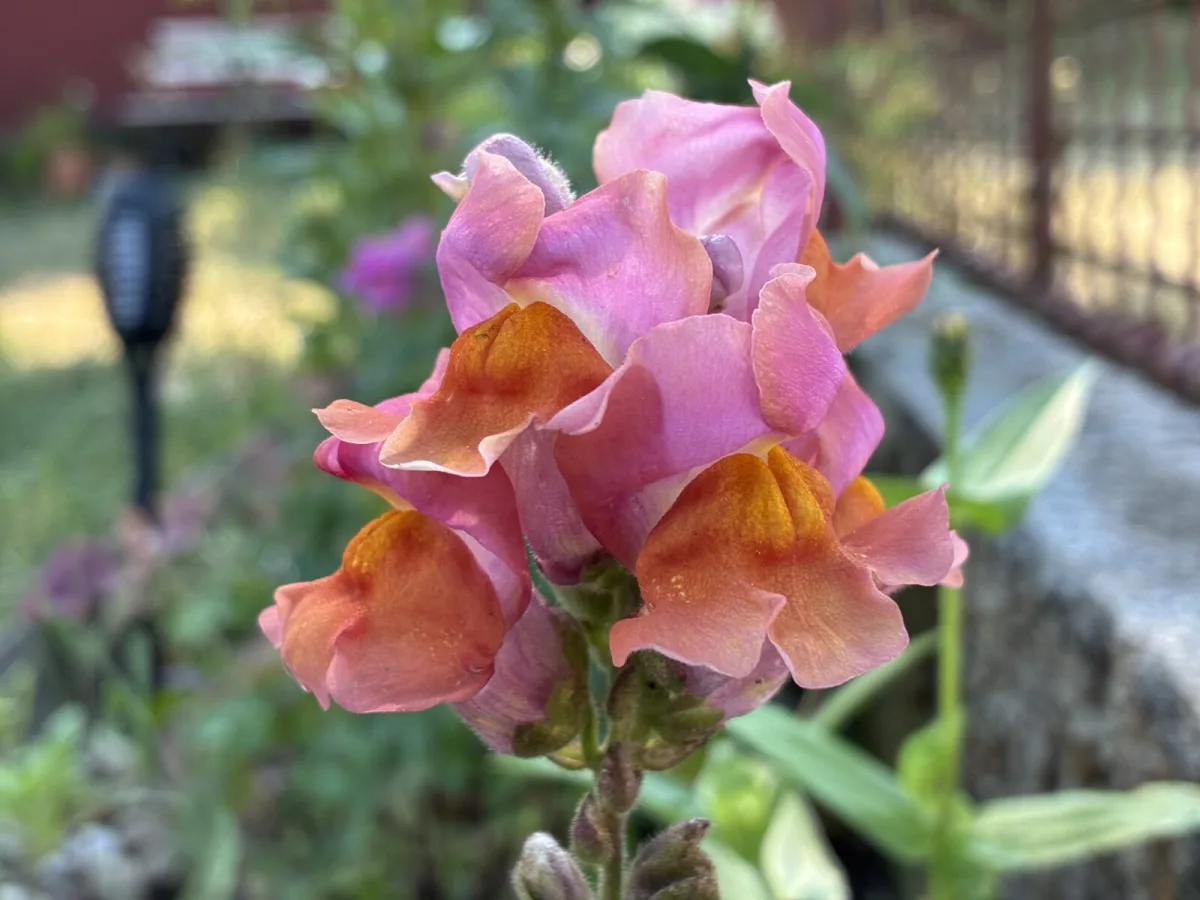
Snapdragon (Antirrhinum majus) is one of the most popular flowering plants, most often grown as an annual, even though it is originally a short-lived perennial. Its Czech and folk names come from the shape of the flowers, which resemble an animal’s little mouth. It makes the biggest impact when the weather is on the cooler side, because that’s when it sets the most buds and the colours are at their most intense.
The great advantage of snapdragons is their exceptional range. There are miniature varieties ideal for window boxes, mid-height types for mixed borders, and tall cultivars that can grow almost to human height and work beautifully as a vertical feature. Thanks to this, snapdragons suit edging, mass planting, containers, hanging baskets, and even narrow gaps by walls where other plants struggle.
The best spot for snapdragons
Light and temperature determine how long they flower
You’ll get the most flowers in full sun, but snapdragons will also cope with partial shade. Once hot weather arrives, the plant may reduce flowering or pause altogether. In that situation, moving it to light shade and watering more consistently helps. When temperatures drop again in late summer, plants often burst back into bloom and can decorate the garden right up to the first frosts.
Snapdragons prefer cooler nights and mild daytime temperatures. Well-established plants can tolerate a light frost, especially if the soil is protected with mulch. Normal ambient humidity is usually sufficient; there’s no need to create any special conditions.
Soil and feeding without unnecessary complications
Loamy, humus-rich, well-drained soil is ideal—moisture-retentive but never waterlogged. They do best at a pH of roughly 6.2 to 7.0, from slightly acidic to neutral. Snapdragons aren’t heavy feeders, but they benefit when you work compost or other organic matter into the bed to improve structure and overall vigour.
Watering and routine care through the season
How much water snapdragons need
After planting, it’s crucial to keep young plants evenly moist for a few weeks so they can root in well. Once established, they usually manage with about 2.5 cm of water per week during dry spells. In practice, that means regular watering, with a check that the compost or soil is not staying constantly wet.
Water at the roots, ideally right at the base of the plant. This reduces the risk of fungal diseases that spread when foliage is repeatedly wetted. Let the top layer of soil dry slightly before watering again—snapdragons dislike prolonged waterlogging.
Pinching and removing spent flowers
If you want a bushier, more compact plant, pinch out the growing tips on young plants. This encourages branching and produces more flowering stems. Just as important is regular deadheading. The plant then doesn’t waste energy on seed production and continues forming new buds, often well into the cooler autumn period.
When to plant and why seedlings are so often used
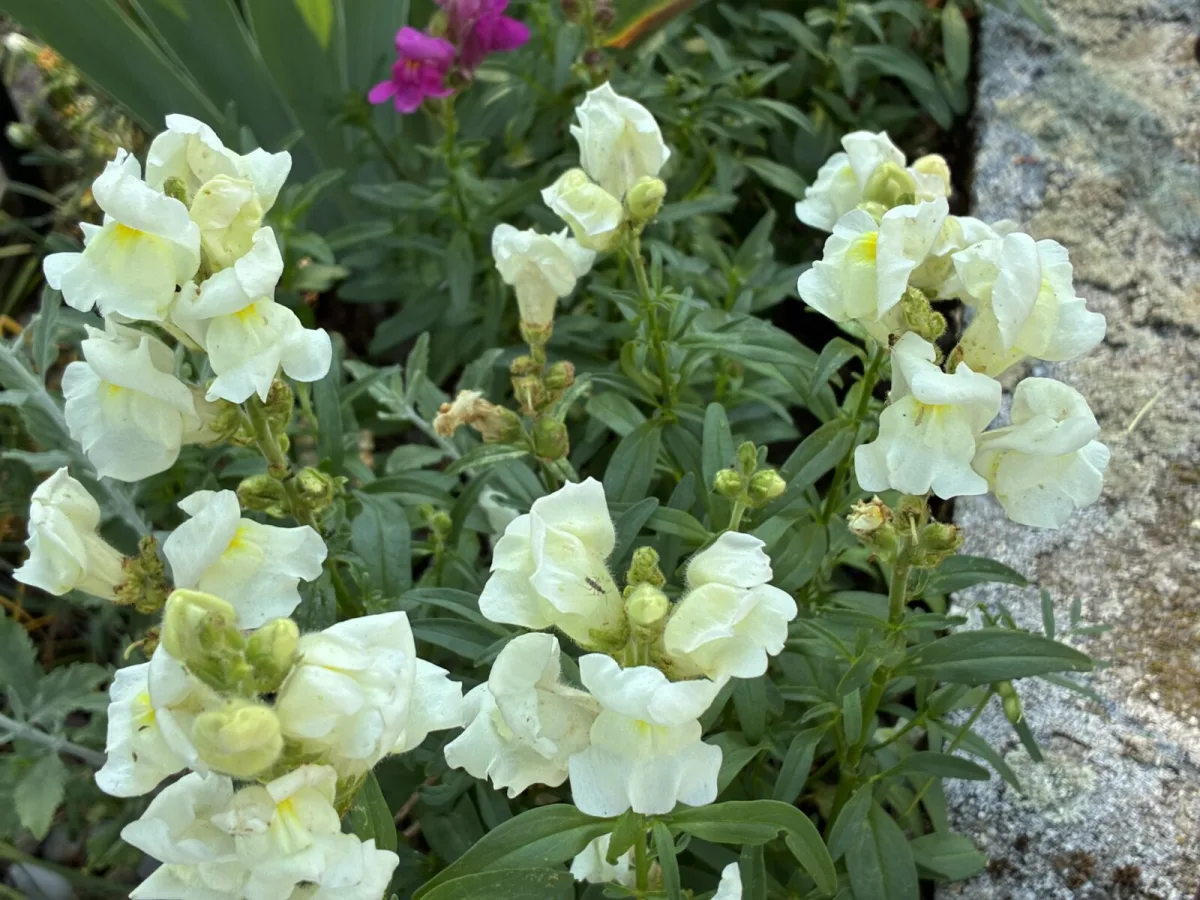
Snapdragons grow relatively slowly from seed, so in practice they’re often planted out as ready-grown young plants from a garden centre. You can set them outside once the risk of hard frost has passed. If you want to raise your own, bear in mind it takes roughly two to three months from germination to flowering, so it pays to sow in good time.
They look especially striking in larger groups, along the front of borders, and in containers on a terrace. If you’re looking for a plant with an unusual flower shape that also tolerates the occasional cold snap, snapdragons are a very reliable choice.
Varieties and growth habits for different uses
Mixed colour packs are common, but you can often find specific shades too. Cultivars change over time, yet some groups remain long-standing favourites. Taller, sturdier types are ideal for borders and for cutting, while compact cultivars are perfect for edging and window boxes. An interesting category is trailing snapdragons, which suit hanging containers where their stems naturally spill over the rim.
Propagating from cuttings to keep a favourite plant
Because young plants are widely available and reasonably priced, many gardeners don’t bother with propagation. If you want to preserve a particular plant, though, snapdragons can be propagated from stem cuttings. Take a short, healthy piece of stem just below a leaf node, remove the lower leaves, and treat the cut end with rooting hormone. Insert the cutting into seed compost or a light potting mix and maintain higher humidity, for example by covering it. Once it has rooted, grow it in a bright spot and transplant outside after the danger of frost has passed.
Growing snapdragons from seed step by step
In milder conditions they’re sometimes sown outdoors, or the seed is sown a few weeks before the last frosts. Most commonly, though, they’re started indoors about 6 to 12 weeks before the expected end of winter. Use a standard seed-starting mix and press the seed lightly onto the surface, as it needs light to germinate. Bright light is essential—ideally a long day with supplemental lighting.
When seedlings have produced several true leaves, it’s a good idea to pinch out the top to encourage branching. Harden off gradually and plant out shortly before the last frost date or just after it. Snapdragons can handle a light frost, but it’s still safer to protect newly planted seedlings if a sudden cold spell hits.
Overwintering and self-seeding
Snapdragons are often grown as annuals because even if they survive winter, they typically don’t flower as strongly in the second year as they do in the first season. However, plants often have time to form seed pods, so in favourable conditions they may self-seed in the bed and new seedlings can appear the following year.
Pests and diseases that may show up
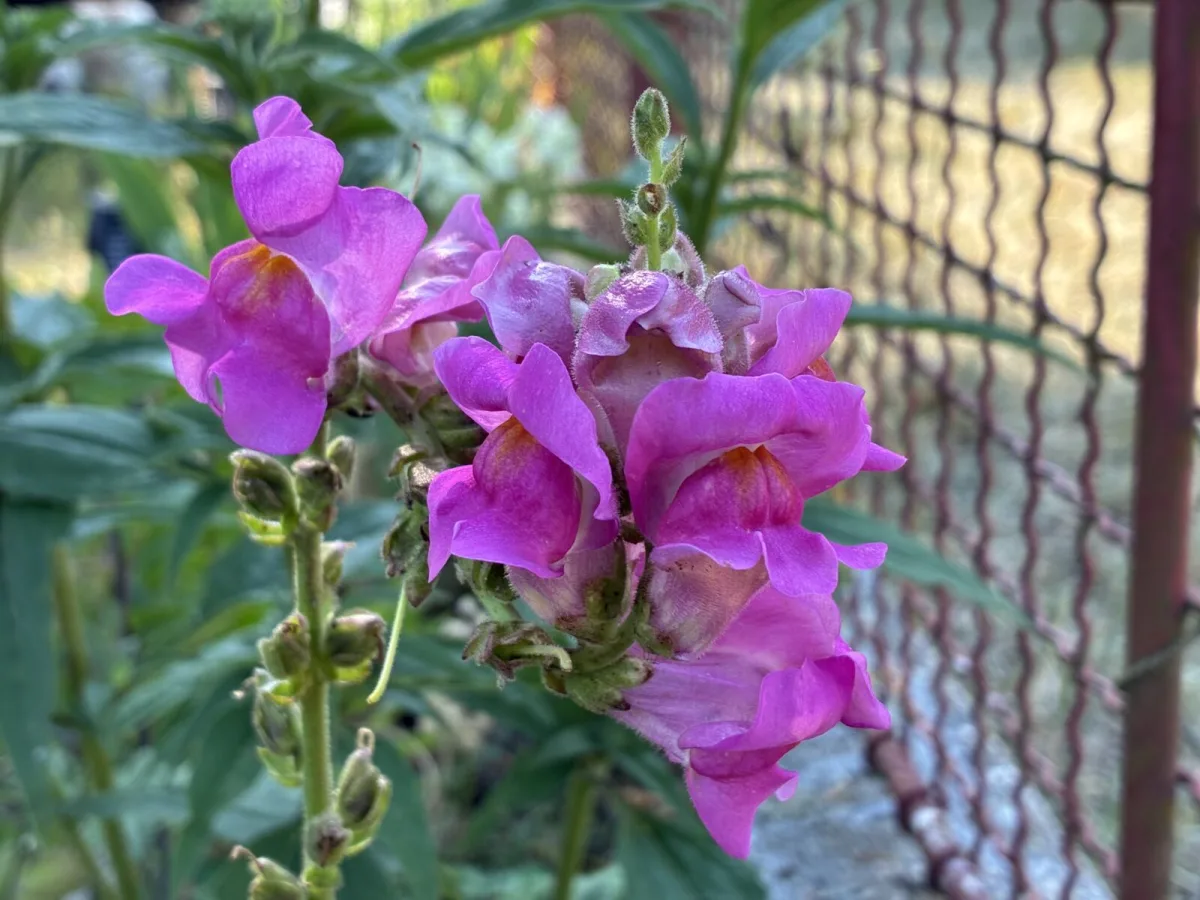
The most notable health issue is snapdragon rust, which first appears as small yellow spots on the leaves; later they darken and may develop a brown to black centre. Prevention helps most: allow adequate spacing for airflow and avoid watering late in the day so leaves don’t stay wet for long.
Snapdragons can also suffer from mildews, leaf spots, wilting, or root rots, all of which worsen in waterlogged soil. The most common insect pests are aphids and spider mites, sometimes also whiteflies, leaf-miner larvae, or caterpillars chewing the leaves. With light infestations, a strong spray of water and improved growing conditions can help; with heavier infestations, use suitable controls such as horticultural oils or gentle soap or neem sprays.
How to keep them flowering all season
The key is the right amount of light and even watering. In spring and autumn, snapdragons can sit in full sun; in the height of summer they often appreciate light shade. Regular deadheading extends the flowering period and keeps the plant productive. If they wilt in heat and the flowers taper off, cutting them back and moving them to a slightly cooler spot helps them break into fresh growth more quickly.
Interesting fact: snapdragons are often pollinated mainly by larger bumblebees, because smaller bees can struggle to pry the flowers open.
Most common problems and simple fixes
Wilting leaves and fewer flowers in hot weather
Excessive heat and harsh sun can stress plants, reduce flowering, and cause leaves to droop. A cooler position, regular watering at the roots, and shortening the stems will encourage fresh new shoots.
Leaf spots and suspected rust
If yellow to brown speckling appears, act quickly. Improve airflow, remove heavily affected leaves, and avoid watering over the foliage. Next season, it’s sensible to grow snapdragons in a different spot to reduce the chance of the problem returning.
Tall varieties flopping
In shade, tall cultivars can stretch, producing longer, weaker stems that topple easily. In that case, a simple support is enough to keep plants upright and prevent breakage in wind or rain.
Source: The Spruce, Almanac , Pestrazahrada.cz
Related articles
Next year you can harvest better if you don’t sow carrots where they won’t thrive
Carrot root fly can ruin carrots, parsley and celery from the inside out, often without obvious warning until harvest. Better site choice, rotation, later sowing and simple physical barriers can dramatically cut damage next season.
How to Propagate Roses from Cuttings at Home and Fill Your Garden with Blooms Almost for Free
Want more roses without paying for new plants? With a few healthy cuttings and a simple plastic-bottle mini greenhouse, you can root new bushes at home in just a few weeks.
Heathers can cope where other plants won’t, but one soil detail decides everything
Heathers and heaths are tough evergreen shrubs that can flower across the seasons when you choose the right types. Success hinges on matching the plant to your soil pH and ensuring free drainage.
Comments (0)
Be the first to comment.