
 English
  Polski
  Deutsch
  Nederlands
  Svenska
  Norsk
Norsk  Dansk
Dansk  Français
  Italiano
  Español
  Português
  Slovenčina
  Suomi
Suomi  Gaeilge
 Five Methods That Work Against Voles Avoid This Mistake
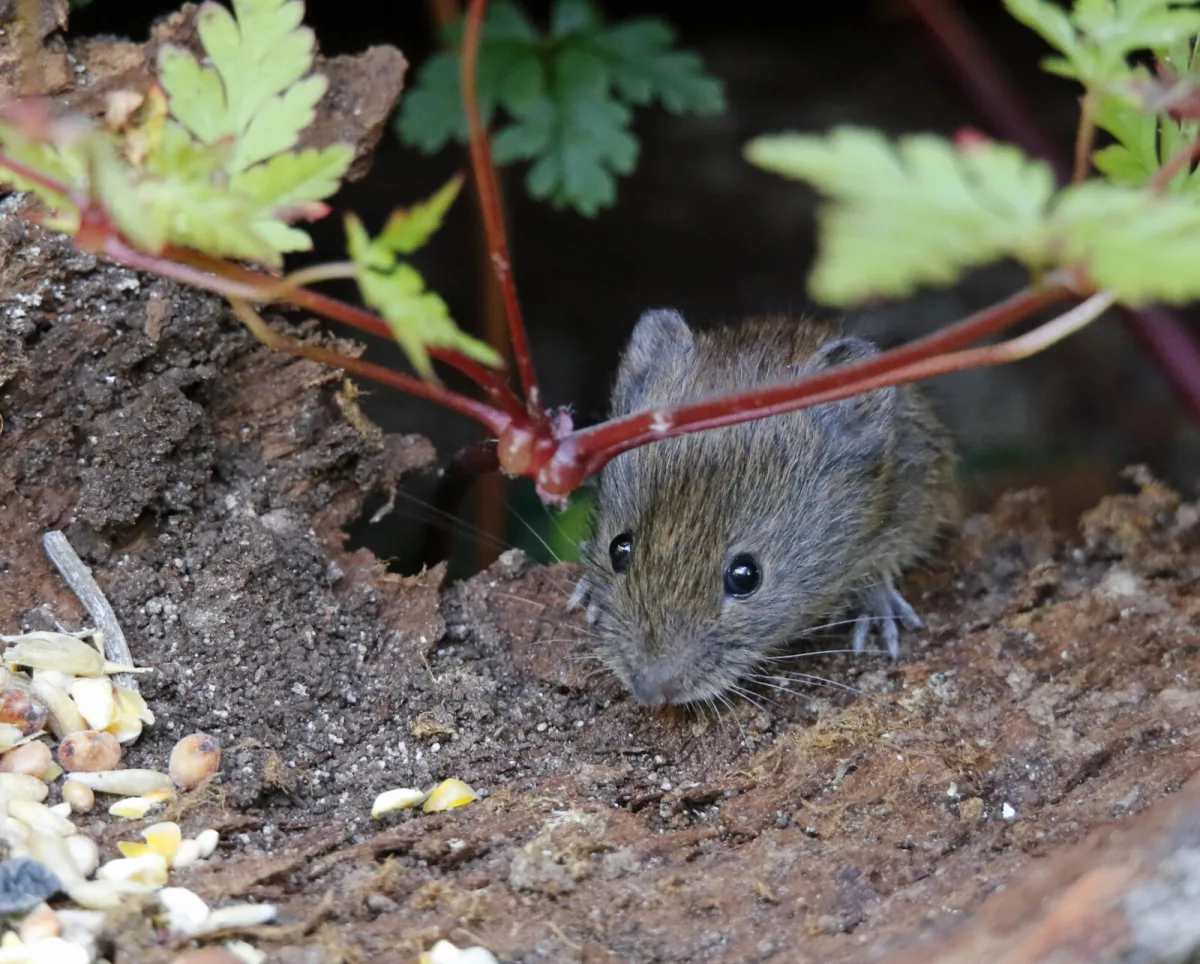
Pests can quickly take the joy out of gardening, and voles are among those that can cause major losses in a short time. It’s not just minor nibbling: in high numbers they can damage lawns, beds, orchards, and young trees. The problem is that some of the damage happens out of sight underground, so gardeners often notice trouble only when plants suddenly wilt or die. Success depends on the size of the plot, the method you choose, the season, and the weather. The best results come from combining several approaches and keeping up with regular prevention.
Five ways to reduce voles effectively and gently
Physical barriers as the first line of defence
Most vole species aren’t good climbers, so it pays to block access to plants mechanically. For young trees, trunk guards made of metal, mesh, or rigid plastic help. The key is to sink the bottom edge about 15 centimetres below the soil surface so the vole can’t burrow underneath. At the same time, the trunk needs enough room so the guard doesn’t constrict it, and it’s worth checking that a vole hasn’t sheltered right inside.
In vegetable beds or sensitive areas of the garden, you can use a low wire fence with a fine mesh, ideally up to 6 millimetres. The fence should extend at least 30 centimetres above ground, and the bottom edge should be buried roughly 15 to 25 centimetres deep to prevent burrowing.
Gravel can also serve as a barrier. Voles dislike tunnelling through layers of small stones, so it’s worth mixing coarser gravel into beds or creating a band of aggregate around them. When planting bulbs, gravel right in the planting hole can reduce the chance the pest can reach them easily.
Choosing plants that voles don’t like the smell of
Voles feed on a wide range of plants, but they usually leave some species alone. In higher-risk spots, it therefore helps to plant, for example, crown imperial, daffodils, grape hyacinths, hellebores, irises, salvias, or snowdrops. It’s not absolute protection, but combined with other measures it can noticeably reduce vole pressure.
Plants in the allium family can also have a repellent effect. Ornamental alliums in borders and edible types such as garlic, onions, or chives in the kitchen garden can act as a natural brake, because their aroma often discourages voles from settling in for long.
Supporting natural predators
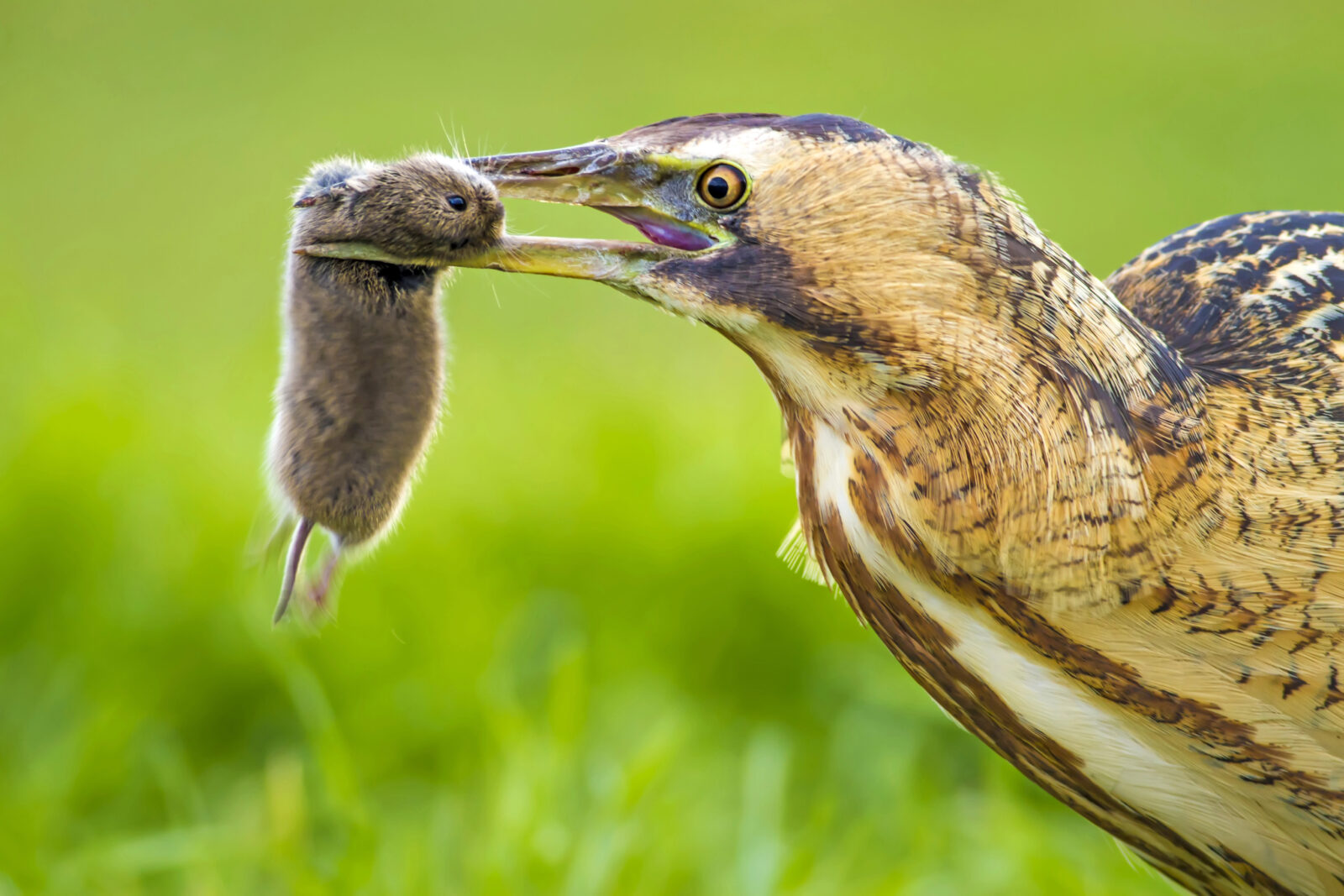
A garden that offers conditions for voles’ natural enemies tends to be more stable and less prone to pest outbreaks. It helps when owls, birds of prey, foxes, or even beneficial snakes can operate nearby. The goal isn’t to lure predators at any cost, but to create an environment where they have a chance to appear from time to time and reduce vole numbers through hunting.
Repellents to make the area less comfortable
Repellents work by making food or the space itself unpleasant for voles, so they prefer to move elsewhere. They’re usually liquid or granular and often contain ingredients such as castor oil, citronella, mint, cedar, thyme, garlic, or hot components. Application makes the most sense where there’s fresh activity, and you should always follow the manufacturer’s recommendations.
A similar approach can be used with a homemade mix made from garlic, onion, crushed mint, cayenne pepper, or chilli. The mixture is usually diluted with water, or water with a little soap, and applied as a spray. After rain, treatment must be repeated, otherwise the effect fades quickly.
Humane trapping when the hotspot is small
If the problem is limited to a smaller part of the property, live-capture traps can be used. Better results come from using more traps rather than just one or two, because voles travel along a network of runways and may not happen to encounter a single baited trap. Place traps along runways and at burrow entrances, and use a bait such as peanut butter. Checks should be daily. Any relocation of captured animals should be handled in line with local rules and practical possibilities, so you don’t end up breaking regulations.
When it makes sense to call in a professional
If you need a fast intervention, you’re dealing with a large area, or the garden is heavily affected, it’s often effective to contact a professional service. After the population is reduced and protective measures are in place, you can usually manage ongoing maintenance and prevention yourself.
What to avoid when controlling them
Poisons and baits with toxic substances
Chemical poisons and poisoned baits pose a risk not only to voles, but also to pets and beneficial wildlife. Secondary poisoning is especially dangerous, when raptors or owls eat a poisoned animal. This approach can harm the wider environment and, over time, worsen the natural balance on your property.
Low-effect methods
Methods such as smoking out burrows, flooding tunnels, or various electromagnetic or ultrasonic devices are also often considered problematic. In practice they frequently don’t deliver a lasting result, or they work only briefly and the voles simply find another route.
Safety measures when working in affected areas
Voles usually avoid people, but they can still carry certain diseases. Risk comes from contact with urine and droppings, and from parasites such as ticks that may be present in the area. When working where vole activity is ongoing, it’s sensible to wear closed footwear and rubber gloves, and to follow basic hygiene after doing ground work.
How to spot damage, repair it, and prevent a return
Typical signs of vole presence
Voles create an extensive network of shallow underground tunnels, typically about 5 centimetres wide. The most visible signs are burrow entrances and well-worn runways connecting individual openings. These runways may be partly hidden in grass or under groundcover plants.
Damage happens above ground and below. While digging they chew roots and bulbs; above the surface they target stems and leaves. In lawns, dry streaks and bare patches appear where their routes run and where they feed on blades of grass. Other signals include small droppings, fresh runways with cut or flattened grass, and plants that suddenly wilt for no obvious reason.
On trees and shrubs, look for gnawing at the base of the trunk and possible root damage. Severe disruption to the root system can show up as dieback in the canopy or leaning. They remain active in winter too, when under snow they feed on roots, bulbs, and bark, so the true extent of damage often becomes clear only after a thaw.
How to repair the damage
Damage is often most noticeable in spring, when voles are very active. Many plants can recover if the population is brought down. It helps to break up runways and burrows with a spade or cultivator so the area becomes less attractive to newcomers. In lawns, rake out dead material and overseed bare spots so the surface fills in quickly.
Prevention that makes the most sense
Effective prevention is based on not offering voles enough cover. These rodents feel safe in dense vegetation because it protects them from predators, and they prefer not to travel across open ground.
It pays to keep things tidy, mow regularly, reduce weeds, rake up leaves, and thin shrubs to let in light and air. Around beds, clean strips without clutter and plant debris help, because voles have fewer places to hide.
For young trees, it’s best to keep the area around the trunk more open and not overdo dense mulch, which provides shelter. Often, a roughly four-foot, about 120-centimetre circle with less cover is enough, because voles don’t like feeding in the open for long. In fruit trees, it’s important to pick up fallen fruit so it doesn’t attract pests.
Cleanliness also pays off under bird feeders. Spilled seed attracts not only voles but other unwanted visitors, so it’s wise to tidy the area regularly.
Voles in brief and clearly
What a vole is and what it looks like
Voles are small rodents often confused with mice. They’re related to animals such as hamsters and lemmings and tend to have a stockier body, rounder ears, and dense fur in shades of brown, grey to black. Adults may measure roughly 13 to 20 centimetres including the tail. They can breed throughout the year, most strongly in spring and summer, and rapid reproduction is why a small presence can quickly turn into a serious problem. Their lives are short, often only a few months to around a year.
Where they’re most commonly found
They prefer open grassy areas and field edges, but they readily move into gardens, especially in suburban areas and properties bordering natural land. They generally don’t enter houses. Below the surface they build shallow tunnels where they feed and nest, but they also spend some of their time above ground. They can be active year-round.
What voles eat
They are mainly herbivores that prefer grass blades and leaves. However, they readily gnaw roots, bulbs, and tubers. In autumn and winter, when there’s less green food available, they focus more on the bark and roots of trees and shrubs. Occasionally they may also take other foods such as vegetables, fruit, seeds, or nuts.
Vole versus mole
People confuse these two pests because of tunnels and the similar-sounding names, but their signs differ. A mole makes deeper tunnels and the characteristic molehills, while voles usually don’t leave molehills behind. Moles feed on earthworms and insects and have strongly adapted digging front feet, an elongated snout, and tiny eyes. Voles, by contrast, look more like mice and primarily target plants.
Vole versus mouse
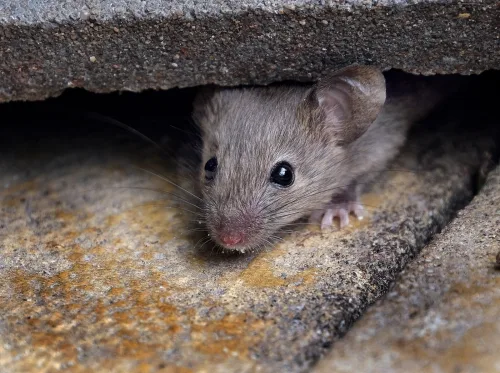
Mice tend to have larger eyes and ears and a more pointed snout. A vole looks more compact and stocky, while a mouse is slimmer. The tail is also different: a mouse usually has a tail nearly as long as its body, whereas a vole’s tail is shorter.
Source:Garden Design, The Spruce , Pestrazahrada.cz
Related articles
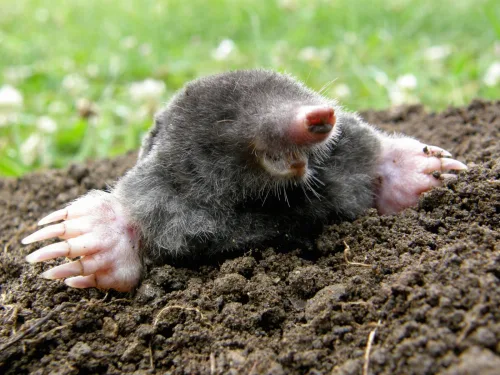
Fighting moles tempts you into a quick fix that can put you on the wrong side of the law
Fresh molehills can ruin a lawn, but the common mole is a protected species and lethal control can be illegal. Learn how to tell a mole from a vole and which lawful, effective methods actually encourage it to move on.
Why the Tree That Feeds a Family for Generations Is Disappearing from Czech Gardens
The English walnut used to be a staple of larger gardens and farmyards, valued for its nutritious nuts and many practical uses. With the right site and variety, it remains one of the most rewarding long-lived trees you can plant.
How to Get Rid of Mice and Rats in the House, Loft and Garden Effectively
Mice and rats don’t leave quietly—scratching sounds, droppings and gnaw marks are clear warnings. A lasting solution comes down to three steps: block entry points, remove food sources, then use traps or professional control.
Comments (0)
Be the first to comment.