
 English
  Polski
  Deutsch
  Nederlands
  Svenska
  Norsk
Norsk  Dansk
Dansk  Français
  Italiano
  Español
  Português
  Slovenčina
  Suomi
Suomi  Gaeilge
 Proper Care for Sweet Peppers for Heavy Cropping and Steady Growth
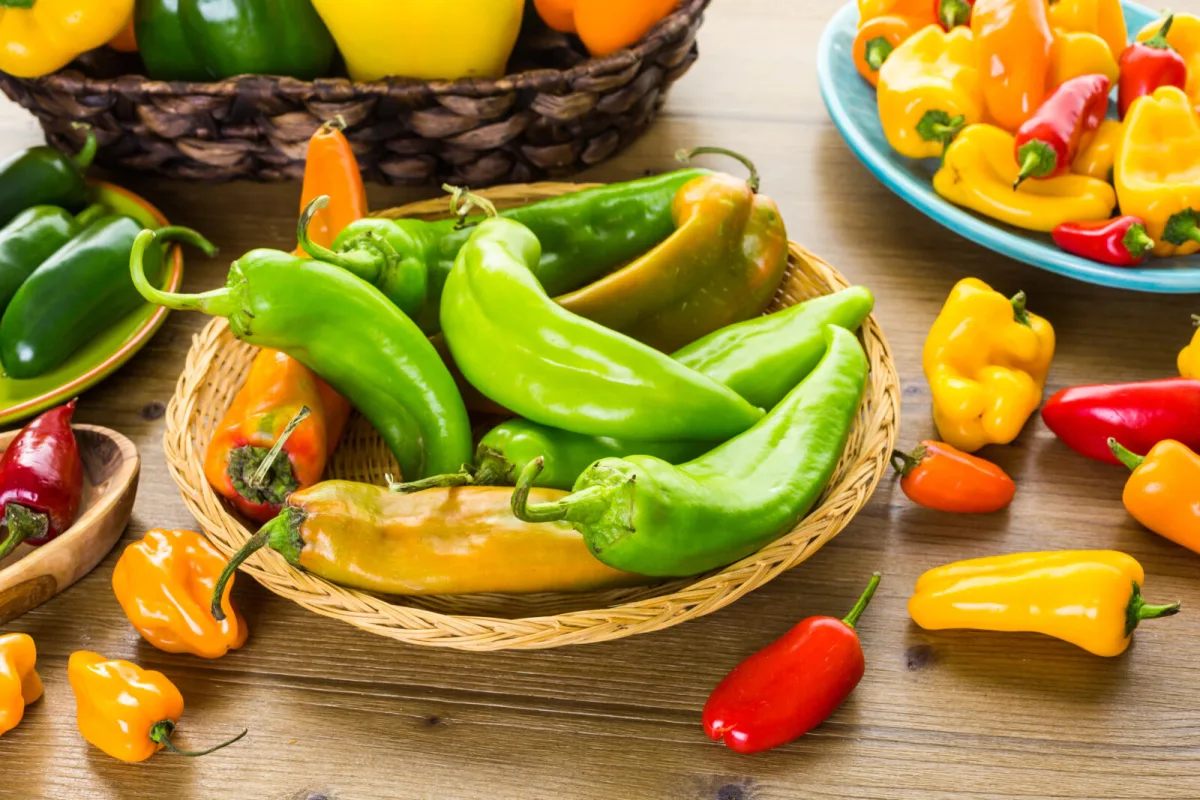
Non-hot peppers are among the most rewarding crops, because a single bed can offer a wide range of colours and flavours. Most commonly grown are green, red, yellow and orange types, but there are also white, purple and brown cultivars. Some plants can even change fruit colour gradually as they ripen. Pepper forms a compact, bushy plant with larger leaves, white flowers and fruits set on several branches. The shape may be more blocky with pronounced shoulders, or rounder and tapered towards the bottom; sizes range from miniature to truly hefty fruits.
Like tomatoes, they belong to the nightshade family, yet in practice they can be a little more tolerant of conditions. At the same time, they are prone to a range of diseases that can spread quickly through a bed if prevention is poor. It’s also important to know that nightshade leaves are not meant for eating and can be toxic to people; only the fruits are consumed.
When and how to plant peppers so they have time to ripen
From planting to harvest is not a matter of a few weeks. It typically takes around 75 days for the fruit to reach the green stage, and another two to three weeks to fully colour up to red, yellow or another final shade depending on the variety. That’s why it pays to start plants from seed about 10 to 12 weeks before the last frosts, or to buy ready-grown transplants for planting out.
Temperature as the key switch for growth
Peppers need warmth even to germinate. Seeds start best at about 24 °C, and mature plants only really get going once daytime temperatures are consistently around 24 °C or higher. In most areas, that means planting outdoors in late April or May, depending on local conditions.
Site, soil and spacing
For good flower set, peppers need 6 to 8 hours of direct sun per day. Choose a bed with well-worked loam that is fertile and, above all, free-draining. Don’t plant them where other nightshade crops grew last year, and if you also grow tomatoes, potatoes or aubergines, it helps to keep some distance between them. It’s often recommended to include an intercrop between beds, such as beans, which can also improve soil condition.
Plant seedlings about 45 cm apart, leaving roughly 75 to 90 cm between rows. The hole should be deep enough that the top of the root ball sits at the same height as it did in the pot. You can remove the seed leaves if you like, but don’t expose the stem unnecessarily. Support usually isn’t essential, but a plant loaded with heavy fruits will appreciate a sturdy cane to prevent branches snapping.
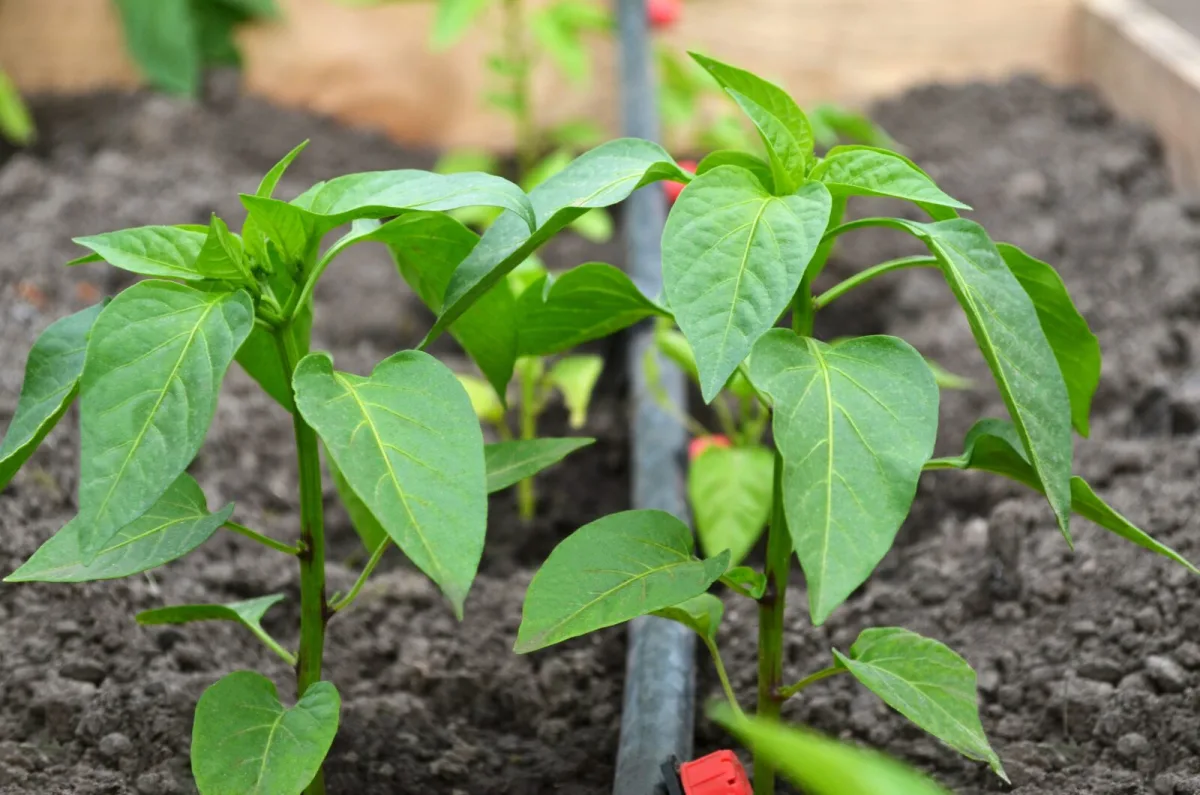
Care through the season so plants keep moving and stay healthy
With routine care, peppers are fairly easy to grow; you just need to think about disease prevention. Fungal, bacterial and viral infections can all be an issue, and they can persist in the soil for a long time and are hard to eradicate. The core strategy is crop rotation, clearing away plant debris after the season, and steadily improving the soil with compost and suitable cover crops.
Light and soil pH
They require full sun and shouldn’t be shaded by taller crops such as sweetcorn. They do best in soil with a near-neutral pH of about 6.5 to 7, where nutrient uptake works well and the root system develops without stress.
Watering without extremes
Allow roughly 2.5 to 5 cm of water per week depending on the weather and soil type. Drip irrigation or a soaker hose is best, as it delivers water down to the roots. Overhead watering increases disease risk, as does irregular soaking or, conversely, prolonged drying out. Water in the morning so foliage can dry by evening.
Temperature, humidity and flower drop
Ideal daytime temperatures are around 21 to 27 °C, with nights at 16 to 21 °C. In heat around 32 °C or when temperatures fall below 16 °C, flowers can be damaged and drop, and fruits may be smaller or misshapen. Air humidity of roughly 50 to 70 percent is usually sufficient; higher humidity can, in some cultivars, encourage colour development.
Feeding for flowers and fruit
Peppers are among the more nutrient-demanding crops. At planting, a fertiliser with a higher proportion of phosphorus is useful, for example a 5-10-10, with another dose when flowers begin to appear. Once fruits are setting, a balanced fertiliser such as 10-10-10 can help. Avoid high nitrogen early in the season, as it mainly boosts leafy growth and the plant will flower less.
Pollination without fuss
The flowers are self-fertile, so usually a single plant is enough and you don’t need pollinators. If you grow several varieties side by side, cross-pollination can happen, but it won’t affect the fruits in the current season. It only shows up in saved seed, because the next generation may not come true to the original variety.
Harvesting by colour and the date of the first frost
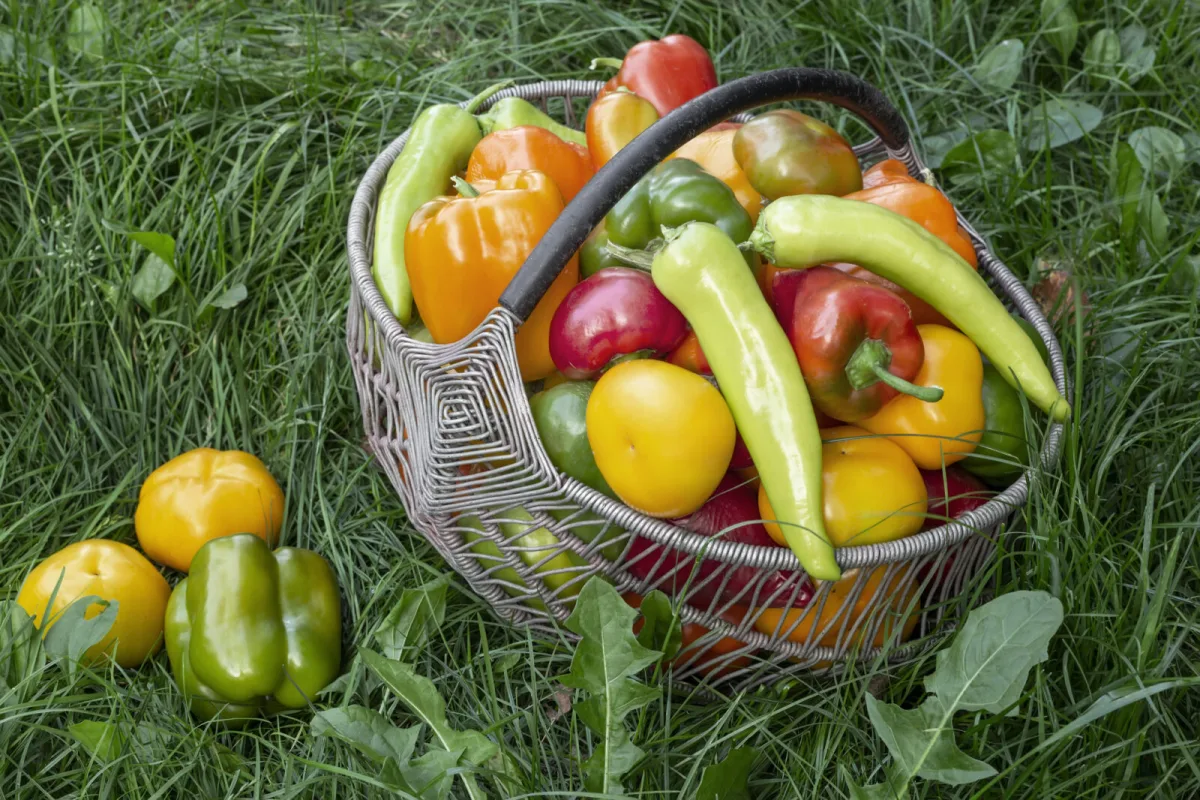
Choosing the right harvest moment mainly depends on the colour you want and on when the first frost threatens in your region. The stated days to maturity usually refer to the green stage. If you want fully coloured fruits with a fuller flavour, add another two to three weeks. Harvest peppers when the colour is even and the fruit feels firm and heavier than you’d expect for its size.
It’s best to use sharp, clean scissors or secateurs and leave about 2 to 3 cm of stem on the fruit. In the fridge they keep for roughly one to two weeks. For longer storage, wash them, remove the seeds, chop and freeze; they will keep for about eight to ten months in the freezer. Fruits showing a hint of colour will continue to ripen after picking, but the flavour won’t be as rich, and if stored for a long time out of the cold they can lose moisture and wrinkle.
Growing peppers in a pot on a balcony or patio
Thanks to their compact habit, peppers also suit containers. Choose a pot at least 30 cm across with plenty of drainage holes; plastic or ceramic both work. Use a quality potting compost rich in organic matter—garden soil isn’t suitable for containers. Plant the seedling into a hole sized to the roots, firm the compost gently so the plant settles, but don’t ram it down.
In containers, nutrients are used up more quickly, so more frequent feeding is usually needed. The schedule can mirror bed growing: a 5-10-10 at planting and at the start of flowering, then a balanced 10-10-10 as fruits form. Watering is also more frequent in pots because the compost dries faster, especially in hot weather.
Pruning and simple shaping
Pruning isn’t necessary, but it can sometimes help to remove branches that repeatedly fail to form buds or fruit. The plant then directs energy into the peppers that are setting. Always use sharp, clean scissors and cut the branch as close to the base as possible without tearing the tissues.
Raising plants from seed for a wider choice of varieties
You’ll get the widest choice by sowing purchased seed. Fresh seed germinates best, because pepper seed usually doesn’t retain high viability for very long. Plan sowing 10 to 12 weeks before the date you intend to plant outdoors. You’ll need a seed tray or small pots with drainage, and seed compost—avoid using garden soil.
Moisten the compost with warm water, fill the cells and make a shallow depression in the centre. Place one seed in each and lightly cover. A lid or a plastic bag helps retain moisture until seedlings emerge. Germination is faster at a steady 24 to 27 °C, and bottom heat is beneficial. Keep moisture even but don’t overwater; young seedlings are prone to damping off. As soon as shoots appear, remove the cover.
Pricking out makes sense once the seedlings have several true leaves and a sturdier stem. Pot on into 8 to 10 cm pots and use a higher-quality compost or add some feed. Before planting out, harden them off gradually—starting with a few hours a day—and only plant outside once night temperatures are reliably staying above 16 °C.
The most common pests and diseases and how to prevent them
Well-growing peppers can usually cope with light pest pressure, but aphids, thrips, flea beetles, pepper weevils or hawk-moth caterpillars can still appear. The weevil is dangerous because it lays eggs inside the fruit; the larvae then eat the interior and the pepper rots. Caterpillars can strip leaves quickly, while flea beetles can seriously damage young seedlings.
Diseases are often an even bigger threat. Peppers are sensitive to fungal infections, as well as bacterial wilts and leaf spots. Viral diseases that can show up in peppers include cucumber mosaic and spotted wilt viruses. That’s why it’s essential not to neglect bed hygiene, crop rotation and the right watering routine—once an infection spreads, it can wipe out a substantial part of the crop.
Source: The Spruce, Rhs , Pestrazahrada.cz
Related articles
The Christmas Amaryllis That Can Bloom for Years but Most People Throw It Away After Flowering
Hippeastrum is a spectacular winter-blooming bulb that, with the right care, will flower again year after year. Learn how to plant it correctly, look after it after flowering, and bring it into dormancy so it reliably reblooms.
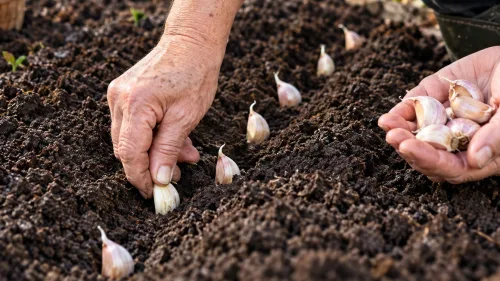
How to Grow Winter Garlic for a Much Bigger Harvest
Autumn planting is the key to strong, healthy winter garlic, but the details make all the difference. With the right timing, bed choice, seed-clove treatment and a simple bicarbonate trick, you can noticeably boost yield.
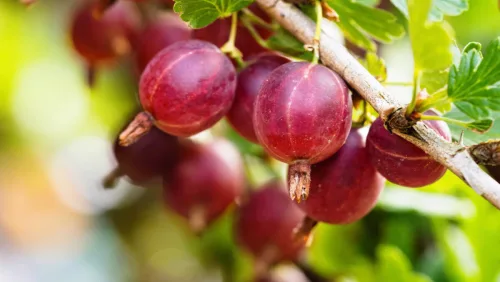
A tree or shrub planted properly in autumn can outpace spring stock and improve fruiting
Many fruit trees and soft-fruit shrubs establish better when planted in autumn, because roots keep growing while the top is dormant. Done well, this head start means stronger spring growth, less watering, and a healthier first year.
Comments (0)
Be the first to comment.