
 English
  Polski
  Deutsch
  Nederlands
  Svenska
  Norsk
Norsk  Dansk
Dansk  Français
  Italiano
  Español
  Português
  Slovenčina
  Suomi
Suomi  Gaeilge
 A Tomato Feeding Mistake That Fattens Leaves Instead of Fruit
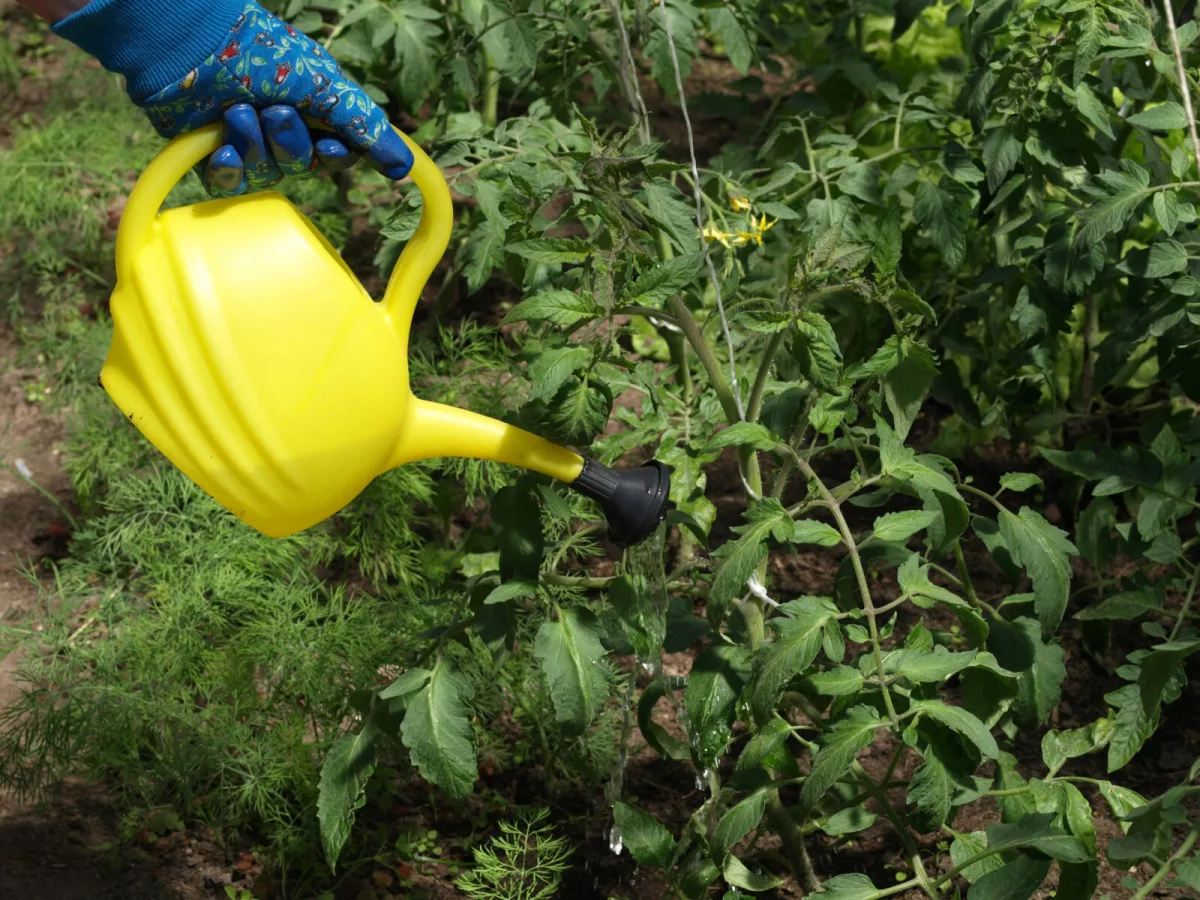
Most people don’t grow tomatoes for ornamental foliage, but for sweet, sun-ripened fruit. Still, it happens that plants look fantastic at first glance, with sturdy stems, lots of dark green leaves, and an overall healthy appearance—yet there are few flowers, and fruits either don’t form at all or only in minimal numbers. This is usually not a coincidence, but a response to growing conditions, nutrition, weather, or pest pressure. Below are the most common reasons tomatoes pour energy into leafy growth instead of flowering and setting fruit, along with practical steps to improve the situation.
Poor pollination: flowers are there, but they aren’t doing their job
Tomato flowers can self-pollinate as soon as they open, but for reliable fruit set they often need a little help from their surroundings. Air movement, bumblebees and honeybees, and sometimes a gentle shake of the plant can make a big difference. Pollination needs to happen within a short window of a few days; otherwise the flower dries up and drops. Problems arise during weather extremes—when it’s too hot or, conversely, too cold—or during prolonged humidity or drought. Under those conditions, pollen releases poorly and doesn’t reach where it needs to go.
It helps to choose a spot where tomatoes get light dappled shade during the fiercest midday heat, while not being exposed to harsh gusts of wind. If there are few pollinators in the area, it pays to grow nearby plants that attract them. When the first flowers appear, you can occasionally give the stem or support a very gentle shake so pollen moves more easily within the bloom.
The variety isn’t suited to your climate
Tomatoes are more temperature-sensitive than they seem. They flower and set best when daytime temperatures stay within a comfortable range without long-lasting swings. If your summers are repeatedly too cool, plants slow down, flower less, and ripening drags on. During heat waves, flowering can stall altogether and the plant focuses on survival rather than fruiting.
If weak fruit set happens year after year, it’s sensible to choose a different type. For areas with a shorter season, early and more resilient varieties are best—they can set fruit even in cooler summers. In warmer regions, choose varieties that handle heat while holding their blossoms. Often, simply switching from late, large-fruited types to more reliable earlier varieties is enough.
Not enough potassium: flowers won’t hold and fruit won’t set
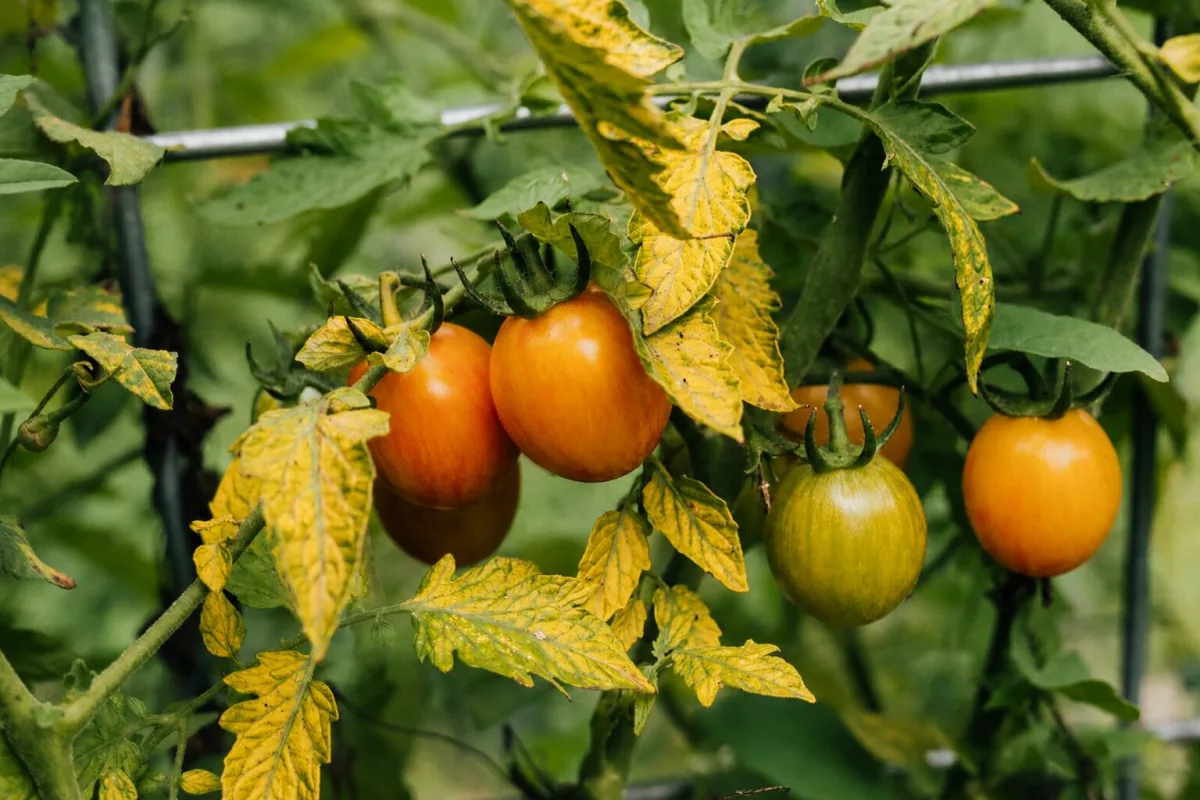
Tomatoes are among the more nutrient-demanding crops. For flowering and fruit formation, potassium is crucial—it helps regulate water balance and keeps the plant robust enough to form and hold blossoms. Potassium uptake becomes important roughly two weeks before flowers even appear, so it pays to think ahead.
The most reliable route is a soil test, because without one, fertilising is mostly guesswork. Based on the results, top up nutrients with a slow-release fertiliser at the recommended rate. Overfeeding can be just as harmful as deficiency, throwing the plant off balance and leading to further issues.
Too much nitrogen: tomatoes fatten leaves instead of flowers
Nitrogen drives fast leafy growth, which is great for lawns—but it can be a trap with tomatoes. When nitrogen is too high, the plant produces dense, dark green foliage and vigorous shoots, while flowering takes a back seat. You may see few flowers, or flowers dropping, ripening delayed, and a harvest far smaller than the size of the plant would suggest.
The fix is not to keep adding nitrogen-rich feeds just because the tomato is growing quickly. Rely on a soil test and use a balanced fertiliser that doesn’t push the plant into a purely leafy phase. With feeding, a simple rule applies: a higher dose doesn’t mean a better crop.
Too little sun: fewer flowers and weak fruit set
Tomatoes need plenty of direct light—ideally at least six to eight hours a day. In partial shade they stretch, have longer internodes, flower less, and the number of fruits gradually drops as well. Sometimes the cause is surprising, such as shade from a fence, tree, or building that shifts over summer and starts hitting the bed right at flowering time.
With container growing, the advantage is that you can move plants. It’s worth watching how sun patterns change through the season and choosing a brighter spot in time, so plants don’t run short of energy for forming flowers and fruit.
Incorrect watering stresses the plant and flowers disappear
Tomatoes hate prolonged drought, and they’re also damaged by waterlogged soil. When moisture swings up and down, the plant responds with stress: it may wilt, slow growth, and reduce flowering. For consistent fruit set, it needs a steady regime where the soil stays evenly moist but never soggy.
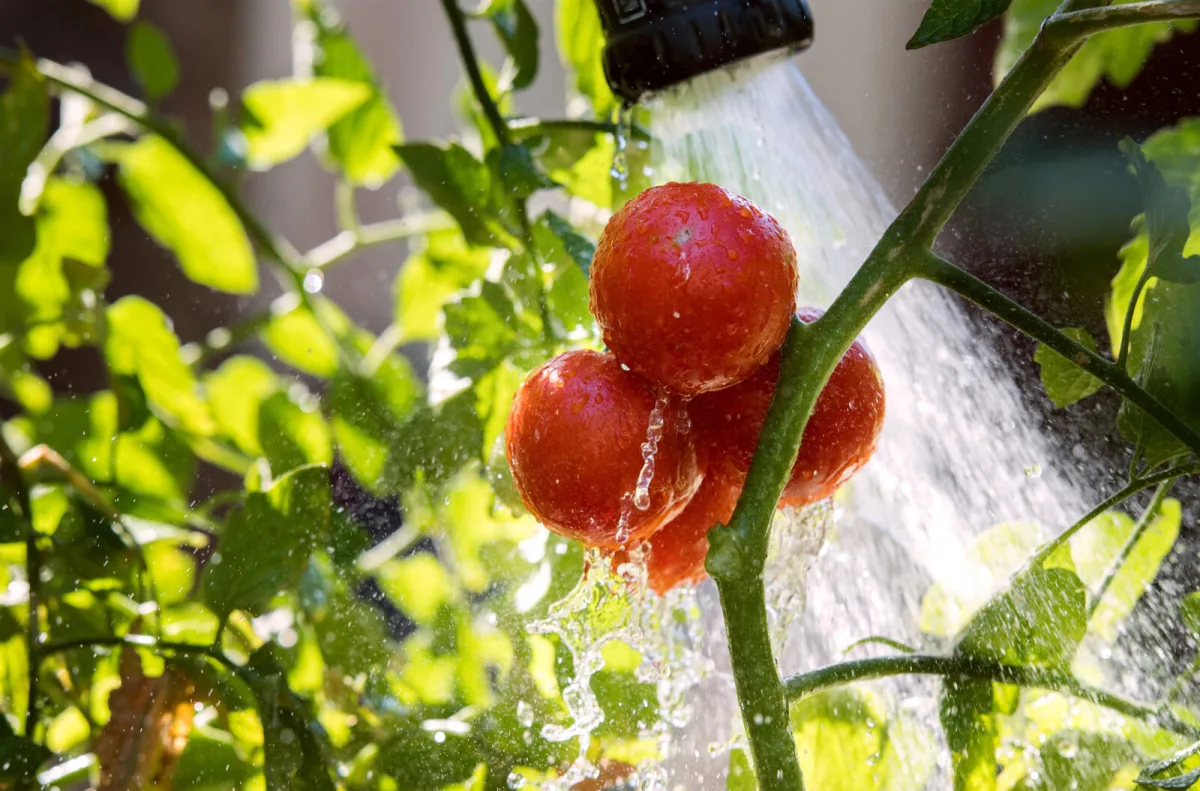
Water deeply at the roots, not over the leaves, and aim for a stable weekly supply of water. In containers, you’ll need to water more often because the potting mix dries out faster. A layer of mulch also helps by reducing evaporation and smoothing out the swings between rain and dry spells.
Pests and diseases can cause flowers and leaves to drop
Some pests suck plant sap and can significantly slow growth. Common culprits are aphids, whiteflies, thrips, or spider mites. The plant then looks tired, may drop flowers and leaves, and fruits don’t form because it simply doesn’t have the resources. Equally risky are diseases that attack foliage or the vascular system and reduce vigour—such as blights, leaf spots, or viral infections.
Check plants regularly, especially the undersides of leaves and the young shoots where pests often hide. If you find an infestation, you can use insecticidal soap and also improve airflow between plants. If one plant is clearly badly diseased, it’s safer to remove it from the bed so the problem doesn’t spread to other tomatoes. Don’t put that plant on the compost—dispose of it away from garden waste intended for further processing.
How to help tomatoes get back to fruiting
When tomatoes grow vigorously but don’t fruit, work through the causes step by step. Start with sun and watering, then move on to balanced nutrition with enough potassium and no excess nitrogen. Consider whether the variety matches your climate, and support pollination with better air movement and a good presence of pollinators. Regular pest checks and quick action against disease often decide whether you’ll pick a handful of tomatoes or a full basket.
Source: Southern Living, Gardening Know How , Pestrazahrada.cz
Related articles
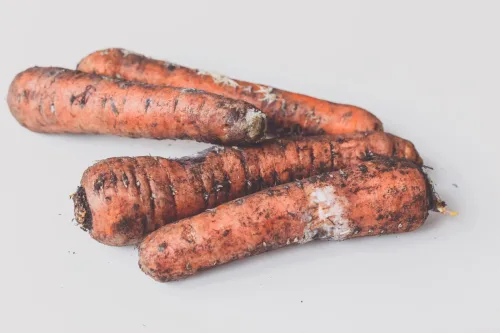
Next year you can harvest better if you don’t sow carrots where they won’t thrive
Carrot root fly can ruin carrots, parsley and celery from the inside out, often without obvious warning until harvest. Better site choice, rotation, later sowing and simple physical barriers can dramatically cut damage next season.
How to Propagate Roses from Cuttings at Home and Fill Your Garden with Blooms Almost for Free
Want more roses without paying for new plants? With a few healthy cuttings and a simple plastic-bottle mini greenhouse, you can root new bushes at home in just a few weeks.
Heathers can cope where other plants won’t, but one soil detail decides everything
Heathers and heaths are tough evergreen shrubs that can flower across the seasons when you choose the right types. Success hinges on matching the plant to your soil pH and ensuring free drainage.
Comments (0)
Be the first to comment.