
 English
  Polski
  Deutsch
  Nederlands
  Svenska
  Norsk
Norsk  Dansk
Dansk  Français
  Italiano
  Español
  Português
  Slovenčina
  Suomi
Suomi  Gaeilge
 Too Much Currant and Not Sure What to Do with It
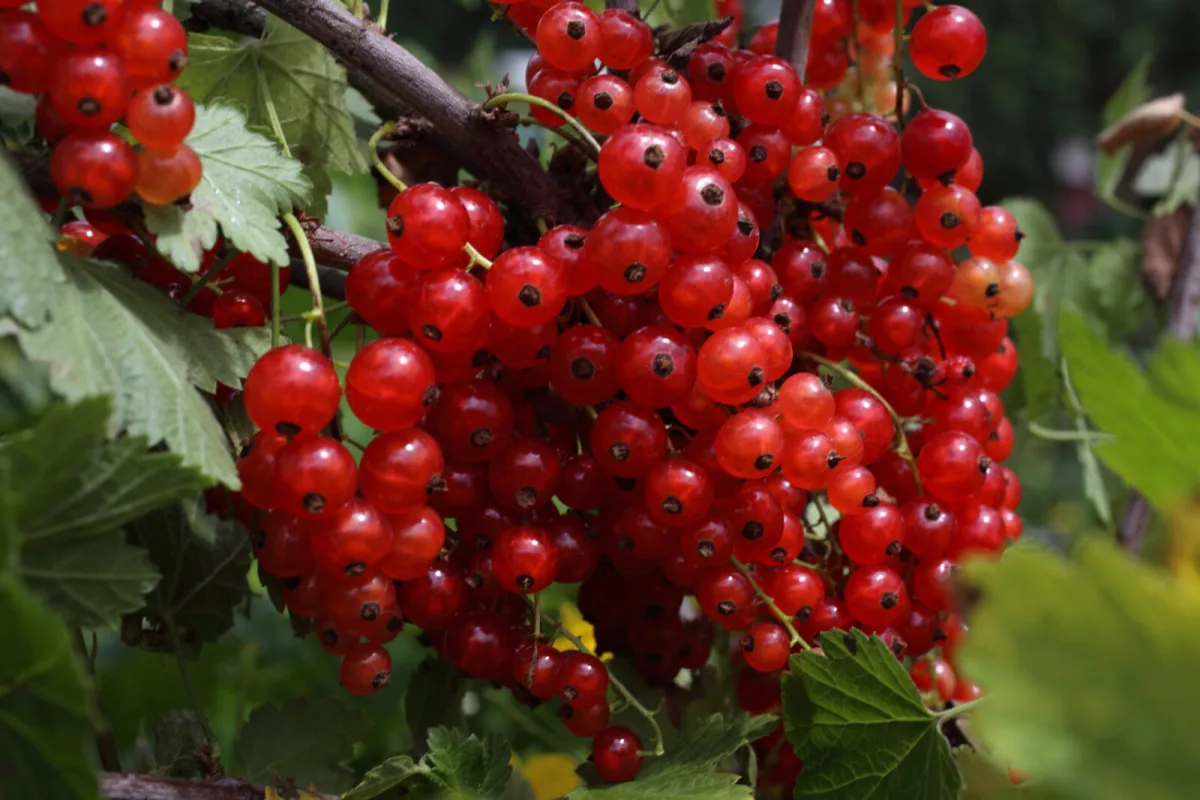
In summer, the fruit and vegetables you planted in spring—or carefully tended—gradually begin to ripen. At last comes the reward for the hours spent in the garden, but sometimes the harvest is bigger than your household can possibly eat. A classic example is currants, which can deliver whole bowls of berries within just a few days. The good news is that they’re easy to process in plenty of ways, so you don’t have to worry about them going to waste.
The simplest option is to eat currants as they are
If you fancy a quick snack, just pick the berries, rinse them, and pop them into a bowl. Currants are prized for their nutrient content and are often talked about as a garden superfood. They’re especially high in vitamin C, which is important for immune function.
On top of that, they also contain vitamin A to support eyesight, B vitamins useful for the nervous system and metabolism, and also for the condition of skin, hair and nails. You’ll also find vitamin E with antioxidant effects and vitamin K, which is linked to bone health. As for minerals, currants commonly provide potassium, calcium, iron, magnesium, phosphorus, manganese and more.
When there’s too much, turn it into jam
As soon as you realise there are more berries than you can eat fresh, it pays to start preserving. Currants have a pleasantly sharp flavour, which makes them ideal for jam. Prepare a few jars and you’ll have a stash for breakfasts, stirred into yoghurt or spread on bread and pastries. Homemade currant jam is also a practical way to keep the harvest for months ahead.
And if you still make more than you need, you can pass the jars on. A homemade edible gift is simple but genuinely appreciated—and it also means none of your crop ends up in the bin.
Currant jelly as a quick dessert for visitors
If you want something a bit more special, currants also work beautifully as jelly. It’s an appealing dessert that can brighten up a family gathering or a spread for guests. The preparation is usually straightforward and doesn’t require complicated steps, because currants naturally bring bold flavour and colour.
Juice for refreshment and vinegar for an unusual twist
Another option is to make currant juice, which is wonderfully refreshing in summer and can be drunk on its own or diluted. And if you want to try something less common, currants can also be used for homemade vinegar. It’s not difficult to make, and the result can lift salad dressings, marinades and everyday dishes. It’s also a smart way to deal with bigger gluts so not a single berry goes to waste.
After harvesting, currants don’t have to end up only in a bowl. Jam, jelly, juice and homemade vinegar are simple ways to use your crop right down to the last berry.
Source: Jidlo.cz, Gardening Know How, original text, Pestrazahrada.cz

A lover of nature, gardens, and everything that moves, blooms, or grows. He literally grows everything, from herbs to rare species, and he enjoys caring for animals just as much. In his work, he connects modern technology with tried-and-tested grandmotherly methods and is happy when both paths lead to the same goal.
Related articles
Why the Tree That Feeds a Family for Generations Is Disappearing from Czech Gardens
The English walnut used to be a staple of larger gardens and farmyards, valued for its nutritious nuts and many practical uses. With the right site and variety, it remains one of the most rewarding long-lived trees you can plant.

How to Get Rid of Mice and Rats in the House, Loft and Garden Effectively
Mice and rats don’t leave quietly—scratching sounds, droppings and gnaw marks are clear warnings. A lasting solution comes down to three steps: block entry points, remove food sources, then use traps or professional control.
Two Mistakes When Harvesting Onions Can Cut Your Supply by Months
With good growing and the right handling, onions can turn into a near year-round pantry staple. These simple harvest and curing steps determine whether they keep for weeks or for months.
Comments (0)
Be the first to comment.