
 English
  Polski
  Deutsch
  Nederlands
  Svenska
  Norsk
Norsk  Dansk
Dansk  Français
  Italiano
  Español
  Português
  Slovenčina
  Suomi
Suomi  Gaeilge
 Planning to Keep Chickens Ask Yourself These Five Questions First
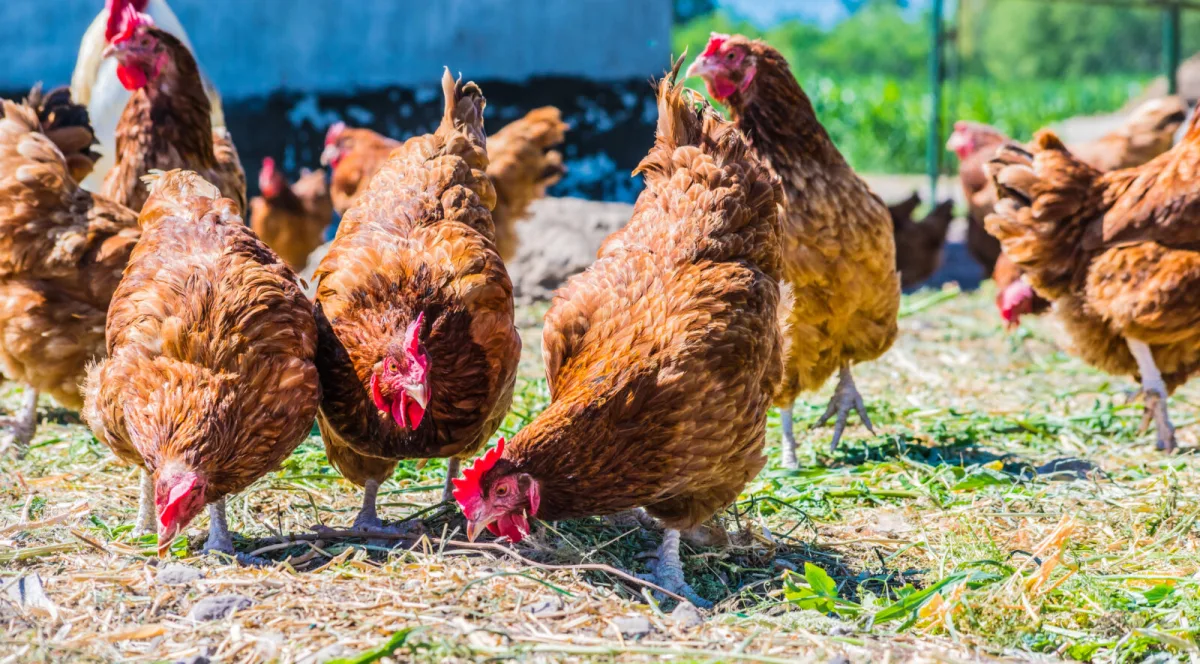
Rising egg prices make it tempting to start your own flock. Chickens are surprisingly low-maintenance, spending most of the day foraging and rewarding you with fresh eggs with a deeper-coloured yolk and fuller flavour. You also control the feed they eat and the conditions they’re kept in, and in some cases you may also gain a source of poultry meat. Before you make the final decision, it pays to work through a few practical questions that will determine whether keeping chickens will be a pleasure or a worry.
How much space you can realistically give them long term
First, be clear about how large a run you can dedicate to your hens. A sensible minimum is usually quoted as around 2 m² per hen—the more space, the less damage to greenery. In a smaller, fenced area you’ll keep the flock under control and the mess stays in one place, but grass and most plants will soon disappear and you’ll end up doing almost all of the feeding yourself.
In a larger run, the pressure is spread out, the garden has a chance to recover, and the hens will diversify their diet with insects and other small invertebrates. They can also help reduce slugs and caterpillars, and will occasionally pick up ticks too. Think about shade as well—ideally under trees—so they don’t overheat in summer.
A dust bath as parasite prevention
If you don’t want your poultry scratching holes all over the garden, prepare a designated dust-bathing spot. In a dry corner, a shallow hollow or a container of ash is enough, or a mix of wood ash, sand and a little lime-based material. For hens it’s a form of self-cleaning that helps limit external parasites, especially red mite.
It’s best not to let them into newly planted beds, because wherever they can reach, they can do serious damage in no time.
How you’ll provide secure fencing
Even though chickens aren’t strong flyers, they’ll sometimes try to hop a fence or squeeze through a gap. That’s why you need sturdy, continuous fencing—so they don’t lay eggs next door or end up near a road. Around 150 cm is often enough, but some more lively breeds can manage higher, so take their temperament into account.
As an extra measure, you can trim the tips of the flight feathers on one wing, which reduces their ability to take off and manoeuvre. It’s not a substitute for fencing, though—an inquisitive hen will find a way out on foot as well.
Where the coop will go and what standards it must meet
The coop is essential. You can buy one, build one, or use an older shed if it’s dry, well-ventilated and has at least some sort of window. Inside, hens need perches, ideally about 0.5–1 m above the floor, along with bedding and nesting boxes. If you want eggs in winter, bear in mind the coop temperature must not stay too low for long periods—around 10 °C is often given as a guideline.
Protecting it against predators is crucial.
All it takes is a small gap in timber or wire mesh, and a marten, polecat or fox can wipe out the entire flock overnight.
What you’ll feed them, and why cutting corners doesn’t pay
Hens must have constant access to water and feed. They’ll find some food in the garden, but without a quality ration you won’t get good egg production. A practical base is a mixed grain feed—often recommended as roughly half wheat, some maize, and the rest other grains. For strong shells they need minerals, which you can top up with, for example, crushed eggshells or limestone grit. Greens, grass and suitable vegetables support condition and yolk colour.
Kitchen scraps are only suitable in moderation. They mustn’t be spoiled, overly salty or too greasy, otherwise you’re inviting health issues and unpleasant smells in the run.
Where you’ll get your hens, and which type to choose based on your expectations
If your main goal is eggs, you’ll most often choose between pure breeds and hybrids. Pure breeds are true-breeding, vary in looks and temperament, and usually lay less—around 180 eggs per year—but for longer, often three to four years.
Hybrids are bred for high productivity, which can reach roughly 240–320 eggs per year, but the peak lasts a shorter time. You can buy them as young pullets before their first lay, or as so-called spent hens from commercial farms. These tend to lay less, but are usually cheaper, and for many people it also matters that they can offer them calmer home conditions. Before buying, check the origin, health status, and whether the chosen type suits your space and the time you want to dedicate to keeping them.
Source: Dine a Chook, Pestrazahrada.cz

A lover of nature, gardens, and everything that moves, blooms, or grows. He literally grows everything, from herbs to rare species, and he enjoys caring for animals just as much. In his work, he connects modern technology with tried-and-tested grandmotherly methods and is happy when both paths lead to the same goal.
Related articles
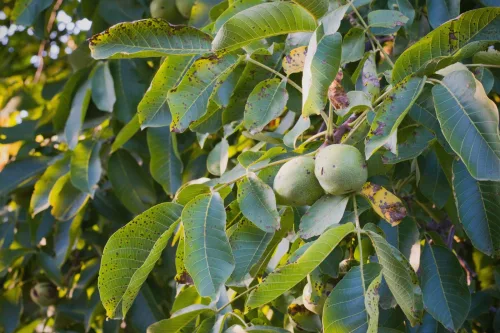
Why the Tree That Feeds a Family for Generations Is Disappearing from Czech Gardens
The English walnut used to be a staple of larger gardens and farmyards, valued for its nutritious nuts and many practical uses. With the right site and variety, it remains one of the most rewarding long-lived trees you can plant.
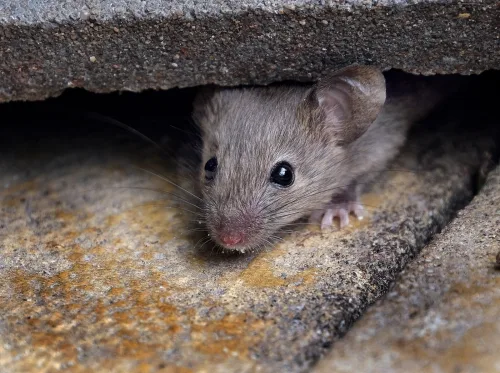
How to Get Rid of Mice and Rats in the House, Loft and Garden Effectively
Mice and rats don’t leave quietly—scratching sounds, droppings and gnaw marks are clear warnings. A lasting solution comes down to three steps: block entry points, remove food sources, then use traps or professional control.
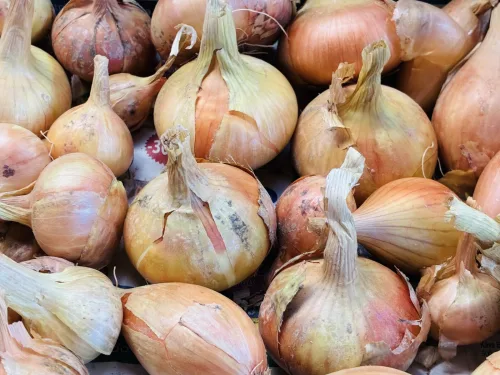
Two Mistakes When Harvesting Onions Can Cut Your Supply by Months
With good growing and the right handling, onions can turn into a near year-round pantry staple. These simple harvest and curing steps determine whether they keep for weeks or for months.
Comments (0)
Be the first to comment.