
 English
  Polski
  Deutsch
  Nederlands
  Svenska
  Norsk
Norsk  Dansk
Dansk  Français
  Italiano
  Español
  Português
  Slovenčina
  Suomi
Suomi  Gaeilge
 Brown Thuja in the Garden What Causes It and How to Restore Their Fresh Look
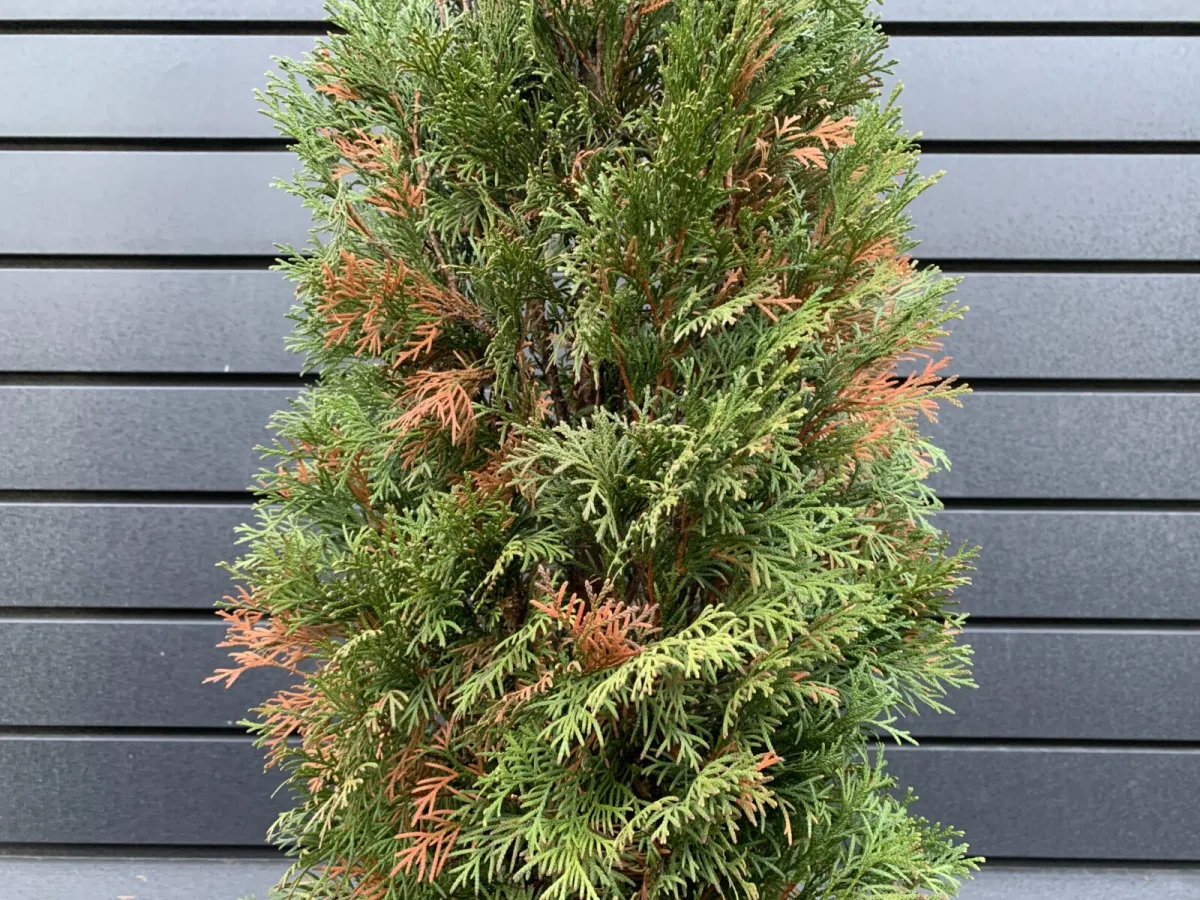
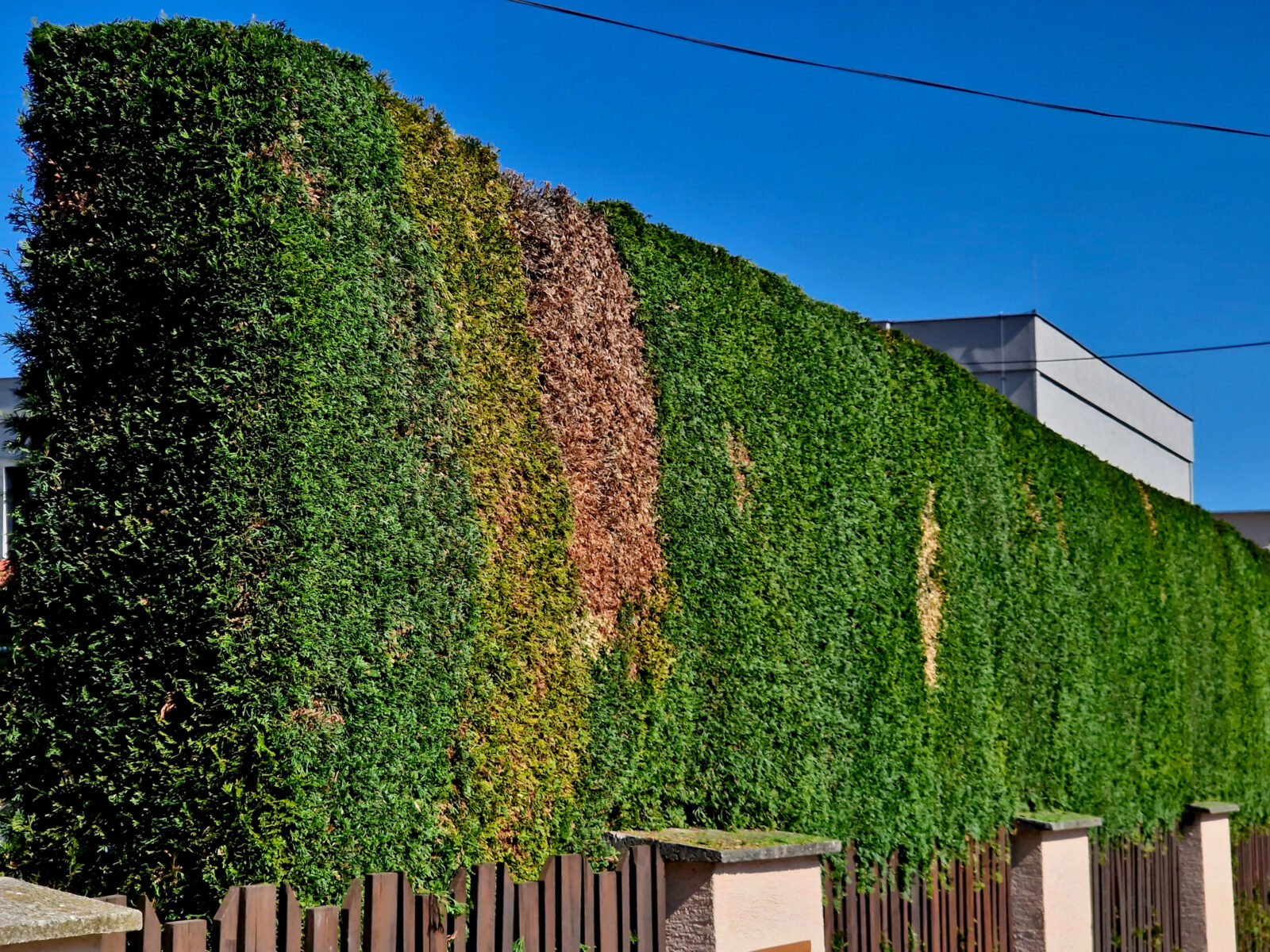
Thuja are among the most popular choices for hedges and specimen planting. They look tidy, hold their shape, and provide privacy in summer and winter. That’s why it can be such a surprise when brown shoots or even whole bands of drying growth start to show up. Browning doesn’t automatically mean disease; it’s often a combination of conditions that can be adjusted fairly easily.
The right variety and position matter more than you might think
For hedges, arborvitae such as ‘Brabant’ and other cultivars of western redcedar (Thuja occidentalis) are often planted because they fill in quickly. With taller varieties, it’s worth thinking ahead about their eventual size, shade, and neighbour relations. It’s practical to keep a sensible distance from the property line; at least 1.5 metres is commonly recommended so you don’t end up with disputes later over shading and maintenance. Even an unsuitable site on its own, such as an exposed windy spot or an overheated position right by a fence, can trigger stress and browning.
The most common causes of browning that aren’t disease
Some browning is natural. Older inner shoots die back because light doesn’t reach them inside the canopy. In that case, gentle cleaning out of the dry material and a little thinning can help. Another common mistake is watering “at random”: prolonged drought weakens thuja, but waterlogging is just as harmful, as roots suffer from a lack of oxygen. The problem can also be made worse by sharp temperature swings, especially in spring when the sun warms the foliage but the soil is still cold.
Fungal diseases show up as marks on the shoots
If, along with browning, you see suspicious spots, blackening, swellings, or tiny fruiting bodies, it may be a fungal infection. Then a quick response and treatment with a fungicide is important. In practice, products such as Dithane DG Neo Tec or Amistar are used, often together with a wetter/spreader for better coverage. It’s worth repeating the treatment after 10 to 14 days to interrupt the pathogen’s development. At the same time, remove the most heavily affected parts so the infection doesn’t continue to spread.
When magnesium is lacking, thuja fade and then brown
A magnesium deficiency can show as gradual paling and reduced vigour. A simple solution is a foliar spray with Epsom salts (magnesium sulfate). A proven approach is to dissolve 200 g in 10 litres of water and thoroughly treat the entire plant. If you see improvement, a follow-up application can be stronger, for example 500 g per 10 litres. It’s important to apply in mild weather, ideally in the morning or evening, so the spray doesn’t dry too quickly.
Pests that can “hollow out” shoots from the inside
Browning can also be caused by pests, for example the larvae of arborvitae leafminer moths, which burrow into the tissues. The result then looks like localised dieback of shoots. In that situation, spraying against sap-sucking and chewing insects can help; Decis Mega is often mentioned. Treatment is most effective when done early, as soon as you notice the first symptoms.
Watering and feeding without extremes
With thuja, a simple rule applies: even moisture yes, standing water no. In sandy soil, you need to water more often and more deeply because water drains away quickly. In clay soils, waterlogging is the bigger risk, so it’s better to water less frequently while checking that the soil dries slightly between waterings. Also watch out for overfeeding: newly planted thuja are best kept well-watered in their first season, with fertilising left until the following year, when the roots have established more firmly.
The simplest prevention of browning is regular inspection, correct watering according to soil type, and a quick response to the first suspicious colour changes.
If you keep cleaning out dry twigs, monitor moisture, avoid going overboard with fertilisers, and deal promptly with diseases or pests, your thuja will reward you with a dense, healthy, deep green look all year round.
Source: Gardening Know How, Záhrada, Gardener’s World, Pestrazahrada.cz

A lover of nature, gardens, and everything that moves, blooms, or grows. He literally grows everything, from herbs to rare species, and he enjoys caring for animals just as much. In his work, he connects modern technology with tried-and-tested grandmotherly methods and is happy when both paths lead to the same goal.
Related articles
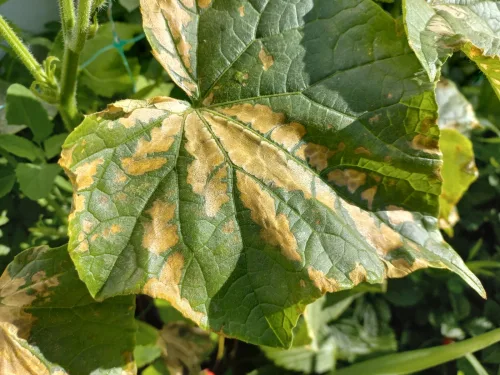
Yellowing cucumber leaves have a clear cause and with the right response plants recover quickly
Cucumber leaves turn pale and yellow when the plant is under stress—most often from watering mistakes, nutrient imbalance, or sudden temperature swings. Spot the pattern early and you can restore growth and protect your harvest fast.
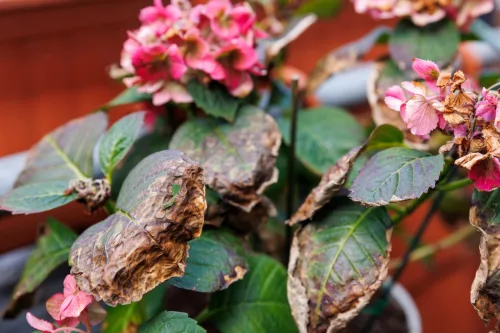
How to Get Browning Hydrangeas Back on Track Without Chemicals
Brown leaf edges or spots on hydrangeas usually point to a simple mismatch in light, watering, or airflow rather than a lost cause. Learn how to read the symptoms and restore your shrub quickly with gentle, practical fixes.
Turn Ground Cinnamon Into a Secret Weapon for Stronger, Tougher Plants
Ground cinnamon isn’t just for baking—it can help protect houseplants and garden plants from mould and fungal issues, support cuttings, and even act as quick first aid for minor wounds. Used lightly, it’s an affordable, gentle, natural add-on to good growing practice.
Comments (0)
Be the first to comment.